How to Fix Sciatica With No Surgery: Natural Relief Tips
Sciatica can make simple everyday activities feel surprisingly difficult. Sitting at a desk, getting out of bed, driving, bending forward, climbing stairs, or even taking a short walk can trigger sharp pain that travels from the lower back or buttock into the leg.
For some people, the discomfort feels like burning or aching; for others, it feels like an electric shock accompanied by tingling, numbness, or weakness.
The encouraging news is that many people with sciatica can improve without surgery. Sciatica caused by conditions such as a herniated disc can often settle over weeks or months with appropriate self-care and conservative treatment.
Learn how to fix sciatica without surgery using gentle movement, walking, physical therapy, heat or cold therapy, and healthy daily habits.


Surgery is generally considered when symptoms are severe, neurological problems are progressing, or conservative approaches have failed.
If you are searching for how to fix sciatica with NO SURGERY, the goal should not be to find one miraculous stretch or instant cure.
Instead, successful non-surgical management generally combines appropriate movement, physical therapy, activity modification, symptom control, strengthening, better daily habits, and medical treatment when necessary.
This guide explains the most practical ways to manage sciatica without surgery, what treatments may help, what you should avoid, and when nerve symptoms require urgent medical attention.
What Is Sciatica?
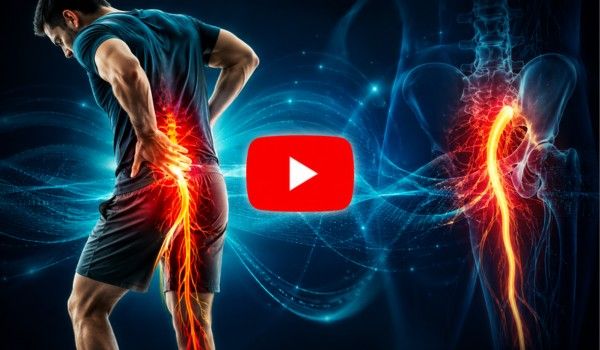
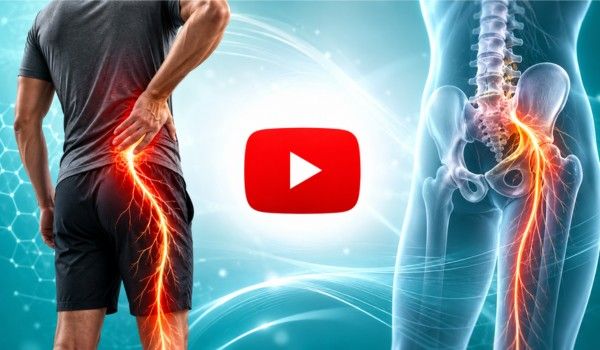
Sciatica refers to pain that follows the pathway of the sciatic nerve and its contributing nerve roots. The sciatic nerve runs from the lower back through the buttocks and down each leg.
Symptoms often occur when one of the nerve roots in the lower spine becomes irritated or compressed.
A person with sciatica may experience:
- Sharp or shooting leg pain
- Burning pain
- Electric-shock sensations
- Tingling or pins and needles
- Numbness
- Weakness in the leg or foot
- Buttock pain
- Pain extending into the calf or foot
- Lower-back discomfort
Sciatica usually affects one side of the body, although more complicated conditions can sometimes affect both sides.
It is also important to understand that sciatica is not simply another name for lower-back pain. Someone can have significant sciatic leg pain with relatively mild back discomfort.
What Causes Sciatica?
Sciatica develops when a nerve root associated with the sciatic nerve becomes irritated, inflamed, or compressed. Several spinal conditions can trigger this pressure, and the exact cause can influence which non-surgical treatment works best.
Herniated Disc
A herniated disc is one of the most common causes of sciatica. It occurs when the soft inner material of a spinal disc pushes through its tougher outer layer and presses against a nearby nerve root. This pressure can cause pain, tingling, numbness, or weakness that travels from the lower back into the buttock and leg.
Spinal Stenosis
Spinal stenosis occurs when the spaces within the spine narrow, leaving less room for the nerves. This narrowing can place pressure on the nerve roots that contribute to the sciatic nerve. Symptoms may include leg pain, numbness, weakness, or discomfort that becomes worse with prolonged standing or walking.
Bone Spurs
Bone spurs are small bony growths that can develop around the joints of the spine, often as part of age-related wear and tear. When these growths reduce the space around a spinal nerve, they may irritate or compress the nerve root, triggering sciatic pain that radiates into the leg.
Spondylolisthesis
Spondylolisthesis happens when one spinal vertebra slips forward relative to the vertebra below it. This movement can narrow the space available for nearby nerves and cause pressure on a nerve root. Depending on the severity, it may cause lower back pain, leg pain, tingling, numbness, or weakness.
Back Injury
A back injury or trauma can sometimes lead to sciatica by damaging or irritating structures around the lower spine. Falls, accidents, sports injuries, or heavy lifting may cause swelling, disc problems, or other changes that place pressure on a nerve root, resulting in radiating sciatic pain.
Because the cause of sciatica differs from person to person, treatment should ideally be based on the underlying problem rather than using the same stretches or exercises for everyone.
Can Sciatica Really Be Fixed Without Surgery?
For many people, yes.
Sciatica frequently improves with time and conservative treatment. The NHS states that sciatica commonly improves within several weeks to a few months, although it can occasionally last longer or return later.
Non-surgical treatment may involve:
- Staying active
- Gentle exercise
- Physical therapy
- Heat or cold therapy
- Activity modification
- Pain-management strategies
- Appropriate medication
- Improving posture and movement habits
- Progressive strengthening
- Epidural injections in selected cases
The key is patience.
A nerve that has become inflamed or compressed may need time to settle. Trying to force recovery through aggressive stretching or exercise can sometimes make symptoms worse.
How to Fix Sciatica With NO SURGERY
1. Keep Moving Instead of Staying in Bed
When sciatica becomes painful, it is natural to want to stop moving and spend more time resting. While a short period of reduced activity may provide temporary relief during a severe flare-up, prolonged bed rest can lead to increased stiffness, muscle weakness, and slower recovery.
Start with manageable activities such as:
- Walking around your home
- Standing periodically
- Taking several short walks
- Changing positions frequently
- Performing gentle everyday activities
2. Start With Gentle Walking
Gentle walking is one of the easiest ways to stay active while recovering from sciatica. Begin with about 5–10 minutes at a comfortable pace and gradually increase the duration as symptoms improve.
Several short walks throughout the day may be easier than one long session. Stop and seek medical advice if walking causes worsening pain, numbness, or weakness.
3. Use Cold Therapy During a Painful Flare
Cold therapy may provide temporary relief during a painful sciatica flare by helping calm discomfort around the affected area. Wrap an ice or cold pack in a thin towel and apply it for up to about 20 minutes at a time.
Never place ice directly on your skin. Cold therapy is mainly for short-term comfort and does not correct the underlying cause of sciatica.
4. Try Heat for Muscle Tightness
Heat therapy can help relax tight muscles around the lower back, buttocks, and hips, which may make movement more comfortable.
A heating pad, warm compress, or warm shower can be used for short periods at a comfortable temperature. Heat may be especially useful when stiffness or muscle tension accompanies sciatic pain. Avoid excessive heat, particularly if the area has reduced sensation.
Options include:
- Heating pads
- Warm showers
- Warm compresses
- Heated wraps
5. Work With a Physical Therapist
Treatment might include:
- Individualized exercises
- Mobility training
- Strengthening
- Walking progression
- Posture advice
- Movement retraining
- Core exercises
- Hip strengthening
- Manual therapy
- Return-to-work planning
Physical therapy is especially useful because different causes of sciatica may respond differently to movement.
Someone with disc-related sciatica may require a different exercise approach than a person whose symptoms are related to spinal stenosis.
6. Perform Sciatica Exercises Carefully
Exercise is important, but one of the biggest mistakes people make is assuming that every online sciatica exercise is appropriate for everyone. Your exercise program should ideally be based on your symptoms and diagnosis.
Common categories of exercises include:
Gentle Mobility Exercises
These movements help prevent stiffness and maintain comfortable spinal and hip motion.
Core Strengthening
The abdominal and back muscles support everyday movement and help your body tolerate bending, lifting, standing, and walking.
Glute Strengthening
Strong gluteal muscles can improve hip control and movement mechanics.
Hip Mobility
Improving comfortable movement around the hips may decrease unnecessary stress elsewhere.
Walking Exercises
Gradual walking progression can help rebuild confidence and endurance.
7. Avoid Sitting for Long Periods
A physical therapist can create a personalized exercise program based on the cause and severity of your sciatica. Therapy may include gentle stretching, mobility exercises, core strengthening, and posture improvement to reduce nerve irritation. Regular physical therapy can also help restore movement, improve strength, and reduce the risk of future flare-ups.
If you work at a computer:
- Stand up periodically
- Take short walking breaks
- Keep your feet supported
- Avoid twisting toward one side
- Use comfortable lower-back support
- Position your screen directly in front of you
8. Modify Heavy Lifting Temporarily
Lifting does not need to be permanently avoided, but heavy or awkward lifting may aggravate an active sciatic flare.
During recovery:
- Keep loads manageable
- Bring objects close to your body
- Avoid twisting while holding weight
- Use both hands when appropriate
- Turn your entire body rather than twisting suddenly
- Ask for assistance with heavy objects
Once symptoms improve, gradually rebuilding your lifting capacity is usually better than becoming afraid to lift anything. A physical therapist can teach appropriate lifting progressions based on your condition.
9. Improve Your Sleeping Position
Sciatic pain can become especially frustrating at night. There is no single sleeping position that works for everyone, but adjusting leg support may help.
Side Sleeping
Try placing a firm pillow between your knees. This may help keep your hips and pelvis in a more comfortable position.
Back Sleeping
Try placing one or more pillows underneath your knees. The Royal Orthopedic Hospital includes these positioning strategies among its self-care suggestions for sciatica.

10. Consider Pain Medication When Appropriate
Medication may sometimes make it easier to remain active during an acute flare. Commonly discussed options include nonsteroidal anti-inflammatory drugs such as ibuprofen or naproxen.
However, these medications are not appropriate for everyone, and evidence for some pain medications specifically for sciatica is limited.
People with kidney disease, stomach ulcers, bleeding disorders, cardiovascular disease, pregnancy, or certain medication interactions may need to avoid NSAIDs.
Always follow medication directions and consult a pharmacist or healthcare professional when you are uncertain. Medication should generally support rehabilitation rather than become the only long-term strategy.
11. Do Not Automatically Use “Nerve Pain” Drugs
Because sciatica involves nerve symptoms, some people assume medications marketed for nerve pain must always work.
That is not necessarily true.
NICE guidance advises against routinely offering gabapentinoids, other antiepileptic drugs, oral corticosteroids, or benzodiazepines for managing sciatica because the evidence does not show sufficient overall benefit and there is evidence of harm. NICE also advises against opioids for chronic sciatica.
Medication decisions should therefore be individualized by a healthcare professional. Do not start, stop, or change prescription medicines without medical advice.
12. Massage and Manual Therapy May Provide Support
Massage may temporarily relax tight muscles around the hips, buttocks, and lower back. Some physical therapists also use manual therapy techniques to improve comfort and movement.
However, massage should not be viewed as physically “pushing the disc back into place.” Likewise, spinal manipulation is not an instant cure for all types of nerve compression.
When hands-on treatments help, their greatest value may be allowing you to move more comfortably and participate in rehabilitation.
NICE recommends considering manual therapy only as part of a treatment package that includes exercise rather than as a stand-alone treatment.
13. Consider an Epidural Injection for Severe Sciatica
Some people experience pain so severe that they cannot walk comfortably, sleep, work, or participate in physical therapy. In selected cases, a clinician may recommend an epidural injection.
This generally involves delivering medication near irritated spinal nerve roots. The purpose is usually to reduce pain enough for the person to become more active and participate in rehabilitation.
An epidural does not permanently repair every disc problem. NICE recommends considering an epidural injection containing local anesthetic and steroid for people with acute and severe sciatica.
Whether an injection is appropriate depends on the cause of your symptoms, your medical history, examination findings, and the severity of your symptoms.
14. Maintain a Healthy Weight
Weight is not the sole cause of sciatica. People of all body sizes can develop nerve compression. However, maintaining a healthy body weight may decrease mechanical stress on the lower back and make physical activity easier.
Focus on gradual, sustainable habits:
- Eat adequate protein
- Include vegetables and fruits
- Choose fiber-rich foods
- Limit excessive highly processed foods
- Stay hydrated
- Exercise regularly
- Prioritize sleep
Avoid extreme dieting during recovery. The goal is to create long-term habits that support both spinal health and overall wellness.
15. Strengthen Your Core and Hips Gradually
Once severe symptoms begin to settle, strengthening becomes increasingly important. The core includes several muscle groups around your abdomen, back, pelvis, and hips—not simply your abdominal muscles.
Your rehabilitation program may eventually include exercises such as:
- Bridges
- Modified squats
- Hip strengthening
- Resistance-band exercises
- Controlled core exercises
- Functional lifting practice
- Progressive walking
Start slowly.
The goal is not to make your back rigid but to improve your ability to tolerate everyday movement.
What Should You NOT Do With Sciatica?
Do Not Stay in Bed for Several Days
Prolonged inactivity can increase stiffness and physical deconditioning. Keep moving within a tolerable range.
Do Not Force Painful Stretches
A sharp electric sensation running down the leg is not evidence that a stretch is “working.” Aggressive stretching can irritate sensitive nerve tissue.
Do Not Ignore Worsening Weakness
Increasing weakness deserves medical evaluation. Examples include difficulty lifting your foot, sudden stumbling, or loss of strength when standing or walking.
Do Not Assume Every Leg Pain Is Sciatica
Muscle injuries, hip conditions, peripheral neuropathy, vascular problems, and other disorders can mimic aspects of sciatica.
Do Not Rely on One Treatment Alone
Heat, massage, or medication may provide temporary relief, but recovery typically benefits from a gradual return to activity and function.
Do Not Continue Activities That Clearly Produce Severe Radiating Pain
Temporary activity modification may give irritated nerve tissue a chance to settle. You can gradually reintroduce activities as your condition improves.
How Long Does Sciatica Take to Heal Without Surgery?
Sciatica recovery varies considerably. Some people notice meaningful improvement within several days or weeks. Others may require a few months.
The NHS states that sciatica commonly improves within a few weeks to a few months, although some cases can last longer. Recovery may also fluctuate.
For example, you may have three relatively comfortable days followed by a painful day after:
- Driving for several hours
- Sitting too long
- Lifting something heavy
- Increasing exercise too quickly
- Sleeping awkwardly
One temporary flare does not necessarily mean that all healing has been lost. Instead, look at your overall progress.
Ask yourself:
- Can I walk farther?
- Is the pain less intense?
- Is the pain traveling less far down my leg?
- Can I sleep more comfortably?
- Can I sit for longer?
- Is numbness decreasing?
- Is strength improving?
- Can I perform more everyday activities?
Functional improvements are often useful signs of recovery.
Does Sciatica Require an MRI?
Not necessarily.
Many cases can initially be diagnosed from symptoms, medical history, and a physical examination.
Imaging may become appropriate when symptoms are unusually severe, neurological deficits are present, serious disease is suspected, symptoms persist, or an injection or surgical procedure is being considered.
An MRI can show discs, nerves, and other spinal structures, but imaging findings need to match the person’s symptoms. A disc abnormality on an MRI does not automatically mean that surgery is required.
How Can You Prevent Sciatica From Returning?
Even after symptoms disappear, maintaining healthy movement habits can reduce the likelihood of future problems.
Stay Physically Active
Regular activity keeps muscles conditioned and improves general mobility.
Strengthen Supporting Muscles
Continue strengthening the hips, legs, back, and core.
Avoid Long Periods of Inactivity
Break up long sitting sessions with walking or standing.
Improve Lifting Technique
Keep loads close to your body and avoid sudden twisting under heavy load.
Progress Exercise Gradually
Suddenly returning to intense workouts after weeks of inactivity may trigger another flare.
Maintain Comfortable Workstation Habits
Arrange your chair, computer, and desk so you do not have to twist or reach repeatedly.
Stop Smoking
Smoking is associated with poorer spinal health and is listed by the NHS among factors relevant to preventing recurrent sciatica.
Maintain General Health
Healthy nutrition, adequate sleep, stress management, and regular physical activity all support recovery.
When Should You See a Doctor?
Seek professional medical evaluation if:
- Sciatica is getting progressively worse
- Symptoms remain severe after several weeks
- Pain prevents normal daily activities
- Numbness is increasing
- You notice muscle weakness
- Symptoms repeatedly return
- You are unsure whether your symptoms are actually sciatica
A healthcare professional can perform a neurological examination and decide whether physical therapy, medication, imaging, injections, or specialist assessment is needed.
When Is Sciatica an Emergency?
Most cases are uncomfortable but not medical emergencies. Certain symptoms are different.
Seek urgent or emergency medical attention if you develop:
- Loss of bladder control
- Loss of bowel control
- Difficulty starting urination
- Inability to urinate
- Numbness around the genitals
- Numbness around the anus or inner thighs
- Severe or worsening weakness in both legs
- Sudden significant leg weakness
- Severe symptoms following major trauma
These signs may indicate serious nerve compression requiring immediate medical assessment. Do not attempt to treat these symptoms at home with stretching, massage, heat, or pain medication.
When Might Surgery Actually Be Necessary?
The goal should not be to avoid surgery at all costs.
For most straightforward cases, conservative treatment is reasonable first. However, surgery may become appropriate when a nerve is being seriously compressed, or symptoms remain disabling despite adequate non-surgical care.
A specialist may consider surgery when there is:
- Progressive muscle weakness
- Serious neurological impairment
- Bowel or bladder dysfunction
- Persistent disabling leg pain
- Structural compression matching the symptoms
- Failure of appropriate conservative treatment
The healthiest approach is therefore:
Avoid unnecessary surgery—but do not delay necessary treatment when nerve function is threatened.
Simple Daily Routine for Non-Surgical Sciatica Recovery
A basic routine might look something like this:
Morning
Get out of bed gradually and spend a few minutes walking around. Perform only exercises recommended for your particular condition.
During Work
Change position frequently. Avoid sitting continuously for several hours. Take short walking or standing breaks.
Afternoon
Take a comfortable walk or complete your physical therapy routine.
Evening
Perform prescribed mobility or strengthening exercises. Apply heat or cold if it provides symptom relief.
Before Bed
Experiment with pillow positioning to reduce discomfort. Avoid aggressive stretching just before sleep if it increases nerve symptoms. Consistency usually matters more than intensity.
Frequently Asked Questions
Can Sciatica Completely Go Away Without Surgery?
Yes. Many cases improve without surgery, particularly when the nerve irritation is caused by a herniated disc that settles with time and conservative treatment.
What Is the Fastest Way to Relieve Sciatica?
There is no single instant cure. Staying appropriately active, gentle walking, heat or cold, suitable medication, and individualized physical therapy can help control symptoms while the underlying irritation improves.
Is Walking Good for Sciatica?
Walking is often beneficial when performed within a comfortable range. Begin with short walks and gradually increase duration rather than forcing yourself through severe pain.
Does Bed Rest Help Sciatica?
Brief rest during a severe flare may feel helpful, but prolonged inactivity is generally discouraged. Regular gentle movement is usually preferred.
Is Heat or Ice Better for Sciatica?
Both may help temporarily. Cold can be useful during an acute flare, while heat may relax tight muscles. Some people prefer alternating them.
Can Massage Cure Sciatica?
Massage may provide temporary relief by relaxing tight muscles, but it does not correct every cause of nerve compression. It is generally better used alongside exercise and rehabilitation.
Can Stretching Make Sciatica Worse?
Yes. Aggressive or inappropriate stretching can increase radiating nerve pain in some people. Exercises should be symptom-guided and ideally individualized.
Can Sciatica Come Back?
Yes. Sciatica can recur, especially when underlying spinal changes or lifestyle factors remain. Regular exercise and maintaining physical conditioning may lower the risk.
How Long Should I Wait Before Seeing a Doctor?
If symptoms are severe, worsening, interfering with everyday life, or not improving after several weeks, arrange an evaluation. Seek immediate help for significant neurological warning signs.
Conclusion
Learning how to fix sciatica with NO SURGERY starts with understanding that the irritated nerve usually needs a combination of time, appropriate movement, and gradually progressive rehabilitation—not complete inactivity or a miracle exercise.
For many people, a non-surgical plan involving gentle walking, physical therapy, activity modification, core and hip strengthening, appropriate heat or cold therapy, better sitting and lifting habits, and carefully selected pain-management strategies can significantly improve symptoms.
Avoid spending days in bed, and do not repeatedly force exercises that cause pain to radiate farther down your leg. Instead, build movement gradually and pay attention to whether your walking ability, strength, sleep, and daily function are improving.
More severe cases may require medications, specialist treatment, or an epidural injection. Surgery remains an important option when there is progressive neurological impairment, bowel or bladder dysfunction, or persistent disabling symptoms that do not improve with appropriate conservative treatment.
Most importantly, sciatica treatment should be individualized. What helps someone with a herniated disc may not be appropriate for someone with spinal stenosis or another condition.
If symptoms are persistent, worsening, or associated with weakness or numbness, getting a professional diagnosis is far safer than repeatedly experimenting with aggressive stretches or unproven home treatments.
References
https://en.wikipedia.org/wiki/Sciatica
https://www.webmd.com/back-pain/sciatica-symptoms
https://www.healthline.com/health/sciatica
https://www.mayoclinic.org/diseases-conditions/sciatica/symptoms-causes/syc-20377435
About Us