
How Serious Is a Fungal Infection in the Lungs? Expert Facts
How serious is a fungal infection in the lungs? A fungal lung infection can range from a mild respiratory illness to a life-threatening medical condition.
Its severity depends on the fungal species, immune function, underlying health conditions, and how quickly appropriate treatment begins.
Although some infections resolve naturally, invasive fungal infections can cause permanent lung damage, respiratory failure, and infection throughout the body.
Growing concerns about antifungal resistance, environmental mold exposure, and viral lung detox remedies have increased interest in pulmonary fungal infections.
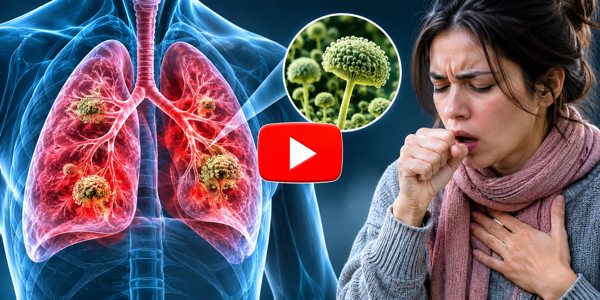
👉 DON’T TRY THIS “HOW SERIOUS IS A FUNGAL INFECTION IN THE LUNGS?” UNTIL YOU SEE THIS
Understanding early warning signs, modern treatments, and evidence-based prevention strategies can help individuals avoid dangerous complications and make informed healthcare decisions.
What Is a Fungal Infection in the Lungs?
A fungal infection in the lungs, medically called pulmonary mycosis, occurs when disease-causing fungi establish an infection within the respiratory system.
Most people encounter airborne fungal spores without developing illness. However, certain fungi can overcome immune defenses and multiply inside lung tissues.
Fungal pneumonia develops when infection triggers inflammation within the lungs, potentially interfering with normal oxygen exchange.
Unlike bacterial respiratory infections, most fungal infections require specialized antifungal treatment.
How Serious Can a Fungal Lung Infection Become?
Pulmonary fungal infections vary of severity depending on their progression and the affected individual’s health.
| Infection severity | Potential health effects |
| Mild infection | Cough, fatigue, low fever |
| Moderate infection | Persistent respiratory symptoms |
| Chronic infection | Progressive lung tissue damage |
| Invasive infection | Organ damage and respiratory failure |
| Disseminated infection | Infection spreading beyond the lungs |
Chronic and invasive fungal infections require particular attention because delayed treatment can significantly increase the likelihood of serious complications.
10 Early Warning Signs of Fungal Infection in the Lungs
Fungal lung infection symptoms frequently resemble bacterial pneumonia, tuberculosis, and other respiratory diseases.
Common warning signs include:
- Persistent dry or productive cough.
- Unexplained shortness of breath.
- Recurring fever and chills.
- Chest discomfort or pain.
- Coughing up blood.
- Unintentional weight loss.
- Excessive nighttime sweating.
- Persistent physical exhaustion.
- Wheezing or worsening asthma.
- Reduced tolerance for physical activity.
Symptoms alone cannot establish a diagnosis of fungal infection. Persistent symptoms, particularly after unsuccessful antibiotic treatment, warrant further medical evaluation.
👉 DON’T TRY THIS “HOW SERIOUS IS A FUNGAL INFECTION IN THE LUNGS?” UNTIL YOU SEE THIS
6 Types of Fungal Infections That Affect the Lungs
1. Aspergillosis
Aspergillus mold can cause allergic reactions, chronic pulmonary infections, fungal growths, and invasive disease. People with weakened immunity or existing lung abnormalities are at increased risk.
2. Histoplasmosis
Histoplasmosis develops after inhaling fungal spores associated with contaminated soil, particularly environments containing bird or bat droppings.
3. Coccidioidomycosis
Commonly called Valley fever, this infection originates from soil-dwelling fungi in certain dry geographical regions.
4. Cryptococcosis
Cryptococcus can infect lung tissues and potentially spread to the central nervous system, particularly in immunocompromised individuals.
5. Pneumocystis Pneumonia
This serious fungal pneumonia predominantly affects individuals with weakened immune defenses and requires specialized antimicrobial treatment.
6. Pulmonary Mucormycosis
Pulmonary mucormycosis is an aggressive infection that can damage blood vessels and surrounding tissues and requires urgent specialist treatment.
What Causes Fungal Infections in the Lungs?
Many pulmonary fungal infections begin when microscopic environmental spores enter the respiratory tract through inhalation.
Common exposure sources include contaminated soil, compost piles, construction dust, decaying vegetation, damp buildings, and animal droppings.
However, environmental exposure does not automatically indicate infection.
The relationship between fungal exposure, immune defenses, and existing medical conditions determines individual susceptibility.
Who Is Most at Risk of Severe Fungal Lung Infections?
Individuals with compromised immune systems or damaged lung tissues are particularly vulnerable.
Higher-risk groups include:
- People undergoing chemotherapy.
- Organ transplant recipients.
- Individuals with advanced HIV.
- People taking immunosuppressive medications.
- Individuals with COPD or previous tuberculosis.
- People with uncontrolled diabetes.
- Patients recovering from severe respiratory illnesses.
Nevertheless, certain environmental fungi can also cause significant illness in otherwise healthy individuals.
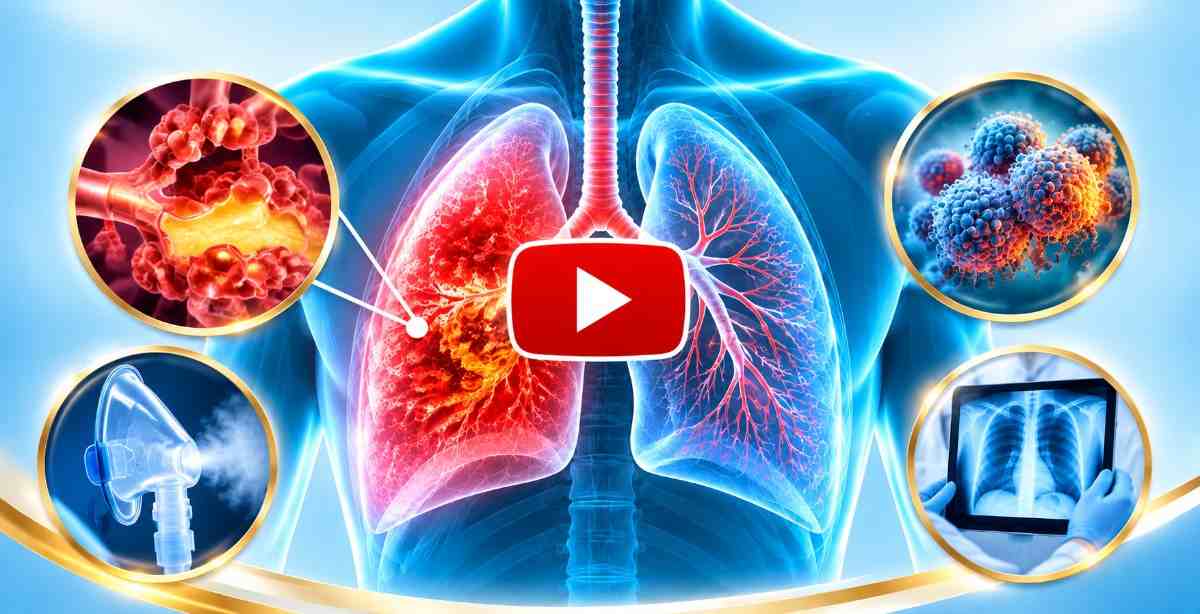
👉 DON’T TRY THIS “HOW SERIOUS IS A FUNGAL INFECTION IN THE LUNGS?” UNTIL YOU SEE THIS
Can a Fungal Infection in the Lungs Be Fatal?
Yes. Severe fungal lung infections can become fatal, particularly when invasive organisms spread through tissues or enter the bloodstream.
There is no universal fungal lung infection survival rate because outcomes vary widely by fungal species, patient population, and infection severity.
Early diagnosis, appropriate medication, and effective management of underlying medical conditions can improve survival prospects.
What Happens If a Fungal Lung Infection Goes Untreated?
Untreated pulmonary fungal infections may progress gradually or deteriorate rapidly.
Potential complications include:
- Permanent pulmonary scarring.
- Lung cavities and tissue destruction.
- Dangerous internal bleeding.
- Reduced blood oxygen levels.
- Acute respiratory failure.
- Infection spreading to other organs.
Some complications remain even after the original infection has been successfully treated.
Fungal Lung Infection Trends and Medical Research in 2026
Recent pulmonary infection research highlights several emerging concerns.
➢ Increasing Antifungal Resistance
Certain fungal species are becoming resistant to established medications, complicating treatment and increasing the importance of accurate laboratory identification.
➢ Climate Change and Fungal Exposure
Changing environmental conditions may influence fungal distribution and exposure patterns, potentially introducing respiratory fungal diseases into unfamiliar geographical areas.
➢ Advanced Diagnostic Techniques
Molecular testing, fungal biomarkers, and improved imaging technologies support earlier identification of potentially dangerous infections.
5 Viral Lung Cleansing Hacks: Do They Remove Fungal Infections?
Popular online remedies frequently claim to eliminate fungal spores naturally. However, these claims lack convincing clinical evidence.
1. Garlic and Honey Trick
Although garlic contains compounds with laboratory antifungal activity, consuming garlic and honey cannot reliably treat fungal pneumonia.
2. Steam Inhalation Hack
Steam may temporarily ease upper airway congestion but cannot eliminate fungi growing inside lung tissues.
3. Apple Cider Vinegar Detox
Drinking vinegar does not cleanse infected lungs or remove fungal organisms from respiratory tissues.
4. Essential Oil Breathing Trick
Concentrated essential oils may irritate respiratory passages and worsen breathing difficulties.
5. Deep Breathing Exercises
Gentle breathing exercises may support relaxation during recovery when medically appropriate, but they cannot eradicate fungal infections.
👉 DON’T TRY THIS “HOW SERIOUS IS A FUNGAL INFECTION IN THE LUNGS?” UNTIL YOU SEE THIS
How Are Fungal Lung Infections Diagnosed?
Healthcare professionals combine medical history, physical examinations, and specialized diagnostic investigations.
Common diagnostic procedures include chest X-rays, CT scans, sputum cultures, blood tests, urine antigen testing, and bronchoscopy.
A positive fungal culture does not always indicate active infection. Doctors must distinguish harmless fungal colonization from genuine tissue invasion before selecting treatment.
What Is the Best Treatment for Fungal Lung Infections?
Treatment depends on the specific fungal organism and disease severity.
Common antifungal medications include itraconazole, voriconazole, isavuconazole, and amphotericin B.
Pneumocystis pneumonia generally requires trimethoprim-sulfamethoxazole rather than conventional antifungal medication.
Severe infections may require hospitalization, oxygen support, intravenous treatment, or surgery.
Medical supervision remains essential because antifungal medications can cause side effects and significant drug interactions.
How Long Does a Fungal Lung Infection Take to Heal?
Recovery may require several weeks for uncomplicated infections, while chronic or invasive infections can require months of treatment.
Some patients need prolonged medical monitoring or ongoing medication.
Improved breathing and reduced coughing do not necessarily confirm complete clearance of the infection.
Can You Prevent Fungal Infections Naturally?
Although completely avoiding fungal spores is unrealistic, practical precautions may reduce exposure.
- Repair water leaks and control indoor humidity.
- Avoid disturbing contaminated soil and compost.
- Maintain appropriate household ventilation.
- Avoid smoking and secondhand smoke.
- Follow medical advice regarding existing respiratory conditions.
- Avoid heavily contaminated environments if immunocompromised.
Healthy nutrition and adequate sleep support general well-being but cannot replace medically necessary treatment.
Common Myths and Mistakes to Avoid
A frequent misconception is that every mold exposure causes fungal pneumonia. Most healthy individuals tolerate ordinary environmental fungal exposure without developing infections.
Other mistakes include relying on detox supplements, taking unnecessary antibiotics, stopping prescribed medications prematurely, and overlooking persistent respiratory symptoms.
Never inhale hydrogen peroxide or disinfectants to eliminate lung fungi. These substances can cause serious respiratory injuries.
When Should You Seek Emergency Medical Attention?
Seek immediate medical assistance for severe breathing difficulty, significant coughing of blood, bluish lips, confusion, or rapidly worsening chest pain.
Immunocompromised individuals experiencing fever or new respiratory symptoms should seek prompt medical assessment.
Early intervention can prevent potentially dangerous disease progression.
Conclusion
How serious is a fungal infection in the lungs? It can range from a manageable respiratory illness to a potentially fatal invasive disease.
Timely diagnosis, targeted treatment, environmental precautions, and consistent medical monitoring provide the strongest foundation for recovery.
While viral lung detox hacks continue attracting attention, scientifically supported medical care remains the safest approach to preventing permanent lung damage and serious complications.
👉 DON’T TRY THIS “HOW SERIOUS IS A FUNGAL INFECTION IN THE LUNGS?” UNTIL YOU SEE THIS
References
- Wikipedia — Fungal Pneumonia
https://en.wikipedia.org/wiki/Fungal_pneumonia
- Healthline — Aspergillosis: Types, Causes and Symptoms
https://www.healthline.com/health/aspergillosis
- PubMed — Pulmonary Fungal Infections in the Age of Biologics and Climate Change (2026)
https://pubmed.ncbi.nlm.nih.gov/41733150/
About Us
