
How Long Does Tretinoin Take to Work? Week-by-Week Guide
How long does tretinoin take to work? Most people notice meaningful acne improvement within 6–12 weeks, while wrinkles, dark spots, and uneven skin texture may take 3–6 months of consistent treatment to improve.
Early dryness, peeling, or temporary breakouts can occur before visible improvements develop.
Tretinoin is a prescription vitamin A derivative widely used for acne and photoaging. Unlike typical cosmetic exfoliants, it influences skin cell turnover, helps prevent clogged pores, and supports collagen production.
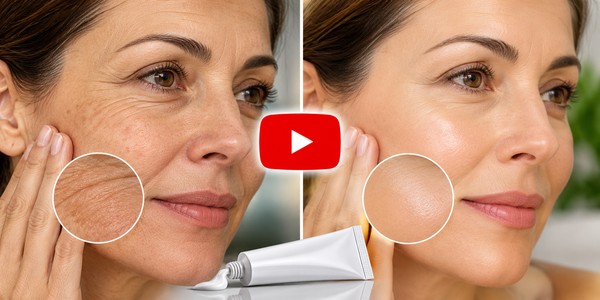
👉 DON’T TRY THIS “HOW LONG DOES TRETINOIN TAKE TO WORK?” UNTIL YOU SEE THIS
However, viral skincare routines often promise dramatic results within days. Understanding the real tretinoin timeline, proper application techniques, and potential side effects helps set realistic expectations and avoid unnecessary irritation.
How Long Does Tretinoin Take to Work? Week-by-Week Timeline
Tretinoin results depend on skin type, treatment strength, application frequency, and the condition being treated.
| Treatment period | Expected skin changes |
| Week 1–2 | Possible dryness, peeling, and sensitivity |
| Week 3–4 | Early improvements or temporary breakouts |
| Week 5–6 | Some reduction in clogged pores |
| Week 7–8 | Gradual improvement in acne |
| Week 9–12 | More noticeable acne reduction |
| Month 3–4 | Smoother texture and gradual fading of discoloration |
| Month 4–6 | Visible improvements in some fine lines |
| Month 6–12 | Continued improvement with consistent treatment |
These are approximate milestones, not guaranteed results. Some patients improve earlier, while others need adjustments.
How Does Tretinoin Work on the Skin?
Tretinoin binds to retinoic acid receptors within skin cells, influencing cellular differentiation and normalizing the shedding of dead skin cells.
This mechanism helps reduce clogged pores, prevent new acne lesions, and improve certain pigmentation concerns.
For photoaging, tretinoin influences collagen production and the remodeling of sun-damaged skin.
These biological processes develop gradually, explaining why consistent treatment generally matters more than increasing product strength.
How Long Does Tretinoin Take to Work for Acne?
Acne improvement often becomes noticeable within 8–12 weeks, though some people see earlier changes.
Tretinoin is particularly useful for comedonal acne, including blackheads and whiteheads.
Inflammatory acne may require additional treatments depending on severity.
👉 DON’T TRY THIS “HOW LONG DOES TRETINOIN TAKE TO WORK?” UNTIL YOU SEE THIS
Does Tretinoin Make Acne Worse Before Better?
Some users experience temporary breakouts during early treatment, commonly described as tretinoin purging.
However, not every breakout represents purging. Irritation, unsuitable skincare products, and worsening acne may produce similar symptoms.
Persistent painful breakouts or significant inflammation should be evaluated by a dermatologist.
How Long Does Tretinoin Take to Work for Wrinkles?
Tretinoin generally requires several months to improve visible signs of photoaging.
Fine lines, rough texture, and uneven pigmentation may gradually become less noticeable after approximately 3–6 months.
Clinical research supports topical tretinoin for long-term improvement in certain signs of sun-damaged skin.
However, deep wrinkles and significant sagging usually require different treatment approaches.
How Long Does Tretinoin Take to Fade Dark Spots?
Dark spots from previous acne, known as post-inflammatory hyperpigmentation, may gradually fade over several months.
Results depend on pigmentation depth, skin tone, inflammation, and sun exposure.
Daily sunscreen is particularly important because ultraviolet radiation can worsen discoloration.
Tretinoin alone may not adequately treat every pigmentation disorder, including melasma.
Tretinoin Before and After: What Results Are Realistic?
Online before-and-after photographs frequently show dramatic skin transformations.
However, lighting, filters, makeup, and camera settings can exaggerate treatment results.
Realistic improvements generally include fewer acne lesions, smoother texture, and gradual reduction in discoloration.
Photographing your skin monthly under consistent lighting provides a more reliable comparison.
Avoid expecting another person’s results to match your individual treatment timeline.
Tretinoin 0.025% vs. 0.05% vs. 0.1%: Which Works Faster?
Tretinoin is available in different concentrations and formulations.
Higher concentrations may produce greater irritation without guaranteeing proportionally faster long-term improvement.
For beginners, dermatologists often start with lower strengths to improve tolerability.
The best concentration depends on skin sensitivity, treatment goals, and how your skin responds.
Important: Increasing concentration without medical guidance may worsen irritation and disrupt consistent treatment.
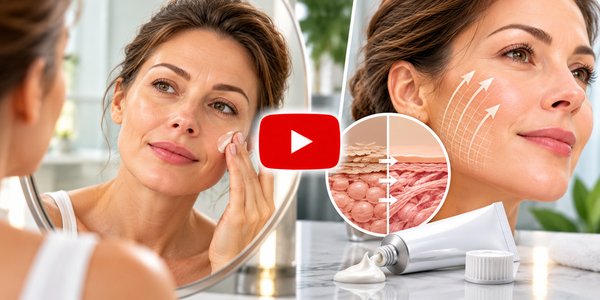
👉 DON’T TRY THIS “HOW LONG DOES TRETINOIN TAKE TO WORK?” UNTIL YOU SEE THIS
Trending Tretinoin Hacks in 2026: Do They Actually Work?
Social media increasingly promotes skincare techniques that claim to speed up tretinoin results. Some methods improve comfort, while others lack sufficient scientific evidence.
1. Tretinoin Sandwich Method
The sandwich method involves applying moisturizer, then tretinoin, and finishing with another layer of moisturizer.
This approach may reduce dryness and improve tolerance, particularly among beginners.
However, it does not guarantee faster wrinkle reduction or acne clearance.
2. Skin Cycling With Tretinoin
Skin cycling alternates treatment nights with recovery nights.
Supporters claim this approach prevents irritation while maintaining skincare benefits.
Although reduced application frequency may improve tolerance, no universal skin-cycling schedule has been proven superior.
3. Tretinoin and Azelaic Acid
Combining tretinoin with azelaic acid has gained attention for acne and hyperpigmentation.
Both ingredients address different skin concerns, but combining them may increase irritation.
Dermatologist supervision is recommended when introducing multiple active treatments.
4. Does Slugging Over Tretinoin Help?
Slugging involves applying petroleum jelly or another occlusive moisturizer over skincare products.
Although occlusive products can reduce moisture loss, heavy layering over tretinoin may worsen irritation in sensitive individuals.
This technique isn’t necessary for successful treatment.
👉 DON’T TRY THIS “HOW LONG DOES TRETINOIN TAKE TO WORK?” UNTIL YOU SEE THIS
How to Use Tretinoin for Faster, Safer Results
A consistent routine supports treatment effectiveness while minimizing unnecessary irritation.
- Cleanse gently: Wash your face using a mild, fragrance-free cleanser.
- Let your skin dry: Applying tretinoin to damp skin may increase irritation.
- Apply a pea-sized amount: Spread a thin layer across the prescribed treatment area.
- Moisturize appropriately: Choose a gentle moisturizer containing supportive ingredients such as ceramides.
- Use sunscreen daily: Apply broad-spectrum SPF 30 or higher and reapply as needed.
Beginners may be advised to start with fewer application nights before gradually increasing frequency.
Follow your prescription rather than adopting an aggressive social-media routine.
Why Is Tretinoin Not Working After Three Months?
Several factors may explain limited improvement after approximately 12 weeks.
- Inconsistent application or frequent treatment interruptions.
- Incorrect concentration or unsuitable formulation.
- Severe acne requiring additional medication.
- Excessive irritation from combining skincare ingredients.
- Incorrect diagnosis or unrealistic treatment expectations.
A dermatologist can assess progress and determine whether adjustments are appropriate.
Tretinoin vs. Retinol: Which Gives Faster Results?
Tretinoin and retinol the both retinoids, but their biological activity differs.
Tretinoin is already in its active form, retinoic acid, whereas retinol requires conversion within the skin.
Prescription tretinoin has stronger clinical evidence for acne treatment and photoaging.
However, over-the-counter retinol may be better tolerated by some sensitive individuals.
The best choice depends on your treatment goals, not product popularity.
Common Tretinoin Mistakes That Delay Skin Improvement
Using excessive tretinoin does not automatically accelerate cellular changes.
Common mistakes include combining strong exfoliants, skipping moisturizer, switching products too often, and neglecting sun protection.
Another misconception is that severe peeling proves the treatment is working.
In reality, significant irritation may indicate reduced skin tolerance rather than greater effectiveness.
👉 DON’T TRY THIS “HOW LONG DOES TRETINOIN TAKE TO WORK?” UNTIL YOU SEE THIS
Tretinoin Side Effects and Safety Precautions
Common side effects include dryness, redness, peeling, stinging, and temporary irritation.
Severe swelling, blistering, or persistent discomfort requires professional assessment.
Tretinoin should be avoided during pregnancy and when planning pregnancy.
Individuals with eczema, rosacea, or compromised skin barriers may need specialized treatment guidance.
Avoid applying tretinoin to broken skin or sensitive areas unless specifically directed.
Conclusion: How Long Does Tretinoin Really Take to Work?
Tretinoin typically requires 6–12 weeks for noticeable acne improvement and approximately 3–6 months for visible changes in fine lines, dark spots, and skin texture.
While viral skincare hacks promise faster results, evidence supports consistent treatment, appropriate concentrations, moisturizing, and daily sun protection.
Early dryness doesn’t necessarily mean treatment failure, but persistent irritation warrants professional attention.
The key takeaway: Successful tretinoin treatment depends on patience, proper application, and realistic expectations, not aggressive routines or overnight transformation claims.
👉 DON’T TRY THIS “HOW LONG DOES TRETINOIN TAKE TO WORK?” UNTIL YOU SEE THIS
References
- Wikipedia – Tretinoin: Medical Uses, Mechanism, and Safety
https://en.wikipedia.org/wiki/Tretinoin
- Healthline – Tretinoin Cream: Skin Benefits, How to Use, and Side Effects
https://www.healthline.com/health/skin/tretinoin
- PubMed – Topical Tretinoin for Treating Photoaging: A Systematic Review
https://pubmed.ncbi.nlm.nih.gov/35620028/
About Us
