How Does ED Interact With Prostate Health? Causes & Treatment
Erectile dysfunction (ED) and prostate health are closely connected, but one does not always cause the other.
Prostate inflammation, urinary symptoms, certain prostate treatments, hormonal changes, and shared health conditions can affect a man’s ability to achieve or maintain an erection.
Understanding how ED interacts with prostate health can help men recognize potential warning signs, avoid misleading online remedies, and choose appropriate treatment.
Although prostate problems may contribute to sexual difficulties, ED can also result from diabetes, cardiovascular disease, stress, medication side effects, or other conditions.


The key is to identify the underlying cause rather than assume that every erection problem signals prostate disease.
What Is the Connection Between ED and Prostate Health?
The prostate is a small gland below the bladder that surrounds part of the urethra, the tube that carries urine out of the body. It produces fluid that contributes to semen.
An erection, however, depends on a coordinated interaction between the brain, nerves, blood vessels, hormones, and penile tissues.
The prostate is not directly responsible for producing an erection, but prostate disorders and their treatments can affect the systems involved in sexual function.
The relationship works in several ways:
- Inflammation: Prostatitis may cause pelvic pain, discomfort during ejaculation, and sexual difficulties.
- Urinary symptoms: Benign prostatic hyperplasia (BPH), or prostate enlargement, is associated with erectile and ejaculatory problems in some men.
- Treatment effects: Prostate surgery, radiation therapy, and certain medications can affect erections or ejaculation.
- Shared risk factors: Aging, diabetes, obesity, smoking, and cardiovascular disease can contribute to both ED and prostate-related symptoms.
Having one condition does not automatically mean that a man will develop the other.
 DON’T TRY THIS “ED INTERACT WITH PROSTATE HEALTH” UNTIL YOU SEE THIS
Can Prostate Problems Cause Erectile Dysfunction?
Yes. Some prostate conditions can contribute to ED, although the strength and nature of the connection vary depending on the condition.
1. Benign Prostatic Hyperplasia (BPH)
BPH is a noncancerous enlargement of the prostate that becomes more common with age. It can press against the urethra and make urination difficult.
Typical symptoms include:
- Frequent urination, particularly at night
- A weak or interrupted urine stream
- Difficulty starting urination
- A feeling that the bladder has not emptied completely
- Urgent or frequent trips to the bathroom
BPH does not directly cause ED in every man. However, studies have found an association between lower urinary tract symptoms and sexual dysfunction.
Sleep disruption, anxiety about urinary symptoms, changes in sexual confidence, and shared vascular or metabolic risk factors may all contribute.
2. Prostatitis and Prostate Inflammation
Prostatitis refers to inflammation of the prostate. Depending on the type, it may be caused by a bacterial infection or occur without an identifiable bacterial cause.
Possible symptoms include pelvic or perineal pain, painful urination, discomfort during ejaculation, and urinary frequency. Some men also experience reduced sexual desire or difficulty maintaining an erection.
Pain and inflammation can interfere with sexual activity, while persistent symptoms may create stress that further affects erectile function.
Important: Not all prostatitis is bacterial. Antibiotics are appropriate for certain bacterial infections but are not a universal treatment for chronic pelvic pain or nonbacterial prostatitis.
3. Prostate Cancer and Its Treatment
Prostate cancer does not necessarily cause ED in its early stages. Many men have no noticeable symptoms initially.
However, treatments can affect sexual function. Radical prostatectomy may damage or disturb the nerves and blood vessels involved in erections.
Radiation therapy can also affect erectile function over time, and androgen deprivation therapy can reduce testosterone, sexual desire, and erectile function.
The degree of change depends on factors such as age, baseline erectile function, cancer characteristics, treatment type, and nerve preservation.
Not every man experiences the same outcome, and erectile rehabilitation or medical treatments may help some men after treatment.
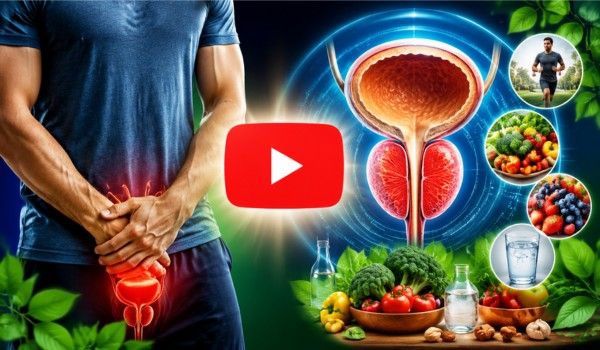
How Does ED Affect Prostate Health?
ED is primarily a sexual-function problem, not a disease of the prostate itself. Difficulty achieving an erection does not automatically mean that the prostate is enlarged, inflamed, or cancerous.
However, ED can sometimes serve as an early warning sign of broader health problems that may also affect urinary and reproductive health.
ED and Cardiovascular Health
An erection requires adequate blood flow into the penis. When blood vessels narrow or become damaged, erectile function may decline.
Conditions such as high blood pressure, diabetes, high cholesterol, and atherosclerosis can impair circulation. These conditions may occur alongside BPH or other prostate-related symptoms, particularly as men age.
New or persistent ED can therefore be an opportunity to assess cardiovascular risk, blood sugar, medications, and lifestyle factors rather than focusing exclusively on the prostate.
ED, Testosterone, and Sexual Desire
Testosterone plays an important role in sexual desire and contributes to normal erectile function. Low testosterone may cause reduced libido, fatigue, and sexual difficulties in some men.
However, most cases of ED cannot be explained by testosterone deficiency alone.
Testosterone treatment is not appropriate for everyone, and it should be considered only when symptoms and appropriately performed blood tests support a diagnosis.
Testosterone therapy also requires special consideration in men with prostate cancer or certain prostate-related risks.
Men should not use testosterone boosters or hormone products marketed online without medical evaluation.
DON’T TRY THIS “ED INTERACT WITH PROSTATE HEALTH” UNTIL YOU SEE THIS
Can an Enlarged Prostate Affect Erections?
An enlarged prostate can be associated with erectile dysfunction, but the relationship is complex.
BPH mainly affects urination. ED mainly affects the ability to achieve or maintain an erection.
Both conditions can develop at the same time because of aging, metabolic disease, vascular problems, or other shared factors.
Urinary symptoms may also interfere with intimacy. For example, repeated nighttime urination can cause fatigue, while urgency or concern about leakage can create anxiety during sexual activity.
Treating bothersome BPH symptoms may improve comfort and quality of life, but it does not guarantee that erectile function will return to normal.
Do BPH Medications Affect Sexual Function?
Some medications used for prostate enlargement can influence sexual function.
- Alpha-blockers: Medicines such as tamsulosin relax muscles around the prostate and bladder outlet. Some can cause ejaculation problems, dizziness, or changes in semen release.
- 5-alpha-reductase inhibitors: Finasteride and dutasteride reduce the hormonal activity that contributes to prostate enlargement. Possible sexual side effects include reduced libido, ED, and ejaculation changes.
- Combination treatment: Using more than one medicine may improve urinary symptoms for appropriate patients, but the potential side effects need to be considered.
Side effects vary from person to person. Do not stop or change a prescribed prostate medication without discussing the risks and alternatives with your healthcare professional.
Can ED Be a Sign of Prostate Cancer?
ED alone is not a reliable sign of prostate cancer. Many men with ED do not have prostate cancer, and many men with early prostate cancer have no symptoms.
ED may develop after prostate cancer treatment, especially surgery or radiation. Before treatment, erectile difficulties may instead reflect age, vascular disease, diabetes, psychological factors, or unrelated health conditions.
Symptoms such as blood in the urine or semen, persistent urinary changes, or unexplained pelvic discomfort warrant medical assessment, although these symptoms can have causes other than cancer.
Men should discuss their individual risk factors and whether prostate-specific antigen (PSA) testing is appropriate.
PSA is not a definitive cancer test; results can be affected by several prostate conditions and require interpretation alongside other clinical information.

How Is ED Related to Prostate Surgery?
Prostate surgery can affect erections, particularly when the procedure involves removing the prostate to treat cancer.
The nerves responsible for erections run close to the prostate. Although surgeons may use nerve-sparing techniques when medically appropriate, nerve preservation cannot always be achieved, and erectile function may take months or longer to recover.
Possible changes after prostate surgery include:
- Difficulty achieving or maintaining an erection
- Reduced or absent semen during orgasm
- Changes in orgasmic sensation
- Temporary or persistent changes in sexual confidence
Removing the prostate usually means that semen is no longer ejaculated in the usual way, although orgasm may remain possible. This is different from ED, which concerns erection quality.
After surgery, a urologist may discuss erectile rehabilitation, PDE5 inhibitor medicines, vacuum erection devices, injections, or other options based on recovery and individual circumstances.
DON’T TRY THIS “ED INTERACT WITH PROSTATE HEALTH” UNTIL YOU SEE THIS
Evidence-Based Ways to Improve ED and Support Prostate Health
There is no single food, supplement, or home remedy that reliably treats both ED and prostate disease.
A more effective approach is to identify the cause of the symptoms and address modifiable risk factors.
1. Follow a Heart-Healthy Eating Pattern
Choose a balanced diet containing vegetables, fruits, whole grains, legumes, nuts, and appropriate sources of protein. Limit excessive amounts of highly processed foods, added sugars, and saturated fats.
A heart-healthy eating pattern supports blood vessel function, which is important for erections. It may also help with weight and metabolic health.
No particular food has been proven to cure ED or shrink an enlarged prostate on its own.
2. Maintain a Healthy Weight
Excess body weight is associated with increased risks of diabetes, cardiovascular disease, and erectile dysfunction. Gradual, sustainable weight management may improve some of these risk factors.
Choose realistic dietary changes rather than extreme fasting, restrictive diets, or unverified prostate-cleansing programs.
3. Stop Smoking and Limit Alcohol
Smoking can damage blood vessels and impair circulation, potentially contributing to ED. Quitting smoking supports overall cardiovascular health.
Excessive alcohol consumption can also interfere with erections and sexual desire. Reducing alcohol intake may help, especially when drinking contributes to sexual difficulties.
4. Prioritize Sleep and Stress Management
Poor sleep, fatigue, depression, performance anxiety, and relationship stress can contribute to erectile difficulties.
Aim for a consistent sleep schedule and seek support when stress or mood changes affect sexual function. Persistent loud snoring or excessive daytime sleepiness may also warrant evaluation for sleep apnea.
These measures support general health, but they should not replace an assessment of persistent ED or urinary symptoms.
5. Discuss ED Treatments With a Healthcare Professional
Treatment depends on the underlying cause, medical history, and preferences.
Common options include:
- PDE5 inhibitors: Sildenafil and tadalafil improve erectile response by enhancing blood-flow signaling. They do not directly cure prostate disease.
- Hormone evaluation: Testosterone testing may be appropriate when symptoms suggest deficiency.
- Vacuum erection devices: These help draw blood into the penis and may be useful for selected patients.
- Psychological or couples therapy: This can help when anxiety, depression, or relationship difficulties contribute to ED.
- Specialist treatment: Penile injections or implants may be considered when other treatments are unsuitable or ineffective.
PDE5 inhibitors must not be combined with nitrate medications because the combination can cause a dangerous drop in blood pressure.
A clinician or pharmacist should review potential interactions and other contraindications.
DON’T TRY THIS “ED INTERACT WITH PROSTATE HEALTH” UNTIL YOU SEE THIS
Viral ED and Prostate Health Remedies: What Actually Works?
Online searches often promote quick fixes for men’s sexual health, including baking soda drinks, herbal mixtures, salt-based tricks, and prostate supplements.
These claims can sound convincing, but social media popularity is not evidence of effectiveness.
Here is how to evaluate some common claims.
| Trending claim | What the evidence supports |
| Baking soda improves erections | There is no reliable clinical evidence that drinking baking soda treats ED or prostate enlargement. |
| A particular salt trick boosts male performance | No specific salt mixture has been established as a treatment for ED. Excess sodium may worsen blood pressure in susceptible people. |
| Prostate supplements restore erections | Evidence varies by ingredient, and many supplements lack strong clinical evidence for treating ED. |
| One food can shrink the prostate quickly | No individual food has been proven to rapidly shrink an enlarged prostate or cure ED. |
| Improving prostate health automatically cures ED | Not necessarily. ED can have independent vascular, hormonal, medication-related, or psychological causes. |
Are Herbal Supplements Safe?
Some men explore herbal products marketed for prostate health, libido, or testosterone support. However, supplement quality, ingredient concentrations, and clinical evidence vary.
Potential concerns include drug interactions, contamination, and undeclared pharmaceutical ingredients. Supplements may also delay the diagnosis of an underlying condition.
Before using a prostate or sexual-performance supplement, review the ingredients with a qualified healthcare professional, particularly if you take prescription medication or have cardiovascular disease.
The practical takeaway: Be cautious of any product promising an immediate erection, a guaranteed testosterone boost, or a permanent prostate cure without clinical evidence.
Common Mistakes Men Should Avoid
A few misconceptions can delay effective treatment.
- Assuming ED always means prostate disease: Erectile difficulties have many possible causes.
- Ignoring persistent symptoms: Repeated erection problems deserve evaluation, even when urinary symptoms are absent.
- Stopping prostate medication independently: A change may worsen urinary symptoms or disrupt an effective treatment plan.
- Using testosterone without testing: Unnecessary hormone treatment can cause harm and may be inappropriate for some men.
- Relying exclusively on home remedies: Lifestyle changes can support health but cannot replace diagnosis or treatment when needed.
- Avoiding the subject out of embarrassment: ED is a common medical concern, and clinicians routinely assess it.
When Should You See a Doctor?
Arrange an appointment with a healthcare professional if you experience persistent ED, painful ejaculation, recurring urinary difficulties, a weak urine stream, or a noticeable change in sexual function.
An evaluation may include:
- Medical and sexual history
- Review of prescription medicines and supplements
- Blood pressure and physical examination
- Blood tests for diabetes, cholesterol, or testosterone when indicated
- Urine testing or prostate assessment when symptoms suggest a urinary or prostate condition
Seek urgent medical attention for an inability to urinate, fever or chills accompanied by painful urination or pelvic pain, or severe sudden symptoms. An erection lasting four hours or longer is also a medical emergency.
Early assessment can help identify treatable conditions and prevent complications.
Conclusion
How ED interacts with prostate health depends on the underlying condition.
Prostatitis, BPH-related urinary symptoms, prostate cancer treatments, and certain medications can contribute to sexual difficulties, while shared risk factors such as diabetes and cardiovascular disease may affect both urinary and erectile function.
The most effective approach is to identify the cause, manage relevant health conditions, review medications, and consider evidence-based ED treatments when appropriate.
Healthy eating, smoking cessation, weight management, and good sleep can support overall health, but viral remedies and unproven supplements should not replace medical care.
The final takeaway: ED does not automatically mean you have a prostate problem, and prostate treatment does not always resolve ED. Persistent symptoms deserve a proper evaluation because many causes of erectile dysfunction are treatable.
References
- Wikipedia — Erectile Dysfunction: https://en.wikipedia.org/wiki/Erectile_dysfunction
- WebMD — Erectile Dysfunction: https://www.webmd.com/erectile-dysfunction/default.htm
- Healthline — Benign Prostatic Hyperplasia (BPH): https://www.healthline.com/health/benign-prostatic-hyperplasia
About Us