
Glutathione Peptide Benefits: Uses, Safety & Side Effects
Glutathione peptide benefits include antioxidant protection, healthy immune function, liver detoxification support, and cellular health.
Glutathione may also help improve certain aspects of skin pigmentation, although cosmetic results vary and research remains limited.
Glutathione is a naturally occurring antioxidant peptide made from three amino acids: glutamate, cysteine, and glycine. It helps protect cells against oxidative stress while supporting normal metabolic processes.
In 2026, interest in glutathione has expanded through skincare routines, liposomal supplements, anti-aging treatments, and viral glutathione injection trends.
Understanding which benefits have scientific support helps consumers make informed decisions.
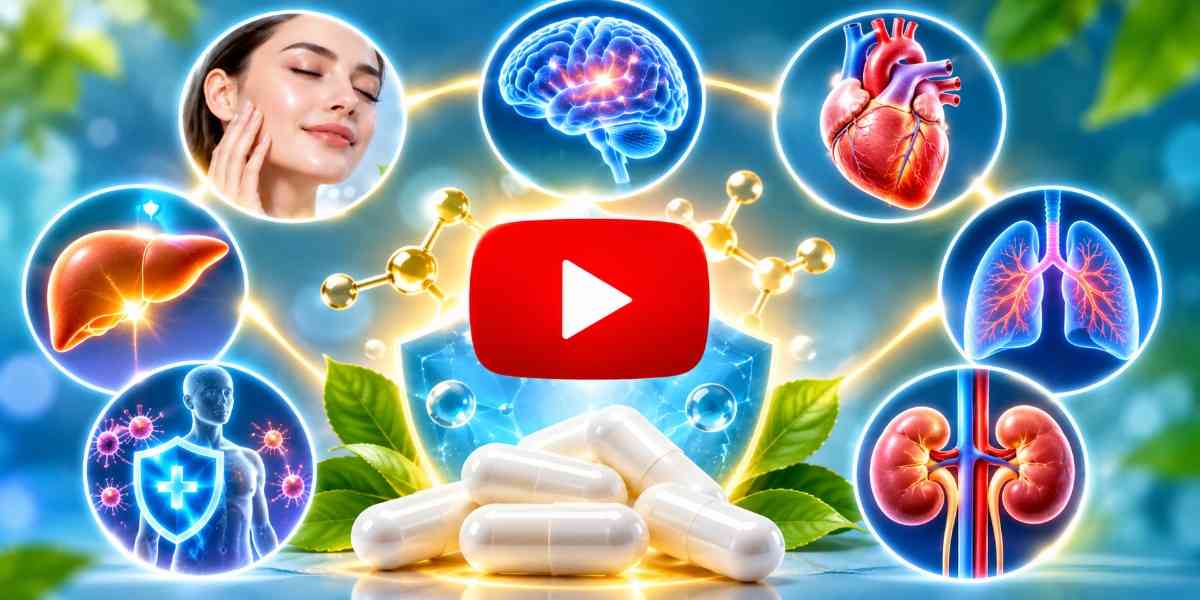

This guide explains the benefits of glutathione peptides, research on skin brightening, supplementation methods, potential side effects, and practical ways to maintain healthy glutathione levels.
What Is Glutathione Peptide?
Glutathione is a naturally produced tripeptide found throughout the human body. Its primary function is to maintain antioxidant defenses and protect cellular structures from excessive oxidative damage.
The body produces glutathione using three amino acids obtained through normal metabolism and nutrition. The liver, brain, lungs, and immune cells depend on glutathione for important biological processes.
Glutathione exists in reduced and oxidized forms, commonly called GSH and GSSG. Their balance helps researchers understand cellular antioxidant activity.
Unlike collagen peptides, glutathione primarily supports antioxidant reactions and cellular metabolism. These functions explain its growing popularity in nutritional supplements and wellness discussions.
How Does Glutathione Peptide Work?
Glutathione helps neutralize reactive oxygen species, unstable molecules generated during energy production, inflammation, and environmental exposure.
Excessive reactive oxygen species can damage proteins, cellular membranes, and DNA. Glutathione participates in protective enzyme systems that help regulate these reactions.
Glutathione also contributes to liver detoxification through chemical reactions that prepare certain compounds for elimination.
However, normal glutathione activity does not automatically mean that taking additional supplements improves health. Supplementation benefits depend on individual needs, dosage, and clinical evidence.
Top 7 Glutathione Peptide Benefits
1. Powerful Antioxidant Protection
Glutathione is essential for controlling oxidative stress and protecting cells against excessive free radical activity.
Its antioxidant functions support cellular stability, healthy metabolism, and normal physiological processes throughout the body.
2. Supports Healthy Skin Appearance
Glutathione may influence melanin production, which contributes to skin pigmentation. Small studies suggest certain formulations can modestly improve pigmentation measurements.
However, skin brightening isn’t guaranteed, and research hasn’t established permanent changes in natural skin color.
3. Supports Liver Detoxification
Glutathione participates in liver enzyme pathways that process certain medications, environmental substances, and metabolic byproducts.
This natural activity supports normal liver function, but supplements have not been proven to cleanse the liver or remove all toxins.
4. Helps Maintain Immune Function
Immune cells depend on antioxidant balance for communicate and respond to infection.
Glutathione contributes to these processes, although evidence remains insufficient to conclude that supplementation prevents common illnesses.
5. Supports Healthy Aging Processes
Glutathione helps protect cellular structures from oxidative damage associated with normal aging.
Researchers are investigating its potential role in healthy aging, but glutathione supplements have not been proven to reverse aging or extend human lifespan.
6. Supports Brain and Nerve Health
Brain cells require effective antioxidant systems because they consume substantial energy and produce reactive oxygen species.
Glutathione supports normal neurological metabolism, although it is not an established treatment for neurological diseases.
7. Contributes to Cellular Energy Metabolism
Glutathione supports mitochondrial antioxidant defenses, helping cells manage oxidative stress during energy production.
However, this biological function does not establish glutathione supplements as reliable energy boosters for healthy adults.
Glutathione Peptide Benefits for Skin Brightening
Glutathione for skin brightening is among the most searched cosmetic applications of this antioxidant.
Researchers believe glutathione may influence tyrosinase activity, an enzyme involved in melanin synthesis. It may also affect pathways controlling different melanin pigments.
A 2025 systematic review reported pigmentation improvements in several oral and topical glutathione studies.
However, researchers also identified limitations involving study quality, treatment duration, and adverse effects.
Does Glutathione Help With Dark Spots?
Glutathione may influence pigmentation pathways involved in uneven skin tone and certain hyperpigmentation conditions.
Nevertheless, dark spots have multiple causes, including sun exposure, inflammation, and hormonal changes. Dermatological evaluation helps identify appropriate treatment.
Can Glutathione Reduce Wrinkles?
Some preliminary studies suggest topical glutathione formulations may improve wrinkle and skin-texture measurements.
These findings are promising but insufficient to establish glutathione as a proven anti-wrinkle treatment.
Viral Glutathione Trends: What Does Science Say?
➢ Glutathione IV Drips for Glowing Skin
Glutathione IV drips have gained attention through beauty clinics and social media wellness content.
Despite popularity, evidence supporting intravenous glutathione for cosmetic skin lightening remains inadequate. Potential risks include allergic reactions, infection, and serious treatment complications.
➢ Liposomal Glutathione for Better Absorption
Liposomal glutathione supplements use lipid-based delivery systems intended to improve absorption.
Early research suggests certain formulations may influence glutathione measurements. However, higher absorption does not necessarily produce better clinical outcomes.
➢ Glutathione and Vitamin C Combination
Combining glutathione with vitamin C is a popular antioxidant skincare trend.
Both participate in antioxidant systems, but evidence does not establish that combining supplements produces dramatically brighter skin.
➢ Glutathione Before Bed Hack
Some online wellness videos recommend taking glutathione before bed to support overnight cellular repair.
Currently, reliable clinical evidence does not establish bedtime as the best supplementation schedule.
Oral Glutathione vs Liposomal vs Injections
| Form | Main characteristic | Evidence |
| Oral glutathione | Convenient capsules or tablets | Limited human studies |
| Liposomal glutathione | Lipid-based delivery formulation | Preliminary absorption research |
| Topical glutathione | Applied directly to skin | Small dermatology studies |
| Glutathione injections | Direct administration | Significant cosmetic safety concerns |
For cosmetic goals, injectable glutathione should not be considered a safer or more effective shortcut.
How Long Does Glutathione Take to Work?
Glutathione supplementation timelines vary depending on the formulation, treatment goal, and individual characteristics.
Some skin pigmentation studies evaluated changes after approximately four to eight weeks. These research periods do not guarantee visible results.
Antioxidant measurements may change without producing noticeable improvements in appearance, energy, or overall health.
Individuals considering supplements should prioritize appropriate medical guidance over promises of immediate transformations.
How to Increase Glutathione Naturally
Supporting natural glutathione production begins with balanced nutrition and healthy daily habits.
- Protein-rich foods: Eggs, fish, legumes, and poultry provide amino acids involved in glutathione synthesis.
- Cruciferous vegetables: Broccoli, cabbage, and Brussels sprouts contain sulfur-containing compounds.
- Vitamin C foods: Citrus fruits, berries, and peppers support normal antioxidant functions.
- Regular exercise: Moderate physical activity supports overall metabolic and antioxidant health.
- Adequate sleep: Consistent sleep supports normal cellular maintenance and recovery.
These habits support overall wellness, but they do not guarantee measurable increases in glutathione concentrations.
Glutathione Peptide Side Effects and Safety
Glutathione supplements may cause abdominal discomfort, bloating, nausea, or allergic reactions in certain individuals.
Long-term safety information remains limited, particularly for high doses, injectable preparations, and cosmetic treatment combinations.
Pregnant individuals, breastfeeding mothers, and people receiving medical treatment should consult qualified healthcare professionals before supplementation.
Common Mistakes When Using Glutathione
Many consumers expect immediate skin whitening or dramatic anti-aging results after starting glutathione supplements.
However, clinical studies suggest cosmetic improvements, when present, are generally modest and may not persist after discontinuation.
Another mistake involves assuming higher doses produce better outcomes. Appropriate supplementation depends on individual circumstances and product safety.
Consumers should also avoid unverified injectable products, exaggerated testimonials, and unsupported detoxification promises.
Conclusion
Glutathione peptide benefits primarily involve antioxidant protection, cellular health, immune regulation, and normal liver detoxification processes.
These established biological functions make glutathione important for maintaining overall health.
Emerging research also suggests potential applications in skin pigmentation and cosmetic dermatology.
However, evidence supporting permanent skin whitening, wrinkle reduction, and anti-aging supplementation remains limited.
Popular trends involving liposomal glutathione, vitamin C combinations, and intravenous treatments deserve careful evaluation because popularity does not establish effectiveness or safety.
The key takeaway: Glutathione is an essential natural antioxidant with promising research applications, but healthy lifestyle habits and evidence-based medical guidance remain the most reliable foundations for long-term wellness.
External References
- Wikipedia – Glutathione https://en.wikipedia.org/wiki/Glutathione
- Healthline – Glutathione Benefits https://www.healthline.com/health/glutathione-benefits
- PubMed – Glutathione as a Skin-Lightening Agent and in Melasma https://pubmed.ncbi.nlm.nih.gov/39444151/
About Us
