GLP-1 Provider Cancellation Policy – Patient Guide 2026
Introduction
The rise of GLP-1 medications such as semaglutide and tirzepatide has transformed modern weight management and metabolic care.
Alongside this growth, a new healthcare model has emerged—telehealth-based GLP-1 providers offering subscription-style treatment plans that include medical consultations, prescriptions, and ongoing monitoring.
While these programs provide convenience and accessibility, one of the most overlooked but critical aspects of enrollment is the GLP-1 provider cancellation policy.
Many patients focus on pricing and effectiveness but fail to understand how cancellation works, when charges stop, and whether there are penalties or restrictions.
This comprehensive guide explains everything you need to know about cancellation rules across GLP-1 telehealth providers, what to watch out for, how billing cycles work, refund expectations, and how to protect yourself from unexpected charges.
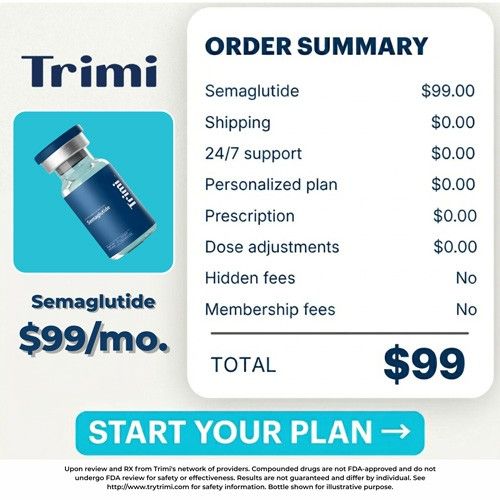
GLP-1 medications work by mimicking gut hormones – reducing appetite, slowing digestion, improving insulin response, and supporting weight loss.
What Is a GLP-1 Provider Cancellation Policy?
A GLP-1 provider cancellation policy is the set of rules that governs how patients can stop their subscription with a telehealth weight-loss or metabolic care provider. It defines:
- How and when you can cancel your plan
- Whether cancellation must happen before a billing date
- If refunds are available
- Whether medical services continue after cancellation
- How prescription fulfillment is affected
Most GLP-1 programs operate on a monthly subscription model, meaning cancellation policies are closely tied to billing cycles rather than to one-time purchases.
In simple terms, the cancellation policy determines whether you can stop your plan easily—or whether you must time it carefully to avoid being charged for another cycle.
Why Cancellation Policies Matter in GLP-1 Telehealth Programs
GLP-1 treatments are typically long-term medical therapies. As a result, telehealth providers structure their services as ongoing memberships rather than one-time prescriptions.
Understanding cancellation rules is important because:
- Billing is usually automatic and recurring
- Medication shipments may be prepared in advance
- Refunds are often limited or conditional
- Medical services may stop immediately after cancellation
- Some providers require advance notice (24–72 hours or more)
For example, many telehealth subscription services require patients to cancel before the next renewal date to avoid being charged for the upcoming cycle.
Without awareness of these conditions, patients may unintentionally pay for an additional month of treatment.
👉 GLP-1 Starting At $59 Per Month – 100% Online
Common Types of GLP-1 Provider Cancellation Policies
While policies vary across companies, most GLP-1 telehealth providers follow a few common structures.
1. Cancel Anytime (End-of-Cycle Termination)
This is the most common model. Patients can cancel at any time, but:
- Cancellation takes effect at the end of the current billing period
- Services continue until that period ends
- No partial refunds are issued
Many platforms, such as telehealth membership services, use this structure, allowing users to maintain access until their subscriptions expire.
2. Advance Notice Cancellation Requirement
Some providers require cancellation to be submitted before a specific cutoff, such as:
- 24 hours before renewal
- 48 hours before billing
- 72 hours before the next charge
If you miss the cutoff, your subscription may renew automatically for another cycle.
This is particularly important for GLP-1 programs where medication is prepared or shipped on a scheduled cycle.
3. Medication Shipment-Based Cancellation
In some cases, cancellation depends on shipment status:
- If medication has already been processed, cancellation applies to the next cycle
- If the shipment is pending, cancellation may stop fulfillment
- Once shipped, cancellation cannot reverse charges
This model is common in pharmacy-integrated telehealth programs.
4. Refund-Restricted Cancellation Policies
Some providers explicitly state:
- No refunds after billing
- Refunds only if medically disqualified before treatment begins
- No refunds for partially used months
This is common in subscription-based medical services, where operational costs are incurred immediately after billing.

How GLP-1 Provider Billing Cycles Work
Understanding billing cycles is essential for properly managing cancellations.
Most GLP-1 telehealth providers use:
28–30 Day Billing Cycles
- Charges occur monthly or every 28 days
- Renewal happens automatically unless canceled
- Medication access continues during the cycle
Subscription Renewal Rules
- Renewals are often processed automatically
- Patients are responsible for canceling before renewal
- Failure to cancel results in another billing cycle
For example, many telehealth agreements clearly state that subscriptions automatically renew unless canceled in advance of the next billing date.
👉 Try the Best GLP-1 of 2026 That’s Working for Thousands
When You Should Cancel a GLP-1 Subscription
Patients may choose to cancel for several reasons:
1. Medical Side Effects or Intolerance
Some patients experience nausea, fatigue, or gastrointestinal issues that require stopping treatment.
2. Cost Concerns
GLP-1 medications can be expensive without insurance coverage.
3. Switching Providers
Patients may find better pricing or care elsewhere.
4. Treatment Completion
Some individuals reach their weight-loss goals and discontinue use.
5. Insurance Coverage Changes
Coverage updates may reduce out-of-pocket costs or shift provider options.
What Happens After You Cancel a GLP-1 Provider
Cancellation does not always mean immediate service termination. Typically:
- You retain access until the end of the billing cycle
- No new prescriptions are issued after cancellation
- Medication shipments stop after the current cycle
- Medical support may end or become limited
In most telehealth systems, patients keep access until the subscription period expires.
Refund Policies in GLP-1 Programs
Refund rules are one of the strictest parts of cancellation policies.
Common Refund Scenarios:
- ✔ Refund if medically disqualified before treatment begins
- ✔ Refund if billing error occurs
- ❌ No refund after medication is dispensed
- ❌ No refund after subscription is active (in most cases)
Because GLP-1 medications are prescription-based, providers generally cannot take returns once a drug is shipped.
👉 Forbes Reveals Clear GLP-1 Winner For Affordability 2026
Hidden Clauses Patients Should Watch For
Not all cancellation policies are straightforward. Here are key things to look for:
1. Automatic Renewal Terms
Subscriptions renew unless explicitly canceled.
2. “No Refund After Billing” Clauses
Once charged, money may not be recoverable.
3. Cancellation Method Restrictions
Some require cancellation via:
- Phone call
- Patient portal
- Email request
4. Medication Fulfillment Timing
If medication is processed, cancellation may not stop charges.
5. Consultation Fees vs Medication Fees
Some providers separate billing, meaning canceling one part does not cancel the other.
How to Cancel a GLP-1 Provider Subscription?
Although each provider differs, the general process is:
Step 1: Log in to Your Patient Portal
Most cancellations begin in your online account.
Step 2: Navigate to “Subscription” or “Billing”
Look for membership management settings.
Step 3: Select “Cancel Membership”
Follow the prompts carefully.
Step 4: Confirm Cancellation Before Renewal Date
Timing is critical to avoid charges.
Step 5: Save Confirmation
Always keep cancellation confirmation emails or receipts.
👉 Get GLP-1 At $59 Per Month (Limited Time Offer)
Tips to Avoid Unexpected Charges
To protect yourself financially:
- Cancel at least 48–72 hours before renewal
- Check billing dates regularly
- Avoid waiting until the last day
- Read refund terms before signing up
- Confirm cancellation in writing
- Track medication shipment schedules
Red Flags in GLP-1 Cancellation Policies
Be cautious if you see:
- No clear cancellation instructions
- Hidden fees for ending the subscription
- No written refund policy
- Difficult-to-reach customer support
- Confusing billing descriptions
Transparent providers clearly explain cancellation rules upfront.
The Future of GLP-1 Subscription Models
The GLP-1 market is rapidly evolving. New subscription models are being introduced with:
- Multi-month billing discounts
- Bundled care packages
- Expanded telehealth support systems
- More predictable pricing structures
As the industry grows, regulators and providers are also placing greater emphasis on transparency and patient rights, especially regarding subscription cancellation and billing clarity.
Conclusion
The GLP-1 provider cancellation policy is a crucial but often overlooked part of starting telehealth-based weight management treatment.
While GLP-1 programs offer convenient access to modern medical therapies, they also operate on structured subscription systems with strict billing cycles and defined cancellation rules.
Understanding how cancellation timing, refund eligibility, automatic renewals, and medication processing work can help patients avoid unnecessary charges and manage their treatment responsibly.
Before enrolling in any GLP-1 program, always review the cancellation policy carefully, track your billing schedule, and ensure you understand how and when you can stop treatment without financial complications.
About Us