
GLP-1 for Sleep Apnea: Does It Really Work in 2026?
GLP-1 for sleep apnea is a promising treatment approach that can reduce breathing interruptions during sleep, particularly in adults with obesity and moderate-to-severe obstructive sleep apnea (OSA).
These medications support weight loss, which can reduce fatty tissue around the upper airway and improve nighttime breathing.
In December 2024, the FDA approved Zepbound (tirzepatide) as the first medication specifically indicated for obstructive sleep apnea in adults with obesity.
Research published through 2026 has strengthened interest in GLP-1 medications, sleep apnea improvement, and alternatives to traditional CPAP therapy.
However, GLP-1 injections are not suitable for everyone, and weight loss does not guarantee complete resolution of sleep apnea.
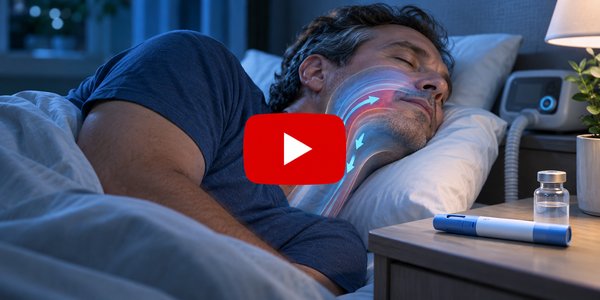
👉 DON’T TRY THIS “GLP-1 FOR SLEEP APNEA:” UNTIL YOU SEE THIS
Understanding FDA approvals, clinical results, safety considerations, and emerging treatments is essential before considering medication.
What Is GLP-1 for Sleep Apnea?
GLP-1 stands for glucagon-like peptide-1, a hormone that helps regulate appetite, blood sugar, and digestion. GLP-1 receptor agonists mimic its activity, encouraging fullness and supporting weight management.
Popular medications include semaglutide, marketed as Ozempic and Wegovy, and tirzepatide, marketed as Mounjaro and Zepbound.
Tirzepatide activates both GLP-1 and glucose-dependent insulinotropic polypeptide (GIP) receptors, distinguishing it from traditional GLP-1 medications.
For sleep apnea, weight reduction is particularly important because excess fat around the tongue, neck, and abdomen can contribute to upper airway obstruction.
Reducing these physical pressures may improve airflow, oxygen levels, and sleep apnea severity.
How Does GLP-1 Help With Sleep Apnea?
➢ Reduces Fat Around the Upper Airway
Obesity increases the likelihood of airway narrowing during sleep. Fat deposits surrounding the throat and tongue can contribute to repeated breathing interruptions.
GLP-1-based weight management may reduce these deposits, helping improve airway stability and nighttime breathing.
➢ Decreases Sleep Apnea Events
Sleep apnea severity is measured using the apnea-hypopnea index (AHI), representing breathing interruptions per hour.
Clinical trials demonstrate that tirzepatide can significantly reduce AHI in eligible adults with obesity-related obstructive sleep apnea.
👉 DON’T TRY THIS “GLP-1 FOR SLEEP APNEA:” UNTIL YOU SEE THIS
➢ Improves Metabolic Health
GLP-1 medications may improve blood sugar regulation, blood pressure, and several obesity-related metabolic risk factors.
These benefits can be particularly relevant because obstructive sleep apnea frequently occurs alongside diabetes, hypertension, and cardiovascular disease.
Is GLP-1 FDA-Approved for Sleep Apnea?
Zepbound received FDA approval in December 2024 for moderate to severe obstructive sleep apnea in adults with obesity.
The approval applies to tirzepatide treatment combined with reduced-calorie nutrition and increased physical activity.
Importantly, Ozempic, Wegovy, and Mounjaro should not automatically be considered FDA-approved sleep apnea medications simply because they affect similar hormonal pathways.
Medication eligibility depends on diagnosis, body weight, medical history, and prescribing guidance.
Does Tirzepatide Really Work for Sleep Apnea?
The landmark SURMOUNT-OSA clinical trials investigated tirzepatide in 469 adults with obesity and moderate to severe obstructive sleep apnea.
Researchers evaluated participants using positive airway pressure therapy and those not receiving it.
After 52 weeks, tirzepatide reduced AHI by approximately 20 to 24 breathing events per hour more than placebo, depending on the trial.
Participants also experienced substantial weight loss and improvements in sleep apnea-related oxygen deprivation.
These findings provide meaningful evidence that treating obesity can reduce obstructive sleep apnea severity.
However, individual responses vary, and some patients continue requiring additional sleep apnea treatment.
Latest 2026 GLP-1 Sleep Apnea Research and Breakthroughs
Recent developments have expanded interest beyond injectable medications.
✅ New Oral GLP-1 Sleep Apnea Results
In November 2026, phase three trial results involving oral orforglipron showed reductions in sleep apnea severity among adults with obesity.
The research included participants receiving positive airway pressure therapy and others who were not using it.
These findings suggest oral GLP-1 treatment may eventually offer another option, although sleep apnea-specific regulatory approval remains necessary.

👉 DON’T TRY THIS “GLP-1 FOR SLEEP APNEA:” UNTIL YOU SEE THIS
✅ Cardiometabolic Research
A 2026 analysis of SURMOUNT-OSA examined how tirzepatide influences cardiovascular and metabolic risk factors.
Researchers identified improvements primarily associated with weight reduction, along with changes in sleep apnea-related measurements.
These results support further investigation but do not establish that GLP-1 medications prevent every cardiovascular complication associated with sleep apnea.
GLP-1 vs CPAP for Sleep Apnea: Which Is Better?
CPAP therapy and GLP-1 medications treat obstructive sleep apnea differently.
CPAP delivers continuous air pressure through a mask, helping prevent airway collapse during sleep.
Tirzepatide addresses obesity, an important underlying contributor to airway obstruction.
For some patients, combining medication with CPAP may provide additional benefits.
However, patients should not discontinue CPAP after starting GLP-1 treatment without medical reassessment and appropriate sleep testing.
How Much Weight Loss Can Improve Sleep Apnea?
Weight loss can meaningfully reduce obstructive sleep apnea severity, particularly when excess body fat contributes to airway narrowing.
Even moderate weight reduction may improve symptoms, although larger changes sometimes produce greater benefits.
However, no guaranteed weight-loss percentage cures sleep apnea.
Jaw anatomy, tongue position, age, and other physical factors can influence breathing independently of body weight.
A follow-up sleep study remains essential for evaluating improvement.
Viral GLP-1 Sleep Apnea Hacks: What Actually Helps?
Social media increasingly promotes quick solutions for nighttime breathing problems. Some strategies support healthy sleep, while others lack scientific evidence.
✔ Side Sleeping
Sleeping on your side may reduce airway obstruction in people with positional sleep apnea.
Specialized pillows and positional devices can help, although results depend on individual breathing patterns.
✔ Earlier Evening Meals
Avoiding heavy meals close to bedtime may reduce acid reflux and improve nighttime comfort.
However, meal timing alone is not an established treatment for obstructive sleep apnea.
✔ Protein and Strength Training
Adequate protein intake and resistance exercise may help preserve muscle during GLP-1-associated weight loss.
Maintaining muscle supports physical functioning but does not independently cure sleep apnea.
✔ Mouth Taping
Viral mouth-taping videos frequently promise improved breathing and reduced snoring.
However, evidence supporting mouth taping for sleep apnea remains insufficient, and restricting mouth breathing can be unsafe.
👉 DON’T TRY THIS “GLP-1 FOR SLEEP APNEA:” UNTIL YOU SEE THIS
GLP-1 for Sleep Apnea: Side Effects and Safety
Common tirzepatide side effects include nausea, vomiting, diarrhea, constipation, and abdominal discomfort.
Serious risks include pancreatitis, gallbladder disease, dehydration-related kidney injury, and severe allergic reactions.
Tirzepatide also carries a boxed warning concerning thyroid C-cell tumors observed in animal studies.
It is contraindicated in people with personal or family histories of medullary thyroid carcinoma or multiple endocrine neoplasia syndrome type two.
Recent safety updates have also highlighted a possible rare vision-threatening condition called nonarteritic anterior ischemic optic neuropathy.
Anyone experiencing sudden vision loss should seek urgent medical attention.
Medication decisions require individualized assessment, especially during pregnancy or when taking other diabetes medications.
Who Qualifies for GLP-1 Sleep Apnea Treatment?
Adults with obesity and confirmed moderate to severe obstructive sleep apnea may qualify for Zepbound.
Doctors consider sleep study results, body mass index, existing conditions, medication interactions, and treatment goals.
People with central sleep apnea require separate evaluation because their breathing disturbances involve different mechanisms.
A sleep specialist can determine whether medication, CPAP, oral appliances, or combination therapy is appropriate.
How to Start GLP-1 Treatment for Sleep Apnea
Patients should begin with a medical consultation and diagnostic sleep evaluation.
If medication is appropriate, clinicians prescribe treatment according to approved dosing instructions, gradually adjusting doses based on response and tolerability.
Regular follow-up helps assess weight changes, breathing symptoms, medication safety, and treatment effectiveness.
Patients should avoid unverified online injections, unauthorized dosing changes, and unsupported promises of immediate sleep apnea reversal.
Conclusion
GLP-1 for sleep apnea represents a significant advancement in managing obesity-related obstructive sleep apnea.
FDA-approved tirzepatide has demonstrated meaningful reductions in breathing interruptions, weight, and nighttime oxygen deprivation.
Emerging oral GLP-1 research may expand future treatment possibilities, but medication is not a universal cure or automatic CPAP replacement.
The most effective approach combines professional diagnosis, individualized treatment, sustainable weight management, and ongoing sleep monitoring.
For eligible adults, discussing tirzepatide with a qualified healthcare professional offers an evidence-based starting point toward better nighttime breathing and improved overall health.
👉 DON’T TRY THIS “GLP-1 FOR SLEEP APNEA:” UNTIL YOU SEE THIS
External References
- PubMed – Tirzepatide Reduced Sleep Apnea Events Compared With Placebo (2024)
https://pubmed.ncbi.nlm.nih.gov/39348697/
- Healthline – GLP-1 Drugs and Sleep Apnea Treatment
https://www.healthline.com/health-news/glp-1-drugs-tirzepatide-treat-sleep-apnea-with-cpap-review
- Wikipedia – Obstructive Sleep Apnea
https://en.wikipedia.org/wiki/Obstructive_sleep_apnea
About Us
