
GLP-1 Foods to Avoid: What to Limit and What to Eat Instead
If you take a GLP-1 medication, start by cutting back on large, greasy meals, fried foods, and rich sauces, especially if you feel nauseated or uncomfortably full.
Spicy foods, fizzy drinks, and alcohol may also aggravate symptoms. Most people can keep eating a wide variety of foods and adjust portions or ingredients according to what they tolerate.
Learn which foods to limit on GLP-1 medications, what to eat instead, and how to adjust meals when nausea, reflux, bloating, or constipation affects your day.
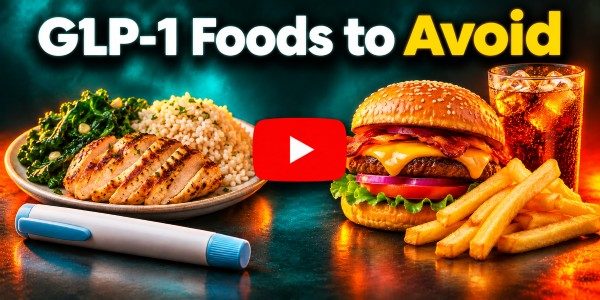
👉 DON’T TRY THIS “GLP-1 FOODS TO AVOID” UNTIL YOU SEE THIS
This approach applies to medicines such as semaglutide (Ozempic and Wegovy) and tirzepatide (Mounjaro and Zepbound), which acts on both GIP and GLP-1 receptors.
The most helpful changes depend on whether you have nausea, heartburn, diarrhea, or constipation. The instructions for taking your medicine also depend on the specific product and formulation.
Why some foods feel different on a GLP-1 medication
GLP-1–based medicines can slow how quickly food leaves the stomach and help you feel full sooner. A meal you used to finish comfortably may now leave you feeling stuffed halfway through.
Nausea and other digestive symptoms can show up when you first start treatment or after a dose increase. Constipation and diarrhea can also occur, and individual food triggers vary.
Think about the whole meal before blaming one ingredient. A double cheeseburger, fries, and soda combine a large portion, a lot of fat, and carbonation.
If that meal leaves you bloated, a smaller burger with still water is a more useful test than cutting out beef, bread, and dairy all at once. Change one thing at a time when symptoms are mild enough to experiment.
GLP-1 foods to avoid or limit at a glance
| Food or drink | When to cut back | What to try instead |
| Fried chicken, fries, and greasy burgers | Nausea, early fullness, or reflux | Baked chicken, a small sandwich, or a baked potato |
| Cream sauces, rich desserts, and fatty meats | Lingering fullness or nausea | A small bowl of broth-based soup, or lean protein with plain rice |
| Hot peppers and spicy sauces | Heartburn or stomach discomfort | Mild seasoning, herbs, or sauce on the side |
| Soda, sparkling water, and beer | Belching, pressure, or bloating | Still water or a noncarbonated drink you tolerate |
| Sugary drinks and large portions of sweets | Blood sugar management or loose stools | Water and a smaller dessert, or fruit if tolerated |
| Sugar-free candy with sorbitol or maltitol | Gas, cramps, or diarrhea | A small snack without those sweeteners |
| Large servings of beans, bran, or raw vegetables | Bloating or nausea | Smaller portions, cooked vegetables, or oats |
Seven foods and drinks worth reviewing
1. Fried foods and high-fat meals
Fried fish, loaded nachos, bacon cheeseburgers, and creamy pasta can be difficult to finish when your appetite is low.
If you feel sick after these meals, start with a smaller portion and a lower-fat preparation. Try grilled fish with potatoes, chicken with rice, or pasta with vegetables and lean protein.
Fats still belong in a balanced diet. A little olive oil or a few slices of avocado may sit well even when a plate of fries feels too heavy. If nausea is active, use smaller amounts and see how you feel before adding more.
2. Spicy foods and personal reflux triggers
Hot sauce, chili oil, and heavily spiced takeout can worsen heartburn in some people. Coffee, chocolate, peppermint, citrus, and tomato sauce can also be triggers.
If you get a burning feeling after meals, look for a pattern. You may tolerate salsa at lunch but get reflux after a spicy late dinner.
Try ordering sauce on the side or seasoning a meal with parsley, basil, or thyme. If your symptoms tend to start after lying down, finish dinner at least three hours before bed. Timing can matter as much as the ingredients on your plate.
3. Sugary drinks and large portions of sweets
Regular soda, sweet tea, and sweetened coffee can raise blood sugar quickly. A large milkshake or rich dessert can also feel heavy, especially after a full meal.
If you enjoy sweets, try a smaller serving when you feel comfortable. Fruit, yogurt, or a smaller portion of your usual dessert may fit your routine.
If you use insulin or a sulfonylurea, keep your low blood sugar treatment available. Juice or regular soda can provide fast-acting carbohydrate when blood sugar is low. Follow the treatment plan you received from your diabetes care team.
4. Carbonated drinks
If you already feel pressure or get frequent burps, the bubbles in soda, seltzer, and beer can add to that discomfort.
This can happen with unsweetened sparkling water, too. Try still water for a few days and see whether the pressure after meals improves.
If drinking a large glass with dinner makes you feel full before you have eaten enough, sip fluids through the day. Keeping drinking water within reach can help when you are eating smaller meals and your usual mealtime reminders have changed.
👉 DON’T TRY THIS “GLP-1 FOODS TO AVOID” UNTIL YOU SEE THIS
5. Alcohol
Alcohol can aggravate nausea, reflux, or diarrhea. It can also contribute to low blood sugar, particularly when combined with insulin or a sulfonylurea and when you have eaten very little.
A cocktail on an empty stomach is a different situation from a drink with dinner, even if you used to tolerate both.
Skip alcohol while you are vomiting, struggling to drink enough water, or figuring out which foods trigger symptoms after a dose increase.
If you take diabetes medicines that can cause low blood sugar, ask your care team how alcohol fits into your glucose monitoring plan.
6. Large servings of raw vegetables, beans, and bran
Fiber helps support bowel regularity, but a sudden increase can cause gas or bloating. A bowl of raw kale, chickpeas, and bran may feel especially bulky on a day when you fill up quickly.
Smaller portions of cooked vegetables or a little oatmeal can be easier to manage. If constipation is the main problem, build up fiber gradually and drink enough fluids.
Try one change, such as adding oats at breakfast or cooked vegetables at dinner. Once your digestion settles, bring back a wider range of foods as tolerated.
7. Sugar-free snacks with certain sugar alcohols
Some sugar-free candies, gums, and protein bars contain sorbitol, mannitol, or maltitol. These sugar alcohols can cause gas or loose stools, especially if you eat several servings.
Check the ingredient list if a new snack lines up with a change in your symptoms. A bar you tolerate occasionally may still be fine.
If you suspect a trigger, pause that product and try something simple, such as a boiled egg, plain yogurt if tolerated, or toast with a little nut butter.
What to eat on a GLP-1 medication when symptoms flare
If you feel nauseated or get full quickly
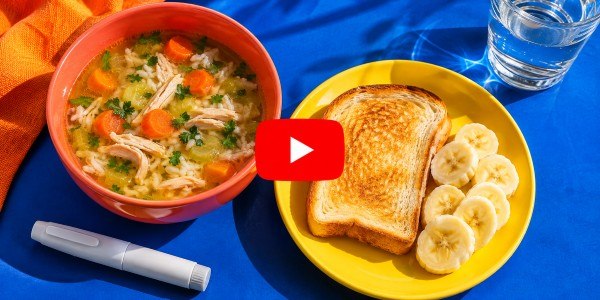
Start with a small meal and eat slowly. Plain toast, crackers, rice, potatoes, or a banana may be easier to manage on a nauseated morning.
When you can, add a little protein, such as an egg, low-fat Greek yogurt, tofu, or chicken. If hot food smells make you feel worse, try a cool option you tolerate.
If a full lunch feels overwhelming, split it into two smaller portions. Eat one portion, then have the rest later if you feel comfortable. Sip water regularly. If nausea keeps you from eating or drinking enough over several days, contact your prescriber.
👉 DON’T TRY THIS “GLP-1 FOODS TO AVOID” UNTIL YOU SEE THIS
If you have heartburn or reflux
Reduce the size of dinner and stay upright after eating. If a specific trigger keeps showing up, such as tomato sauce or coffee, cut back on that item and watch what happens.
A smaller meal of baked fish, rice, and cooked green beans is one option when symptoms are active.
If the burning or regurgitation keeps returning, disrupts sleep, or makes swallowing difficult, seek medical advice. Adjusting dinner may help with occasional symptoms, while persistent reflux may need evaluation and treatment.
If you have constipation
Drink fluids regularly and add fiber in steps. Oatmeal, kiwi, pears, cooked vegetables, and beans in small portions are options if you tolerate them.
Gentle activity, such as walking, may help. Follow any existing fluid restrictions if you have been given them for a health condition. If you are already bloated, adding a large amount of bran or fiber powder at once can increase discomfort.
Ask a clinician or pharmacist about appropriate treatment if constipation persists. Severe belly pain or swelling, especially with vomiting or an inability to pass stool or gas, needs urgent evaluation.
If you have diarrhea
Take frequent small sips of fluid. A few simple meals with rice, potatoes, toast, bananas, or soup may be easier to tolerate.
Temporarily reduce greasy meals, alcohol, and products containing sugar alcohols. An oral rehydration solution can help replace fluids and salts lost with repeated loose stools.
Contact a clinician if diarrhea persists or you develop signs of dehydration, such as dizziness or very little urine. Get urgent help if you cannot keep fluids down or feel faint. Fluid loss from vomiting or diarrhea can affect kidney function.
What to eat when you feel well
Build smaller meals around foods that give you protein, fiber, and other nutrients. Try eggs with toast and fruit, a tofu and rice bowl with cooked vegetables, or a small serving of chicken with a baked potato. Choose portions that feel comfortable, and eat a snack later if your appetite returns.
Protein matters when you are eating less and losing weight. Including a protein source at meals helps you meet your needs with smaller portions, and strength training can help preserve muscle.
If you have kidney disease or follow a medically prescribed diet, ask your care team about an appropriate protein target.
Aim for variety across the week. For example, rotate oats and yogurt, eggs and toast, and tofu with rice instead of relying on the same bland meal every day.
If you are consistently eating very little, a registered dietitian can help you find meals that fit your appetite and medical needs.
How to order a smaller meal when eating out
Look for a dish you already know you tolerate. At a sandwich shop, order a half sandwich with chicken or turkey and have water alongside it.
At a restaurant, try grilled fish with a baked potato and ask for the butter or sauce on the side. If portions are large, set aside part of the meal before you start eating.
You can also adapt foods you eat at home. For tacos, try one tortilla with beans or chicken and a mild topping.
If onions or hot salsa bother you, leave those off and see how the rest of the meal feels. Having leftovers gives you an easy option if you get hungry later.
👉 DON’T TRY THIS “GLP-1 FOODS TO AVOID” UNTIL YOU SEE THIS
Common GLP-1 diet mistakes and viral claims
Cutting out all carbs or all fat
Rice, potatoes, oats, whole-grain bread, and fruit can all fit. A modest portion of rice or toast may be particularly practical on a nauseated day. If you have diabetes, use your usual glucose monitoring and meal plan to guide portions.
Fat tolerance often depends on how much you eat at once. A little olive oil on cooked vegetables may sit well even when a large serving of creamy pasta leaves you uncomfortable. Adjust portion size and cooking method first.
Skipping meals because you feel less hungry
A quiet appetite can make it easy to go most of the day without eating. By evening, you may try to squeeze in a large dinner and feel uncomfortable halfway through.
Smaller meals or planned snacks spread through the day may be easier to manage. This also matters if you take insulin or a sulfonylurea.
Eating much less can increase your risk of low blood sugar. If readings are repeatedly low or your food intake changes substantially, ask your diabetes team to review your medication plan.
Following a viral “GLP-1 detox” or drink routine
A detox drink, vinegar shot, or supplement marketed as “natural GLP-1” has no established role in improving prescription treatment or preventing digestive side effects. If an acidic drink triggers heartburn or a sweetened powder triggers diarrhea, leaving it out can simplify your routine.
A short meal and symptom log can be more practical. Note your portion size, meal timing, dose changes, and how you felt afterward. Look for repeated patterns, such as nausea after large dinners or bloating after a particular protein bar.
Conclusion
The most useful GLP-1 foods to avoid are the ones that repeatedly make your symptoms worse. Start with smaller portions and cut back on fried foods, rich sauces, and large meals if they leave you nauseated or overly full. Adjust spicy foods, coffee, alcohol, and fizzy drinks based on what you notice.
Keep fluids within reach, include protein as tolerated, and build fiber gradually if constipation is the issue. Bring back foods you enjoy as symptoms improve.
If you regularly struggle to eat or drink enough, or develop severe abdominal pain, get medical advice.
You can use your symptoms to guide everyday meal choices while letting your care team manage persistent side effects.
👉 DON’T TRY THIS “GLP-1 FOODS TO AVOID” UNTIL YOU SEE THIS
References
https://www.healthline.com/health/nutrition/glp-1-diet
https://en.wikipedia.org/wiki/Glucagon-like_peptide-1
https://www.healthline.com/health/foods-that-increase-glp-1
.
About Us
