
Foods That Increase GLP-1 Naturally: What the Research Says
Foods that can increase GLP-1 after eating include whey protein and meals containing extra virgin olive oil or avocado. Researchers have measured these short-term effects in small human studies.
Oats, lentils, beans, and vegetables are useful everyday choices for their fiber, although the evidence for a predictable GLP-1 increase from each individual food is more limited.
GLP-1 is a gut hormone that helps coordinate blood sugar and appetite after meals. Your body releases it naturally when you eat.
Discover foods that increase GLP-1 naturally, from oats and lentils to yogurt and olive oil. Learn what human studies show and how to make more filling meals.
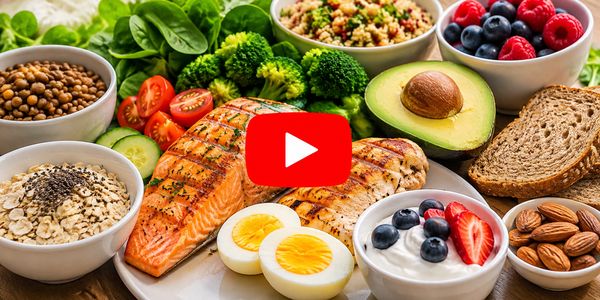
👉 DON’T TRY THIS “FOODS THAT INCREASE GLP-1 NATURALLY” UNTIL YOU SEE THIS
Prescription GLP-1 medicines produce a longer-lasting effect through the same receptor, and food cannot substitute for those treatments.
If your goal is to stay satisfied between meals, start with foods you already enjoy. Pair a protein source with a fiber-rich carbohydrate and add some unsaturated fat if you like.
A bowl of oats with plain Greek yogurt and berries or a lentil salad dressed with olive oil puts that idea into practice.
What Is GLP-1 and Why Does It Rise After Eating?
GLP-1 stands for glucagon-like peptide-1. Specialized cells in the intestine release it when nutrients arrive during digestion.
It belongs to a group of hormones called incretins, which help the pancreas release insulin in response to rising blood sugar.
GLP-1 also helps regulate glucagon, slows the movement of food out of the stomach, and participates in signals involved in fullness.
Carbohydrates, fats, and proteins can all stimulate GLP-1 release in people. This explains why several very different meals can produce a response.
The amount released depends on factors such as meal composition, timing, and individual physiology. There is no established food ranking that tells you which breakfast will produce the largest or longest increase for you.
The body breaks down its own GLP-1 quickly through an enzyme called DPP-4. When a study finds a higher level after a meal, it describes a response during a specific testing window.
The finding alone cannot tell you whether you will eat less later that day, lose weight over months, or improve your average blood sugar.
Which Foods Increase GLP-1? What Human Studies Show
Whey protein and plain Greek yogurt
Whey protein has some of the clearest direct human evidence among individual dietary ingredients. In a small randomized crossover study, adults with type 2 diabetes consumed whey before a high-glycemic breakfast on one occasion and water on another.
The whey condition increased GLP-1 and insulin responses and lowered blood glucose after the test meal. The researchers used a concentrated whey drink under controlled conditions.
A bowl of Greek yogurt, a glass of milk, and a scoop of whey powder differ in protein composition, dose, and how quickly they are digested.
Plain Greek yogurt is a convenient protein source. Its exact effect on hormones in an ordinary breakfast remains uncertain. For a practical breakfast, stir yogurt into cooked oats after they cool slightly and add berries.
Unsweetened soy yogurt can work for people avoiding dairy, though protein content varies by brand. Check the label if you want a comparable amount of protein.
Extra virgin olive oil
A small crossover study in adults with impaired fasting glucose compared meals with and without extra virgin olive oil.
The olive oil meal produced a higher GLP-1 response and lower blood glucose after eating. The result applies to the meal and the people studied. Researchers have yet to establish a standard amount of olive oil for raising GLP-1.
Use olive oil in ways that make the rest of the meal enjoyable. Toss it with beans, lemon, and parsley, or drizzle some over roasted vegetables and fish.
Because oil is energy dense, adding extra servings for a theoretical hormone effect can work against a goal of managing energy intake.
Avocado
One small randomized crossover trial compared breakfast meals in adults with overweight or obesity. A breakfast containing a whole avocado produced a higher GLP-1 response than the comparison breakfast.
Participants also reported feeling more satisfied on some measures. The avocado replaced some carbohydrate in the test meal, so both the substitution and the avocado may have influenced the results.
Avocado supplies fiber and unsaturated fat. A few slices can make a bean bowl or egg sandwich more satisfying, particularly if the rest of the meal is light.
The study offers a reason to investigate the combination of fat and fiber further. A single test breakfast cannot establish a lasting weight effect.
Oats, barley, beans, and lentils
Oats and barley contain beta-glucan, a soluble fiber that can form a gel during digestion. Beans and lentils supply a mix of fiber, starch, and plant protein. Some of their carbohydrates reach the colon, where gut microbes can break them down and produce short-chain fatty acids.
Propionate is one of these fatty acids. A human study found that delivering a specially formulated source of propionate to the colon increased GLP-1 and another gut hormone, PYY, in the short term.
The intervention used a targeted ingredient. A serving of oatmeal or lentil soup cannot be assumed to deliver the same amount of propionate or produce the same hormonal response.
These foods earn their place in a meal through their nutritional value. Cook barley into a vegetable soup, replace some rice with lentils, or try oats with fruit and yogurt. Canned beans and precooked lentils make it easier to add fiber and protein when time is short.
Eggs, fish, tofu, and nuts
Eggs, fish, and tofu provide protein, a nutrient that can stimulate GLP-1 release. Nuts provide unsaturated fats, fiber, and some protein.
Online food lists often treat each item as a proven GLP-1 booster, but evidence from a whey drink or a controlled oil trial cannot be transferred directly to every protein or fat source.
Choose among them based on taste, budget, and dietary needs. Scrambled eggs with whole-grain toast and tomatoes, baked tofu with broccoli and barley, or salmon with chickpeas and greens are complete meals that use the same practical principle. A small handful of unsalted nuts can add crunch to yogurt or an apple snack.
Vegetables, berries, and whole fruit
Vegetables and fruit supply water and fiber, which can help add volume and texture to a meal. Apples, pears, and berries are convenient sources of fiber.
Carrots, peas, greens, and broccoli can add variety across the week. Direct evidence for a reliable GLP-1 effect from any one fruit or vegetable is limited.
Whole fruit keeps its edible fiber intact, while juice usually contains less. If a snack of fruit alone leaves you hungry soon afterward, try pairing it with plain yogurt or a small portion of nuts.
For vegetables, frozen options are convenient because you can use a handful at a time and keep the rest for another meal.

👉 DON’T TRY THIS “FOODS THAT INCREASE GLP-1 NATURALLY” UNTIL YOU SEE THIS
Can Foods That Increase GLP-1 Help With Weight Loss or Blood Sugar?
A meal that includes enough protein and fiber may help you feel satisfied for longer. Feeling fuller can make a meal pattern easier to maintain.
However, appetite is shaped by several signals at once, including the amount eaten, food texture, digestion, sleep, and habits. A rise in GLP-1 is one possible contributor.
For weight management, pay attention to a pattern you can sustain. Adding a high-calorie drink to a breakfast that already meets your needs may be less useful than replacing a snack that leaves you hungry with yogurt and fruit.
If you routinely feel hungry again soon after lunch, check whether the meal contains enough food and a meaningful source of protein.
For blood sugar, distinguish a lower glucose rise after a particular meal from a change in A1C over time.
A small crossover study in adults with type 2 diabetes found lower post-meal glucose and higher GLP-1 when participants ate carbohydrates after the protein and vegetables.
The study measured an immediate response under controlled conditions. Food order is optional, and mixed meals such as stews and grain bowls can fit into an eating plan.
How to Build Filling Meals With Protein, Fiber, and Healthy Fats
Start with a protein you like, add a fiber-rich carbohydrate or vegetables, and use a source of unsaturated fat for flavor.
Beans can contribute both protein and fiber. Meal size should reflect your hunger, activity, and medical needs. You can use the same ingredients across several meals to keep shopping and prep manageable.
| Meal | What to eat | Why it works as a meal |
|---|---|---|
| Breakfast | Oats, plain Greek yogurt, blueberries, and walnuts | Combines protein, soluble fiber, and unsaturated fat |
| Lunch | Lentils, tomatoes, cucumbers, and olive oil with lemon | Provides plant protein, fiber, and vegetables |
| Dinner | Salmon or tofu, barley, and roasted broccoli | Pairs a protein source with whole grains and vegetables |
| Snack | Apple slices and plain yogurt or peanut butter | Adds protein or fat to a serving of fruit |
A lower-cost version might use store-brand rolled oats, frozen berries, dried lentils, and eggs. For a quick meal, warm canned beans and frozen vegetables, then serve them over a leftover grain.
If you have only a few minutes, plain yogurt and fruit or hummus with whole-grain toast are simple starting points.
You can also change one part of a meal you already make. Add black beans to a rice bowl, choose fruit alongside breakfast, or swap some pasta for chickpeas in a salad.
Try a change for several meals and notice whether you enjoy it, feel satisfied, and digest it comfortably. Those observations are more actionable than guessing what happened to your hormone levels.

👉 DON’T TRY THIS “FOODS THAT INCREASE GLP-1 NATURALLY” UNTIL YOU SEE THIS
Are Oatzempic, Apple Cider Vinegar, and GLP-1 Supplements Worth Trying?
Oatzempic and other oat drinks
The social media drink commonly called Oatzempic blends oats, water, and often lime juice. Oats supply fiber, including beta-glucan.
Claims that the drink reproduces the action of Ozempic or reliably produces rapid weight loss go beyond the evidence. A drink made mostly of oats and water may also supply less protein than the breakfast it replaces.
If you enjoy blended oats, you can add plain yogurt or unsweetened soy milk and fruit to make a more substantial breakfast.
Apple cider vinegar
Research on vinegar often looks at blood sugar after a meal. That is a different outcome from a direct measurement of GLP-1 or a reliable change in body weight.
A widely publicized trial claiming weight loss from apple cider vinegar was retracted after concerns about the quality of the research.
Vinegar can add flavor to beans, vegetables, and salads as part of a dressing. There is no established vinegar dose for increasing GLP-1.
Taking concentrated shots adds acid exposure to your teeth and throat without a demonstrated hormone benefit.
Berberine, probiotic gummies, and GLP-1 boosters
Some products advertised as natural GLP-1 boosters rely on laboratory research, animal studies, or studies of a single ingredient.
Those results cannot establish that a branded mixture works in people. Look for trials of the actual product, its dose, the population studied, and outcomes that matter, such as sustained weight changes or improved blood sugar.
Berberine can cause digestive side effects and interact with medicines. Discuss any supplement you are considering with a pharmacist or clinician if you take prescription drugs, are pregnant, or are breastfeeding.
A label that mentions the GLP-1 pathway provides little information about the product’s safety or effectiveness.
Common Mistakes and Safety Considerations
Increasing fiber too quickly
A sudden jump from a low-fiber diet to several servings of beans, bran, and raw vegetables may lead to gas, bloating, or abdominal discomfort. Add one fiber-rich food at a time. Start with a small portion of beans or a serving of oats and drink fluids regularly, unless a clinician has advised you to restrict fluids.
Copying a high-fiber meal plan when you have gastroparesis
People with gastroparesis may need smaller meals and foods lower in fat and fiber, depending on symptoms and medical advice.
A large raw salad with nuts and beans can be hard to tolerate when the stomach empties slowly.
Ask your care team which foods and textures fit your situation, especially if symptoms are limiting how much you eat or drink.
Changing your food intake without considering diabetes medication
If you use insulin or a sulfonylurea, eating much less or delaying meals can increase your risk of low blood sugar.
Discuss substantial dietary changes with your diabetes care team and follow your glucose monitoring and hypoglycemia plan. Keep prescribed medication doses in place unless your clinician advises a change.
Adding rich meals while taking a GLP-1 medication
If you already take a GLP-1 medication and feel nauseated or overly full, large, rich meals may be difficult to tolerate.
Try smaller portions and choose foods you can comfortably finish. Contact your prescriber if symptoms persist, interfere with hydration, or make it hard to eat enough.
Persistent vomiting or severe abdominal pain calls for prompt medical evaluation.
Conclusion
Whey protein and meals containing avocado or extra virgin olive oil have increased GLP-1 after eating in small human studies.
Beans, lentils, oats, barley, fruit, and vegetables add fiber and can help you build meals that keep you satisfied.
Research on a short-lived hormone response leaves questions about how much any individual food changes long-term appetite, weight, or blood sugar.
For an everyday starting point, choose one meal you want to make more filling and pair a protein source with a fiber-rich food.
Try yogurt with oats and berries or lentils with vegetables and olive oil. Pick a combination you enjoy and can eat regularly, and judge it by how well it fits your appetite, digestion, and health needs.
👉 DON’T TRY THIS “FOODS THAT INCREASE GLP-1 NATURALLY” UNTIL YOU SEE THIS
References
https://www.healthline.com/health/nutrition/glp-1-diet
https://en.wikipedia.org/wiki/Glucagon-like_peptide-1
https://www.healthline.com/health/foods-that-increase-glp-1
.
About Us
