
Epsom Salt Foot Trick: Benefits, Uses & Safety Guide (2026)
The Epsom salt foot trick is a popular home remedy that involves soaking your feet in warm water mixed with Epsom salt to help soothe tired feet, soften rough skin, and promote relaxation. It has gained attention on social media and wellness websites as an inexpensive way to support everyday foot care.
Epsom salt is the common name for magnesium sulfate, a mineral compound that dissolves in water. People have traditionally used it in baths and foot soaks, particularly after long periods of standing, walking, or physical activity.
Discover the Epsom salt foot trick, how it works, potential benefits, soaking instructions, and safety tips to help soothe tired feet and support relaxation.
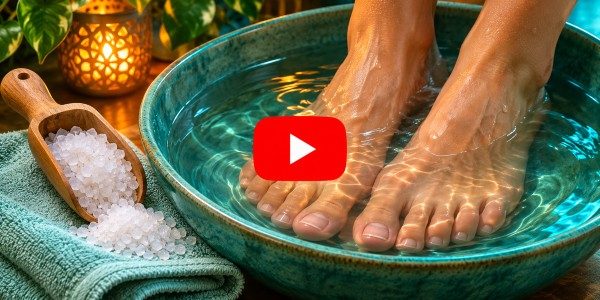
👉 DON’T TRY THIS “EPSOM SALT FOOT TRICK” UNTIL YOU SEE THIS
Although an Epsom salt foot soak can provide a relaxing experience, some online claims about its ability to remove toxins, burn fat, improve circulation, or deliver magnesium through the skin are not supported by strong scientific evidence.
In this guide, we explore what the Epsom salt foot trick is, how to prepare it, its potential benefits, possible risks, and what science actually says about this popular wellness practice.
What Is the Epsom Salt Foot Trick?
The Epsom salt foot trick is a simple soaking method that combines warm water with magnesium sulfate crystals.
The idea is to place your feet in the solution for approximately 10–20 minutes. The warm water helps relax the feet, while the soaking process can soften dry skin and temporarily ease feelings of tiredness.
Epsom salt is different from ordinary table salt.
- Epsom salt: Magnesium sulfate, a mineral compound.
- Table salt: Primarily sodium chloride.
- Sea salt: Contains sodium chloride and varying amounts of other minerals.
Epsom salt is generally sold in pharmacies, supermarkets, and personal-care stores.
How Does the Epsom Salt Foot Trick Work?
The foot-soaking process works primarily through the effects of warm water and relaxation.
When you place your feet in comfortably warm water, several things happen:
- Warmth and relaxation: Warm water can help relax muscles and make tired feet feel more comfortable.
- Skin hydration: Soaking temporarily softens the outer layer of the skin.
- Reduced stiffness: Warmth may temporarily ease feelings of stiffness and discomfort.
- Relaxation response: Sitting quietly during a foot soak can provide a calming break after a busy day.
Epsom salt dissolves into magnesium and sulfate ions in water. However, there is insufficient high-quality evidence that magnesium from an Epsom salt foot soak is absorbed through the skin in meaningful amounts.
Therefore, the soothing experience should not be confused with a proven magnesium treatment.
Potential Benefits of the Epsom Salt Foot Trick
Many people include Epsom salt soaks in their regular foot-care routines. While some benefits are supported by the general effects of warm-water soaking, others remain uncertain.
1. Helps Soothe Tired Feet
One of the most common reasons people try the Epsom salt foot trick is to relax tired feet.
Standing, walking, and wearing uncomfortable shoes can leave your feet feeling exhausted. A warm foot soak may provide temporary comfort and relaxation.
The warm temperature can make the feet feel less tense after a demanding day.
2. Softens Dry and Rough Skin
Warm water helps soften the outermost layer of the skin.
This can make rough areas, particularly around the heels and soles, easier to care for. After soaking, gently drying your feet and applying a moisturizer can help maintain skin softness.
However, Epsom salt itself is not a proven treatment for severely cracked heels.
3. Supports Relaxation Before Bedtime
A warm foot soak can become part of a relaxing evening routine.
Taking 10–20 minutes to sit quietly may help you unwind and prepare for sleep. Some people find warm-water soaking comforting before bedtime.
However, there is no strong evidence that Epsom salt specifically improves sleep quality.
4. Provides Temporary Comfort After Physical Activity
People who exercise, walk long distances, or spend hours standing may experience temporary foot discomfort. A warm foot soak can provide a relaxing experience after physical activity.
It should not replace appropriate rest, supportive footwear, stretching, or medical evaluation when pain persists.
5. Helps With Basic Foot Care
Soaking can make routine foot care easier by softening dry skin and loosening surface debris. Afterward, gently clean and dry your feet, particularly between the toes. Applying a suitable moisturizer can help prevent dryness.
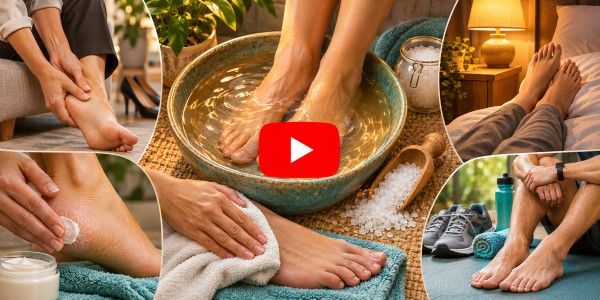
👉 DON’T TRY THIS “EPSOM SALT FOOT TRICK” UNTIL YOU SEE THIS
Epsom Salt Foot Trick: How to Prepare It at Home
Preparing an Epsom salt foot soak is relatively simple. You only need a few basic items.
Ingredients and Supplies
- 1/2 cup of plain Epsom salt
- A basin large enough for both feet
- Approximately 2–3 liters of comfortably warm water
- A clean towel
- A gentle foot moisturizer
The amount of water can be adjusted depending on the size of your basin.
Step-by-Step Instructions
Step 1: Prepare the water
Fill a clean basin with comfortably warm water. Avoid very hot water because it can irritate or damage your skin.
Step 2: Add Epsom salt
Add approximately half a cup of Epsom salt to the water. Stir until the crystals dissolve.
Step 3: Soak your feet
Place both feet in the basin and soak them for approximately 10–20 minutes. Remain seated in a comfortable position throughout the process.
Step 4: Rinse your feet
After soaking, rinse your feet with clean water if needed to remove any remaining salt.
Step 5: Dry thoroughly
Use a clean towel to dry your feet, especially between the toes.
Step 6: Apply moisturizer
Finish with a gentle foot moisturizer to help maintain skin hydration.
How Often Should You Use the Epsom Salt Foot Trick?
For people with healthy skin, an occasional warm-water foot soak may be sufficient for relaxation and basic foot care. There is no scientifically established ideal frequency for Epsom salt foot soaks.
Consider these general guidelines:
- Start with one occasional soak to see how your skin responds.
- Limit each session to approximately 10–20 minutes.
- Avoid soaking if your skin becomes irritated, dry, or uncomfortable.
- Moisturize afterward if your feet feel dry.
- Stop using the mixture if you experience burning, itching, or redness.
More frequent soaking does not necessarily produce better results.
Epsom Salt Foot Trick for Different Foot Concerns
Online discussions often associate Epsom salt with several foot-related concerns. Understanding what it can and cannot do is important.
Epsom Salt for Swollen Feet
Warm-water soaking may feel relaxing, but it is not an established treatment for unexplained foot swelling.
Swelling can result from prolonged standing, injury, circulation problems, medication effects, or underlying medical conditions.
Elevating your feet and taking breaks from prolonged standing may help with mild swelling.
Sudden swelling, especially when accompanied by pain, redness, warmth, or shortness of breath, requires medical attention.
Epsom Salt for Cracked Heels
A foot soak may temporarily soften dry, thickened skin around the heels.
However, soaking alone will not repair deep cracks.
For better heel care:
- Apply a moisturizer containing urea.
- Wear comfortable shoes.
- Avoid walking barefoot on rough surfaces.
- Do not cut or aggressively scrape thickened skin.
Deep, painful, bleeding, or infected cracks should be evaluated by a healthcare professional.
Epsom Salt for Foot Odor
Foot odor commonly develops when bacteria break down sweat and debris on the skin.
A foot soak may help loosen surface dirt, but Epsom salt is not a proven cure for persistent foot odor.
Keeping your feet clean and dry, changing socks regularly, and choosing breathable footwear are more reliable hygiene practices.
Epsom Salt for Sore Feet
A warm foot soak may temporarily improve comfort after walking or standing. However, it does not treat the underlying cause of persistent pain. If soreness continues, worsens, or interferes with walking, consider getting it evaluated.
👉 DON’T TRY THIS “EPSOM SALT FOOT TRICK” UNTIL YOU SEE THIS
Epsom Salt Foot Trick: What Does Science Say?
It is important to distinguish traditional home remedies from scientifically established treatments.
Magnesium is an essential mineral involved in hundreds of processes in the human body, including normal muscle and nerve function.
However, the presence of magnesium in Epsom salt does not automatically mean that soaking your feet increases your body’s magnesium levels.
Research on transdermal magnesium absorption remains limited, and there is insufficient reliable evidence that Epsom salt foot baths meaningfully correct magnesium deficiencies.
Similarly, warm-water soaking can provide comfort, but that does not establish that magnesium sulfate is responsible for every reported benefit.
For people with magnesium deficiency, dietary changes or medically recommended supplementation are more established approaches.
Viral Epsom Salt Foot Trick Claims: Myths vs. Facts
The Epsom salt foot trick has attracted attention through social media videos and wellness discussions. Some claims go beyond what current research supports.
| Popular claim | What evidence suggests |
| Removes toxins through the feet | No reliable evidence supports this claim. |
| Burns body fat | Foot soaking does not cause meaningful fat loss. |
| Improves magnesium levels | Significant absorption through the skin has not been established. |
| Cures foot pain | May provide temporary comfort but does not treat underlying causes. |
| Improves circulation | Warmth may temporarily change blood flow near the skin, but this is not a proven circulation treatment. |
| Removes harmful substances | There is no evidence that Epsom salt draws toxins out of the body. |
The body’s liver and kidneys perform essential waste-processing and elimination functions. A foot soak does not replace these natural processes.
Possible Side Effects and Risks of Epsom Salt Foot Soaks
Although a basic foot soak is generally well tolerated by many people with healthy skin, it is not appropriate for everyone.
Potential problems include:
1. Skin Irritation
Some individuals may experience itching, redness, dryness, or irritation after soaking. Stop using the solution if these symptoms appear.
2. Excessive Skin Dryness
Prolonged or frequent soaking may contribute to dry skin. This can be particularly uncomfortable for people who already have sensitive or cracked skin.
3. Burns From Hot Water
Water that is too hot can cause burns. Always check the temperature before putting your feet into the basin.
4. Infection Risks
People with open wounds, ulcers, or broken skin should avoid soaking unless advised by a healthcare professional. Shared or poorly cleaned foot basins can also create hygiene concerns.
5. Delayed Medical Treatment
Using home remedies instead of investigating persistent foot symptoms can delay appropriate treatment.
Do not rely on Epsom salt soaks for unexplained swelling, severe pain, wounds, or suspected infections.
Who Should Avoid the Epsom Salt Foot Trick?
Certain individuals should be particularly cautious.
Avoid self-directed foot soaking or seek medical advice first if you have:
- Diabetes, especially with reduced foot sensation.
- Peripheral neuropathy or nerve damage.
- Poor circulation or peripheral artery disease.
- Open cuts, sores, ulcers, or infected skin.
- Significant skin conditions affecting the feet.
- Reduced ability to detect hot or cold temperatures.
People with diabetes may not notice burns or injuries because of reduced sensation. Even minor foot problems can become serious if not addressed promptly.
A healthcare professional can recommend an appropriate foot-care routine based on individual needs.
Common Mistakes to Avoid When Using Epsom Salt
Even a simple home foot-care routine requires some precautions.
Here are common mistakes to avoid:
- Using excessively hot water: High temperatures can damage the skin.
- Soaking for too long: Longer sessions do not necessarily provide additional benefits.
- Adding too much salt: Higher concentrations can increase irritation.
- Using fragranced products: Additional ingredients may trigger sensitivity.
- Scrubbing aggressively: Rough scrubbing can damage delicate skin.
- Ignoring open wounds: Broken skin requires appropriate care rather than an unverified home remedy.
- Expecting instant results: A foot soak is a relaxation practice, not a cure for medical conditions.
Following a simple routine is generally better than experimenting with complicated viral recipes.
👉 DON’T TRY THIS “EPSOM SALT FOOT TRICK” UNTIL YOU SEE THIS
Epsom Salt Foot Trick vs. Plain Warm-Water Foot Soak
Is Epsom salt better than soaking your feet in plain warm water?
The answer depends on your goal.
| Feature | Epsom salt soak | Plain warm-water soak |
| Warm-water relaxation | Yes | Yes |
| Temporarily softens skin | Yes | Yes |
| Requires additional ingredients | Yes | No |
| Proven magnesium absorption | Not established | Not applicable |
| Suitable for basic relaxation | Yes | Yes |
| Can replace medical treatment | No | No |
For many people, plain warm water may provide similar relaxation benefits without the additional ingredients.
There is currently insufficient evidence to establish that adding Epsom salt makes a foot soak significantly more effective than warm water alone.
Expert Tips for Better Everyday Foot Care
A healthy foot-care routine involves more than occasional soaking.
Consider these practical habits:
- Wash your feet regularly with mild soap and water.
- Dry carefully between your toes.
- Apply moisturizer to dry areas, avoiding excessive moisture between the toes.
- Wear properly fitting shoes.
- Change socks regularly.
- Keep toenails trimmed appropriately.
- Inspect your feet for blisters, cuts, swelling, and skin changes.
- Seek medical advice for persistent pain or unusual symptoms.
These everyday habits are more important for maintaining foot health than relying on any single home remedy.
Conclusion
The Epsom salt foot trick is a simple and inexpensive home foot-care practice that may help you relax, soothe temporarily tired feet, and soften rough skin.
Its main practical benefit comes from the warm-water soaking experience rather than any proven detoxifying or magnesium-absorbing effect.
Preparing the soak requires only warm water, a small amount of Epsom salt, and a clean basin. Keeping the soaking time moderate and moisturizing afterward can make the experience more comfortable.
However, claims that this trick removes toxins, burns fat, cures swelling, or corrects magnesium deficiencies are not supported by convincing scientific evidence.
People with diabetes, reduced foot sensation, poor circulation, or open wounds should seek professional guidance before trying it.
👉 DON’T TRY THIS “EPSOM SALT FOOT TRICK” UNTIL YOU SEE THIS
Reference
https://www.healthline.com/health/epsom-salt-bath
https://www.webmd.com/a-to-z-guides/epsom-salt-bath
https://www.healthline.com/health/epsom-salt-foot-soak
.
About Us
