
Does Sermorelin Increase Testosterone? What You Need to Know
Sermorelin is a peptide-based treatment that is often discussed in relation to healthy aging, hormone balance, recovery, and overall wellness. Many men researching sermorelin ask an important question: does sermorelin increase testosterone?
The simple answer is that sermorelin does not directly increase testosterone in the same way testosterone replacement therapy (TRT) does. Sermorelin works through a different hormonal pathway by stimulating the body’s natural production of growth hormone.
This process may influence several areas connected with healthy aging, including muscle maintenance, recovery, metabolism, and overall hormonal function.
Testosterone and growth hormone are two different hormones with separate roles in the body. Testosterone is primarily associated with male sexual health, muscle development, bone strength, energy, and reproductive function.
Growth hormone supports tissue repair, metabolism, muscle maintenance, and the production of insulin-like growth factor 1 (IGF-1).
Because these hormones interact with many of the same biological systems, improving growth hormone signaling may have indirect effects on overall hormonal wellness. However, sermorelin should not be considered a testosterone replacement medication.
Understanding how sermorelin works can help men make informed decisions about whether this treatment aligns with their health goals.
What Is Sermorelin?
Sermorelin is a synthetic peptide that acts similarly to a naturally occurring hormone called growth hormone-releasing hormone (GHRH).
The body naturally produces GHRH in the hypothalamus, a small area of the brain responsible for regulating several important hormone functions.
The primary role of GHRH is to signal the pituitary gland to release growth hormone. Sermorelin works by mimicking this natural signaling process, encouraging the pituitary gland to produce and release more growth hormone.
Growth hormone plays an important role throughout life. During childhood and adolescence, it supports growth and development. In adulthood, it continues to contribute to processes such as:
- Maintaining lean muscle tissue
- Supporting bone health
- Helping regulate metabolism
- Supporting tissue recovery
- Influencing IGF-1 production
As people age, natural growth hormone production commonly declines. Some individuals explore sermorelin because they want to support the body’s own hormone signaling rather than replacing hormones directly.
Sermorelin is different from testosterone therapy because it does not provide testosterone to the body. Instead, it focuses on stimulating a natural hormonal pathway.
How Does Sermorelin Work in the Body?
To understand whether sermorelin can affect testosterone, it is important to understand its primary mechanism.
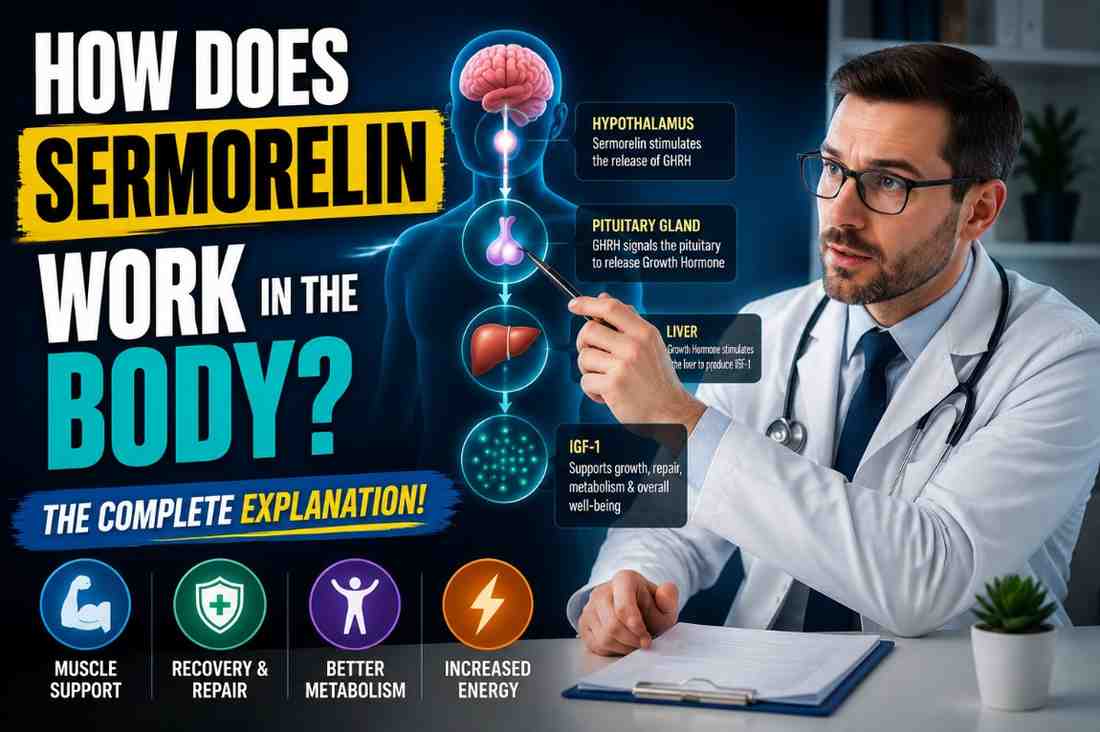
The body’s growth hormone system involves several connected steps:
- The hypothalamus releases growth hormone-releasing hormone.
- The pituitary gland receives this signal.
- The pituitary gland releases growth hormone.
- Growth hormone influences the production of IGF-1, mainly in the liver.
- IGF-1 supports various growth and repair processes throughout the body.
Sermorelin works at the beginning of this pathway by encouraging the pituitary gland to release growth hormone naturally.
This approach is different from directly supplying hormones from outside the body. Because sermorelin works with the body’s existing hormone system, its effects can vary depending on factors such as age, overall health, sleep quality, nutrition, exercise habits, and baseline hormone levels.
The goal of sermorelin treatment is generally to support growth hormone activity, not to replace testosterone.
Does Sermorelin Increase Testosterone Levels?
The question “does sermorelin increase testosterone?” requires a careful explanation.
Current evidence does not show that sermorelin directly increases testosterone levels like testosterone replacement therapy. Sermorelin primarily affects the growth hormone pathway, not the testosterone production pathway.
However, some men may notice improvements in areas that are also commonly associated with healthy testosterone levels, including:
- Better energy levels
- Improved exercise recovery
- Support for lean muscle maintenance
- Improved physical performance
- Better overall wellness
These effects are connected to growth hormone activity and improved metabolic function rather than a direct testosterone increase.
Hormonal systems in the body are interconnected. Growth hormone, IGF-1, testosterone, thyroid hormones, and other metabolic signals can influence each other.
Supporting one pathway may contribute to better overall hormonal balance, but it does not mean sermorelin functions as a testosterone booster.
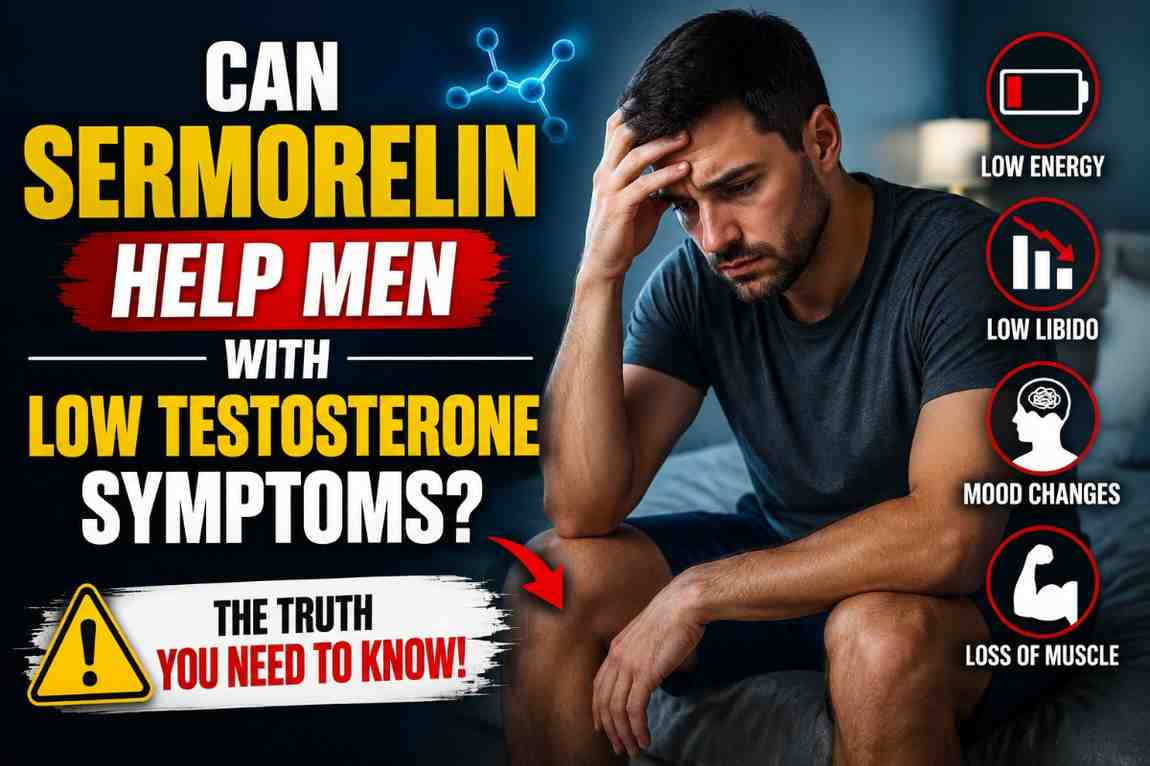
Men experiencing symptoms of low testosterone, such as reduced energy, decreased muscle strength, low libido, or mood changes, should have appropriate hormone testing and medical evaluation.
The Relationship Between Growth Hormone and Testosterone
Growth hormone and testosterone are both important hormones involved in male health, but they perform different functions.
Testosterone is an androgen hormone primarily produced in the testes. It plays a major role in:
- Male reproductive function
- Muscle protein development
- Bone density
- Libido
- Red blood cell production
- Mood regulation
Growth hormone is produced by the pituitary gland and influences:
- Cell growth
- Tissue repair
- Metabolism
- Muscle recovery
- Fat utilization
Although they are separate hormones, they share some overlapping effects.
For example, both hormones are involved in maintaining muscle mass. A decline in either hormone may contribute to changes in body composition as people age.
Research has shown that growth hormone activity can influence body composition and physical function. However, increasing growth hormone activity does not automatically mean testosterone levels will rise.
A man may have healthy testosterone levels but lower growth hormone activity, or he may have lower testosterone with normal growth hormone function. These conditions require different approaches.
This distinction is important because many people assume that improving one hormone will automatically correct another. Hormone health is more complex and requires understanding the specific imbalance involved.
Sermorelin vs Testosterone Replacement Therapy (TRT)
One of the most common points of confusion is the difference between sermorelin and testosterone replacement therapy.
Both treatments are associated with hormone health, but they work differently.
➤ Sermorelin
Sermorelin supports the body’s natural growth hormone release by stimulating the pituitary gland.
Potential goals may include:
- Supporting growth hormone production
- Encouraging IGF-1 activity
- Supporting recovery and body composition
- Promoting healthy aging
Sermorelin does not provide testosterone directly.
➤ Testosterone Replacement Therapy (TRT)
TRT involves providing testosterone to the body when testosterone levels are medically low.
TRT may be used to support men diagnosed with testosterone deficiency. It works by increasing testosterone availability through prescribed testosterone medications.
Potential goals may include:
- Restoring testosterone levels
- Supporting libido
- Improving symptoms related to testosterone deficiency
- Supporting muscle and energy levels
The right option depends on a person’s hormone profile and health needs. A person with low growth hormone activity may have different treatment considerations than someone with clinically low testosterone.
A healthcare provider can evaluate hormone levels and determine which approach may be appropriate.
Can Sermorelin Help Men With Low Testosterone Symptoms?
Some men interested in sermorelin are experiencing symptoms often linked with low testosterone, including:
- Low energy
- Reduced exercise performance
- Changes in body composition
- Difficulty maintaining muscle
- Poor recovery after physical activity
- Reduced sense of vitality
However, these symptoms are not caused only by testosterone changes.
Similar symptoms can also be related to:
- Poor sleep quality
- Stress
- Nutritional deficiencies
- Aging
- Reduced physical activity
- Metabolic changes
- Other hormone changes
Because symptoms overlap, testing is important before choosing any hormone-related treatment.
Sermorelin may support certain aspects of wellness by improving growth hormone signaling, but it should not replace evaluation for possible testosterone deficiency.
A complete hormone assessment may include testosterone levels, thyroid function, metabolic markers, and other health factors depending on individual circumstances.
Potential Benefits of Sermorelin for Hormonal Wellness
Although sermorelin is not a testosterone medication, supporting healthy growth hormone activity may contribute to several areas connected with overall wellness.
The effects of sermorelin can vary between individuals, and results depend on factors such as age, health status, lifestyle habits, and existing hormone levels.
Some commonly discussed areas of interest include:
➢ Supports Healthy Muscle Maintenance
Growth hormone plays an important role in maintaining body tissues, including muscle.
As people age, natural growth hormone levels may decline, which can contribute to changes in muscle composition and physical performance.
By encouraging the body’s own growth hormone release, sermorelin may support processes involved in maintaining lean muscle when combined with regular exercise and proper nutrition.
However, sermorelin does not build muscle by itself. Strength training, adequate protein intake, recovery, and healthy lifestyle habits remain essential parts of maintaining physical strength.
➢ Supports Exercise Recovery
Recovery becomes increasingly important as people get older. Growth hormone is involved in tissue repair and normal recovery processes after physical activity.
Some individuals explore sermorelin because they want additional support for maintaining an active lifestyle.
Improved recovery can help people stay consistent with exercise routines, which plays a major role in maintaining muscle, cardiovascular health, and metabolic function.
It is important to understand that recovery depends on multiple factors, including sleep quality, hydration, nutrition, training intensity, and stress management.
➢ May Support Healthy Body Composition
Growth hormone is associated with metabolism and how the body uses stored energy. Changes in growth hormone activity may influence body composition over time.
Sermorelin may support healthy metabolic signaling by encouraging natural growth hormone release.
Some individuals use sermorelin as part of a broader approach focused on maintaining muscle and managing healthy body composition.
However, sermorelin should not be viewed as a weight-loss medication. Sustainable body composition changes require balanced nutrition, regular movement, and healthy daily habits.
Supports IGF-1 Production
One of the main effects of growth hormone is stimulating the production of insulin-like growth factor 1 (IGF-1).
IGF-1 plays an important role in several biological processes, including:
- Cell growth and repair
- Muscle tissue maintenance
- Bone support
- Normal metabolic activity
Because sermorelin influences growth hormone release, it may also affect IGF-1 levels in some individuals.
Healthcare providers may monitor hormone markers to understand how the body responds during treatment.
Can Sermorelin Improve Testosterone Naturally?
Many men are interested in whether stimulating growth hormone can naturally restore testosterone levels.
The answer depends on the individual situation.
Sermorelin is not designed to increase testosterone production directly. Its main function is supporting growth hormone release through the pituitary gland.
However, certain lifestyle factors that support growth hormone production may also support healthy testosterone levels. These include:
- Quality sleep
- Resistance training
- Healthy body weight
- Balanced nutrition
- Stress management
For example, deep sleep naturally supports several hormone processes, including growth hormone release and healthy testosterone production.
If a man has low testosterone caused by a medical condition, sermorelin alone may not address the underlying issue.
Proper evaluation is necessary to determine whether testosterone replacement therapy or another approach is more suitable.
Factors That Affect Testosterone Levels
Testosterone levels naturally change throughout life. While aging is one factor, many lifestyle and health-related factors can influence testosterone production.
➢ Age
Testosterone levels generally decline gradually as men get older. This does not always mean treatment is required, but symptoms and laboratory results should be evaluated together.
➢ Sleep Quality
Sleep plays a major role in hormone regulation.
Poor sleep patterns may negatively affect testosterone production and overall energy levels. Consistent, high-quality sleep supports healthy endocrine function.
Growth hormone release also occurs primarily during deep sleep, making sleep an important factor for men interested in hormone optimization.
➢ Exercise Habits
Physical activity, especially resistance training, supports healthy hormone function.
Strength training helps maintain muscle mass, supports metabolism, and contributes to overall wellness.
A sedentary lifestyle may contribute to changes in body composition and hormone balance over time.
➢ Body Composition
Higher levels of excess body fat can influence hormone activity.
Maintaining a healthy body composition through nutrition and exercise can support overall hormonal health.
➢ Stress Levels
Chronic stress may affect hormone balance through increased cortisol activity.
Managing stress through healthy routines, relaxation techniques, physical activity, and proper recovery may support better overall wellness.
Who May Consider Sermorelin Treatment?
Sermorelin may be considered by adults who are interested in supporting healthy growth hormone activity under medical guidance.
A healthcare provider may evaluate factors such as:
- Current hormone levels
- Symptoms
- Medical history
- Lifestyle habits
- Treatment goals
Some individuals explore sermorelin for concerns related to healthy aging, recovery, body composition, and hormone support.
However, sermorelin is not appropriate for everyone. A medical professional should determine whether it fits an individual’s health situation.
Men specifically looking for treatment for low testosterone should receive appropriate testosterone testing before considering any hormone-related option.
What to Expect During Sermorelin Treatment
The experience with sermorelin can differ from person to person.
A typical process may involve:
➢ Medical Evaluation
Before beginning treatment, a healthcare provider may review symptoms, health history, and relevant laboratory results.
This helps determine whether sermorelin aligns with the individual’s goals.
➢ Personalized Treatment Plan
Hormone-related treatments are usually personalized based on individual needs.
Factors such as age, hormone levels, lifestyle, and overall health may influence treatment decisions.
➢ Monitoring Progress
Healthcare providers may monitor progress through follow-up appointments and laboratory testing.
Monitoring helps evaluate how the body responds and whether adjustments are needed.
Is Sermorelin Safe?
Sermorelin should only be used under appropriate medical supervision.
Like any medical treatment, individual responses can vary. A healthcare provider can help determine whether sermorelin is suitable based on personal health factors.
People considering sermorelin should discuss:
- Current medications
- Existing medical conditions
- Hormone levels
- Treatment expectations
Self-diagnosing hormone problems can lead to choosing the wrong approach. Symptoms associated with low testosterone, low energy, or aging may have many possible causes.
A proper medical evaluation helps identify the most appropriate solution.
Important Differences Between Sermorelin and Testosterone Boosters
Many products marketed as testosterone boosters claim to increase testosterone naturally. However, these products are different from prescription hormone treatments.
Sermorelin does not function as a testosterone booster. It works through the growth hormone pathway.
The difference is important:
Testosterone boosters generally aim to support testosterone production through nutrients, herbs, or lifestyle approaches.
Sermorelin is a peptide treatment designed to stimulate growth hormone release.
Testosterone replacement therapy provides testosterone when medically appropriate.
Understanding these differences helps prevent confusion and unrealistic expectations.
Final Thoughts: Does Sermorelin Increase Testosterone?
So, does sermorelin increase testosterone?
The answer is that sermorelin does not directly raise testosterone levels. Its primary role is stimulating the body’s natural growth hormone release, which supports the growth hormone and IGF-1 pathways.
Some men may experience improvements in areas related to wellness, recovery, muscle maintenance, and energy, but these effects are connected to growth hormone activity rather than a direct testosterone increase.
For men experiencing symptoms commonly associated with low testosterone, proper testing is the most important first step.
Testosterone deficiency and growth hormone concerns are different hormonal issues and may require different approaches.
I recommend discussing sermorelin with a qualified healthcare provider who can evaluate hormone levels, health history, and personal goals before starting treatment.
When used appropriately and monitored by a medical professional, sermorelin may be a valuable option for individuals looking to support healthy hormone function and aging.
However, it should be understood as a growth hormone-supporting treatment, not a testosterone replacement solution.
References
.
About Us
