
Does Retinol Help With Wrinkles? Benefits & Risks
Yes, retinol can help reduce the appearance of fine lines and wrinkles, improve uneven skin texture, and address visible signs of sun damage.
This vitamin A derivative supports skin renewal and collagen-related processes, making it a popular ingredient in anti-aging skincare.
However, retinol cannot permanently erase wrinkles, and over-the-counter products vary considerably in effectiveness. Clinical evidence is stronger for prescription tretinoin than for cosmetic retinol formulations.
Most users need several months of consistent use before seeing meaningful wrinkle improvement. Results depend on concentration, skin sensitivity, formulation quality, and sun protection.
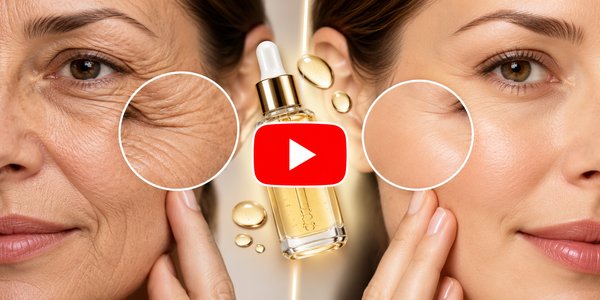
👉 DON’T TRY THIS “DOES RETINOL HELP WITH WRINKLES?” UNTIL YOU SEE THIS
Popular trends such as the retinol sandwich method, skin cycling, and barrier-focused skincare may make treatment more comfortable. Understanding their limitations helps distinguish evidence-based practices from viral beauty claims.
What Is Retinol, and How Does It Work for Wrinkles?
Retinol is a form of vitamin A belonging to the retinoid family. It appears in creams, serums, and other skincare products targeting fine lines, uneven pigmentation, and rough texture.
After application, skin enzymes convert retinol to retinaldehyde and eventually to retinoic acid, which interacts with receptors that regulate skin cell activity.
Retinoids influence epidermal renewal and collagen metabolism. These processes can gradually improve the appearance of photoaged skin.
Unlike moisturizers that temporarily soften dehydration lines, retinol may produce longer-lasting structural improvements.
Nevertheless, outcomes depend heavily on the specific product and consistent use.
Does Retinol Really Reduce Fine Lines and Deep Wrinkles?
Retinol’s effectiveness depends partly on wrinkle severity, location, and underlying causes.
➢ Fine Lines and Early Wrinkles
Photoaging-related fine lines may respond to topical retinoids. Improvements can include smoother skin texture and less visible wrinkles.
Clinical studies report benefits from certain retinol formulations, though study quality and product concentrations vary.
➢ Deep Forehead Wrinkles
Deep forehead wrinkles develop from repeated facial movements, changes in collagen, and natural aging.
Retinol may modestly improve their appearance but cannot reliably eliminate established expression lines.
➢ Under-Eye Wrinkles and Crow’s Feet
Carefully formulated retinol eye products may improve fine wrinkles around the eyes.
Because eyelid skin is delicate, ordinary facial retinol should not be applied close to the eyes unless its instructions specifically permit this.
👉 DON’T TRY THIS “DOES RETINOL HELP WITH WRINKLES?” UNTIL YOU SEE THIS
How Long Does Retinol Take to Work on Wrinkles?
Retinol results develop gradually, not immediately.
| Timeline | Possible Results |
| Weeks 1–2 | Dryness or mild irritation |
| Weeks 3–4 | Early texture changes |
| Weeks 6–8 | Gradual smoothness improvements |
| Weeks 8–12 | Some fine lines may appear softer |
| Months 3–6 | More noticeable wrinkle improvements |
| Months 6–12 | Continued improvement or maintenance |
These are approximate timelines, not guaranteed milestones. Some clinical studies report improvements within eight to twelve weeks, while others require longer observation.
Photographing your skin monthly under consistent lighting can help you spot changes without relying on misleading daily comparisons.
What Percentage of Retinol Is Best for Wrinkles?
The best retinol strength depends on your tolerance, experience, and the formulation.
✅ Retinol 0.1% for Beginners
Lower concentrations may be appropriate for people introducing retinol into their nighttime skincare routine.
Starting gradually helps identify sensitivity before increasing how often you apply it.
✅ Retinol 0.3% for Fine Lines
Moderate concentrations are commonly used for early photoaging, texture irregularities, and fine wrinkles.
Clinical comparisons suggest that moderate strengths can provide benefits, although irritation remains possible.
✅ Retinol 0.5% to 1% for Experienced Users
Higher concentrations may produce stronger effects but can increase dryness, redness, and peeling.
More concentrated products are not automatically better. Formulation stability and skin tolerance also influence effectiveness.
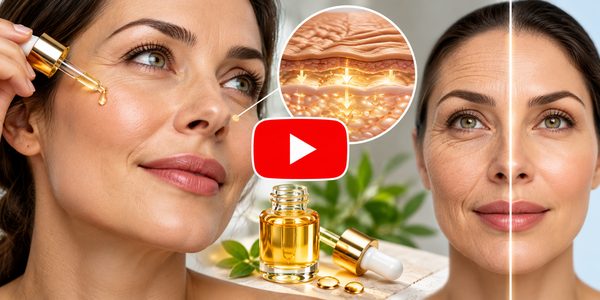
👉 DON’T TRY THIS “DOES RETINOL HELP WITH WRINKLES?” UNTIL YOU SEE THIS
Retinol vs Tretinoin: Which Is Better for Wrinkles?
Both ingredients the retinoids, but their clinical evidence and potency differ.
| Feature | Retinol | Tretinoin |
| Availability | Over the counter | Prescription |
| Strength | Formulation-dependent | Generally more potent |
| Wrinkle evidence | Limited to moderate | Stronger clinical evidence |
| Irritation | Often milder | Frequently greater |
| Results | Usually gradual | May appear sooner |
Tretinoin is generally better supported for treating photoaging. Retinol remains an accessible option for individuals seeking gradual improvements without prescription treatment.
Viral Retinol Hacks: Which Trends Actually Work?
Recent skincare discussions increasingly emphasize barrier protection rather than aggressive treatment.
1. Retinol Sandwich Method
The sandwich technique involves applying moisturizer, then retinol, then another layer of moisturizer.
This approach may improve comfort for sensitive skin, although evidence that it reduces wrinkles is limited.
2. Skin Cycling Routine
Skin cycling alternates active ingredients with recovery nights.
A typical schedule includes exfoliation, retinol, and recovery nights with moisturizer.
It may help some users manage irritation, but the complete routine has not been established as superior through robust clinical trials.
3. Retinol Slugging
Slugging involves applying a thick occlusive product over skincare.
Combining heavy occlusion with retinol may increase irritation in certain individuals.
Using a regular moisturizer is generally a more predictable, beginner-friendly approach.
4. Retinol and Hyaluronic Acid
Hyaluronic acid attracts moisture and helps improve skin hydration.
Pairing it with retinol may reduce dryness and temporarily soften dehydration lines, making your skincare routine more comfortable.
👉 DON’T TRY THIS “DOES RETINOL HELP WITH WRINKLES?” UNTIL YOU SEE THIS
How to Use Retinol for Wrinkles: Step-by-Step Routine
A simple routine supports consistency while minimizing unnecessary irritation.
- Cleanse gently: Wash your face with a mild cleanser and let your skin dry completely.
- Apply retinol: Use approximately one pea-sized amount for the entire face, avoiding sensitive areas.
- Moisturize: Apply a fragrance-free moisturizer to support the skin barrier.
- Protect your skin: Use broad-spectrum SPF 30 or higher every morning.
Start with two nights a week and increase frequency gradually as tolerated.
Avoid introducing exfoliating acids, harsh scrubs, and multiple retinoids at once.
Does Retinol Make Wrinkles Worse Before Better?
Retinol may initially make fine lines look more noticeable because dryness temporarily reduces skin plumpness.
This appearance does not necessarily indicate accelerated aging.
However, persistent burning, redness, cracking, or inflammation signals irritation rather than beneficial treatment.
Reduce application frequency or discontinue use if you experience significant reactions.
Retinol Side Effects and Safety Precautions
Common side effects include dryness, peeling, redness, stinging, and irritation.
Individuals with eczema, rosacea, or sensitive skin may require professional guidance before starting treatment.
Retinoids should be avoided during pregnancy. People planning pregnancy should consult their healthcare professional about suitable alternatives.
Severe reactions, blistering, swelling, or persistent discomfort warrant medical evaluation.
Daily sunscreen remains essential because ultraviolet exposure contributes substantially to wrinkle development.
👉 DON’T TRY THIS “DOES RETINOL HELP WITH WRINKLES?” UNTIL YOU SEE THIS
Common Retinol Mistakes That Reduce Results
Several avoidable mistakes can undermine an otherwise reasonable skincare routine.
- Using too much product: More retinol increases irritation risk without guaranteeing faster improvement.
- Skipping sunscreen: Ongoing UV damage can undermine anti-aging efforts.
- Changing products frequently: Constant switching makes it hard to assess effectiveness.
- Combining harsh ingredients: Aggressive exfoliation may damage the skin barrier.
- Expecting immediate results: Visible improvements typically take months of consistent use.
A gentle, sustainable routine is preferable to chasing rapid transformations.
Does Retinol Prevent Wrinkles and Skin Aging?
Retinol may help improve early photoaging changes, but it cannot completely prevent wrinkles or stop biological aging.
Sun protection remains the most important strategy for preventing avoidable ultraviolet-related damage.
Avoiding smoking, getting enough sleep, and moisturizing regularly also support healthy-looking skin.
Younger adults without specific skincare concerns do not automatically need retinol.
Conclusion: Is Retinol Worth Using for Wrinkles?
When used consistently, retinol can help improve fine lines, uneven texture, and certain visible signs of photoaging.
Effectiveness varies by formulation, and prescription tretinoin has stronger supporting evidence.
The most practical approach combines appropriate retinol strength, gradual application, gentle moisturization, and reliable sunscreen.
Viral techniques may improve tolerability, but they cannot replace proven skincare fundamentals.
For persistent wrinkles or sensitive skin, a dermatologist-guided approach can offer more individualized options and realistic expectations.
👉 DON’T TRY THIS “DOES RETINOL HELP WITH WRINKLES?” UNTIL YOU SEE THIS
References
- Wikipedia – Retinol: Vitamin A, Biological Functions, and Skin Applications
https://en.wikipedia.org/wiki/Retinol
- Healthline – How Does Retinol Work? Benefits, Results, and Side Effects
https://www.healthline.com/health/beauty-skin-care/how-does-retinol-work
- PubMed – Improvement of Naturally Aged Skin With Vitamin A (Retinol)
https://pubmed.ncbi.nlm.nih.gov/17515510/
About Us
