
Does L-Carnitine Burn Fat? Benefits, Results & Side Effects
L-Carnitine is a naturally occurring compound that plays an important role in how the body converts fat into usable energy.
It has become a popular ingredient in weight management supplements, fitness products, and workout formulas because of its involvement in fatty acid metabolism.
Many people interested in losing weight, reducing stubborn belly fat, or improving exercise performance ask the same question: Does L-Carnitine burn fat?
Does L-Carnitine Burn Fat explores how L-Carnitine supports fat metabolism, weight loss benefits, belly fat reduction, recommended dosage, scientific evidence, potential side effects, and ways to achieve healthy weight management.
👉 DON’T TRY THIS “ DOES L-CARNITINE BURN FAT” UNTIL YOU SEE THIS
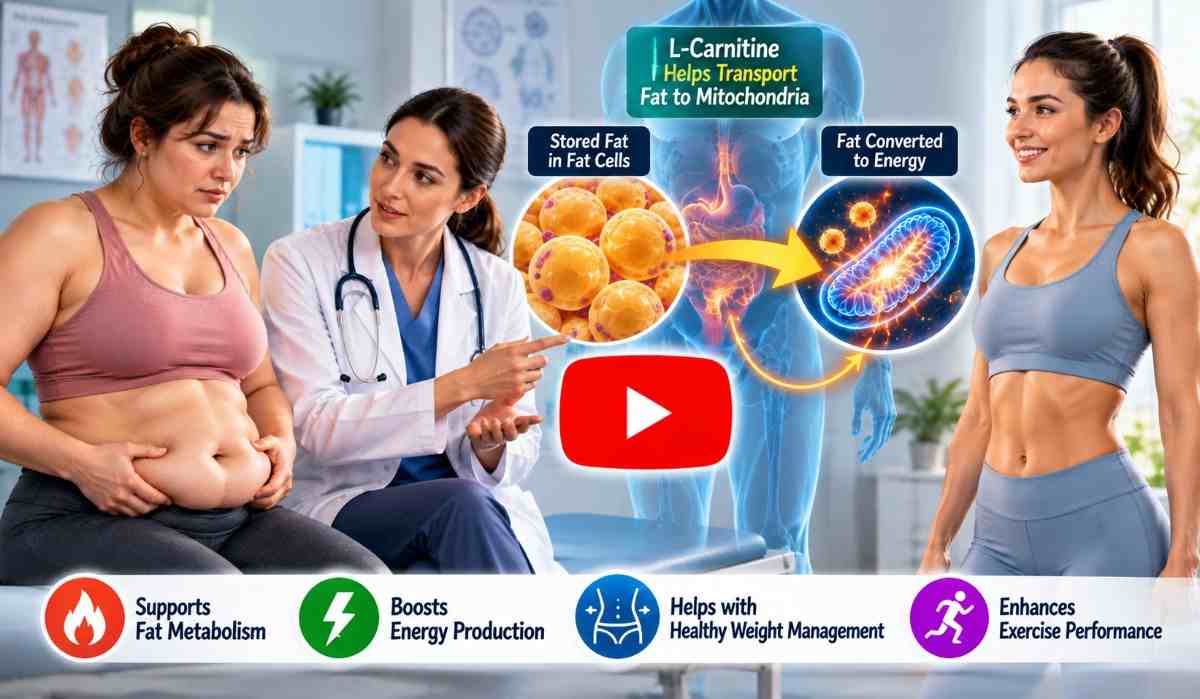
The answer is that L-Carnitine helps transport long-chain fatty acids into mitochondria, where they can be broken down to produce energy.
Research suggests that L-Carnitine supplementation may produce modest reductions in body weight in certain populations, particularly people with overweight or obesity.
L-Carnitine supports normal fat metabolism, but it is not a miracle fat burner. Sustainable weight management still depends primarily on nutrition, physical activity, sleep, and long-term lifestyle habits.
Quick Answer: Does L-Carnitine Burn Fat?
Yes, L-Carnitine helps the body metabolize fat for energy, but supplements do not directly melt body fat.
Research shows small average weight loss benefits in some groups, while healthy adults with adequate carnitine levels may experience little or no noticeable change.
| Key Factor | L-Carnitine Overview |
|---|---|
| Compound | L-Carnitine |
| Main Function | Transports long-chain fatty acids into mitochondria |
| Fat-Burning Role | Supports normal fatty acid oxidation |
| Weight Loss Benefits | Modest benefits in some clinical studies |
| Belly Fat Reduction | No reliable evidence of targeted belly fat loss |
| Exercise Support | Possible benefits in selected populations |
| Common Study Dosages | Approximately 1,000–3,000 mg daily |
| Natural Sources | Meat, fish, poultry, and dairy products |
| Side Effects | Nausea, cramps, diarrhea, and fishy body odor |
| Best Approach | Combine evidence-based lifestyle changes with medical guidance |
What Is L-Carnitine?
L-Carnitine is a naturally occurring compound made from the amino acids lysine and methionine. The body produces it primarily in the liver and kidneys, while dietary sources such as meat, fish, poultry, and dairy products provide additional amounts.
Its primary function is to support energy metabolism by helping transport long-chain fatty acids into mitochondria, the structures responsible for producing cellular energy.
Approximately 95% of the body’s carnitine is stored in skeletal and cardiac muscles, where energy requirements can be substantial.
L-carnitine is often included in supplements for weight management, exercise performance, and recovery.
Supplementation may be medically necessary for individuals with specific carnitine deficiencies, but the benefits for otherwise healthy people remain less certain.
L-Carnitine is essential for normal fat metabolism, but taking more than your body needs does not necessarily increase fat loss.
👉 DON’T TRY THIS “ DOES L-CARNITINE BURN FAT” UNTIL YOU SEE THIS
How Does L-Carnitine Work for Fat Burning?
L-Carnitine supports fat metabolism through a biological process that involves transporting fatty acids into cells and producing energy.
The body stores excess energy primarily as triglycerides in fat tissue. When energy is needed, stored triglycerides can be broken down into fatty acids, which may be used as fuel.
L-Carnitine plays a central role in this process:
Step 1: Fatty Acids Become Available for Energy
During physical activity, fasting, and normal daily metabolism, the body releases fatty acids from stored triglycerides.
These fatty acids can travel through the bloodstream and become available to tissues that use fat for energy.
Step 2: L-Carnitine Helps Transport Fatty Acids
Long-chain fatty acids are converted into compounds that can enter the mitochondrial transport system.
Step 3: Mitochondria Produce Energy
Inside mitochondria, fatty acids undergo beta-oxidation. This process generates molecules that contribute to the production of adenosine triphosphate (ATP), the body’s primary cellular energy currency.
Step 4: Energy Balance Determines Fat Loss
Although L-Carnitine supports fat oxidation, losing stored body fat generally requires a sustained energy deficit.
If calorie intake consistently exceeds energy expenditure, the body can continue storing excess energy even while burning some fat for fuel.
The important distinction is that burning fat for energy and losing body fat are not always the same thing.
Does L-Carnitine Actually Help You Lose Weight?
Scientific research suggests L-Carnitine may provide modest weight-loss benefits, but the effects are generally smaller than those associated with established lifestyle interventions.
A systematic review and meta-analysis published in Clinical Nutrition ESPEN evaluated 37 randomized controlled trials involving 2,292 participants.
The researchers reported that L-Carnitine supplementation was associated with an average reduction of approximately 1.21 kilograms in body weight compared with control groups.
The analysis also found reductions in body mass index and fat mass. These findings suggest that L-Carnitine may help certain individuals lose a small additional amount of weight.
Who Might Experience Greater Benefits?
Potential benefits may be more noticeable among:
-
Adults with overweight or obesity
-
Individuals with documented carnitine deficiency
-
Certain people with metabolic health conditions
-
People following structured dietary and exercise programs
This does not mean everyone in these groups will experience meaningful weight loss. Clinical studies support a possible modest benefit, not dramatic or guaranteed fat reduction.
Does L-Carnitine Burn Belly Fat?
Abdominal fat includes subcutaneous fat beneath the skin and visceral fat surrounding internal organs.
Excess visceral fat is associated with increased risks of several metabolic conditions, including type 2 diabetes and cardiovascular disease.
Although some studies report small reductions in overall body weight or fat mass, research has not consistently demonstrated significant reductions in waist circumference.
The 37-trial meta-analysis mentioned earlier found no statistically significant overall effect on waist circumference.
Can L-Carnitine Reduce Visceral Fat?
There is insufficient high-quality evidence to conclude that L-Carnitine reliably reduces visceral abdominal fat.
Any improvement in abdominal measurements may be related to overall weight loss rather than a direct effect on fat stored around the waist.
👉 DON’T TRY THIS “ DOES L-CARNITINE BURN FAT” UNTIL YOU SEE THIS
What Actually Helps Reduce Belly Fat?
Strategies supported by stronger evidence include:
-
Maintaining an appropriate calorie deficit.
-
Performing regular aerobic exercise.
-
Including resistance training.
-
Eating adequate protein and fiber.
-
Improving sleep quality.
-
Managing metabolic risk factors with professional guidance.
What Are the Benefits of L-Carnitine?
L-Carnitine has several established biological functions and a number of potential supplemental benefits under investigation.
1. Supports Normal Fat Metabolism
L-Carnitine helps transport long-chain fatty acids into mitochondria, allowing cells to use them for energy production.
This function is essential for normal metabolism, although supplementation does not necessarily accelerate the process.
2. May Support Modest Weight Reduction
Some randomized trials have reported small reductions in body weight among people taking L-Carnitine supplements.
The evidence is strongest for modest average effects in selected populations rather than substantial weight loss.
3. Contributes to Cellular Energy Production
By participating in fatty acid oxidation, L-Carnitine supports the body’s normal energy-producing processes.
Additional supplementation has not consistently been shown to increase everyday energy levels in healthy adults.
4. May Influence Exercise Recovery
Some studies suggest L-Carnitine supplementation may improve selected markers of muscle recovery or exercise-related soreness.
Findings remain mixed, and benefits may depend on the population, supplement formulation, and exercise protocol.
5. Supports Muscle Metabolic Function
Skeletal muscle contains much of the body’s carnitine supply. Maintaining normal carnitine availability helps muscle cells use fatty acids during energy metabolism.
6. May Help Certain People With Carnitine Deficiency
People with medically diagnosed carnitine deficiency can experience muscle weakness, fatigue, and other complications.
Appropriately prescribed carnitine replacement can help correct deficiency-related problems. This medical use should not be confused with routine supplementation for weight loss.

👉 DON’T TRY THIS “ DOES L-CARNITINE BURN FAT” UNTIL YOU SEE THIS
How Long Does L-Carnitine Take to Work for Fat Loss?
People often want to know whether L-Carnitine produces visible changes within days or weeks. The answer depends on what outcome is being measured.
L-Carnitine participates in energy metabolism continuously, but taking a supplement does not necessarily cause a measurable change in body composition.
Weeks 1–2: Beginning Supplementation
During the first two weeks, many people will notice no visible weight-loss effect attributable to L-Carnitine.
Changes in body weight during this period may reflect water balance, food intake, and physical activity.
Weeks 3–4: Monitoring Lifestyle Progress
People following a structured nutrition and exercise program may begin noticing changes in fitness, weight, or measurements.
Weeks 5–8: Assessing Weight Trends
Consistent weight measurements may help identify whether a sustainable weight-management program is working.
There is no reliable evidence that L-Carnitine produces a predictable amount of fat loss during this period.
Weeks 9–12: Reviewing Overall Results
After several months, individuals can assess changes in body weight, waist measurements, strength, and general well-being.
If supplementation provides no clear benefit, continuing it solely for weight loss may not be worthwhile.
What Is the Best L-Carnitine Dosage for Fat Burning?
Common supplemental amounts studied for weight management range from approximately 1,000 to 3,000 mg daily.
A dose-response analysis found that approximately 2,000 mg daily was associated with the greatest average weight reduction among the studied doses.
This finding does not establish 2,000 mg as a universally effective or medically recommended fat-loss dose.
| Daily Amount | Research and Safety Considerations |
|---|---|
| 500 mg | Used in some supplements; limited evidence for meaningful fat loss |
| 1,000 mg | Within ranges studied for metabolic outcomes |
| 1,500 mg | Common supplemental amount without guaranteed weight-loss effects |
| 2,000 mg | Associated with the greatest average weight reduction in one dose-response analysis |
| 3,000 mg | Higher likelihood of gastrointestinal side effects |
| Above 3,000 mg | Greater safety concerns; should not be used casually |
There is no established recommended daily allowance for carnitine because healthy individuals generally synthesize sufficient amounts.
Patients with kidney disease, seizure disorders, or other medical conditions should obtain medical advice before supplementation.
When Is the Best Time to Take L-Carnitine?
There is no strong evidence that taking L-Carnitine at a particular time of day produces greater weight loss. Some people prefer taking it before exercise, while others use it with meals.
Before a Workout
Pre-workout supplementation is popular because L-Carnitine participates in energy metabolism. Taking a dose immediately before exercising has not been shown to reliably increase fat burning during that workout.
With Meals
Taking L-Carnitine with food may be more comfortable for individuals who experience digestive discomfort.
Following the manufacturer’s instructions and professional guidance is preferable to assuming a particular timing strategy improves results.
Morning or Evening
The available evidence does not establish that morning supplementation is more effective than evening supplementation for weight loss.
L-Carnitine vs. Other Fat-Burning Supplements
Weight-loss supplements frequently contain compounds intended to influence metabolism, energy expenditure, or appetite.
These ingredients work through different mechanisms, and none should be considered a substitute for an appropriate weight-management program.
| Supplement | Main Proposed Role | Weight-Loss Evidence |
|---|---|---|
| L-Carnitine | Fatty acid transportation | Possible modest weight reduction |
| Green Tea Extract | Catechin-related metabolic effects | Small or inconsistent effects |
| Caffeine | Temporary stimulation and increased energy expenditure | Limited long-term weight-loss effects |
| CLA | Proposed influence on fat metabolism | Small and inconsistent benefits |
| Chromium | Involved in normal macronutrient metabolism | Minimal weight-loss benefit |
| Protein Supplements | Help meet protein needs and support satiety | Useful when supporting an appropriate dietary plan |
Combining multiple supplements does not necessarily improve effectiveness.
Some weight-loss products also contain stimulants or undeclared ingredients that may pose health risks.
👉 DON’T TRY THIS “ DOES L-CARNITINE BURN FAT” UNTIL YOU SEE THIS
Does L-Carnitine Work Without Exercise?
L-Carnitine is involved in fat metabolism whether a person exercises or not.That does not mean supplementation alone will produce significant weight loss.
Exercise increases energy expenditure and offers important cardiovascular, metabolic, and muscular benefits.
People who take L-Carnitine without modifying their diet or activity level may experience little or no change in body weight.
For sustainable weight management, the most important factors include:
-
Appropriate calorie intake
-
Balanced nutrition
-
Regular movement
-
Resistance training
-
Sufficient sleep
-
Long-term consistency
Can Women Take L-Carnitine for Weight Loss?
Supplementation has been studied in adults of different sexes, including women with metabolic health conditions.
Hormonal changes, age, medication use, activity levels, and underlying health conditions can influence weight management.
Women who are pregnant, breastfeeding, or managing a medical condition should consult a healthcare professional before using supplements.
Those experiencing unexplained weight changes may also benefit from evaluation for thyroid disorders, medication effects, or other health concerns.
Does L-Carnitine Help Preserve Muscle During Weight Loss?
Preserving muscle is an important part of healthy weight management. When people reduce calorie intake, they may lose both fat mass and lean tissue.
Resistance training and adequate protein intake are well-established strategies for supporting muscle retention.
L-Carnitine has been studied for potential effects on exercise recovery and body composition, but current evidence does not establish that it reliably prevents muscle loss during dieting.
Some studies have reported improvements in selected body composition measures, while others have found little benefit.
People seeking to maintain muscle should prioritize resistance exercise, sufficient dietary protein, and an appropriate rate of weight loss rather than relying primarily on supplementation.
What Foods Naturally Contain L-Carnitine?
L-Carnitine occurs naturally in several foods, particularly animal-derived products.
| Food | Relative Carnitine Content |
|---|---|
| Beef | High |
| Lamb | High |
| Pork | Moderate |
| Fish | Low to moderate |
| Chicken | Lower |
| Milk and dairy products | Small amounts |
| Vegetables and fruits | Very small amounts |
| Whole grains | Very small amounts |
Healthy people who eat little or no animal food can still synthesize carnitine, so vegetarian or vegan diets do not automatically cause deficiency.
A balanced dietary pattern can support normal metabolism without requiring a dedicated L-Carnitine supplement.
What Are the Side Effects of L-Carnitine?
L-Carnitine supplements are generally tolerated at amounts used in many clinical studies, but adverse effects can occur.
Common Side Effects
-
Nausea
-
Vomiting
-
Abdominal cramps
-
Diarrhea
-
Fishy body odor
-
Digestive discomfort
These effects are more likely at higher supplemental doses, particularly around 3 grams daily or more.
Seizure Risk
L-Carnitine supplementation may increase seizure risk in susceptible individuals, particularly those with seizure disorders.
Kidney Disease Considerations
People with significant kidney disease may have altered carnitine metabolism and require specialized treatment.
High-dose supplementation should not be used without guidance from a qualified healthcare professional.
Potential Cardiovascular Concerns
Intestinal bacteria can convert carnitine into compounds that contribute to the formation of trimethylamine N-oxide (TMAO).
Elevated TMAO levels have been associated with cardiovascular risk in some research. The clinical significance of supplement-related TMAO increases remains uncertain, and more research is needed.
Medication Interactions
Certain medications can influence carnitine levels or interact with supplementation. Taking prescription medications should discuss L-Carnitine use with their clinician or pharmacist.

👉 DON’T TRY THIS “ DOES L-CARNITINE BURN FAT” UNTIL YOU SEE THIS
Who Should Consider Avoiding L-Carnitine Supplements?
Although L-Carnitine occurs naturally in the body, supplementation is not appropriate for everyone.
Additional caution is important for people with:
-
A history of seizures.
-
Significant kidney disease.
-
Complex cardiovascular conditions.
-
Multiple prescription medications.
-
Pregnancy or breastfeeding.
-
Previous adverse reactions to carnitine products.
People with diagnosed carnitine deficiency may require treatment, but dosing and monitoring should be individualized.
How to Support Fat Loss Naturally
Rather than relying exclusively on L-Carnitine, individuals seeking sustainable weight reduction should focus on habits supported by stronger clinical evidence.
1. Create a Sustainable Calorie Deficit
Weight loss generally occurs when energy expenditure exceeds energy intake over time.A moderate, sustainable deficit is often easier to maintain than extreme restriction.
2. Prioritize Protein-Rich Foods
Protein helps support muscle maintenance and can improve feelings of fullness. Foods such as eggs, fish, beans, yogurt, and lean meats can contribute to adequate protein intake.
3. Perform Regular Resistance Training
Strength training helps maintain muscle during weight reduction and supports long-term physical function.
4. Include Aerobic Activity
Walking, cycling, swimming, and similar activities increase energy expenditure and improve cardiovascular fitness.
5. Improve Sleep Quality
Insufficient sleep can influence appetite regulation, food choices, and weight-management behaviors.
6. Monitor Progress Over Time
Evaluating trends over several weeks, alongside waist measurements and fitness improvements, provides a more useful picture than relying on daily scale readings.
Final Thoughts
L-Carnitine plays an essential role in the body’s ability to convert fatty acids into energy, but taking additional L-Carnitine does not automatically produce significant fat loss.
Scientific studies suggest supplementation may provide a modest reduction in body weight, particularly among certain adults with overweight or obesity.
L-Carnitine may be useful in specific medical circumstances, especially when a deficiency has been diagnosed.
Anyone considering supplementation should review the potential benefits, side effects, medication interactions, and appropriate dosage with a healthcare professional.
For sustainable fat loss, balanced nutrition, regular physical activity, resistance training, adequate sleep, and consistent lifestyle habits remain the most reliable foundation.
The bottom line: L-Carnitine helps your body use fat for energy, but successful weight management requires more than a fat-burning supplement.
👉 DON’T TRY THIS “ DOES L-CARNITINE BURN FAT” UNTIL YOU SEE THIS
.
.
.
.
.
References
https://ods.od.nih.gov/factsheets/Carnitine-HealthProfessional/
https://ods.od.nih.gov/factsheets/Carnitine-Consumer/
https://pubmed.ncbi.nlm.nih.gov/32359762/
https://ods.od.nih.gov/factsheets/WeightLoss-HealthProfessional/
.
.
.
About Us
