
Does Deep Breathing Reduce Stress? Science-Backed Benefits
Yes, deep breathing can reduce stress by calming the nervous system, lowering physical tension, and encouraging relaxation.
Practicing slow, controlled breathing for five minutes daily may help manage anxiety, improve emotional balance, and support better sleep.
Recent research suggests that breathing exercises can influence the body’s natural stress response.
Trending techniques such as physiological sighing, box breathing, and extended exhalation offer accessible ways to manage everyday pressure.
👉 DON’T TRY THIS “DOES DEEP BREATHING REDUCE STRESS?” UNTIL YOU SEE THIS
However, effective deep breathing involves more than taking large breaths. Breathing slowly, maintaining a comfortable rhythm, and practicing consistently are essential for achieving relaxation without unnecessary discomfort.
How Does Deep Breathing Reduce Stress Naturally?
When you experience stress, the sympathetic nervous system activates the fight-or-flight response. Your heart rate increases, muscles tighten, and your breathing speeds up.
Slow breathing encourages parasympathetic nervous system activity, helping the body shift toward relaxation.
Controlled breathing may support stress management by:
- Reducing excessive nervous system activity.
- Encouraging a slower heart rate.
- Relieving physical and emotional tension.
- Supporting healthy heart rate variability.
- Improving awareness of stressful thoughts.
These physiological changes may help you respond more calmly to challenging situations.
Scientific Evidence Behind Deep Breathing and Stress Relief
A 2023 meta-analysis published in Scientific Reports found that breathwork was associated with reductions in self-reported stress, anxiety, and depressive symptoms.
A 2026 systematic review examining box breathing also identified potential improvements in certain immediate stress responses, including heart rate and anxiety.
However, researchers have not established that every breathing technique produces identical results. Individual responses vary depending on breathing patterns, health conditions, and consistency of practice.
Current evidence supports breathwork as a complementary stress management strategy rather than a replacement for professional mental healthcare.
Does Deep Breathing Lower Cortisol Levels?
Cortisol is an essential hormone involved in the body’s stress response. Prolonged psychological stress may disrupt normal cortisol regulation and contribute to sleeping difficulties, fatigue, and emotional changes.
Diaphragmatic breathing may help reduce physiological stress and potentially influence cortisol levels. However, research findings remain inconsistent.
Viral claims suggesting that breathing exercises instantly eliminate cortisol or reverse hormonal imbalances are misleading.
The primary benefit of controlled breathing is supporting relaxation rather than completely suppressing essential stress hormones.
👉 DON’T TRY THIS “DOES DEEP BREATHING REDUCE STRESS?” UNTIL YOU SEE THIS
6 Best Deep Breathing Exercises for Stress and Anxiety
Different breathing techniques offer practical approaches to relaxation. Beginners should prioritize comfort instead of complicated breathing patterns.
1. Physiological Sigh: The Viral Stress Relief Hack
The physiological sigh involves two consecutive inhalations followed by a prolonged exhalation.
- Inhale gently through your nose.
- Take another smaller breath.
- Exhale slowly through your mouth.
- Return to normal breathing.
Research on daily cyclic sighing has shown promising improvements in mood and breathing rate. Avoid repeatedly forcing maximum inhalations.
2. Box Breathing for Mental Calmness
Box breathing combines four equally timed breathing stages.
Inhale for 4 seconds, hold for 4 seconds, exhale for 4 seconds, and pause for 4 seconds.
This structured technique may help manage nervousness before interviews, presentations, or stressful conversations. Shorten the intervals if necessary.
3. The 4-7-8 Breathing Technique
The popular 4-7-8 breathing method involves inhaling for four seconds, holding for seven seconds, and exhaling for eight seconds.
Although frequently recommended for nighttime relaxation, evidence supporting this exact breathing ratio remains limited.
Avoid prolonged breath-holding if it causes discomfort.
4. Diaphragmatic Breathing for Stress Reduction
Diaphragmatic breathing encourages natural abdominal movement during inhalation.
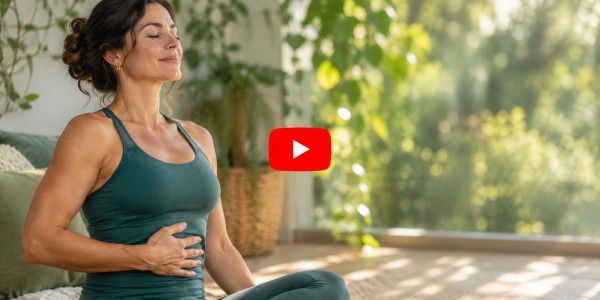
Place one hand on your abdomen and breathe gently through your nose. Allow your abdomen to expand before slowly breathing out.
This technique provides a comfortable starting point for beginners.
5. Extended Exhalation Breathing
Inhale comfortably for four seconds and exhale for approximately six seconds.
Longer exhalations may encourage relaxation, although they are not necessarily superior to other slow breathing patterns.
Avoid forcing air out of your lungs.
6. Coherent Breathing
Coherent breathing typically involves approximately five or six breaths per minute.
Maintaining a comfortable, steady rhythm may support cardiovascular regulation and relaxation.
Adjust your breathing speed whenever necessary rather than forcing a predetermined target.
👉 DON’T TRY THIS “DOES DEEP BREATHING REDUCE STRESS?” UNTIL YOU SEE THIS
Can Deep Breathing Reduce Stress in 60 Seconds?
Some individuals experience noticeable relaxation after one minute of controlled breathing. However, immediate results are not guaranteed.
Try sitting comfortably, relaxing your shoulders, and breathing slowly for sixty seconds.
This simple breathing hack may help interrupt escalating tension during everyday stressful situations. More persistent stress generally requires consistent management strategies.
Health Benefits of Deep Breathing Beyond Stress Relief
➢ Supports Better Sleep
Gentle breathing exercises before bedtime may reduce mental restlessness and help prepare the body for sleep.
➢ Improves Emotional Regulation
Controlled breathing encourages a brief pause before reacting emotionally, potentially supporting calmer responses during challenging situations.
➢ Reduces Muscle Tension
Relaxed breathing may ease unnecessary tightness around the shoulders, neck, and upper chest associated with psychological stress.
➢ Encourages Mental Focus
Focusing on comfortable breathing can redirect attention away from repetitive worries and support present moment awareness.
Trending Breathing Hacks for Stress Relief in 2026
✅ The Five-Minute Nervous System Reset
This popular wellness practice involves spending five minutes performing comfortable, controlled breathing.
Despite its name, the technique does not literally reset the nervous system. Instead, it may temporarily encourage relaxation.
✅ Micro Breathing Breaks
Taking brief breathing breaks between meetings, household activities, or extended screen sessions can make stress management more manageable.
Connecting breathing exercises with existing daily routines may improve consistency.
✅ Wearable Guided Breathing
Smartwatches and wellness applications provide breathing reminders and relaxation exercises.
Although these tools may encourage healthier habits, their stress scores should not be interpreted as medical diagnoses.
👉 DON’T TRY THIS “DOES DEEP BREATHING REDUCE STRESS?” UNTIL YOU SEE THIS
When Is the Best Time to Practice Deep Breathing?
Deep breathing can be practiced after waking, during work breaks, before stressful activities, or before bedtime.
Start with five minutes daily. Choose a quiet environment and sit comfortably.
Practicing when already relaxed may make breathing techniques easier to use during stressful situations.
Consistency matters more than choosing a particular time.
Common Deep Breathing Mistakes to Avoid
Incorrect breathing practices can sometimes increase discomfort.
Avoid taking excessively large breaths, breathing rapidly, holding your breath unnecessarily, or forcing longer exhalations.
Overbreathing can reduce carbon dioxide levels, potentially causing dizziness, tingling, and increased anxiety.
Gentle breathing should feel comfortable, not physically demanding.
Myths About Deep Breathing and Stress
Deep breathing instantly removes stress: Breathing exercises may reduce symptoms, but they cannot eliminate underlying stressors.
Bigger breaths produce better results: Excessively deep breathing may trigger uncomfortable symptoms.
Breathwork permanently cures anxiety: Controlled breathing can complement anxiety management but does not replace appropriate treatment.
Breathing hacks permanently reset the vagus nerve: Research supports temporary changes in autonomic regulation, not permanent biological resetting.
Is Deep Breathing Safe for Everyone?
Gentle breathing exercises are generally safe. However, individuals with cardiovascular conditions, respiratory diseases, or recurrent panic attacks should seek professional guidance when necessary.
Stop practicing if you experience dizziness, worsening breathlessness, or unusual discomfort.
Severe breathing difficulties or unexplained chest pain require immediate medical attention.
Persistent stress affecting sleep, relationships, or daily functioning deserves professional assessment.
Conclusion
Deep breathing can reduce stress by encouraging nervous system relaxation, easing physical tension, and supporting emotional regulation.
Evidence suggests that techniques such as physiological sighing, diaphragmatic breathing, and box breathing may offer meaningful stress management benefits.
Although viral breathing hacks sometimes exaggerate their effectiveness, comfortable breathwork remains an accessible complementary wellness practice.
Start with five minutes daily, avoid forceful breathing, and combine regular practice with healthy sleep, physical activity, and appropriate professional support for sustainable stress management.
👉 DON’T TRY THIS “DOES DEEP BREATHING REDUCE STRESS?” UNTIL YOU SEE THIS
References
- Wikipedia – Diaphragmatic Breathing
https://en.wikipedia.org/wiki/Diaphragmatic_breathing
- Healthline – 10 Breathing Techniques for Stress Relief
https://www.healthline.com/health/breathing-exercise
- PubMed – Effect of Breathwork on Stress and Mental Health: A Meta-Analysis
https://pubmed.ncbi.nlm.nih.gov/36624160/
About Us
