
Does Creatine Expire? Shelf Life, Safety & Storage Tips
Creatine is a popular supplement among athletes and fitness enthusiasts to support muscle strength, exercise performance, and workout recovery.
Creatine monohydrate powder is highly stable when stored properly, but its shelf life depends on packaging, temperature, and moisture exposure.
Does creatine expire? Yes, creatine supplements have expiration dates, although dry creatine may remain stable beyond that date under suitable storage conditions.
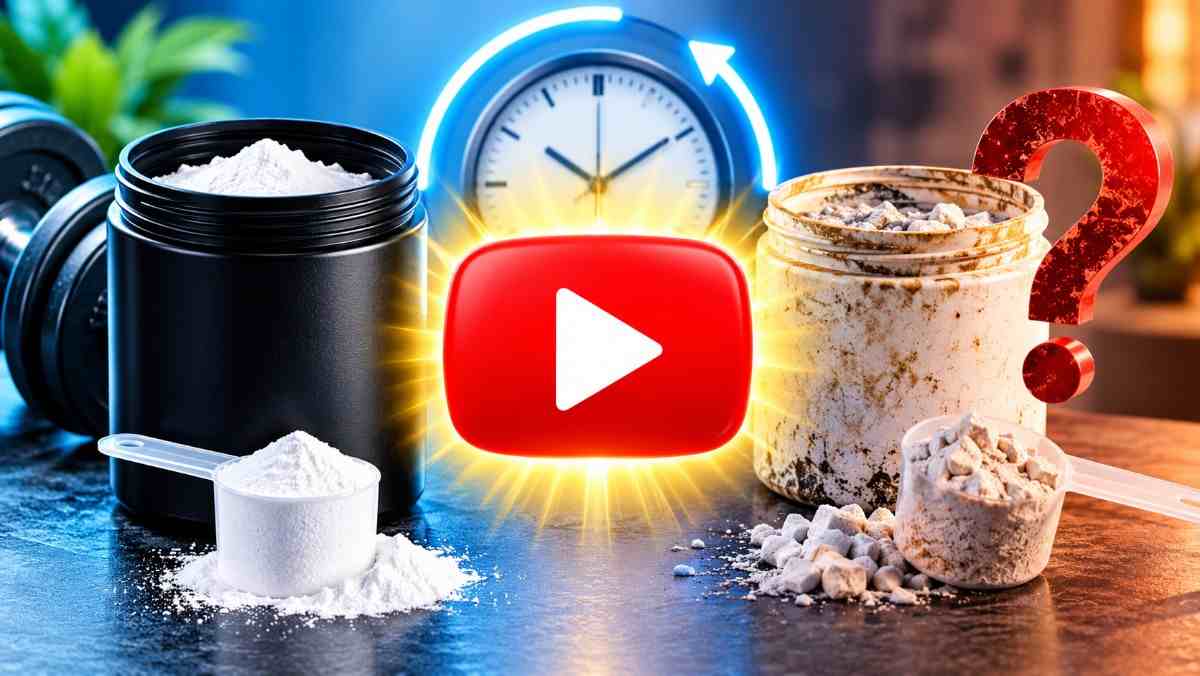
👉 DON’T TRY THIS “ DOES CREATINE EXPIRE” UNTIL YOU SEE THIS
Does Creatine Expire explores creatine’s shelf life, expiration signs, proper storage methods, and safety considerations to help maintain supplement quality and effectiveness.
Expired creatine does not automatically become harmful, but its quality, potency, and safety cannot be guaranteed after the manufacturer’s expiration date.
Proper storage helps preserve creatine quality and reduces exposure to moisture, heat, and contamination that may affect the supplement over time.
Understanding creatine’s shelf life, warning signs of spoilage, and correct storage methods helps you make informed decisions about using older supplements.
Does Creatine Expire?
Yes, creatine supplements have expiration dates, but dry creatine monohydrate powder is generally very stable.
It does not necessarily become ineffective or unsafe immediately after the date printed on its container.
Manufacturers establish expiration dates based on product stability, quality standards, packaging, and available testing.
These dates indicate the period during which the manufacturer expects the product to meet its specifications when stored according to the label.
Scientific research has found that creatine monohydrate powder can remain stable for several years, even under certain elevated-temperature conditions.
Liquid creatine and products containing additional ingredients may behave differently because water, acidity, and other formulation factors can influence stability.
How Long Does Creatine Last?
The shelf life of creatine depends on its form, packaging, storage environment, and exposure to moisture.
Dry creatine monohydrate is particularly stable. Published research has reported no measurable degradation under certain laboratory conditions after more than three years, although this does not guarantee identical results for every retail product.
👉 DON’T TRY THIS “ DOES CREATINE EXPIRE” UNTIL YOU SEE THIS
The following table provides a practical overview:
| Creatine Type | Shelf-Life Considerations |
|---|---|
| Creatine monohydrate powder | Generally stable for years when kept dry and properly sealed |
| Creatine capsules | Depends on the formula, capsule materials, packaging, and label date |
| Flavored creatine powder | Depends on moisture exposure and the stability of additional ingredients |
| Liquid creatine | Stability depends on the formulation, acidity, preservatives, and storage conditions |
| Creatine mixed with water | Best prepared shortly before consumption because stability can decline over time |
| Creatine blends | Depends on the stability of every ingredient in the formula |
These are general considerations rather than guaranteed expiration periods. Always follow the date and instructions provided for your specific product.
Does Creatine Powder Last Longer Than Liquid Creatine?
When creatine is mixed into a liquid, some of it can gradually convert into creatinine, a related compound.
The rate of conversion depends on factors such as temperature, acidity, and how long the solution remains stored.
Research has shown that creatine degradation in solution generally increases at lower pH levels and higher temperatures.
What Happens When Creatine Expires?
Creatine may remain chemically stable after its expiration date, but its potency and quality can vary depending on storage conditions and product formulation.
The expiration date indicates how long the manufacturer expects the product to meet its quality standards when stored as directed, not the exact day it becomes unusable.
1. Creatine May Gradually Lose Potency
Creatine monohydrate is stable in its dry form, but degradation can occur under certain conditions. When creatine breaks down into creatinine, the amount of intact creatine available decreases.
This process is generally much more relevant to creatine dissolved in liquid than to properly stored dry powder.
If your creatine is significantly past its expiration date, there is no simple way to determine its remaining potency just by looking at it.
2. Moisture Can Affect Product Quality
Repeatedly opening a container in a humid environment or introducing a wet scoop can allow moisture to enter. This may cause clumping and create conditions that compromise product quality.
Clumps alone do not prove that creatine has spoiled. However, unusual dampness, visible mold, discoloration, or an unexpected odor should prompt you to discard the product.
3. The Formula May Contain Less Stable Ingredients
Some products include flavorings, sweeteners, carbohydrates, vitamins, minerals, or other performance-related ingredients. These additional components may have different stability characteristics.
Consequently, research on pure creatine monohydrate cannot automatically establish the shelf life of a multi-ingredient formula.
4. Product Quality May Become Uncertain
Once a supplement is beyond its stated shelf life, the manufacturer may no longer guarantee that it meets its original specifications.
Even if the powder looks and smells normal, appearance alone cannot confirm its purity, potency, or microbiological quality.
For the most predictable results, use supplements within their labeled expiration period and replace products that have been improperly stored.
How to Tell If Creatine Has Gone Bad
Before using an older container of creatine, inspect the product and its packaging. A normal-looking powder doesn’t guarantee quality; certain warning signs can help you identify when to discard a supplement.
1. Check the Color
Pure creatine monohydrate powder is generally white. Unusual discoloration, dark patches, or visible foreign material may indicate contamination or deterioration.
2. Look for Unusual Clumping
Small, dry clumps may form because of humidity and do not automatically mean the powder has expired.
Large, damp, sticky, or discolored clumps are more concerning, especially when moisture has entered the container.
3. Check the Smell
Pure creatine monohydrate generally has little to no noticeable odor. A strong, unusual, sour, or musty smell is a reason to stop using the product.
4. Inspect the Container
Check for a broken seal, damaged lid, cracks, water exposure, or other signs that the packaging has failed. An improperly sealed container may expose the powder to humidity and contaminants.
5. Read the Expiration Date
Find the expiration or best-before date on the package. If it has passed, the product’s quality is less certain, even if the powder appears unchanged. Contact the manufacturer if you need clarification.
Important: Never taste an old supplement to determine whether it is safe. If you notice visible mold, unusual odors, significant moisture damage, or possible contamination, discard it rather than attempting to salvage it

👉 DON’T TRY THIS “ DOES CREATINE EXPIRE” UNTIL YOU SEE THIS
Is Expired Creatine Safe to Take?
Whether expired creatine is safe depends on its formulation, storage history, packaging condition, and the extent of any degradation.
Dry creatine monohydrate may remain chemically stable beyond its printed expiration date under favorable storage conditions.
Consider these situations:
-
Recently expired, properly stored powder: It may retain much of its original chemical stability, but its quality is not guaranteed.
-
Long-expired creatine: The longer the product remains beyond its stated shelf life, the less certain its original specifications become.
-
Moist or contaminated powder: Discard it, regardless of the printed date.
-
Expired liquid creatine: Be more cautious because dissolved creatine may degrade over time, depending on its formulation and storage conditions.
-
Expired multi-ingredient supplements: Consider the stability of the entire formula rather than creatine alone.
If you are unsure about an expired product, replacing it with an in-date supplement is the more reliable choice.
People who are pregnant, have underlying medical conditions, or take medications that may affect kidney function should consult a qualified healthcare professional before using creatine supplements.
How to Store Creatine to Extend Its Shelf Life
Proper storage helps preserve the quality of creatine and reduces avoidable exposure to moisture and contamination.
1. Store Creatine in a Cool, Dry Place
Choose a cupboard or pantry away from direct sunlight, excessive heat, and humidity. A stable indoor environment is generally more suitable than a hot car, windowsill, or damp bathroom.
Avoid leaving the container near ovens, radiators, or other heat sources. Always follow the manufacturer’s specific temperature recommendations.
2. Keep the Lid Tightly Closed
Close the container immediately after measuring your serving. Leaving the lid open can expose the powder to moisture and airborne particles.
If the original container becomes damaged, contact the manufacturer for advice on suitable storage. Any replacement container should be clean, completely dry, and appropriately sealed.
3. Use a Clean, Dry Scoop
Never put a wet scoop or damp spoon into creatine powder. Even a small amount of introduced moisture can affect the condition of the powder around the scoop.
4. Avoid Unnecessary Refrigeration
Dry creatine monohydrate does not generally need refrigeration when stored according to its label. Moving a container between cold and warm environments may also introduce condensation.
A cool, dry cupboard is usually more practical. If the manufacturer specifically recommends refrigeration for a particular product, follow those instructions.
5. Keep Creatine Away From Steam
Do not store your supplement beside a kettle, shower, dishwasher, or other source of steam. Repeated exposure to humidity may cause moisture to enter the container, particularly when it is opened frequently.
6. Follow the Manufacturer’s Instructions
Different products may have different packaging and storage requirements. Read the label carefully and follow any instructions concerning temperature, refrigeration, use after opening, and expiration.
Do not assume that the storage recommendations for pure creatine monohydrate also apply to liquid products or complex supplement blends.
👉 DON’T TRY THIS “ DOES CREATINE EXPIRE” UNTIL YOU SEE THIS
Does Creatine Lose Its Effectiveness Over Time?
Creatine monohydrate supports the body’s phosphocreatine stores, which help regenerate adenosine triphosphate (ATP), an important source of energy for muscle contractions.
This is one reason creatine is commonly used to support repeated high-intensity exercise and strength-training performance.
When stored as a dry powder under appropriate conditions, creatine monohydrate is remarkably stable.
Research indicates that substantial degradation does not necessarily occur simply because several years have passed.
It is important to distinguish between chemical stability and proven effectiveness. Even if a powder retains most of its creatine, the exact potency of an individual expired container cannot be confirmed without testing.
Other factors can influence your results, including:
-
Consistency of use.
-
Training intensity and exercise programming.
-
Overall dietary intake and protein consumption.
-
Sleep and recovery habits.
-
Individual differences in muscle creatine stores.
-
Product quality and the actual amount of creatine per serving.
Does Creatine Mixed With Water Expire Faster?
Yes, creatine’s stability changes when it is dissolved in water. In dry form, creatine monohydrate is generally stable for extended periods.
Once mixed with liquid, it can gradually convert into creatinine. This reaction is influenced by temperature, acidity, and storage duration.
For example, a drink prepared with creatine and consumed shortly afterward is different from a bottle that has been sitting for several days.
What Should You Do With Leftover Creatine Drinks?
The simplest approach is to prepare only the amount you plan to consume.
-
Mix your creatine shortly before drinking it.
-
Avoid leaving a prepared drink in a hot environment.
-
Do not assume refrigeration makes a prepared drink stable indefinitely.
-
Follow the storage instructions for ready-to-drink creatine products.
-
Discard prepared drinks that have been stored improperly or show signs of spoilage.
The rate of chemical degradation varies according to the liquid’s composition, so there is no single storage period that applies to every creatine drink.
If you need to prepare a drink in advance, check the product instructions and consider the type of beverage used.
Acidic drinks and warmer storage conditions can affect creatine stability differently from neutral, cool liquids.
Does Creatine Expire if It Has Never Been Opened?
An unopened creatine container is generally better protected from moisture, air, and environmental contamination than an opened container.
If your creatine is unopened and past its expiration date, check the packaging for damage, confirm the storage conditions, and contact the manufacturer if necessary.
Research on pure creatine monohydrate suggests considerable stability, but the findings cannot guarantee the quality of every commercial supplement.
The best practice is to follow the expiration date and replace the product if its condition or storage history is uncertain.

👉 DON’T TRY THIS “ DOES CREATINE EXPIRE” UNTIL YOU SEE THIS
Can You Use Creatine That Has Been Open for a Year?
A container opened a year ago may still contain good-quality creatine if it has remained tightly sealed between uses, stayed dry, and been stored in a suitable environment.
Before using it, check:
-
Whether the expiration date has passed.
-
Whether the lid and packaging remain intact.
-
Whether the powder has changed in color or odor.
-
Whether moisture or contamination may have entered.
-
Whether the manufacturer provides specific instructions for opened products.
If the powder has been exposed to moisture or stored in a humid environment, do not rely on its age alone to determine whether it is suitable for use.
Does Creatine Expire if It Gets Clumpy?
Not necessarily. Clumping can occur when creatine powder absorbs moisture from the surrounding air.
Small, dry clumps may not indicate significant chemical degradation, but they suggest that the storage environment deserves attention.
The concern is greater if the powder feels wet, develops an unusual odor, changes color, or shows visible mold.
Do not attempt to dry out damp or potentially contaminated creatine and then consume it. Discard the product if you suspect contamination or substantial moisture damage.
Can You Freeze Creatine to Make It Last Longer?
Freezing dry creatine is generally unnecessary. Properly stored creatine monohydrate is already highly stable, and freezing has not been established as a necessary way to extend its shelf life.
Repeatedly removing a cold container into warm, humid surroundings can create condensation when moisture in the air contacts cold surfaces.
Instead, store dry creatine in a cool, dry location, keep its lid closed, and follow the manufacturer’s storage recommendations.
Final Thoughts
Yes, creatine has an expiration date, but dry creatine monohydrate is highly stable and does not necessarily lose its effectiveness immediately after that date.
Research supports its stability over several years under suitable conditions, although individual products vary in formulation, packaging, and storage history.
To maintain product quality, store creatine in a cool, dry place, close the container tightly, and use a clean, dry scoop.
Remember that creatine powder and creatine dissolved in liquid have different stability characteristics.
Mixing a serving shortly before consumption is generally preferable to storing a prepared drink for an extended period.
👉 DON’T TRY THIS “ DOES CREATINE EXPIRE” UNTIL YOU SEE THIS
.
.
.
.
References
https://www.healthline.com/nutrition/does-creatine-expire
https://pmc.ncbi.nlm.nih.gov/articles/PMC7871530/
https://www.mdpi.com/2072-6643/14/5/1035
.
.
.
About Us
