
Does Brainrot Actually Rot Your Brain? Facts & Effects
Have you ever spent hours scrolling through TikTok, Instagram Reels, or YouTube Shorts and suddenly realized how much time has passed?
This common experience is often described as brainrot, a popular term associated with excessive digital content consumption.
Brainrot has become a familiar expression, especially among younger generations who regularly consume memes, viral trends, short videos, and repetitive online entertainment.
Does Brainrot Actually Rot Your Brain? explores how excessive social media use and short-form videos may affect attention, memory, concentration, and mental well-being.
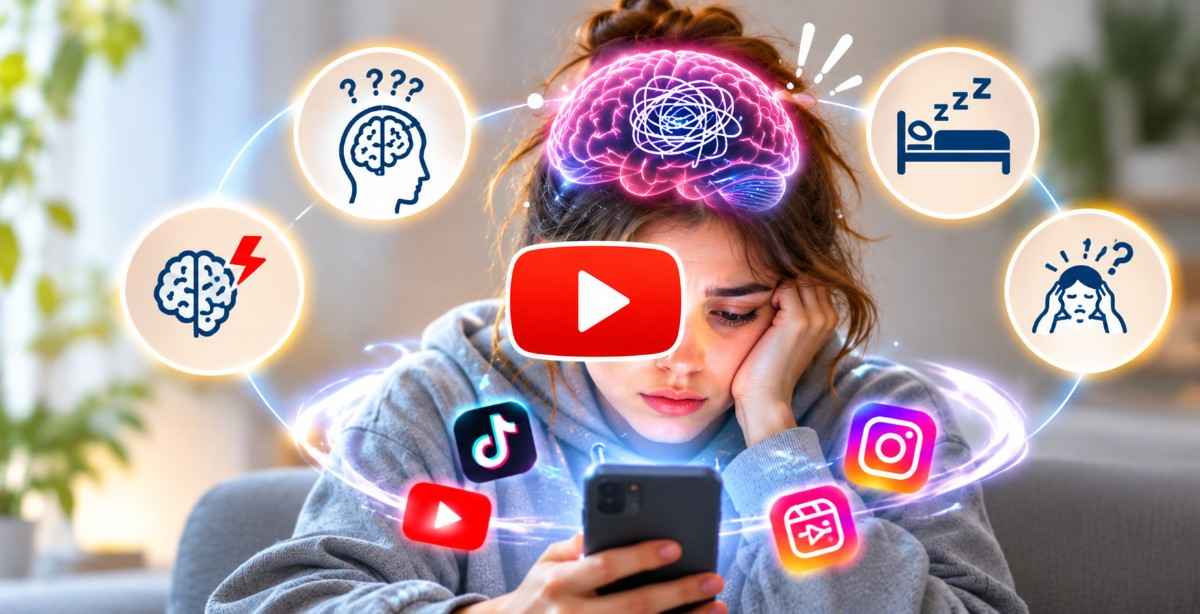
👉 DON’T TRY THIS “DOES BRAINROT ACTUALLY ROT YOUR BRAIN?” UNTIL YOU SEE THIS
The truth is that brainrot isn’t a recognized medical condition, and your brain doesn’t literally decay from watching short videos.
Constantly switching between videos, notifications, and online activities can make it harder to stay focused on tasks that require patience and deeper thinking.
Understanding how excessive digital consumption affects everyday mental functioning is important for maintaining a healthy relationship with technology.
What Does Brainrot Mean?
Brainrot is an informal internet expression used to describe the feeling of mental exhaustion, reduced concentration, or excessive preoccupation with online content.
It often refers to spending too much time consuming short videos, memes, viral trends, gaming clips, and repetitive social media posts.
The term became particularly popular among Gen Z and Gen Alpha, who frequently use it in conversations, comments, memes, and online communities.
In December 2024, Oxford University Press selected “brain rot” as its Word of the Year, reflecting growing public interest in the effects of consuming large amounts of trivial online material.
Brainrot can describe two slightly different experiences:
-
Excessive Content Consumption: Spending long periods watching entertaining but repetitive online material without actively learning, thinking, or engaging in other activities.
-
Mental Fatigue and Distraction: Feeling mentally tired, restless, or unable to concentrate after repeatedly switching between videos, notifications, and digital platforms.
Experiencing these feelings does not automatically mean that someone has developed a neurological problem.
Brainrot is best understood as a description of certain digital habits and their possible effects on everyday mental functioning.
👉 DON’T TRY THIS “DOES BRAINROT ACTUALLY ROT YOUR BRAIN?” UNTIL YOU SEE THIS
Does Brainrot Actually Rot Your Brain?
Your brain is a complex organ that continuously processes information, forms memories, regulates emotions, and adapts to different experiences.
Its functioning can be influenced by sleep, physical activity, stress, learning, nutrition, and everyday habits.
Excessive and poorly controlled digital media consumption may create patterns that affect how you concentrate, manage distractions, and regulate your emotions.
You might also become accustomed to receiving frequent entertainment and stimulation, making slower activities such as reading a book or studying feel less interesting.
Research published in Psychological Bulletin in 2025 examined 71 studies involving 98,299 participants.
The systematic review and meta-analysis found associations between greater short-form video consumption and poorer cognitive performance, particularly attention and inhibitory control.
How Does Excessive Screen Time Affect the Brain?
Digital platforms introduce another constant source of stimulation through videos, messages, sounds, notifications, images, and interactive content.
When screen use becomes excessive, especially when it interferes with important daily activities, several aspects of mental functioning may be affected.
1. Reduced Attention and Concentration
One of the most commonly discussed effects of excessive short-form video consumption is difficulty maintaining attention.
Platforms such as TikTok, Instagram Reels, and YouTube Shorts present a continuous stream of brief videos.
Users can move from one topic to another within seconds, often without making a conscious decision to stop watching.
2. Memory and Information Retention Problems
Learning something effectively usually requires more than simply looking at information; it involves attention, understanding, repetition, and meaningful connections.
Your attention is divided between several activities, making it harder to process each piece of information deeply.
To improve information retention, try completing one task at a time, reviewing important information, taking handwritten notes, and avoiding unnecessary interruptions while learning.
3. Increased Mental Fatigue
Consuming large amounts of digital content can leave some people feeling mentally exhausted. Watching videos may seem like a relaxing activity; constantly processing new images, sounds, conversations, and emotional reactions can become tiring.
You may experience:
-
Difficulty concentrating on ordinary activities.
-
A feeling of mental tiredness after scrolling.
-
Reduced motivation to complete important tasks.
-
Restlessness when nothing is entertaining to watch.
-
Difficulty switching from digital entertainment to productive activities.
Mental fatigue can also result from inadequate sleep, stress, dehydration, and other lifestyle factors. Therefore, it is important not to blame every concentration problem on social media.
4. Difficulty With Self-Control
Self-control is the ability to manage impulses, resist distractions, and make decisions that support longer-term goals.
Many social media platforms make it easy to continue consuming content through automatic video playback, personalized recommendations, notifications, and endless scrolling.
A person may initially intend to spend five minutes online but continue watching videos much longer than planned.
5. Changes in Motivation and Productivity
Another possible concern associated with excessive digital entertainment is reduced motivation for activities that require patience and sustained effort.
Short videos provide immediate entertainment with very little effort. In comparison, studying, learning a new skill, exercising, and completing professional assignments usually require time and persistence.
After spending several hours consuming highly stimulating content, ordinary responsibilities may temporarily feel less appealing.
👉 DON’T TRY THIS “DOES BRAINROT ACTUALLY ROT YOUR BRAIN?” UNTIL YOU SEE THIS
Can Brainrot Affect Your Mental Health?
Excessive social media use may affect emotional well-being, particularly when online activities become difficult to control or interfere with everyday responsibilities.
Digital platforms expose users to an enormous amount of information, including entertainment, social comparisons, negative news, arguments, unrealistic expectations, and emotionally stimulating material.
Depending on the content and individual circumstances, this exposure may contribute to stress, anxiety, frustration, or emotional exhaustion.
Some possible mental health effects include:
1. Anxiety and Restlessness
Constant notifications and the feeling of needing to remain connected may create pressure to check a phone frequently.
2. Increased Stress
Social media can expose people to upsetting news, online arguments, unrealistic lifestyles, and continuous streams of information.
Repeated exposure to emotionally demanding content may increase feelings of stress, particularly when someone spends excessive time browsing without taking breaks.
Setting boundaries around news consumption and social media use may help reduce unnecessary emotional overload.
3. Reduced Interest in Offline Activities
When online entertainment becomes the main source of enjoyment, some individuals may gradually spend less time participating in offline activities.
They may avoid hobbies, outdoor activities, reading, social interactions, or physical exercise because scrolling requires less effort.
4. Emotional Exhaustion
Switching between humorous videos, upsetting news, personal updates, and emotionally intense content can create a tiring online experience.
Some people may feel overwhelmed after prolonged scrolling, even when they cannot identify a specific reason.
Taking regular breaks and choosing content more intentionally can help make digital experiences less demanding.
Does Watching TikTok and YouTube Shorts Cause Brainrot?
Watching TikTok, Instagram Reels, and YouTube Shorts does not automatically cause brainrot. Spending excessive time consuming short-form content may influence attention, concentration, and everyday digital habits.
Short-form videos deliver entertainment and information within seconds, making it easy to watch hundreds of different clips in a short period.
Repeatedly moving between comedy clips, trending videos, news updates, and unrelated topics may make sustained concentration more challenging.
Not all short videos have negative effects because educational tutorials, language lessons, and informative content can support learning and provide useful knowledge.
Make sure online entertainment does not interfere with sleep, exercise, studying, work, and meaningful offline activities.
👉 DON’T TRY THIS “DOES BRAINROT ACTUALLY ROT YOUR BRAIN?” UNTIL YOU SEE THIS
What Are the Common Signs of Brainrot?
Brainrot is not a medical diagnosis, so there is no official checklist of symptoms. People commonly use the term to describe behavioral and mental experiences associated with excessive digital consumption.
Recognizing these patterns can help you understand whether your online habits are interfering with your everyday life.
Here are some commonly reported signs:
1. Constant Scrolling: You frequently open social media applications without a particular reason and continue browsing longer than intended.
2. Difficulty Concentrating: You find it challenging to focus on reading, studying, working, or other activities that require sustained attention.
3. Frequent Phone Checking: You repeatedly check notifications, messages, and social media updates even when there is no immediate need.
4. Mental Fatigue: You feel mentally exhausted after spending extended periods watching videos or consuming large amounts of online information.
5. Reduced Interest in Reading: Longer articles, books, and educational materials may feel less engaging compared with short and entertaining videos.
6. Procrastination: You frequently postpone important responsibilities because scrolling through social media feels easier or more enjoyable.
7. Difficulty Sleeping: You continue using your phone late at night, making it harder to maintain a consistent bedtime routine.
8. Restlessness Without Your Phone: You feel uncomfortable or bored when you are not receiving notifications or consuming digital content.
9. Poor Time Management: You regularly underestimate how much time you spend online and struggle to maintain your daily schedule.
10. Reduced Offline Engagement: You spend less time enjoying hobbies, exercising, meeting friends, or participating in other activities.
👉 DON’T TRY THIS “DOES BRAINROT ACTUALLY ROT YOUR BRAIN?” UNTIL YOU SEE THIS
Does Brainrot Affect Children, Teenagers, and Adults Differently?
Digital media affects people differently depending on their age, developmental stage, environment, and individual habits.
Children, teenagers, and adults may all experience problems associated with excessive screen use, but certain concerns are particularly important during childhood and adolescence.
Brainrot in Children
Children are still developing important cognitive abilities, including attention, language, emotional regulation, and problem-solving skills.
Spending excessive time watching videos may reduce opportunities for activities such as outdoor play, creative thinking, reading, and face-to-face communication.
For younger children, these everyday experiences are important because they encourage learning through exploration and interaction.
Parents can help by establishing age-appropriate screen-time boundaries, encouraging physical activities, and choosing educational content rather than allowing unlimited passive viewing.
Brainrot in Teenagers
Teenagers frequently use social media for entertainment, communication, education, and social interaction. Excessive scrolling may interfere with studying, homework, sleep schedules, and concentration.
Teenagers may also experience pressure from online comparisons, trending challenges, unrealistic appearance standards, and the desire to remain constantly connected.
Encouraging balanced technology use, healthy sleep routines, and offline hobbies can support their overall development.
Brainrot in Adults
Adults may experience similar difficulties when digital entertainment interferes with professional responsibilities, family time, personal goals, and sleep.
For example, someone working from home might repeatedly switch between emails, social media, entertainment videos, and professional assignments.
Adults can benefit from setting specific periods for social media, reducing unnecessary notifications, and creating distraction-free working environments.
Can Brainrot Cause Permanent Brain Damage?
This refers to the brain’s ability to modify connections and activity patterns in response to learning, experiences, and environmental changes.
Similarly, digital habits can influence how people spend their attention and interact with information. This does not mean that every change in concentration or behavior represents physical brain injury.
Some studies have reported associations between heavy short-form video use and differences in cognitive performance or certain brain measurements.
A 2026 review published in Chronobiology International also discussed possible relationships between intensive digital media use, disrupted sleep patterns, and next-day cognitive difficulties.
Importantly, it noted that proposed connections with neurodegenerative processes remain indirect rather than proof that everyday digital media use causes brain degeneration.
👉 DON’T TRY THIS “DOES BRAINROT ACTUALLY ROT YOUR BRAIN?” UNTIL YOU SEE THIS
How to Reduce Brainrot and Improve Your Focus
If you feel that excessive scrolling is affecting your concentration, productivity, or sleep, making gradual changes to your digital routine may help.
You do not necessarily need to stop using social media completely. The objective is to develop healthier habits that allow you to enjoy technology without letting it control your daily activities.
1. Set Daily Screen-Time Limits
Start by checking how much time you spend using social media applications. Most smartphones include built-in screen-time tracking features that show daily usage and application activity.
For example, if you regularly spend three hours watching short videos, consider reducing that time gradually rather than attempting to eliminate it immediately.
2. Reduce Short-Form Video Scrolling
Short-form videos are convenient, but continuously watching them without a clear purpose can consume significant amounts of time.
Try avoiding endless scrolling when you have other important responsibilities. Instead, choose specific videos that provide entertainment, useful information, or educational value.
3. Take Regular Digital Breaks
Giving yourself time away from screens can help reduce digital fatigue and encourage healthier daily routines.
For example, after completing a period of focused work, take a short break to stretch, walk, drink water, or look outside.
Avoid automatically replacing every break with another round of social media scrolling. Even a few minutes of offline activity can help you reset your attention before returning to work.
4. Read Books and Longer Articles
Reading encourages you to follow ideas, understand information, and remain engaged with a topic for longer periods.
If you are accustomed to watching short videos, start with 10 to 15 minutes of reading each day. Choose subjects that interest you, such as health, science, history, personal development, or fiction.
Gradually increase your reading time as the habit becomes more comfortable. The goal is to make sustained attention a regular part of your routine.
5. Protect Your Sleep Schedule
Sleep plays an essential role in memory, learning, emotional regulation, and overall brain function. Using smartphones late at night can delay bedtime and interfere with healthy sleep routines.
Try keeping your phone away from your bed and avoiding stimulating online content before sleeping. Maintain consistent sleeping and waking times whenever possible.
Adults generally need at least seven hours of sleep each night, while teenagers typically require eight to ten hours.
6. Spend More Time on Physical Activities
Regular physical activity supports overall health, including cardiovascular function, mood, and cognitive well-being.
Walking, cycling, swimming, dancing, stretching, and playing outdoor games are useful ways to reduce sedentary time.
Try including movement in your daily schedule, particularly after long periods of sitting and using digital devices.
7. Practice Single-Tasking
Instead of managing several activities simultaneously, focus on completing one task at a time. When studying, keep your phone away from your desk and avoid checking notifications unnecessarily.
You can also use a simple productivity method:
-
Choose one important task.
-
Work on it without digital interruptions for 25 minutes.
-
Take a five-minute break.
-
Repeat the process if necessary.
8. Make Time for Offline Activities
Healthy digital habits involve more than reducing screen time. They also require making space for enjoyable activities outside the online world.
Consider spending time cooking, gardening, playing sports, meeting friends, learning an instrument, or exploring creative hobbies.
The more meaningful offline activities you include in your routine, the less likely you may be to depend on constant digital entertainment for stimulation.
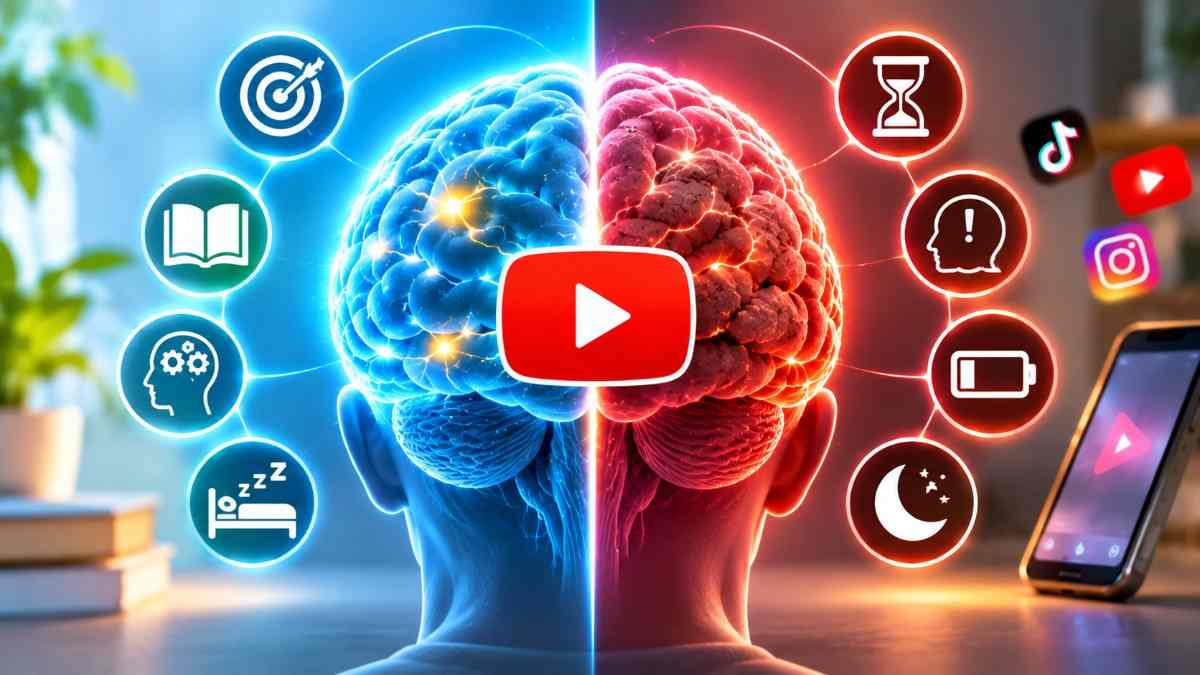
👉 DON’T TRY THIS “DOES BRAINROT ACTUALLY ROT YOUR BRAIN?” UNTIL YOU SEE THIS
What Is the Difference Between Healthy Screen Time and Brainrot?
Not all screen time is harmful. The purpose, quality, duration, and context of digital activities are important when evaluating their potential effects.
For example, using a computer to attend an educational class is different from spending several hours watching unrelated videos without taking breaks.
| Healthy Screen Time | Unhealthy Digital Habits |
|---|---|
| Watching educational videos | Endless scrolling without a purpose |
| Learning a new skill online | Repeatedly consuming random content |
| Communicating with friends | Constantly checking notifications |
| Researching useful information | Frequently switching between unrelated videos |
| Taking planned entertainment breaks | Ignoring responsibilities to keep scrolling |
| Using technology for productivity | Allowing digital entertainment to disrupt sleep |
A balanced digital routine can include entertainment, education, communication, and relaxation without allowing any single activity to dominate your day.
When Should You Be Concerned About Excessive Screen Use?
Occasionally spending too much time online is common and does not necessarily indicate a serious problem.
Consider seeking professional guidance if:
-
You regularly lose sleep because you cannot stop using your phone.
-
Your social media habits interfere with school, work, or family responsibilities.
-
You experience persistent anxiety or emotional distress related to online activities.
-
You repeatedly attempt to reduce screen use but cannot manage it.
-
You withdraw from important relationships or enjoyable offline activities.
-
You experience ongoing concentration or memory difficulties that affect everyday functioning.
A healthcare professional or qualified mental health specialist can help identify possible causes and recommend appropriate support.
Getting an appropriate assessment is more helpful than self-diagnosing based on internet terminology.
Final Thoughts
Brainrot does not literally damage or rot your brain, but excessive digital consumption may influence concentration, memory, sleep, and emotional well-being.
Spending too much time watching TikTok, Instagram Reels, and YouTube Shorts may encourage constant scrolling and make it harder to focus on activities requiring sustained attention.
Developing healthier habits, such as reading books, exercising regularly, getting sufficient sleep, and enjoying offline hobbies, can support overall cognitive well-being.
Social media is not necessarily harmful when used responsibly because it can provide education, entertainment, communication, and opportunities to learn new skills.
Ultimately, your brain needs proper rest, meaningful activities, continuous learning, and healthy lifestyle habits to function well.
👉 DON’T TRY THIS “DOES BRAINROT ACTUALLY ROT YOUR BRAIN?” UNTIL YOU SEE THIS
.
.
.
.
References
https://pubmed.ncbi.nlm.nih.gov/41231585/
https://www.mdpi.com/2076-3425/15/3/283
https://www.apa.org/topics/social-media-internet/health-advisory-adolescent-social-media-use
.
.
.
About Us
