
Common Causes and Risk Factors for High Blood Pressure
Common Causes and Risk Factors for high blood pressure include excess sodium, excess body weight, inactivity, family history, aging, poor sleep, and medical conditions.
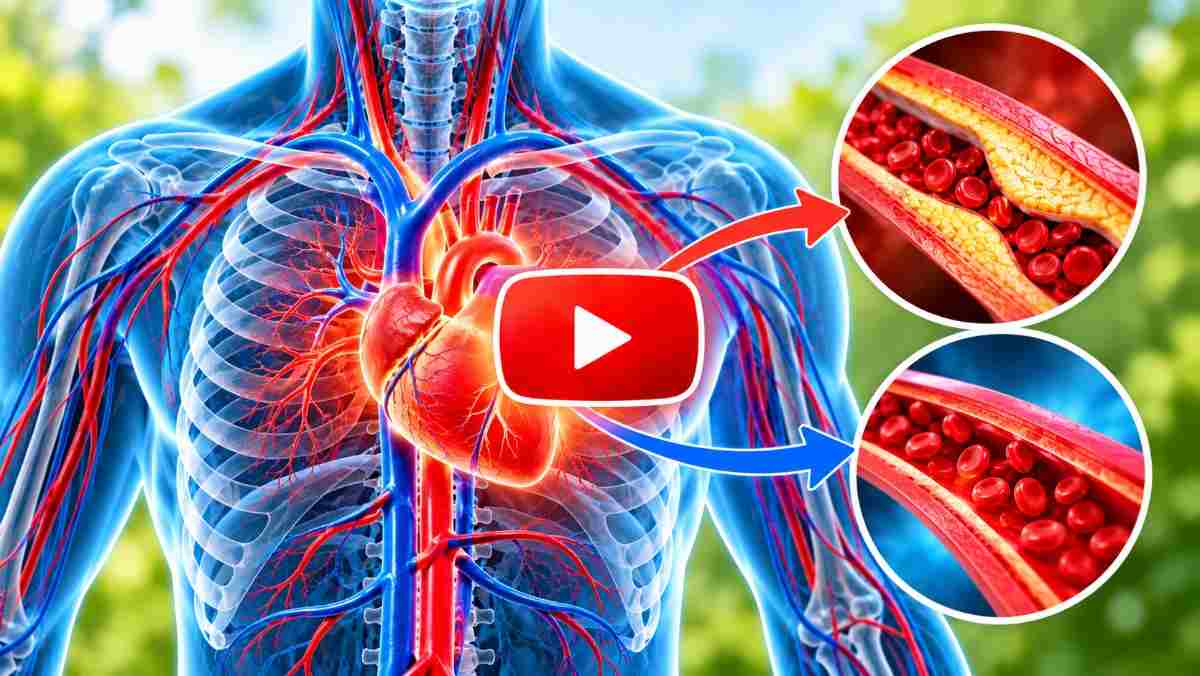
Also called hypertension, it means blood persistently presses against artery walls with excessive force.
Most people feel no symptoms, yet untreated hypertension increases their risk of heart attack, stroke, kidney disease, and heart failure.
👉 DON’T TRY THIS “ CAUSES AND RISK FACTORS FOR HIGH BLOOD PRESSURE” UNTIL YOU SEE THIS
Understanding what causes high blood pressure helps you identify hidden triggers, make effective lifestyle changes, and recognize when medical evaluation matters.
What Causes High Blood Pressure in the Body?
Blood pressure reflects the force created by the heart and resistance inside arteries.
Stiff or narrowed blood vessels, extra circulating fluid, and overactive hormonal pathways can raise that pressure.
Kidneys regulate sodium and water, while the nervous system influences vessel tightening.
Primary hypertension develops gradually from interacting genetic, lifestyle, and environmental factors.
Secondary hypertension has a more specific cause, such as kidney disease, sleep apnea, hormonal disorders, or certain medications. Identifying secondary causes can change treatment.
What Blood Pressure Numbers Mean
Under American Heart Association guidelines updated in 2025, normal blood pressure is below 120/80 mmHg.
Elevated blood pressure is 120–129 systolic with diastolic below 80. Stage 1 hypertension is 130–139 systolic or 80–89 diastolic. Stage 2 starts at 140 systolic or 90 diastolic.
These categories use accurate, repeated measurements. A single high result does not automatically establish hypertension.
10 Common Causes and Risk Factors for High Blood Pressure
1. Too Much Sodium
Excess sodium can increase fluid retention and alter blood vessel regulation, especially in salt-sensitive people.
Processed meats, packaged foods, restaurant dishes, instant noodles, and sauces often contain more sodium than expected.
Check labels and replace heavily salted foods with fresh ingredients. Cutting sodium can lower blood pressure even without other major diet changes.
2. Overweight and Abdominal Fat
Excess body fat increases demands on circulation and can disrupt kidney function, insulin sensitivity, and hormonal signaling. Abdominal obesity commonly accompanies higher cardiovascular risk.
For people above a healthy weight, gradual weight reduction often improves blood pressure. Extreme crash diets are unnecessary and difficult to maintain.
👉 DON’T TRY THIS “ CAUSES AND RISK FACTORS FOR HIGH BLOOD PRESSURE” UNTIL YOU SEE THIS
3. Lack of Exercise
Long periods of inactivity contribute to poor cardiovascular fitness, weight gain, and metabolic changes. Regular activity improves blood vessel function and helps control weight.
Aim for about 150 minutes of moderate aerobic activity each week, along with appropriate strength training. Walking counts, and shorter sessions still provide benefits.
4. Genetics and Family History
Having a parent or sibling with hypertension increases your chances of developing it. Inherited differences affect how kidneys handle salt and how arteries respond to hormones.
Family history is not destiny. Regular screening and heart-healthy habits remain useful, particularly when several relatives are affected.
5. Age and Arterial Stiffness
Arteries often become less flexible with age, raising systolic pressure. Nevertheless, high blood pressure is not an inevitable or harmless part of aging.
Younger adults can also develop hypertension, especially when they have obesity, sleep apnea, or strong inherited susceptibility.
6. Chronic Stress
Stress hormones temporarily increase heart rate and narrow arteries. Persistent stress may also contribute indirectly through poor sleep, excessive alcohol, or unhealthy eating.
Anxiety can cause temporary high readings, but recurring elevations should never be dismissed as stress without proper assessment.
7. Poor Sleep and Sleep Apnea
Insufficient sleep and disrupted sleep rhythms are associated with hypertension. Obstructive sleep apnea repeatedly interrupts breathing, activating stress pathways and reducing nighttime recovery.
Loud snoring, witnessed breathing pauses, or substantial daytime sleepiness warrant professional assessment. Treatment may improve overall health and support blood pressure control.
8. Smoking, Vaping, and Nicotine
Nicotine briefly raises heart rate and blood pressure. Smoking additionally injures blood vessels and substantially increases stroke and heart attack risk.
Nicotine-containing vapes are not proven harmless for cardiovascular health. Quitting tobacco provides important protection even when blood pressure readings are normal.
9. Excess Alcohol
Heavy or frequent alcohol consumption can raise blood pressure and interfere with treatment. Reducing intake may help, particularly among people who drink heavily.
Avoiding alcohol removes this contributor entirely; starting to drink for supposed heart benefits is not recommended.
10. Kidney Disease, Diabetes, and Medicines
Kidney disease can cause sodium retention and hormonal changes that elevate pressure. Diabetes increases cardiovascular risk and often coexists with hypertension.
Other contributors include primary aldosteronism, thyroid disorders, some decongestants, stimulants, anti-inflammatory painkillers, corticosteroids, and certain hormonal medicines.
Never stop prescribed treatment without discussing alternatives with a clinician.
Hidden Reasons Blood Pressure Suddenly Spikes
Pain, anxiety, caffeine, nicotine, physical exertion, and missed medication can temporarily increase readings.
An incorrectly sized cuff, crossed legs, or talking during measurement can produce misleading numbers.
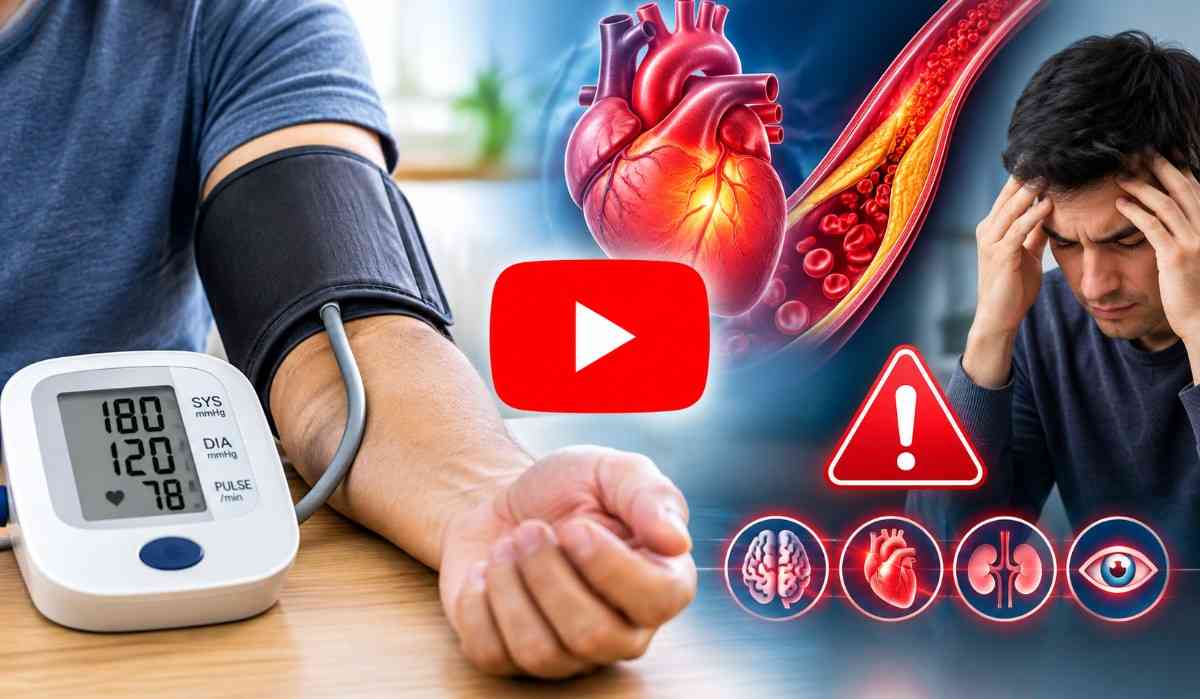
Repeated unexplained spikes deserve evaluation. If readings remain above 180/120 mmHg, seek prompt medical advice; chest pain, breathlessness, neurological weakness, or vision changes require emergency assistance.

👉 DON’T TRY THIS “ CAUSES AND RISK FACTORS FOR HIGH BLOOD PRESSURE” UNTIL YOU SEE THIS
Can High Blood Pressure Cause Headaches or Dizziness?
Hypertension usually has no noticeable symptoms. Headaches, dizziness, and nosebleeds are not reliable screening tools, and many people with dangerously elevated readings feel relatively well.
Regular measurements are more trustworthy than waiting for warning signs. Seek medical evaluation for persistent elevated results even when you feel healthy.
Viral Blood Pressure Hacks: What Does Research Say?
Beetroot Juice and Garlic
Beetroot contains nitrates that can support nitric oxide production and blood vessel relaxation. Some studies report modest reductions in blood pressure. Garlic supplements show possible benefits, but results and product quality vary.
Neither replaces prescribed medication or reliable monitoring.
Lemon Water and Apple Cider Vinegar
Lemon water can support hydration, but there is no convincing evidence it rapidly treats hypertension. Apple cider vinegar likewise lacks strong clinical evidence as a dependable blood pressure treatment.
Claims that either drink cleans arteries overnight are misleading.
Salt Substitutes: A More Promising Idea
Replacing some sodium chloride with potassium-containing salt may lower blood pressure. Recent trials support this approach for suitable adults, and newer guidelines acknowledge its potential.
However, potassium salt substitutes can be dangerous for people with kidney disease or medications that increase potassium. Ask a clinician before switching.
Breathing Exercises and Cold Showers
Slow breathing may modestly lower pressure when practiced regularly alongside established care. Cold exposure can instead temporarily raise pressure by narrowing blood vessels.
Avoid viral challenges promising an immediate cure.
How to Prevent High Blood Pressure Naturally
Effective hypertension prevention focuses on repeatable habits:
- Choose the DASH diet: vegetables, fruit, whole grains, beans, nuts, and low-fat dairy.
- Reduce sodium from packaged meals and restaurant sauces.
- Include potassium-rich foods when medically appropriate.
- Walk regularly and gradually improve physical fitness.
- Maintain a sustainable weight and consistent sleep routine.
- Avoid nicotine and limit or avoid alcohol.
- Manage stress without expecting relaxation alone to cure hypertension.
- Check blood pressure with a validated upper-arm cuff.
For accurate home readings, sit quietly for five minutes with feet flat and your arm supported.
Avoid caffeine, exercise, and smoking for thirty minutes beforehand. Take two readings, one minute apart, and record results.
Do not rely on cuffless smartwatch estimates for diagnosis or medication decisions.
👉 DON’T TRY THIS “ CAUSES AND RISK FACTORS FOR HIGH BLOOD PRESSURE” UNTIL YOU SEE THIS
Why Early Screening Matters
High blood pressure often develops quietly for years. Knowing your readings helps identify a pattern before complications occur.
Ask your healthcare professional how frequently to check, especially if you have diabetes, kidney disease, pregnancy-related concerns, or a family history.
Conclusion
The common causes and risk factors for high blood pressure involve both changeable habits and factors beyond personal control.
Excess sodium, obesity, inactivity, aging, genetics, sleep disorders, and kidney problems all matter.
Regular monitoring, a DASH-style diet, physical activity, and appropriate medical treatment provide stronger protection than viral quick fixes. Early action helps protect your heart, brain, and kidneys.
👉 DON’T TRY THIS “ CAUSES AND RISK FACTORS FOR HIGH BLOOD PRESSURE” UNTIL YOU SEE THIS
References
- Wikipedia – Hypertension
https://en.wikipedia.org/wiki/Hypertension
- Healthline – Everything You Need to Know About High Blood Pressure
https://www.healthline.com/health/high-blood-pressure-hypertension
- PubMed – DASH Diet and Blood Pressure Clinical Trial
https://pubmed.ncbi.nlm.nih.gov/9099655/
About Us
