
Chest Tightness Breath at Night: Causes, Symptoms & Relief
Chest tightness and shortness of breath at night may result from asthma, acid reflux, sleep apnea, anxiety, or heart and lung disease.
Symptoms sometimes begin after lying down; others wake people suddenly, gasping for air. The timing, associated symptoms, and severity help identify possible causes, but they cannot confirm a diagnosis.
Seek emergency help immediately for new chest pressure with breathing difficulty, severe breathlessness, fainting, confusion, or blue lips.
👉 DON’T TRY THIS “CHEST TIGHTNESS AT NIGHT” UNTIL YOU SEE THIS
Recurrent nighttime symptoms also deserve medical attention, even if they improve by morning.
Why Does My Chest Feel Tight When I Breathe at Night?
Breathing changes during sleep. Lying flat shifts fluid toward the chest, reflux becomes easier, and relaxed throat muscles may partially block airflow.
In people with asthma, airway inflammation and biological rhythms can worsen nighttime symptoms.
Researchers have found that lung function in asthma can reach its lowest point around 4 a.m. This helps explain nighttime wheezing, although not every episode of breathlessness is asthma.
Seven Causes of Nighttime Chest Tightness and Breathlessness
1. Nocturnal Asthma
Asthma narrows inflamed airways, causing wheezing, coughing, chest tightness, and difficulty exhaling.
Bedroom dust mites, pet allergens, smoke, and cold air can aggravate symptoms. Waking frequently or needing a rescue inhaler overnight suggests asthma may not be adequately controlled.
Ask your clinician to review inhaler technique and preventive treatment.
2. Acid Reflux or Silent Reflux
Gastroesophageal reflux disease, or GERD, allows stomach contents to travel upward. Burning behind the breastbone, sour taste, throat clearing, or coughing after bedtime are clues.
Some people experience airway irritation without noticeable heartburn. Reflux symptoms often worsen after late meals or lying flat immediately after eating.
3. Obstructive Sleep Apnea
Sleep apnea causes repeated upper airway blockages. Common signs include loud snoring, witnessed breathing pauses, gasping awakenings, morning headaches, and daytime fatigue.
Chest discomfort may accompany an awakening, but chest pain should not automatically be attributed to apnea. A sleep study determines whether treatment such as continuous positive airway pressure is needed.
👉 DON’T TRY THIS “CHEST TIGHTNESS AT NIGHT” UNTIL YOU SEE THIS
4. Heart Failure and Orthopnea
Orthopnea means shortness of breath when lying flat that improves upon sitting upright. Heart failure is an important cause because fluid can accumulate in the lungs.
Waking several hours after falling asleep with intense breathlessness is called paroxysmal nocturnal dyspnea.
Leg swelling, rapid weight gain, and fatigue increase concern. Seek prompt assessment for these symptoms.
5. Anxiety or Nocturnal Panic
Panic episodes can cause rapid breathing, a pounding heartbeat, tingling, trembling, and chest tightness.
They may arise during sleep without obvious daytime stress. However, anxiety and dangerous cardiac conditions can feel similar.
A first episode, unusual pain, or significant breathing difficulty requires medical evaluation rather than self-diagnosis.
6. Allergies, Infections, and COPD
Allergic triggers may worsen congestion, cough, and asthma symptoms. Bronchitis, pneumonia, and chronic obstructive pulmonary disease can also produce nighttime breathlessness.
Fever, mucus, persistent wheezing, or declining exercise tolerance provides useful diagnostic clues. People with severe symptoms need urgent care, particularly when an infection is suspected.
7. Heart Attack or Pulmonary Embolism
A heart attack may cause chest pressure, sweating, nausea, and shortness of breath, sometimes without dramatic pain.
A pulmonary embolism, or lung blood clot, can cause sudden breathlessness, sharp chest pain, rapid heartbeat, or coughing blood. Both require emergency treatment.
Never attempt to sleep through unexplained severe symptoms.
Chest Tightness Only When Lying Down: What Does It Mean?
Symptoms immediately after lying flat may suggest reflux or orthopnea. Wheezing and coughing toward early morning suggest possible nocturnal asthma.
Sudden gasping accompanied by snoring suggests sleep apnea. These patterns overlap, so timing alone cannot establish the cause.
Notice whether sitting upright helps, whether pain follows meals, and whether symptoms occur with exercise.
Share this information with a healthcare professional rather than using an online symptom checker to diagnose yourself.
How to Relieve Mild Chest Tightness at Night Safely
If symptoms are mild, familiar, and not accompanied by emergency warning signs, these steps may improve comfort while you arrange appropriate care:
- Sit upright: An elevated position may temporarily ease breathing. New orthopnea still needs evaluation.
- Avoid late heavy meals: Finish eating several hours before bedtime if reflux is suspected.
- Reduce bedroom triggers: Wash bedding regularly and limit smoke, fragrance, and allergens.
- Use prescribed medication: Follow your existing asthma action plan; never replace an inhaler with a home remedy.
- Try gentle breathing: Slow, comfortable breathing may reduce anxiety-related overbreathing. Stop if symptoms worsen.
- Track episodes: Record timing, snoring, wheezing, meals, medications, and accompanying symptoms.
These measures do not treat heart failure, blood clots, or other emergencies. Persistent difficulty breathing warrants assessment even when sitting up provides relief.
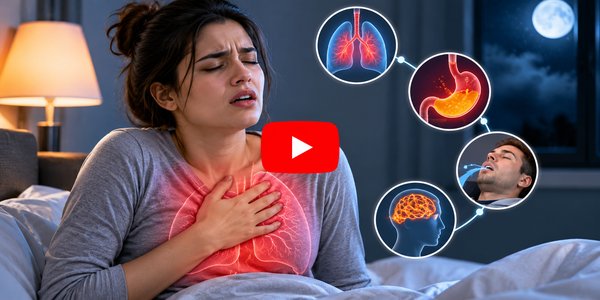
👉 DON’T TRY THIS “CHEST TIGHTNESS AT NIGHT” UNTIL YOU SEE THIS
Viral Breathing Hacks: What Actually Works?
Social media promotes the 4-7-8 breathing method, mouth taping, steam inhalation, magnesium drinks, and essential oils for nighttime breathing problems. Evidence and safety differ substantially.
Slow breathing: May help someone whose symptoms stem from stress, but cannot reverse a blocked artery or treat an asthma attack.
Mouth taping: Not an established treatment for sleep apnea and may be unsafe when nasal breathing is impaired. Avoid using it to address unexplained gasping.
Steam and essential oils: Warm moisture may feel soothing, but hot steam risks burns, and fragrances can trigger airway irritation.
Magnesium and herbal drinks: No reliable evidence establishes these as treatments for unexplained nocturnal chest tightness. Supplements may also interact with medication.
The safest new idea is a symptom diary paired with a proper evaluation, not a viral shortcut.
When Is Nighttime Chest Tightness an Emergency?
Call emergency services for severe or sudden breathlessness, chest pressure spreading to the arm or jaw, fainting, blue or gray lips, confusion, or coughing blood.
Sudden symptoms after surgery, prolonged immobility, or travel also raise concern for a blood clot.
Contact a clinician promptly for new breathlessness when lying down, repeated nighttime awakenings, swollen legs, worsening wheezing, or unexplained fatigue. Do not drive yourself during a suspected emergency.
How Doctors Diagnose Nighttime Breathing Problems
A clinician will ask about symptom timing, medical history, medications, smoking, snoring, reflux, and triggers.
Examination may include oxygen measurement and listening to the heart and lungs.
Depending on findings, testing may include an electrocardiogram, chest X-ray, blood tests, spirometry, echocardiogram, or sleep study.
Treatments differ: asthma requires airway management, reflux may respond to targeted lifestyle changes and medication, and sleep apnea often needs specialized therapy.
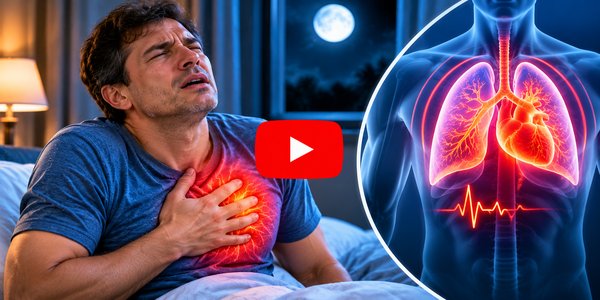
👉 DON’T TRY THIS “CHEST TIGHTNESS AT NIGHT” UNTIL YOU SEE THIS
Nighttime Prevention: A Practical Bedroom Checklist
Sleep habits support comfort but cannot cure an underlying condition. Keep your bedroom free from tobacco smoke and avoid vaping indoors.
If allergies are confirmed, consider allergen-resistant pillow covers and cleaning.
Discuss recurring nighttime inhaler use with your asthma clinician, because frequent symptoms may indicate inadequate control.
If snoring and gasping occur together, ask about sleep apnea screening instead of buying an untested anti-snoring gadget.
Importantly, schedule follow-up when symptoms repeat, even if a different sleeping position makes them temporarily disappear.
Conclusion
Chest tightness and shortness of breath at night have many possible causes, from reflux and asthma to sleep apnea and heart disease.
Pay attention to when symptoms begin, whether lying down worsens them, and which warning signs accompany them.
Comfortable positioning and reducing triggers may help some mild cases, but neither viral breathing hacks nor home remedies replace diagnosis.
Seek emergency care for severe or sudden symptoms, and arrange medical assessment for recurring nighttime breathing problems.
👉 DON’T TRY THIS “CHEST TIGHTNESS AT NIGHT” UNTIL YOU SEE THIS
References
- Healthline — Shortness of Breath at Night: https://www.healthline.com/health/sleep/shortness-of-breath-at-night
- PubMed — Circadian System and Nighttime Asthma: https://pubmed.ncbi.nlm.nih.gov/34493686/
- Wikipedia — Obstructive Sleep Apnea: https://en.wikipedia.org/wiki/Obstructive_sleep_apnea
About Us
