Can You Get GLP-1 Medication Without Insurance? 2026 Guide
Can You Get GLP-1 Medication Without Insurance? A Complete 2026 Guide
GLP-1 medications have transformed the way healthcare providers manage obesity and type 2 diabetes.
Medications such as semaglutide and tirzepatide have helped many people achieve meaningful weight loss while improving blood sugar control. However, one of the biggest concerns for patients is affordability.
Today, patients can obtain GLP-1 medications through telehealth providers, weight-loss clinics, manufacturer savings programs, patient assistance programs, pharmacies, and cash-pay options.
Understanding the available pathways can help you choose a solution that fits your budget and healthcare needs.
This guide explains everything you need to know about obtaining GLP-1 medication without insurance, including expected costs, affordable alternatives, financial assistance options, and practical tips for reducing expenses.
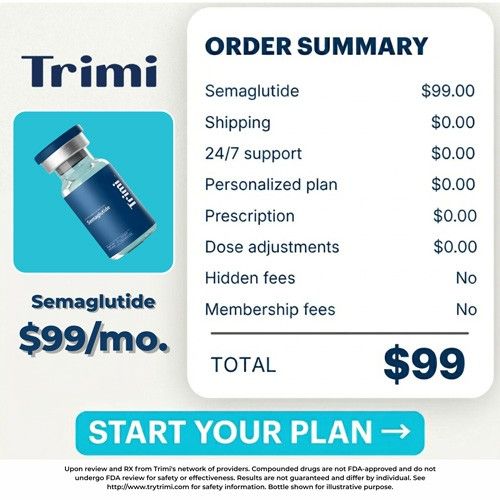
“GLP-1 Medication Without Insurance is possible through licensed providers, telehealth services, and savings programs that help reduce treatment costs.”
Understanding GLP-1 Medications
GLP-1 stands for Glucagon-Like Peptide-1, a naturally occurring hormone that helps regulate blood sugar and appetite.
GLP-1 receptor agonists work by:
- Helping regulate insulin release
- Slowing stomach emptying
- Reducing hunger signals
- Increasing feelings of fullness
- Supporting long-term weight management
These medications have become some of the most effective medical treatments available for obesity and metabolic health.
Common GLP-1 medications include:
- Semaglutide
- Tirzepatide
- Liraglutide
- Dulaglutide
Some are approved specifically for diabetes, while others are approved for chronic weight management.
👉 GLP-1 Starting At $59 Per Month – 100% Online
Can You Really Get GLP-1 Without Insurance?
Yes. GLP-1 medications are available without insurance in the United States, but you will typically pay out-of-pocket.
There are three main ways people access them:
1. Direct Cash Pay at Pharmacies
You can pay the full retail price at a pharmacy with a valid prescription.
2. Telehealth or Online Clinics
Many digital health platforms now offer:
- Doctor consultations
- Prescription approval
- Medication delivery
3. Manufacturer Savings Programs
Some pharmaceutical companies offer discount cards or savings programs that reduce monthly costs. Even without insurance, access is possible—but pricing varies widely depending on the method you choose.
Why Insurance Often Doesn’t Cover GLP-1 Medications
Many insurance plans have strict eligibility requirements.
Coverage may depend on:
- BMI requirements
- Diabetes diagnosis
- Previous weight-loss attempts
- Prior authorization approval
- Employer insurance benefits
Even insured patients are sometimes denied coverage because their plan excludes weight-loss medications.
This explains why many people actively search for non-insurance alternatives.
How Much Do GLP-1 Medications Cost Without Insurance?
Without insurance, branded GLP-1 medications can be expensive.
Approximate monthly retail prices may include:
| Medication | Estimated Monthly Cost |
|---|---|
| Semaglutide | $900–$1,400 |
| Tirzepatide | $950–$1,500 |
| Liraglutide | $900–$1,300 |
| Dulaglutide | $800–$1,100 |
Prices vary depending on:
- Pharmacy
- Dosage
- Geographic location
- Manufacturer pricing
- Available discounts
Fortunately, retail pricing is rarely the lowest price patients actually pay.
Best Ways to Get GLP-1 Without Insurance
If you do not have insurance or your plan does not cover GLP-1 therapy, you still have multiple options.
1. Telehealth Weight Loss Clinics
Online medical providers are now one of the most common access points.
They typically include:
- Virtual doctor consultation
- Lab review (if required)
- Prescription approval
- Medication shipped to your home
This model reduces overhead and sometimes lowers total cost compared to traditional clinics.
2. Manufacturer Savings Cards
Pharmaceutical companies often provide savings programs that can reduce monthly costs significantly for eligible patients.
These programs may:
- Lower copays
- Offer fixed monthly pricing for insured patients
- Provide limited cash-pay discounts in some cases
However, eligibility rules vary.
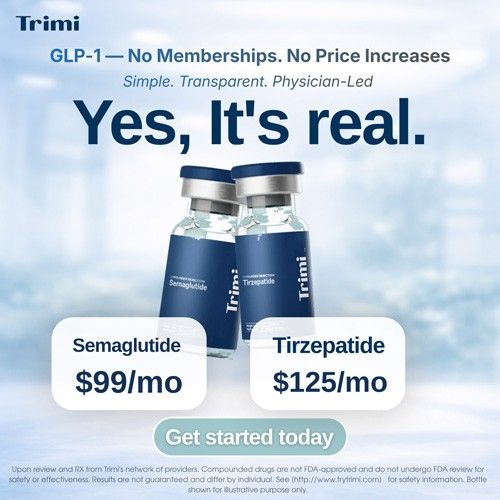
3. Compounding Pharmacies (Where Legal)
Some patients use compounded GLP-1 medications when branded versions are unavailable or unaffordable.
These are:
- Custom-prepared versions of medications
- Made by licensed compounding pharmacies
- Not identical to brand-name drugs
Important note: compounded versions are not FDA-approved in the same way as branded GLP-1 medications, so medical supervision is essential.
4. Cash Pay Pharmacy Discounts
Some pharmacies and discount networks may offer lower cash prices depending on:
- Location
- Supply availability
- Manufacturer rebates
Even small differences between pharmacies can add up over time.
Who Qualifies for GLP-1 Without Insurance?
Even without insurance, you still need a valid prescription. A licensed clinician must determine eligibility.
Common qualification factors include:
- Body Mass Index (BMI) criteria
- Type 2 diabetes diagnosis
- Weight-related health conditions (hypertension, sleep apnea, etc.)
- Previous weight loss attempts
- Overall metabolic health
Doctors may also evaluate:
- Family history
- Current medications
- Lifestyle factors
👉 Try the Best GLP-1 of 2026 That’s Working for Thousands
Step-by-Step: How to Get GLP-1 Without Insurance
Here is a simple breakdown of the process:
Step 1: Medical Evaluation
You meet with a licensed provider either:
- In person
- Through telehealth
Step 2: Eligibility Review
The provider determines if GLP-1 therapy is appropriate for you.
Step 3: Prescription Issued
If approved, you will receive a prescription for a medication such as:
- Semaglutide
- Tirzepatide
Step 4: Choose Fulfillment Method
You can:
- Pick up at the pharmacy
- Order through mail delivery
- Use telehealth pharmacy partners
Step 5: Begin Treatment and Monitoring
Ongoing follow-ups are typically required to:
- Adjust dosage
- Monitor side effects
- Track weight and glucose improvements
Pros of Getting GLP-1 Without Insurance
Even though costs are higher, there are several meaningful advantages to accessing GLP-1 therapy without insurance coverage.
1. Faster Access
Without insurance approvals, patients can often begin treatment much sooner after a medical consultation. This reduces delays caused by prior authorizations, claim reviews, or coverage restrictions.
2. Flexible Provider Options
Telehealth and online clinics make it easier to connect with licensed providers from anywhere in the country. This expands access beyond local doctors and allows for more convenient virtual care.
3. Control Over Pharmacy Choice
Paying out-of-pocket allows patients to compare pharmacies and choose the most cost-effective option available. This flexibility can sometimes help reduce monthly expenses slightly despite a lack of coverage.
4. Direct Treatment Path
Many patients prefer a simpler healthcare process without navigating insurance approvals and restrictions. It creates a more straightforward experience focused on provider decision-making and treatment continuity.
Challenges of Paying Without Insurance
While GLP-1 medications are accessible without insurance, there are several important financial and practical challenges to consider.
Safety Considerations Before Starting
GLP-1 medications are generally safe when prescribed and monitored, but they are still powerful metabolic drugs.
Possible side effects include:
- Nausea
- Constipation
- Fatigue
- Appetite suppression
- Digestive changes
Rare but serious risks may include:
- Pancreatitis
- Gallbladder issues
- Thyroid-related warnings (in specific risk groups)
Medical supervision is essential, especially when paying out-of-pocket and using non-insurance channels.
👉 Forbes Reveals Clear GLP-1 Winner For Affordability 2026
Tips to Reduce GLP-1 Costs Without Insurance
If you are paying cash, here are practical ways to reduce costs:
1. Compare Pharmacies
Prices can vary significantly between locations.
2. Use Telehealth Bundles
Some clinics include consultation + medication pricing in one package.
3. Ask About Lower-Dose Options
Some providers start with lower doses to reduce the monthly cost early on.
4. Check Savings Programs
Even uninsured patients may qualify for partial discounts.
5. Avoid Unverified Sources
Only use licensed pharmacies and providers.
👉 Get GLP-1 At $59 Per Month (Limited Time Offer)
Common Myths About GLP-1 Without Insurance
Myth 1: You cannot get GLP-1 without insurance
False—many patients pay cash or use telehealth.
Myth 2: It is illegal without insurance
False—insurance is not required for prescription medication.
Myth 3: Only weight loss clinics provide it
False—primary care doctors and endocrinologists also prescribe it.
Myth 4: Compounded versions are identical
Not always—formulations can differ significantly.
The Future of GLP-1 Access
In the coming years, several changes are expected:
- More insurance coverage expansion
- Potential introduction of generic versions
- Increased telehealth affordability models
- Wider availability through primary care systems
This means that while GLP-1 medications are currently expensive without insurance, access may become more affordable over time.
Final Thoughts
Yes—you absolutely can. But the real consideration is not access; it is affordability and long-term sustainability.
Medications like Ozempic, Wegovy, and Zepbound are available through cash pay, telehealth, and pharmacy programs, but costs can be high without insurance support.
The best approach is to combine medical guidance with cost-comparison strategies to find a safe and sustainable path forward.
For many patients in 2026, the most effective solution is not just finding GLP-1 therapy—but finding a structured, affordable way to stay on it long term.
References
https://www.webmd.com/diabetes/glp-1-agonists
https://en.wikipedia.org/wiki/GLP-1_receptor_agonist
https://www.mayoclinic.org/diseases-conditions/type-2-diabetes/in-depth/glp-1-agonists
About Us