
Can COPD Be Reversed? Lung Recovery & Treatment Options
Can COPD be reversed? No, chronic obstructive pulmonary disease (COPD) cannot currently be completely reversed or cured.
However, effective treatment, quitting smoking, pulmonary rehabilitation, and healthy lifestyle changes can slow disease progression, reduce symptoms, and improve quality of life.
COPD is a long-term respiratory condition that affects airflow through the lungs, making everyday activities such as walking, climbing stairs, and exercising increasingly difficult.
Many people diagnosed with COPD wonder whether damaged lungs can heal naturally or whether breathing function can return to normal.
👉 DON’T TRY THIS “CAN COPD BE REVERSED” UNTIL YOU SEE THIS
This guide explores whether COPD can be reversed, permanent lung damage, recovery possibilities, available treatments, scientific evidence, ways to improve breathing, and essential precautions for long-term lung health.
What Is COPD and How Does It Affect the Lungs?
Chronic obstructive pulmonary disease is a progressive respiratory condition characterized by persistent airflow limitation. It commonly includes emphysema and chronic bronchitis, which can occur together.
In healthy lungs, air travels through branching airways into tiny air sacs called alveoli. These structures allow oxygen to enter the bloodstream while carbon dioxide leaves the body.
COPD interferes with this process through airway inflammation, mucus accumulation, narrowing of the airways, and destruction of lung tissue.
Chronic Bronchitis
- Chronic bronchitis involves persistent inflammation of the bronchial tubes, often accompanied by excessive mucus production and a long-lasting productive cough.
- Swollen airways and accumulated mucus make breathing more difficult, particularly during physical activity or respiratory infections.
Emphysema
- Emphysema damages the alveoli, reducing their elasticity and destroying some of the walls separating individual air sacs.
- As a result, air becomes trapped inside the lungs, making exhalation difficult and reducing efficient oxygen exchange.
Can COPD Be Reversed Completely?
COPD cannot currently be completely reversed because much of the structural damage affecting the lungs is permanent.
Some patients experience meaningful improvements in airflow, exercise tolerance, coughing, and shortness of breath after receiving appropriate treatment.
Bronchodilator medications can relax airway muscles, allowing air to move more freely. Pulmonary rehabilitation can improve physical endurance and help patients manage breathlessness.
Quitting smoking can also reduce ongoing irritation and prevent additional exposure-related damage.
COPD management focuses on preserving remaining lung function, preventing exacerbations, improving daily comfort, and reducing future health complications.
👉 DON’T TRY THIS “CAN COPD BE REVERSED” UNTIL YOU SEE THIS
Can Early-Stage COPD Be Reversed?
Early-stage COPD cannot usually be reversed completely, but identifying the condition before extensive damage develops provides an important opportunity to protect lung function.
Patients with mild COPD may experience occasional coughing, mucus production, or shortness of breath during exercise. Some individuals have few noticeable symptoms.
Doctors typically diagnose COPD using spirometry, a breathing test that measures how much air a person can exhale and how quickly.
A post-bronchodilator FEV1/FVC ratio below 0.70 supports a COPD diagnosis in the appropriate clinical context.
However, spirometry results must be interpreted alongside symptoms, exposure history, and other possible respiratory conditions.
Can Lungs Heal After Quitting Smoking With COPD?
Quitting smoking is one of the most effective ways to slow COPD progression. Tobacco smoke contains harmful substances that irritate airways, promote inflammation, and damage delicate lung structures.
After smoking cessation, the body begins recovering from ongoing smoke exposure. Airway irritation may decrease, and some people experience improvements in coughing and mucus production.
What Happens After Quitting Smoking?
Recovery varies depending on smoking history, disease severity, and overall health.
-
First several days: Carbon monoxide exposure decreases, improving the blood’s oxygen-carrying capacity.
-
Following weeks: Some individuals notice reduced airway irritation and changes in coughing.
-
Following months: Mucus clearance and respiratory symptoms may improve.
-
Long term: The rate of lung-function decline can slow significantly compared with continued smoking.
Smoking cessation remains beneficial even after advanced COPD develops.
What Are the Best Treatments for COPD?
Modern COPD treatment combines medications, lifestyle interventions, rehabilitation, and preventive healthcare.
The appropriate approach depends on symptom severity, exacerbation history, lung function, and other medical conditions.
1. Bronchodilator Inhalers
Bronchodilators relax muscles surrounding the airways, helping improve airflow and reduce breathing difficulties.
Short-acting inhalers provide relatively rapid symptom relief, while long-acting medications offer sustained control.
2. Inhaled Corticosteroids
Inhaled corticosteroids help control airway inflammation and may reduce exacerbations in selected patients.
They are generally considered for individuals with particular exacerbation patterns or blood eosinophil levels, often as part of combination treatment.
3. Pulmonary Rehabilitation
Pulmonary rehabilitation combines supervised exercise, respiratory education, breathing techniques, and practical disease-management strategies.
Programs help patients build endurance, improve muscle conditioning, and perform daily activities with less breathlessness.
4. Oxygen Therapy
Supplemental oxygen may benefit patients with severe, persistent low blood oxygen levels. Doctors determine eligibility through appropriate oxygen measurements and clinical evaluation.
Oxygen therapy does not reverse COPD and is not routinely beneficial for everyone experiencing breathlessness.
5. Advanced Treatment Options
Certain patients with severe emphysema may qualify for lung-volume-reduction procedures, endobronchial valves, or lung transplantation.
Selected patients with persistent exacerbations may also qualify for newer targeted medications. These interventions require specialist evaluation and are not cures for the underlying disease.
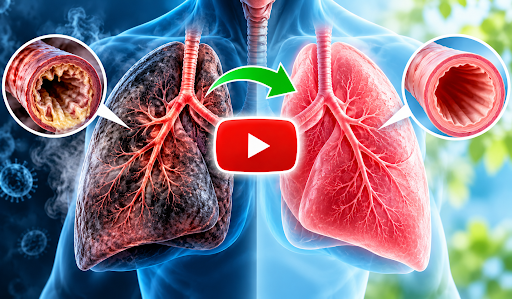
👉 DON’T TRY THIS “CAN COPD BE REVERSED” UNTIL YOU SEE THIS
Can COPD Be Reversed Naturally?
No natural remedy has been scientifically demonstrated to reverse established COPD-related structural lung damage.
However, healthy daily habits can complement prescribed treatment and improve respiratory comfort.
Practice Breathing Exercises
- Pursed-lip breathing can help slow exhalation and reduce the sensation of breathlessness. To practice, inhale gently through your nose and exhale slowly through pursed lips for approximately twice as long.
Maintain Regular Physical Activity
- Walking, gentle cycling, and supervised strength exercises can improve endurance and reduce physical deconditioning. Patients should begin at a comfortable intensity and gradually increase activity according to medical guidance.
Follow a Balanced Diet
- Adequate nutrition supports respiratory muscles, immune function, and general health. A balanced diet containing vegetables, fruits, whole grains, protein, and healthy fats can help maintain nutritional status.
Avoid Airborne Irritants
- Limiting exposure to cigarette smoke, dust, chemical fumes, wildfire smoke, and indoor pollutants can reduce respiratory irritation. Good ventilation and appropriate air filtration may help improve indoor air quality.
Can COPD Progression Be Stopped?
COPD progression varies considerably between individuals. Some people experience relatively stable lung function for years, while others develop faster deterioration.
The most important strategies include smoking cessation, correct inhaler use, physical activity, vaccination, and early treatment of respiratory infections.
Preventing exacerbations is particularly important because severe flare-ups can cause lasting declines in health and physical function.
Regular follow-up appointments allow healthcare professionals to evaluate symptoms, review inhaler technique, and adjust treatment when necessary.
Understanding the Four Stages of COPD
Healthcare professionals use the GOLD spirometric grading system to describe airflow obstruction severity.
| COPD grade | FEV1 (% predicted) | Severity |
|---|---|---|
| GOLD 1 | 80% or higher | Mild |
| GOLD 2 | 50–79% | Moderate |
| GOLD 3 | 30–49% | Severe |
| GOLD 4 | Below 30% | Very severe |
These grades describe airflow limitation rather than providing a complete prediction of symptoms or life expectancy.
Doctors also consider exacerbation frequency, breathlessness, other illnesses, and overall functional ability.
A person with mild airflow obstruction may still experience troublesome symptoms, while someone with more severe obstruction may remain relatively active with appropriate management.
Can COPD Be Mistaken for Another Lung Condition?
Yes. Several respiratory disorders produce symptoms similar to COPD, including asthma, bronchiectasis, heart failure, and certain lung infections.
Asthma is particularly important because its airflow obstruction can be more variable and may improve substantially with appropriate medication.
Some patients have features of both asthma and COPD. Accurate diagnosis is essential because different conditions require different treatment approaches.
👉 DON’T TRY THIS “CAN COPD BE REVERSED” UNTIL YOU SEE THIS
Common Myths About Reversing COPD
Myth 1: Damaged Lungs Can Be Completely Cleaned
Detox drinks, herbal supplements, and special lung-cleansing products cannot rebuild destroyed alveoli or cure COPD.
Myth 2: COPD Always Gets Worse Rapidly
Disease progression differs between individuals. Appropriate treatment and avoiding harmful exposures can significantly influence long-term outcomes.
Myth 3: Exercise Is Dangerous for Everyone With COPD
Appropriately supervised exercise is generally beneficial and forms an important part of pulmonary rehabilitation.
Myth 4: Feeling Better Means COPD Has Disappeared
Improved symptoms may indicate effective treatment, but underlying structural lung damage can remain.
Warning Signs That COPD Is Getting Worse
Recognizing worsening symptoms can help prevent serious complications. Contact a healthcare professional promptly if you experience increasing breathlessness, worsening cough, changes in mucus, fever, or reduced ability to perform usual activities.
An acute COPD exacerbation may require additional inhaled medication, oral corticosteroids, antibiotics when indicated, or hospital treatment.
Patients should follow an individualized COPD action plan rather than attempting to manage severe symptoms with home remedies alone.
How Long Can Someone Live With COPD?
COPD life expectancy depends on several factors, including disease severity, smoking history, age, exacerbation frequency, cardiovascular health, and treatment response.
Many individuals, particularly those diagnosed early and receiving consistent treatment, live for years while maintaining meaningful daily activities.
Smoking cessation, rehabilitation, preventive healthcare, and effective management of other medical conditions can improve long-term outcomes.
Because individual circumstances differ considerably, generalized survival estimates cannot accurately predict a particular person’s lifespan.
Conclusion
COPD cannot currently be completely reversed, but it can often be managed effectively. Permanent lung damage, particularly destruction of alveoli associated with emphysema, generally cannot be repaired using existing treatments.
Nevertheless, significant improvements in breathing comfort, exercise tolerance, and everyday functioning are possible.
Quitting smoking, using prescribed medications correctly, participating in pulmonary rehabilitation, and avoiding respiratory irritants can help protect remaining lung function.
Early diagnosis and consistent medical follow-up are particularly valuable for preventing complications and managing exacerbations.
With individualized care and appropriate lifestyle adjustments, many people living with COPD can remain active and maintain a meaningful quality of life.
👉 DON’T TRY THIS “CAN COPD BE REVERSED” UNTIL YOU SEE THIS
References
https://en.wikipedia.org/wiki/Chronic_obstructive_pulmonary_disease
https://www.healthline.com/health/copd/can-copd-be-reversed
https://pubmed.ncbi.nlm.nih.gov/39722704/
About Us
