Can Antidepressants Cause Permanent Erectile Dysfunction?
Erectile dysfunction (ED) is a common sexual health concern that affects many men worldwide. It can influence confidence, relationships, emotional well-being, and overall quality of life.
While ED is often associated with aging, health conditions, stress, or lifestyle factors, certain medications may also affect sexual function.
Antidepressants are widely prescribed to manage depression, anxiety disorders, OCD, and other mental health conditions.
Although these medications can provide significant benefits, some people experience sexual side effects such as reduced sexual desire, delayed orgasm, or difficulty achieving and maintaining an erection.

In this guide, we will explore how antidepressants may affect erectile function, whether these effects can continue after stopping medication, and what research says about long-lasting sexual side effects.
What Are Antidepressants and How Do They Work?
Antidepressants are medications that help regulate brain chemicals involved in mood, emotions, and stress responses.
They are mainly used to treat depression but may also be prescribed for anxiety disorders, panic disorders, OCD, and other conditions.
These medications work by changing the activity of neurotransmitters, which are chemical messengers that help nerve cells communicate.
The main types of antidepressants include:
- Selective serotonin reuptake inhibitors (SSRIs)
These increase serotonin activity in the brain and are among the most commonly prescribed antidepressants. - Serotonin-norepinephrine reuptake inhibitors (SNRIs)
These affect both serotonin and norepinephrine pathways. - Tricyclic antidepressants (TCAs)
Older medications that influence multiple neurotransmitter systems. - Monoamine oxidase inhibitors (MAOIs)
Medications that affect the breakdown of certain neurotransmitters. - Atypical antidepressants
These work through different mechanisms compared with traditional antidepressants.
Although antidepressants primarily target mood-related symptoms, the same chemical systems involved in emotional regulation also influence sexual response.
Serotonin, dopamine, and other neurotransmitters play important roles in:
- Sexual desire
- Brain reward pathways
- Arousal response
- Orgasm
- Ejaculation
Can Antidepressants Cause Erectile Dysfunction?
Yes, antidepressants can cause erectile dysfunction in some individuals. Sexual side effects are among the commonly reported concerns associated with certain antidepressant medications, especially SSRIs.
Antidepressants may affect different stages of sexual function, including desire, arousal, erection, and orgasm.
Common sexual side effects may include:
- Difficulty getting an erection
- Difficulty maintaining an erection
- Lower sexual interest
- Delayed ejaculation
- Reduced orgasm intensity
- Changes in genital sensation
However, not everyone who takes antidepressants experiences these effects.
The risk of sexual side effects can depend on:
- The specific antidepressant used
- The dosage taken
- Length of treatment
- Individual body response
- Existing health conditions
- Psychological factors
Depression itself can also contribute to sexual difficulties. Low mood, anxiety, stress, and emotional changes may affect sexual desire and performance even without medication use.
Because of this, healthcare professionals usually consider both the underlying mental health condition and the medication when evaluating erectile problems.
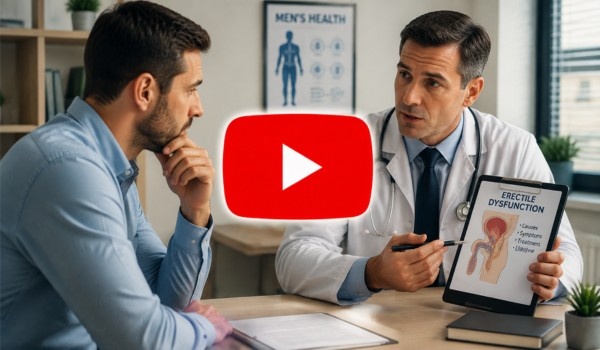
Why Do Antidepressants Affect Sexual Function?
Sexual function depends on communication between the brain, nerves, hormones, blood vessels, and emotions. Changes in any of these systems can influence erection quality and sexual response.
Antidepressants may affect sexual function through several possible mechanisms.
➺ Changes in Serotonin Activity
Many antidepressants, particularly SSRIs, increase serotonin levels in the brain.
Serotonin helps regulate mood, but it can also influence sexual response.
➺ Higher serotonin activity may contribute to:
- Reduced sexual desire
- Slower arousal
- Difficulty reaching orgasm
- Delayed ejaculation
This is one reason SSRIs are among the antidepressants most commonly associated with sexual side effects.
➺ Effects on Dopamine Pathways
Dopamine is a neurotransmitter connected with motivation, pleasure, and reward.
Sexual desire and excitement rely partly on healthy dopamine signaling.
Changes in dopamine activity may contribute to:
- Reduced sexual motivation
- Less pleasure during sexual activity
- Lower interest in sexual experiences
The relationship between serotonin and dopamine is complex, and researchers continue studying how antidepressants influence these pathways.
➺ Influence on Sexual Response Signals
An erection requires proper communication between the brain and the body.
Antidepressant-related changes may affect:
- Nerve signaling
- Sexual stimulation response
- Emotional connection with sexual activity
These effects can vary significantly from person to person.
Common Antidepressants Linked With Sexual Side Effects
Sexual side effects can occur with different antidepressants, but they are reported more frequently with medications that strongly affect serotonin.
Common medications associated with sexual difficulties include:
- Sertraline (Zoloft)
- Fluoxetine (Prozac)
- Paroxetine (Paxil)
- Citalopram (Celexa)
- Escitalopram (Lexapro)
Other antidepressants, including SNRIs, may also cause sexual side effects in some individuals.
Factors that may influence risk include:
- Higher medication doses
- Long-term use
- Personal sensitivity to medication effects
- Combination with other medicines
Some antidepressants may have fewer sexual side effects compared with others, but medication changes should always be discussed with a healthcare professional.
What Is Post-SSRI Sexual Dysfunction (PSSD)?
Post-SSRI sexual dysfunction (PSSD) refers to persistent sexual symptoms that continue after stopping SSRI antidepressants.
While most antidepressant-related sexual side effects improve after medication changes or discontinuation, some individuals report symptoms that continue for months or longer.
Research into PSSD is ongoing, and scientists are still studying its causes, frequency, and treatment options.
Reported symptoms may include:
- Erectile difficulties
- Reduced sexual desire
- Genital numbness
- Reduced orgasm intensity
- Lower sexual pleasure
- Changes in sexual response
PSSD is considered an uncommon and complex condition. Current research suggests that more studies are needed to understand why certain individuals experience persistent symptoms while others recover after stopping medication.
Can Antidepressants Cause Permanent Erectile Dysfunction?
The possibility of long-lasting erectile dysfunction after antidepressant use has received increasing research attention.
For most people, sexual side effects improve after:
- Adjusting medication dosage
- Changing antidepressants
- Stopping treatment under medical supervision
However, some individuals report persistent symptoms after discontinuing SSRIs, including erectile difficulties and changes in sexual sensation.
This condition is often discussed as part of PSSD research.
The word permanent should be used carefully because researchers are still investigating the condition. The exact number of people affected and the reasons why symptoms continue are not fully established.
Factors that may influence recovery include:
- Duration of antidepressant use
- Individual biology
- Overall health
- Age
- Other medical conditions
- Psychological factors
Anyone experiencing ongoing erectile dysfunction after antidepressant use should speak with a healthcare professional to identify possible causes and appropriate treatment options.
How Long Can Erectile Dysfunction Last After Stopping Antidepressants?
For many people, sexual side effects caused by antidepressants improve after reducing the dosage, changing medications, or stopping treatment under medical supervision.
The recovery period can vary depending on:
- The type of antidepressant used
- Duration of treatment
- Individual response to medication
- Overall physical and mental health
- Presence of other causes of erectile dysfunction
Some people notice improvement within weeks after stopping medication, while others may experience symptoms for a longer period.
Persistent sexual symptoms after antidepressant use are still being studied. Researchers continue to investigate why some individuals recover quickly while others report longer-lasting changes in sexual function.
Can Erectile Function Return After Stopping Antidepressants?
In many cases, erectile function can improve after antidepressant treatment changes. Recovery often depends on identifying the main cause of sexual difficulties.
Erectile function may improve through:
- Gradual medication adjustment under medical supervision
- Switching to another antidepressant with fewer sexual side effects
- Treating underlying health conditions
- Addressing stress and psychological factors
- Improving overall lifestyle habits
It is important not to stop antidepressants suddenly without medical advice. Abruptly discontinuing these medications can cause withdrawal symptoms and may worsen depression or anxiety symptoms.
A healthcare professional can help create a safe plan based on individual needs.
Factors That May Increase the Risk of Persistent Sexual Side Effects
Not everyone who experiences antidepressant-related sexual problems develops long-term symptoms. Several factors may influence the likelihood of persistent difficulties.
Possible risk factors include:
- Long-term antidepressant use
- Higher medication doses
- Use of SSRIs associated with stronger sexual side effects
- Previous sexual health problems
- Other medications affecting sexual function
- Hormonal or metabolic conditions
- Psychological stress
Underlying health conditions may also contribute to erectile dysfunction, including:
- Diabetes
- High blood pressure
- Heart disease
- Obesity
- Low testosterone levels
- Sleep disorders
Because ED can have many possible causes, a complete health evaluation is important.
How Doctors Evaluate Erectile Dysfunction After Antidepressant Use
When erectile problems occur during or after antidepressant treatment, healthcare professionals usually consider multiple factors.
The evaluation may include:
- Review of current and previous medications
- Discussion of symptoms and timing
- Assessment of mental health history
- Evaluation of lifestyle factors
- Physical examination when needed
- Blood tests to check possible health-related causes
Doctors may look at whether erectile dysfunction started:
- Before antidepressant treatment
- Shortly after starting medication
- After increasing the dosage
- After stopping medication
Understanding the timeline can help determine whether antidepressants may be contributing to the problem.
Treatment Options for Antidepressant-Related Erectile Dysfunction
Treatment depends on the individual situation and the underlying cause. A healthcare professional may recommend different approaches based on symptoms and health needs.
Common management options may include:
➺ Adjusting Antidepressant Treatment
A doctor may consider:
- Reducing the medication dose
- Changing to another antidepressant
- Adjusting the timing of medication use
Some antidepressants may have different effects on sexual function compared with others.
➺ Addressing Erectile Dysfunction Directly
For some individuals, doctors may recommend treatments specifically designed to support erectile function.
Possible approaches include:
- Prescription erectile dysfunction medications
- Counseling or therapy
- Treatment of underlying medical conditions
- Lifestyle improvements
The appropriate option depends on overall health, medications, and individual circumstances.
➺ Managing Mental Health Conditions
Depression and anxiety themselves can affect sexual function.
Effective management of mental health may help improve:
- Sexual interest
- Confidence
- Emotional connection
- Overall quality of life
Treatment decisions should balance mental health benefits with possible side effects.
Lifestyle Changes That Support Erectile Health
Healthy lifestyle habits can support overall sexual health and may help improve erectile function.
Important areas include:
➺ Regular Physical Activity
Exercise supports:
- Healthy blood circulation
- Cardiovascular health
- Energy levels
- Stress management
Activities such as walking, strength training, and aerobic exercise may support better overall health.
➺ Balanced Nutrition
A nutrient-rich diet supports blood vessel health and overall wellness.
Helpful dietary habits include:
- Eating more fruits and vegetables
- Choosing healthy protein sources
- Limiting excessive processed foods
- Maintaining a healthy weight
Since erections depend heavily on blood flow, cardiovascular health plays an important role in sexual function.
➺ Managing Stress and Anxiety
Mental health factors can significantly affect erections.
Stress management strategies may include:
- Relaxation techniques
- Mindfulness practices
- Therapy
- Quality sleep
- Healthy daily routines
Reducing stress may improve both emotional well-being and sexual confidence.
➺ Avoiding Excess Alcohol and Smoking
Alcohol and smoking can negatively affect circulation and sexual performance.
Reducing these habits may support:
- Better blood vessel function
- Improved overall health
- Lower risk of erectile problems
When Should You Speak With a Healthcare Professional?
Anyone experiencing persistent erectile dysfunction should consider speaking with a healthcare professional, especially if symptoms continue after medication changes.
Medical advice is important when:
- Erectile problems last several months
- Symptoms affect relationships or quality of life
- Sexual problems begin after starting medication
- Symptoms continue after stopping antidepressants
- There are other health concerns
A healthcare professional can help determine whether symptoms are related to medication, another medical condition, psychological factors, or a combination of causes.
Understanding the Difference Between Temporary and Persistent Sexual Side Effects
Antidepressant-related sexual side effects can occur in different ways.
Temporary sexual side effects:
- Begin after starting medication
- Improve after dose changes
- Resolve after stopping treatment
Persistent sexual symptoms:
- Continue after stopping medication
- May involve changes in sexual sensation or response
- Require further medical evaluation
Research on persistent sexual dysfunction after antidepressants is ongoing. While some individuals report long-lasting symptoms, many people experience improvement with appropriate care and support.
Can Antidepressants Cause Permanent Erectile Dysfunction? Final Thoughts
Antidepressants can cause erectile dysfunction and other sexual side effects in some individuals, especially medications that strongly affect serotonin pathways.
For many people, these effects improve after adjusting treatment or stopping medication under medical guidance.
The possibility of long-term erectile problems should be considered, but it is important to remember that erectile dysfunction can have many causes, including physical health conditions, stress, lifestyle factors, and psychological factors.
I highly recommend speaking with a qualified healthcare professional if erectile difficulties continue after antidepressant use. A proper evaluation can help identify the cause and guide appropriate treatment while ensuring mental health needs are also supported.
Maintaining healthy lifestyle habits, managing stress, and addressing underlying health concerns can all play an important role in protecting sexual health and overall well-being.
References
https://en.wikipedia.org/wiki/Antidepressant
https://www.healthline.com/health/antidepressants-sexual-side-effects
https://www.webmd.com/depression/guide/antidepressants-and-sexual-side-effects
About Us