
Best GLP-1 Provider for Women Over 40 | 2026 Complete Guide
Best GLP-1 Provider for Women Over 40: A Complete Guide to Safe and Effective Weight Loss
Introduction
For many women, reaching the age of 40 brings exciting life experiences, but it can also introduce unexpected health challenges. One of the most common concerns is gradual weight gain that seems resistant to traditional diet and exercise.
Hormonal fluctuations during perimenopause and menopause, slower metabolism, reduced muscle mass, increased insulin resistance, and higher stress levels all contribute to changes in body composition.
A qualified provider offers comprehensive care that includes medical evaluation, individualized treatment planning, nutritional counseling, regular follow-up visits, and long-term support to help you reach and maintain your health goals safely.
This guide explores everything women over 40 should know before starting GLP-1 therapy, including how these medications work, what qualities define an excellent provider, how to compare treatment programs, and the lifestyle habits that maximize long-term success.

“The best GLP-1 provider for women over 40 offers personalized medical care, ongoing support, and safe, evidence-based weight loss for lasting health results.”
What Are GLP-1 Medications?
GLP-1 stands for Glucagon-Like Peptide-1, a hormone naturally produced in the digestive tract after eating.
This hormone plays several important roles:
- Helps regulate blood sugar
- Increases insulin release when needed
- Slows stomach emptying
- Reduces appetite
- Promotes fullness after meals
- Helps decrease food cravings
GLP-1 medications mimic this natural hormone, allowing individuals to feel satisfied with smaller portions while reducing frequent hunger throughout the day.
Rather than relying solely on calorie restriction, these medications work with the body’s natural appetite regulation systems, making healthy eating more sustainable.
Why Weight Loss Changes After Age 40
Many women become frustrated when healthy eating and regular exercise no longer produce the weight-loss results they once enjoyed. This experience is extremely common because the body undergoes several natural physiological changes beginning in the early forties.
Hormonal Shifts
- Estrogen plays a major role in regulating body fat distribution, metabolism, and insulin sensitivity. During perimenopause, estrogen levels fluctuate significantly before eventually declining during menopause.
- As these hormone levels change, fat storage often shifts toward the abdominal area, making it more difficult to maintain previous body weight.
- Hormonal changes may also influence hunger signals, energy levels, sleep quality, and emotional well-being, all of which indirectly affect eating habits and physical activity.
👉 GLP-1 Starting At $59 Per Month – 100% Online
Slower Metabolism
- Another factor is the gradual decline in resting metabolic rate. Simply put, your body burns fewer calories at rest than it did during your twenties or thirties.
- While this reduction is normal, it means that maintaining the same weight requires either consuming fewer calories or increasing physical activity.
- Without adjustments to nutrition and exercise, gradual weight gain becomes more likely over time.
Loss of Lean Muscle
- Muscle naturally decreases with age unless it is actively maintained through resistance training. Since muscle tissue burns more calories than fat tissue, losing muscle contributes to a slower metabolism.
- Women over 40 who include strength training in their weekly routine often preserve lean muscle mass more effectively, supporting healthier metabolism throughout midlife.
Increased Insulin Resistance
- As women age, the body’s ability to use insulin efficiently may decrease. Higher insulin levels encourage fat storage while making weight loss more difficult.
- Improving insulin sensitivity through medical treatment, balanced nutrition, and regular physical activity can play an important role in successful long-term weight management.
Sleep Disturbances
- Hot flashes, night sweats, insomnia, and interrupted sleep become increasingly common during perimenopause and menopause.
- Poor sleep affects hormones that regulate hunger and fullness, often leading to increased cravings for sugary snacks and processed foods while reducing energy for exercise.
Chronic Stress
- Women in their forties often balance demanding careers, family responsibilities, caregiving roles, and financial obligations simultaneously.
- Chronic stress increases cortisol production, which has been associated with abdominal fat accumulation and emotional eating.
- Addressing stress management alongside weight-loss treatment creates a more balanced and sustainable approach to improving health.
Qualities of the Best GLP-1 Provider for Women Over 40
Not all GLP-1 providers offer the same level of care. Women over 40 often have unique hormonal, metabolic, and lifestyle considerations that require a personalized approach to treatment. Choosing a provider who prioritizes comprehensive medical care rather than simply prescribing medication can significantly improve both safety and long-term results.
Comprehensive Medical Evaluation
A quality provider begins with a thorough assessment of your overall health before recommending treatment. This evaluation may include:
- Complete medical history
- Current medications
- Weight-loss history
- Family medical history
- Lifestyle assessment
- Laboratory testing when appropriate
- Hormonal and metabolic considerations
This comprehensive evaluation helps determine whether GLP-1 therapy is appropriate and allows the provider to create an individualized treatment plan.
Individualized Treatment Plans
Every woman responds differently to GLP-1 medications. The best providers customize treatment based on your unique health profile, including:
- Medication selection
- Starting dosage
- Dose adjustments
- Nutrition recommendations
- Physical activity guidance
- Follow-up schedule
- Long-term maintenance planning
A personalized approach improves treatment effectiveness while helping minimize potential side effects.
Ongoing Monitoring
Successful weight management requires regular medical supervision. The best providers monitor:
- Weight-loss progress
- Blood pressure
- Blood sugar when appropriate
- Medication tolerance
- Side effects
- Nutritional status
- Overall health improvements
Routine follow-up visits allow treatment plans to be adjusted as your needs change.
Nutrition and Lifestyle Support
Medication alone is rarely enough for lasting success. High-quality providers also offer guidance on balanced nutrition, physical activity, hydration, sleep, stress management, and sustainable lifestyle habits that support long-term weight maintenance.
Common GLP-1 Medications Used in Weight Management
Several GLP-1 medications are currently used under medical supervision.
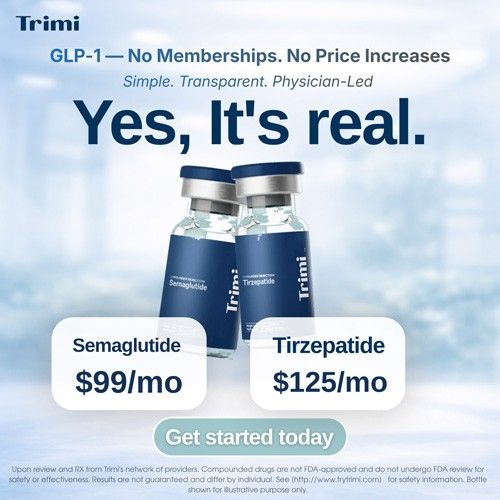
These may include therapies containing ingredients such as semaglutide or tirzepatide, depending on a patient’s health profile and the provider’s clinical judgment.
Each medication differs in:
- Dosing schedule
- Expected weight-loss outcomes
- Side-effect profile
- Insurance coverage
- Eligibility requirements
The best provider helps determine which option best matches an individual’s health needs instead of promoting a one-size-fits-all approach.
Benefits Women Over 40 May Experience with GLP-1 Therapy
When combined with lifestyle changes and professional medical supervision, many women report improvements beyond weight reduction.
Potential benefits may include:
Better Appetite Control
Frequent hunger becomes easier to manage, helping reduce overeating and emotional eating.
Improved Portion Control
Smaller meals often feel satisfying, making healthy eating more sustainable.
Reduced Food Cravings
Many individuals experience fewer cravings for sugary snacks and highly processed foods.
Better Blood Sugar Regulation
Stable blood sugar may support consistent energy levels throughout the day.
Increased Confidence
Steady progress often improves motivation, self-esteem, and commitment to healthier habits.
Enhanced Metabolic Health
Weight reduction may contribute to improvements in blood pressure, cholesterol, and overall metabolic wellness when guided by healthcare professionals.
👉 Try the Best GLP-1 of 2026 That’s Working for Thousands
Why Professional Medical Guidance Matters
Although GLP-1 medications have become increasingly popular, they are prescription treatments that require careful medical supervision.
Women over 40 often have additional health considerations that influence treatment decisions, including:
- Thyroid disorders
- High blood pressure
- Type 2 diabetes
- Prediabetes
- Elevated cholesterol
- Menopause symptoms
- Heart disease risk factors
- Previous weight-loss history
- Current prescription medications
An experienced healthcare provider evaluates these factors before recommending the most appropriate treatment plan.
Rather than following a standardized approach, quality providers individualize therapy based on each woman’s medical history, lifestyle, goals, and response to treatment.
Telehealth vs. In-Person GLP-1 Providers
Today, many women choose between virtual and in-person weight-loss clinics. Each option offers unique advantages depending on your preferences and medical needs.
Benefits of Telehealth Providers
Telehealth has become increasingly popular because it offers convenience without sacrificing access to licensed healthcare professionals.
Advantages include:
- Appointments from home
- Flexible scheduling
- Reduced travel time
- Easy prescription management
- Digital follow-up visits
- Access to providers, even in rural areas
For women balancing careers, family responsibilities, or caregiving, telehealth can make consistent medical care more accessible.
Benefits of In-Person Clinics
Some individuals prefer face-to-face interactions with healthcare providers.
In-person visits may allow for:
- Physical examinations
- On-site laboratory testing
- Immediate health assessments
- Personal interaction with the care team
- Additional wellness services
Both telehealth and traditional clinics can provide excellent care when they prioritize personalized treatment and ongoing monitoring.
Lifestyle Habits That Maximize GLP-1 Results
Medication is only one part of a successful weight-management plan. Healthy lifestyle habits help improve results and support long-term success.
Prioritize Protein
Protein helps preserve muscle mass during weight loss, supports metabolism, and increases feelings of fullness. Include lean protein sources such as poultry, fish, eggs, beans, tofu, and Greek yogurt in your meals.
Eat More Fiber
Fiber supports digestion and helps you stay satisfied longer. Aim to include vegetables, fruits, whole grains, legumes, nuts, and seeds throughout the day.
Stay Hydrated
GLP-1 medications can reduce thirst as well as appetite. Drinking enough water supports digestion, energy levels, and overall well-being.
Strength Training
Resistance exercises help maintain lean muscle mass, which is especially important for women over 40. Muscle preservation supports a healthy metabolism and functional strength.
Cardiovascular Exercise
Walking, cycling, swimming, dancing, or other aerobic activities improve heart health, increase calorie expenditure, and enhance overall fitness.
Prioritize Sleep
Quality sleep supports hormone regulation, appetite control, and recovery. Aim for a consistent sleep schedule whenever possible.
Manage Stress
Chronic stress can increase cortisol levels, contributing to emotional eating and abdominal fat accumulation. Mindfulness, yoga, meditation, breathing exercises, and enjoyable hobbies can help reduce stress.
The Importance of Long-Term Weight Maintenance
Losing weight is only the beginning. Maintaining results requires ongoing healthy habits and, for some individuals, continued medical support.
Many providers create maintenance plans that may include:
- Gradual medication adjustments
- Regular follow-up visits
- Nutrition reviews
- Exercise recommendations
- Behavioral coaching
- Progress monitoring
The goal is to help patients maintain healthy lifestyle habits while minimizing the risk of regaining lost weight.

Common Mistakes Women Over 40 Should Avoid
Even with excellent medical guidance, certain habits can reduce the effectiveness of GLP-1 therapy.
Expecting Immediate Results
- Healthy weight loss is typically gradual.
- Focusing only on weekly changes may become discouraging. Instead, pay attention to long-term progress, improved energy, healthier eating habits, and better overall wellness.
Eating Too Little
- Because appetite often decreases, some women unintentionally consume too few calories.
- Very low calorie intake may increase fatigue, reduce muscle mass, and make it difficult to obtain essential nutrients.
- Balanced meals remain important throughout treatment.
Ignoring Protein Intake
- Maintaining muscle becomes increasingly important after age 40.
- Adequate dietary protein supports muscle preservation while losing body fat.
- Protein-rich foods should remain a regular part of meals unless otherwise advised by a healthcare provider.
Skipping Strength Training
- Exercise is not only about burning calories.
- Strength training helps preserve lean muscle, supports metabolism, improves balance, and contributes to healthy aging.
- Combining resistance exercise with GLP-1 therapy often produces better long-term results than medication alone.
Poor Hydration
- Some gastrointestinal side effects become more noticeable when hydration is inadequate.
- Drinking enough water throughout the day may help improve comfort while supporting overall health.
Missing Follow-Up Visits
- Regular appointments allow providers to evaluate progress, adjust medication doses when appropriate, and address any concerns before they become larger problems.
- Consistent follow-up is an important part of safe treatment.
👉 Forbes Reveals Clear GLP-1 Winner For Affordability 2026
Safety Considerations
Although GLP-1 medications have helped many adults achieve meaningful weight loss, they are prescription medications that require medical supervision.
Healthcare providers carefully review each patient’s history before recommending treatment.
Depending on your individual circumstances, your provider may evaluate:
- Current medications
- Previous medical conditions
- Family medical history
- Pregnancy plans
- Digestive disorders
- Gallbladder health
- Kidney function
- Blood sugar levels
Never begin or discontinue prescription medication without consulting a qualified healthcare professional.
Finding the Best GLP-1 Provider Is About More Than Medication
The ideal provider offers much more than a prescription.
They become a long-term partner in improving your health by providing:
- Individualized medical care
- Ongoing education
- Nutrition support
- Lifestyle coaching
- Progress monitoring
- Safe medication adjustments
- Long-term maintenance planning
Women over 40 often experience the greatest success when treatment addresses the whole person rather than focusing solely on the number on the scale.
Red Flags to Watch for When Choosing a Provider
Not every clinic offers high-quality care. Be cautious if a provider:
- Guarantees unrealistic or rapid weight-loss results.
- Prescribes medication without reviewing your medical history.
- Skips necessary health evaluations or laboratory testing when indicated.
- Provides little or no follow-up care.
- Lacks licensed healthcare professionals.
- Does not explain potential risks or side effects.
- Offers no guidance on nutrition or lifestyle changes.
- Makes treatment decisions based solely on sales rather than on your health.
A trustworthy provider prioritizes patient safety, education, and long-term success.
👉 Get GLP-1 At $59 Per Month (Limited Time Offer)
Building Healthy Habits Beyond the Medication
The ultimate goal of GLP-1 therapy is not simply weight loss—it is creating lasting lifestyle changes that support long-term health.
Successful habits include:
- Planning balanced meals.
- Preparing healthy snacks in advance.
- Staying physically active most days of the week.
- Monitoring portion sizes.
- Tracking progress without obsessing over daily fluctuations.
- Celebrating non-scale victories such as increased energy, better mobility, and improved confidence.
- Working closely with your healthcare provider to adjust your plan when needed.
These habits often become the foundation for maintaining results long after significant weight loss has been achieved.
Conclusion
Choosing the best GLP-1 provider for women over 40 is one of the most important decisions you can make when starting a medically supervised weight-loss journey.
While GLP-1 medications have transformed obesity treatment, the best results come from working with experienced healthcare professionals who understand the hormonal, metabolic, and lifestyle changes women experience after 40.
Rather than promising unrealistic results, they focus on helping you build sustainable habits that support lasting success.
For many women, the goal goes beyond losing weight. It includes improving energy levels, supporting metabolic health, reducing the risk of weight-related conditions, and enhancing overall quality of life.
By choosing the right GLP-1 provider and committing to healthy lifestyle changes, you can achieve safe, meaningful, and sustainable results.
Remember that every woman’s health journey is unique. Working with a qualified healthcare provider ensures your treatment plan is tailored to your individual needs, helping you build healthier habits and long-term wellness with confidence.
References
https://en.wikipedia.org/wiki/GLP-1_receptor_agonist
https://www.healthline.com/health/glp-1-for-weight-loss
https://www.mayoclinic.org/healthy-lifestyle/weight-loss/in-depth/weight-loss/art-20047752
About Us
