
Best Foods for Lung Health: Benefits, Facts and Diet Tips
The best foods for lung health include apples, blueberries, beetroot, leafy greens, fatty fish, tomatoes, turmeric, and walnuts.
These foods provide antioxidants, essential vitamins, and healthy fats that support respiratory function, immune defenses, and healthy inflammatory responses.
Recent nutritional research highlights the potential benefits of plant-centered diets and omega-3 fatty acids in maintaining lung function.
Meanwhile, viral lung detox drinks and mucus-clearing food hacks continue attracting attention.
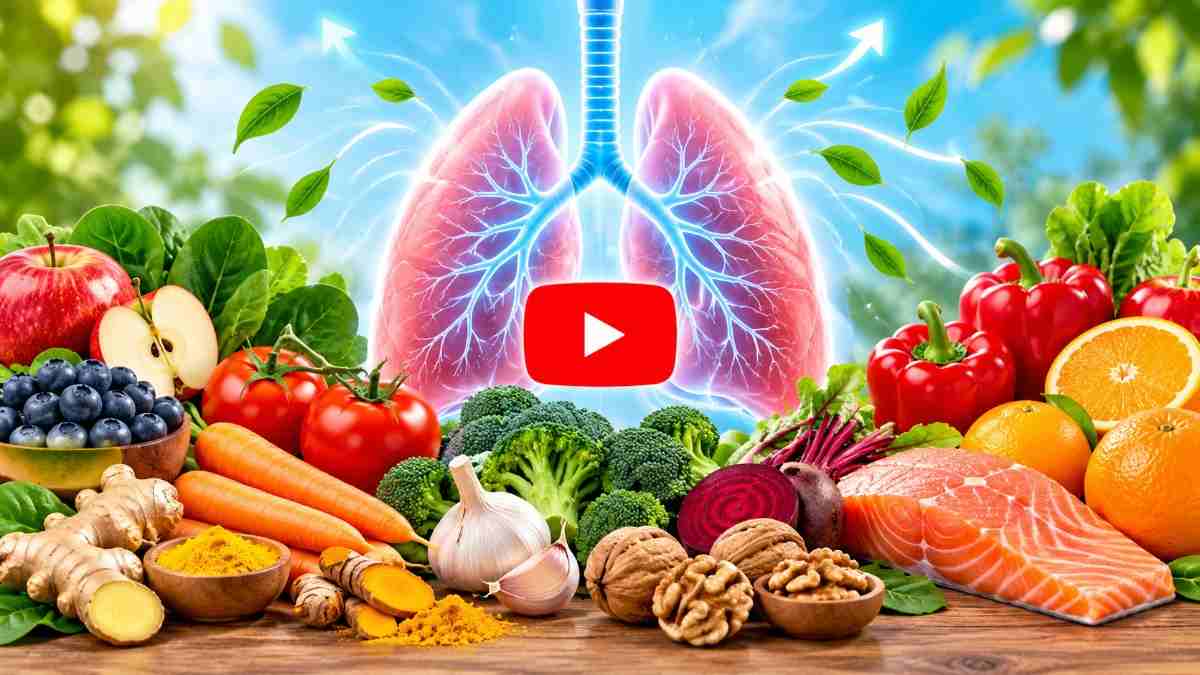
👉 DON’T TRY THIS “BEST FOODS FOR LUNG HEALTH” UNTIL YOU SEE THIS
However, no individual food can completely cleanse the lungs, reverse smoking damage, or cure respiratory disease. A balanced, nutrient-rich diet offers a more scientifically supported approach to protecting long-term respiratory health.
How Do Foods Help Improve Lung Health Naturally?
The lungs face continuous exposure to air pollution, environmental irritants, and oxidative stress. Nutrients obtained through food support the body’s natural protective processes.
Antioxidants help limit cellular damage, while healthy fats help regulate inflammation. Protein supports respiratory muscles, and vitamins assist normal immune function.
A 2024 CARDIA Lung Study with thirty years of follow-up linked nutritious, plant-centered diets to slower lung function decline.
This finding highlights the importance of consistent dietary habits rather than temporary cleansing routines.
15 Best Foods for Lung Health and Respiratory Function
1. Apples
Apples contain quercetin, vitamin C, and beneficial plant compounds. Regular apple consumption has been associated with better lung function in observational research. Eating whole apples also provides fiber that supports digestive and metabolic health.
2. Beetroot
Beetroot contains dietary nitrates that help the body produce nitric oxide, supporting blood vessel function.
Some clinical studies suggest nitrate-rich beetroot juice may improve exercise tolerance among people living with chronic obstructive pulmonary disease.
3. Blueberries
Blueberries provide anthocyanins, naturally occurring antioxidants that help protect cells against oxidative stress.
Adding blueberries to oatmeal, yogurt, or smoothies provides a convenient way to increase daily antioxidant consumption.
4. Fatty Fish
Salmon, sardines, and mackerel contain omega-3 fatty acids. Research published in 2025 identified associations between certain circulating fatty acids and lung function, although these findings do not establish that fish oil treats respiratory diseases.
5. Turmeric
Turmeric contains curcumin, a compound investigated for antioxidant and anti-inflammatory properties.
Using turmeric in everyday cooking may complement a nutritious diet, but concentrated supplements should not replace prescribed respiratory medications.
6. Broccoli
Broccoli provides sulforaphane precursors, vitamin C, and fiber. Researchers have investigated its potential role in cellular defense mechanisms.
Regular consumption supports overall nutritional health, although direct lung repair benefits remain unproven.
👉 DON’T TRY THIS “BEST FOODS FOR LUNG HEALTH” UNTIL YOU SEE THIS
7. Tomatoes
Tomatoes contain lycopene, a carotenoid antioxidant associated with several health benefits.
Cooking tomatoes with olive oil can improve lycopene absorption, making homemade tomato sauces a practical addition to balanced meals.
8. Spinach
Spinach supplies magnesium, folate, carotenoids, and other essential nutrients.
These contribute to normal muscle activity, cellular protection, and immune function. Other leafy greens offer similar nutritional advantages.
9. Ginger
Ginger contains bioactive compounds that have been studied for their effects on inflammation.
Warm ginger tea may soothe throat irritation and encourage hydration. However, ginger cannot directly open obstructed airways or eliminate lung infections.
10. Red Bell Peppers
Red bell peppers are excellent dietary sources of vitamin C. This essential nutrient supports antioxidant defenses and normal immune function, making peppers particularly useful within a varied respiratory-friendly eating pattern.
11. Walnuts
Walnuts provide plant-based omega-3 fatty acids, protein, and beneficial minerals.
Including moderate portions in everyday meals supports healthy fat intake and complements a Mediterranean-style dietary pattern.
12. Oranges
Oranges supply vitamin C, flavonoids, and water. Whole oranges provide more fiber than filtered juice, supporting overall nutrition while helping people maintain adequate daily fluid intake.
13. Pumpkin
Pumpkin contains beta-carotene, which the body can convert into vitamin A. This nutrient supports normal immune function and epithelial tissue maintenance, including tissues lining the respiratory tract.
14. Lentils
Lentils provide protein, iron, magnesium, and dietary fiber. Protein supports respiratory muscle maintenance, while iron contributes to normal oxygen transport throughout the body through healthy red blood cells.
15. Extra Virgin Olive Oil
Extra virgin olive oil contains monounsaturated fats and protective polyphenols. Replacing some saturated fats with olive oil supports balanced nutrition and complements dietary patterns associated with healthier aging.

👉 DON’T TRY THIS “BEST FOODS FOR LUNG HEALTH” UNTIL YOU SEE THIS
Trending Lung Health Food Hacks: What Actually Works?
➢ Beetroot and Lemon Juice for Better Breathing
This popular combination provides dietary nitrates and vitamin C. Although beetroot may support exercise endurance in certain individuals, adding lemon does not create a lung-cleansing remedy.
➢ Honey and Ginger for Mucus Relief
Honey and ginger mixed with warm water may temporarily soothe coughing and throat discomfort. However, this combination cannot dissolve mucus trapped deep inside the lungs.
➢ Pineapple Juice for Lung Cleansing
Pineapple contains bromelain, an enzyme frequently promoted in viral mucus-clearing recipes. Current clinical evidence does not establish that pineapple juice removes respiratory mucus or repairs damaged lungs.
➢ Mullein Tea for Lung Detox
Mullein tea is frequently promoted as a natural respiratory cleanser. However, strong human evidence supporting lung detoxification remains unavailable. Warm beverages primarily offer hydration and temporary throat comfort.
Best Diet for Lung Health: What Does Recent Research Say?
A Mediterranean-style diet emphasizes vegetables, fruits, seafood, legumes, whole grains, nuts, and olive oil.
Recent research from 2026 continues to examine relationships between dietary quality and respiratory function. However, findings remain mixed regarding whether healthier eating directly prevents chronic respiratory disease.
Prioritize sustainable dietary improvements rather than expecting immediate changes in lung capacity.
👉 DON’T TRY THIS “BEST FOODS FOR LUNG HEALTH” UNTIL YOU SEE THIS
Best Foods for Smokers and Former Smokers
Vitamin-rich foods, including citrus fruits, bell peppers, berries, and leafy vegetables, support normal cellular defenses against oxidative stress.
However, nutrition cannot neutralize tobacco exposure. Smoking cessation remains essential for protecting lung function.
Smokers should avoid high-dose beta-carotene supplements because they may increase lung cancer risk.
What Foods Are Good for People With COPD?
People with COPD may benefit from adequate protein, healthy fats, vegetables, and sufficient calories to maintain respiratory muscle strength.
Smaller, frequent meals may help reduce uncomfortable abdominal fullness. Individual nutritional requirements depend on body weight, disease severity, medications, and existing medical conditions.
Foods to Avoid for Better Lung Health
Limiting certain foods may support healthier dietary habits and reduce digestive discomfort that can interfere with comfortable breathing.
- Processed meats and excessive sodium.
- Sugary beverages and refined carbohydrates.
- Frequently consumed deep-fried foods.
- Carbonated drinks that trigger bloating.
- Foods that worsen personal acid reflux symptoms.
Dairy products do not universally increase mucus production. Avoid unnecessary dietary restrictions unless medically indicated.
Simple Daily Meal Plan for Healthy Lungs
| Meal | Lung-Friendly Foods |
| Breakfast | Oatmeal, blueberries, walnuts |
| Lunch | Spinach, lentils, tomatoes |
| Evening snack | Orange and ginger tea |
| Dinner | Salmon, broccoli, beetroot |
| Hydration | Water throughout the day |
Common Lung Health Nutrition Mistakes
Depending exclusively on detox drinks, skipping nutritious meals, consuming excessive herbal supplements, and expecting immediate respiratory improvements are common mistakes.
Concentrated supplements may interact with medications. People with kidney disease, low blood pressure, or other chronic conditions should seek individualized nutritional guidance.
Never replace prescribed inhalers or respiratory treatments with food remedies.
How to Keep Your Lungs Healthy Naturally
Combine nutritious eating with regular physical activity, adequate hydration, sufficient sleep, and reduced exposure to tobacco smoke and air pollution.
Seek medical attention for persistent coughing, wheezing, or unexplained breathlessness. Sudden severe breathing difficulties require emergency care.
Conclusion
The best foods for lung health include antioxidant-rich fruits, colorful vegetables, fatty fish, nuts, legumes, and healthy oils. These foods support essential biological processes involved in maintaining respiratory wellness.
Although viral lung-cleansing hacks may offer temporary comfort, they cannot reverse lung damage or cure respiratory conditions.
A balanced diet, regular exercise, smoking avoidance, and appropriate medical care remain the most reliable foundations for protecting lung function and supporting better breathing naturally.
👉 DON’T TRY THIS “BEST FOODS FOR LUNG HEALTH” UNTIL YOU SEE THIS
References
- Healthline – The 20 Best Foods for Lung Health
https://www.healthline.com/nutrition/lung-cleansing-foods
- PubMed – Plant-Centered Diet and Lung Function: CARDIA Lung Study (2024)
https://pubmed.ncbi.nlm.nih.gov/38468283/
- Wikipedia – Mediterranean Diet
https://en.wikipedia.org/wiki/Mediterranean_diet
About Us
