
How to Drop Your Blood Pressure Within Minutes: Safe Tips
High blood pressure, also known as hypertension, is a common health concern that affects millions of adults. It occurs when the force of blood pushing against artery walls remains consistently too high.
Although blood pressure can fluctuate throughout the day, an unexpectedly high reading can cause concern, especially when accompanied by stress, headaches, or other uncomfortable symptoms.
If you are wondering how to drop your blood pressure within minutes, there are several simple techniques that may help your body relax and reduce temporary blood pressure elevations. These include practicing slow breathing, sitting quietly, relaxing tense muscles, and avoiding stimulants.
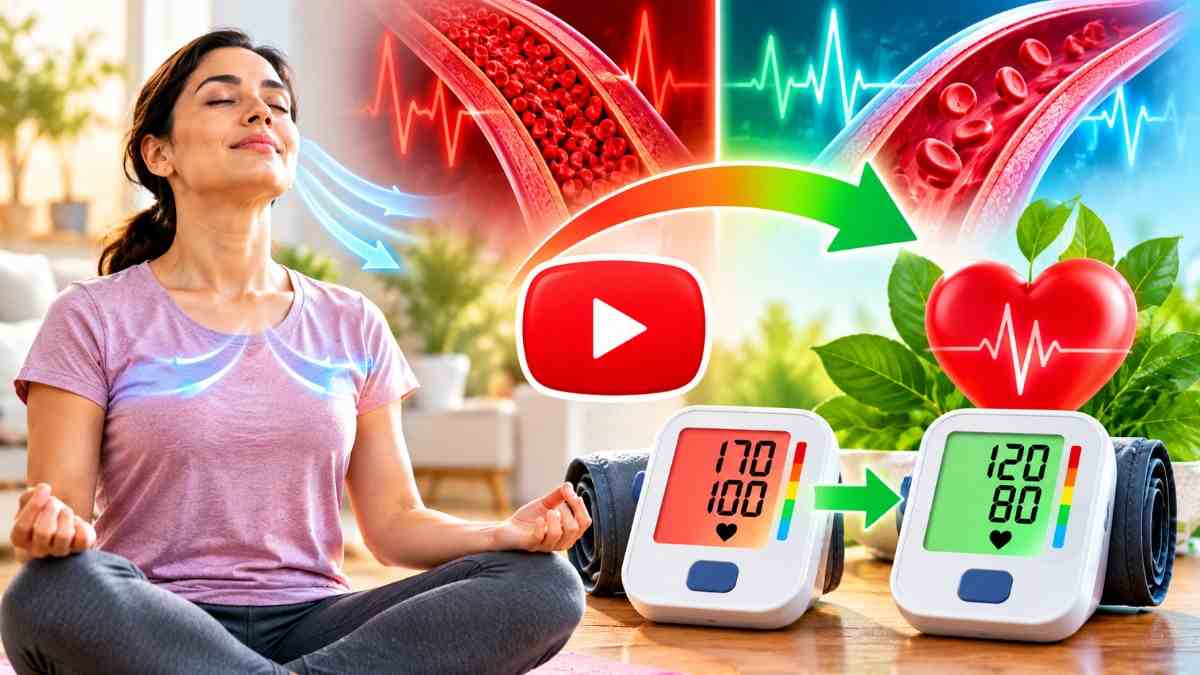
👉 DON’T TRY THIS “HOW TO DROP YOUR BLOOD PRESSURE WITHIN MINUTES” UNTIL YOU SEE THIS
However, there is no guaranteed home remedy that can safely bring dangerously high blood pressure down within minutes. The right approach depends on how high your reading is, whether you have symptoms, and your overall health.
This guide explains practical steps you can take when your blood pressure is elevated, which techniques may provide short-term support, and when medical attention is necessary.
Understanding Blood Pressure and Why It Matters
Blood pressure measures the force of circulating blood against the walls of your arteries. Your heart pumps blood throughout your body, delivering oxygen and nutrients to different organs.
A blood pressure reading contains two numbers:
- Systolic pressure: The top number, which measures pressure in your arteries when your heart contracts.
- Diastolic pressure: The bottom number, which measures pressure in your arteries when your heart rests between beats.
For example, a reading of 120/80 mmHg means your systolic pressure is 120 and your diastolic pressure is 80.
Blood pressure can change throughout the day depending on physical activity, emotional stress, sleep, caffeine consumption, medications, and other factors.
Occasional increases do not necessarily mean someone has chronic hypertension. However, consistently elevated readings can increase the risk of heart disease, stroke, kidney problems, and other serious complications.
Understanding what affects your blood pressure is the first step toward managing it safely.
How to Drop Your Blood Pressure Within Minutes: 10 Practical Techniques
When your blood pressure reading is temporarily elevated, certain relaxation and measurement techniques may help. These methods are intended to support normal regulation rather than replace prescribed treatment.
1. Practice Slow and Controlled Breathing
Slow breathing is one of the easiest techniques to try when you feel stressed or anxious.
Stress activates the body’s sympathetic nervous system, which is responsible for the fight-or-flight response. This can temporarily increase heart rate and blood pressure.
Controlled breathing encourages relaxation and may support the body’s natural blood pressure regulation.
How to practice:
- Sit comfortably in a quiet place.
- Relax your shoulders and jaw.
- Breathe gently through your nose for approximately four seconds.
- Exhale slowly for approximately six seconds.
- Continue for five minutes without forcing your breathing.
Focus on making each breath smooth and comfortable.
Some people find that slow breathing helps them feel calmer within a few minutes. However, its immediate effects on blood pressure vary, and it should not be considered an emergency treatment.
2. Sit Quietly and Relax Your Body
Physical and emotional tension can contribute to temporary increases in blood pressure.
If you have just exercised, rushed through a busy schedule, or experienced an upsetting situation, your blood pressure reading may be higher than usual.
Taking a short break can help your body settle.
Try these steps:
- Sit in a comfortable chair.
- Support your back.
- Keep both feet flat on the floor.
- Rest your arms comfortably.
- Avoid talking or using your phone.
- Relax your shoulders and facial muscles.
- Remain seated quietly for at least five minutes.
This technique is particularly helpful before repeating a blood pressure measurement because it reduces some common sources of reading errors.
3. Use Proper Blood Pressure Measurement Techniques
Sometimes, the fastest way to get a more accurate blood pressure reading is to correct how you measure it.
An incorrectly positioned arm, talking during measurement, or using an unsuitable cuff can produce misleading results.
For a more reliable reading:
- Avoid smoking, caffeine, and exercise for at least 30 minutes beforehand.
- Empty your bladder.
- Sit quietly for five minutes.
- Keep your back supported.
- Place both feet flat on the floor.
- Support your arm at heart level.
- Position the cuff on your bare upper arm.
- Avoid talking while the monitor operates.
Take two readings approximately one minute apart and record both.
Correct measurement does not necessarily lower your blood pressure, but it helps you understand whether the original reading was accurate.
4. Reduce Stress and Emotional Tension
Stress can cause temporary changes in blood pressure by activating hormones that increase heart rate and tighten blood vessels.
Although stress alone does not explain every high reading, managing emotional tension can support cardiovascular health.
You can try:
- Listening to calming instrumental music.
- Practicing mindfulness.
- Closing your eyes for a few minutes.
- Spending time in a quiet environment.
- Taking gentle, comfortable breaths.
- Stepping away from stressful activities.
Avoid repeatedly checking your blood pressure every few seconds. This can increase anxiety and make it harder to understand your actual readings.
A calm environment may help you obtain a more representative measurement.
5. Avoid Caffeine and Nicotine
Caffeine and nicotine can temporarily increase blood pressure in some individuals.
Caffeine stimulates the nervous system, while nicotine causes blood vessels to constrict and can increase heart rate.
If your blood pressure is elevated, avoid consuming additional:
- Coffee.
- Energy drinks.
- Strong caffeinated tea.
- Nicotine products.
- Tobacco products.
Avoiding these substances will not necessarily lower an existing high reading within minutes, but it can help prevent additional temporary increases.
People who regularly consume caffeine may respond differently, so individual sensitivity matters.
6. Drink Water if You Are Dehydrated
Hydration supports normal circulation and helps the body maintain its fluid balance. Dehydration can sometimes contribute to changes in heart rate and blood pressure. However, drinking water is not a proven rapid treatment for hypertension.
If you are thirsty or have not consumed enough fluids, drinking a normal glass of water may help restore hydration.
Keep these points in mind:
- Drink water gradually.
- Avoid sugary energy drinks.
- Do not force excessive water consumption.
- Follow any fluid restrictions recommended by your healthcare professional.
People with heart failure, kidney disease, or other conditions affecting fluid balance may need specific hydration recommendations.
7. Relax Your Muscles
Muscle tension often accompanies stress, anxiety, and physical discomfort. Progressive muscle relaxation is a technique that involves gently tightening and releasing different muscle groups.
How to practice:
- Sit or lie comfortably.
- Gently tighten your hands for a few seconds.
- Release the tension.
- Relax your shoulders.
- Gently tighten and release your leg muscles.
- Continue with other muscle groups.
- Breathe naturally throughout the process.
Do not strain, hold your breath, or perform intense muscle contractions.
This technique may help reduce stress and improve relaxation, although it does not guarantee an immediate reduction in blood pressure.
8. Avoid Strenuous Physical Activity During a High Reading
Regular physical activity is excellent for long-term cardiovascular health. Walking, swimming, cycling, and other moderate activities can help improve blood pressure over time.
However, intense exercise is not an appropriate method for rapidly lowering a dangerously high reading.
If your blood pressure is unexpectedly elevated:
- Stop strenuous activity.
- Sit down and rest.
- Allow your breathing and heart rate to settle.
- Repeat the measurement correctly.
- Follow medical advice if the reading remains high.
Do not attempt vigorous exercise to force your blood pressure down.
9. Maintain a Comfortable Environment
Your surroundings can influence stress levels and physical comfort. If you are feeling overwhelmed, move to a quiet, comfortable environment where you can relax.
Consider:
- Reducing unnecessary noise.
- Avoiding heated arguments.
- Wearing comfortable clothing.
- Maintaining a pleasant room temperature.
- Taking a break from work-related stress.
- Practicing gentle breathing.
These simple changes may help you feel more comfortable and reduce stress-related fluctuations.
10. Follow Your Prescribed Blood Pressure Treatment
If you have been diagnosed with hypertension, taking your prescribed medication consistently is one of the most important parts of managing your condition.
Blood pressure medications work through different mechanisms. Some relax blood vessels, others reduce fluid retention, and some decrease the workload on the heart.
If your reading is higher than usual:
- Take medication according to your prescribed schedule.
- Do not take an additional dose unless instructed.
- Do not stop medication because your reading improves.
- Contact your healthcare professional if readings remain elevated.
- Keep a record of your measurements.
Never use someone else’s blood pressure medication or attempt to lower your blood pressure rapidly without medical guidance.
What to Avoid When Trying to Lower Blood Pressure Quickly
When your blood pressure is elevated, avoid actions that could make the situation worse.
Some popular home remedies are not supported by sufficient clinical evidence, and certain approaches may be dangerous.

👉 DON’T TRY THIS “HOW TO DROP YOUR BLOOD PRESSURE WITHIN MINUTES” UNTIL YOU SEE THIS
Avoid Taking Extra Blood Pressure Medication
Never double your prescribed medication dose to achieve a faster result.
Blood pressure medications can cause excessive reductions in blood pressure when taken incorrectly. This may lead to dizziness, fainting, falls, or other complications.
Follow your prescribed treatment plan and ask your healthcare professional what to do if you experience an unusually high reading.
Avoid Excessive Salt Consumption
Sodium causes the body to retain fluid, which can contribute to higher blood pressure in some individuals.
Limit foods such as:
- Processed meats.
- Canned soups with high sodium.
- Packaged salty snacks.
- Fast food.
- Highly salted sauces.
- Processed frozen meals.
Reducing sodium intake is a useful long-term strategy, but it will not reliably lower blood pressure within minutes.
Do Not Rely on Garlic, Lemon Water, or Apple Cider Vinegar as Emergency Treatments
Garlic, lemon water, and apple cider vinegar are frequently discussed as natural blood pressure remedies.
However, none should be considered a reliable emergency treatment for dangerously high blood pressure.
Garlic may have modest blood pressure benefits in some studies when used consistently, but the effects are not immediate or guaranteed. Lemon water can contribute to hydration, while there is insufficient evidence to establish apple cider vinegar as a treatment for hypertension.
A healthy diet can complement medical treatment, but natural remedies should never replace prescribed medication.
Avoid Alcohol and Energy Drinks
Alcohol can affect blood pressure, particularly when consumed excessively or regularly.
Energy drinks may contain substantial amounts of caffeine and other stimulating ingredients that can temporarily increase blood pressure.
If you are concerned about an elevated reading, avoid consuming these beverages.
Understanding Blood Pressure Readings
Knowing what your blood pressure numbers mean helps you understand when to monitor your health and when to seek medical assistance.
The following categories reflect commonly used adult blood pressure classifications.
| Blood pressure category | Systolic | Diastolic |
| Normal | Below 120 | Below 80 |
| Elevated | 120–129 | Below 80 |
| Stage 1 hypertension | 130–139 | 80–89 |
| Stage 2 hypertension | 140 or higher | 90 or higher |
| Severe hypertension | Higher than 180 | And/or higher than 120 |
Measurements are in mmHg. Either the systolic or diastolic number can determine the higher category. A diagnosis generally requires repeated, properly obtained measurements and professional assessment. A single elevated reading does not automatically mean you have hypertension.
Your blood pressure may temporarily increase because of anxiety, physical activity, pain, caffeine, or other factors. However, repeated high readings should not be ignored.
When Is High Blood Pressure a Medical Emergency?
A blood pressure reading higher than 180 systolic and/or 120 diastolic requires immediate attention.
If you obtain a reading in this range:
- Wait at least one minute.
- Repeat the measurement.
- If it remains this high, contact a healthcare professional immediately.
If the reading is higher than 180/120 and you experience any of the following symptoms, call 911 immediately:
- Chest pain.
- Difficulty breathing.
- Severe back pain.
- Sudden numbness or weakness.
- Changes in vision.
- Difficulty speaking.
These symptoms may indicate a hypertensive emergency or another serious medical condition.
Do not wait for breathing exercises, water, relaxation, or home remedies to work.
Even without symptoms, repeated readings above 180 systolic and/or 120 diastolic require prompt medical guidance. Do not attempt to manage it independently.
Pregnancy and the period after childbirth require additional caution because dangerously high blood pressure can have different thresholds and complications. Seek immediate medical advice for concerning readings during pregnancy or postpartum.
👉 DON’T TRY THIS “HOW TO DROP YOUR BLOOD PRESSURE WITHIN MINUTES” UNTIL YOU SEE THIS
Long-Term Ways to Maintain Healthy Blood Pressure
Although some techniques may help you relax within minutes, maintaining healthy blood pressure requires consistent habits.
Here are several evidence-based lifestyle strategies that support cardiovascular health.
1. Follow a Heart-Healthy Diet
A healthy eating pattern is one of the most effective ways to support long-term blood pressure management.
The DASH (Dietary Approaches to Stop Hypertension) eating plan emphasizes nutritious foods that support heart health.
Consider including:
- Fresh fruits and vegetables.
- Whole grains.
- Beans and lentils.
- Nuts and seeds.
- Low-fat dairy products.
- Fish and lean protein.
- Foods naturally rich in potassium.
Try to reduce highly processed foods, excessive sodium, added sugars, and saturated fats.
Potassium-rich foods can support healthy blood pressure, but people with kidney disease or certain medications may need to limit potassium intake. Ask your healthcare professional before making major dietary changes.
2. Exercise Regularly
Regular physical activity strengthens the cardiovascular system and can help lower blood pressure over time. You don’t need to start with intense workouts.
Suitable activities may include:
- Walking.
- Swimming.
- Cycling.
- Dancing.
- Light aerobic exercise.
- Gentle stretching.
Many adults can work toward approximately 150 minutes of moderate-intensity aerobic activity each week, depending on their health and physical abilities.
Start gradually and discuss an appropriate exercise routine with your healthcare professional, especially if you have uncontrolled hypertension or other cardiovascular conditions.
3. Maintain a Healthy Weight
Excess body weight can increase the workload on your heart and contribute to elevated blood pressure.
For people who are overweight, even modest, sustainable weight loss may improve blood pressure.
Focus on realistic habits rather than restrictive diets. A balanced approach includes nutritious meals, regular movement, adequate sleep, and consistent daily routines.
4. Improve Your Sleep Quality
Sleep is essential for cardiovascular health. Poor sleep and untreated sleep disorders, particularly obstructive sleep apnea, can contribute to high blood pressure.
To support better sleep:
- Maintain a consistent bedtime.
- Create a comfortable sleeping environment.
- Avoid excessive caffeine late in the day.
- Reduce screen exposure before bed.
- Keep your bedroom quiet and comfortable.
- Aim for seven to nine hours of sleep when appropriate for your age and health.
If you regularly snore loudly, wake up gasping, or feel excessively tired during the day, discuss possible sleep apnea with a healthcare professional.
5. Manage Daily Stress
Chronic stress can contribute to unhealthy habits and temporary increases in blood pressure. Building a regular relaxation routine may help support cardiovascular wellness.
Consider activities such as:
- Meditation.
- Deep breathing.
- Gentle yoga.
- Reading.
- Spending time outdoors.
- Listening to relaxing music.
Consistency is more important than trying to achieve immediate results.
6. Monitor Your Blood Pressure at Home
Home monitoring helps you understand how your blood pressure changes over time. Choose a validated automatic upper-arm monitor with the correct cuff size.
For consistent results:
- Measure at approximately the same times each day.
- Sit quietly before taking measurements.
- Take two readings one minute apart.
- Record the results.
- Share your readings with your healthcare professional.
A blood pressure journal can help identify patterns and determine whether your treatment plan is working.
7. Take Medications Consistently
Some individuals need prescription medication in addition to lifestyle changes.
Depending on your health, a healthcare professional may prescribe:
- ACE inhibitors.
- Angiotensin receptor blockers (ARBs).
- Calcium channel blockers.
- Thiazide-type diuretics.
- Other appropriate blood pressure medications.
Each medication works differently, and the right choice depends on your medical history and individual needs.
Take medications exactly as prescribed and report side effects or consistently elevated readings to your healthcare professional.
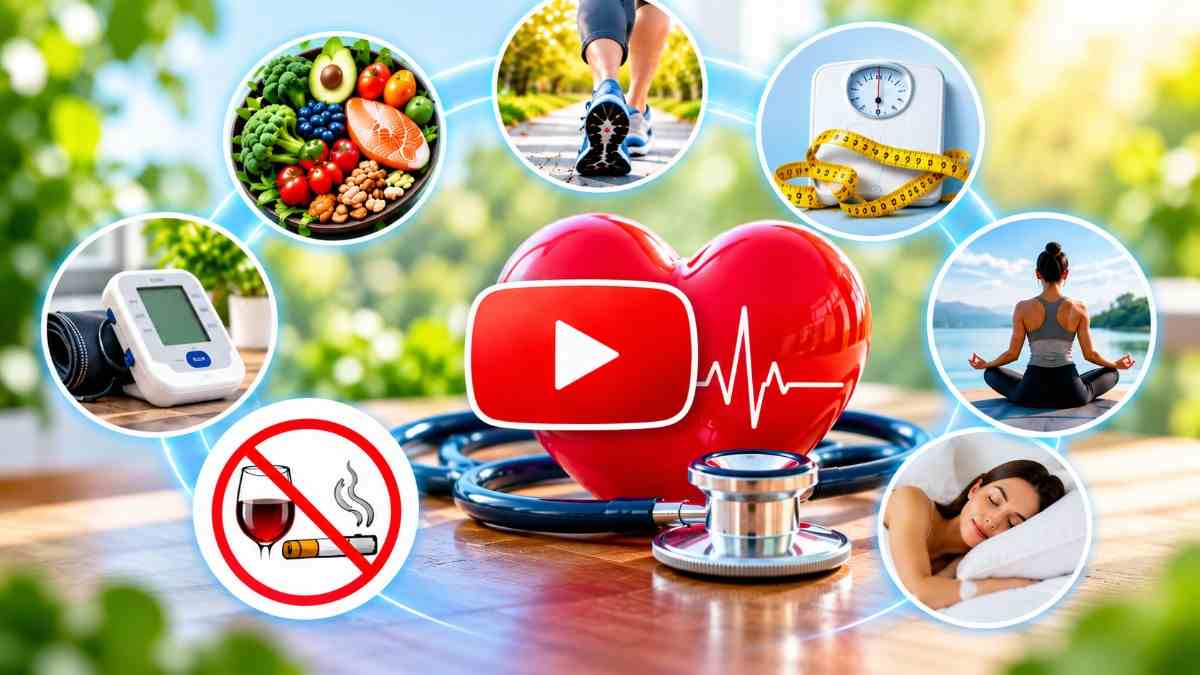
👉 DON’T TRY THIS “HOW TO DROP YOUR BLOOD PRESSURE WITHIN MINUTES” UNTIL YOU SEE THIS
Common Factors That Can Cause a Sudden Increase in Blood Pressure
Understanding what causes temporary blood pressure increases can help you make better decisions about your health.
Several everyday factors may influence your readings.
| Contributing factor | Possible effect |
| Emotional stress | Activates the stress response |
| Caffeine | May temporarily increase blood pressure |
| Nicotine | Can constrict blood vessels |
| Physical activity | Temporarily increases blood pressure |
| Poor sleep | Can negatively affect blood pressure regulation |
| Excess sodium | Can contribute to fluid retention |
| Certain medications | May increase blood pressure |
| Pain or illness | Can temporarily affect readings |
Some over-the-counter medications, including certain decongestants and anti-inflammatory pain relievers, may also raise blood pressure. Ask a pharmacist or healthcare professional whether your medications could be contributing to elevated readings.
A Simple Five-Minute Relaxation Routine
If you have a mildly elevated reading and no concerning symptoms, the following routine may help you relax before taking another measurement.
5-minute relaxation routine
- Find a comfortable position: Sit in a chair with your back supported and feet flat on the floor.
- Relax your muscles: Release tension in your shoulders, neck, hands, and jaw.
- Practice gentle breathing: Breathe slowly and comfortably without holding your breath.
- Remain calm: Continue resting quietly and prepare to take an accurate blood pressure measurement.
This routine is for relaxation and measurement preparation, not treatment of severe hypertension. Follow emergency guidance when applicable.
Conclusion
Knowing how to drop your blood pressure within minutes starts with understanding the difference between temporary blood pressure increases and persistent hypertension.
Simple techniques such as slow breathing, sitting quietly, relaxing tense muscles, and avoiding stimulants may help your body settle when stress or other temporary factors influence your reading.
However, these techniques cannot guarantee an immediate reduction or treat dangerously high blood pressure.
For lasting cardiovascular health, focus on a balanced diet, regular physical activity, stress management, quality sleep, home monitoring, and consistent use of prescribed medications.
The best approach is to combine healthy everyday habits with accurate monitoring and appropriate medical care. Taking small, consistent steps can help you protect your heart and support healthier blood pressure over time.
👉 DON’T TRY THIS “HOW TO DROP YOUR BLOOD PRESSURE WITHIN MINUTES” UNTIL YOU SEE THIS
References
https://www.healthline.com/health/high-blood-pressure-hypertension/lower-it-fast
https://en.wikipedia.org/wiki/Blood_pressure
https://www.mayoclinic.org/diseases-conditions/high-blood-pressure/symptoms-causes/syc-20373410
.
About Us
