
60-Second Trick to Lower Blood Pressure: Does It Work?
High blood pressure is a common health concern, and many people look for quick, simple ways to bring their readings down.
A popular search is the 60-second trick to lower blood pressure. One technique often discussed is slow, controlled breathing, which may help the body relax and temporarily influence blood pressure.
However, it is important to understand that no breathing exercise, drink, or quick movement can reliably normalize high blood pressure in just 60 seconds. The most useful approach is to combine relaxation techniques with accurate blood pressure monitoring, healthy daily habits, and prescribed treatment when necessary.
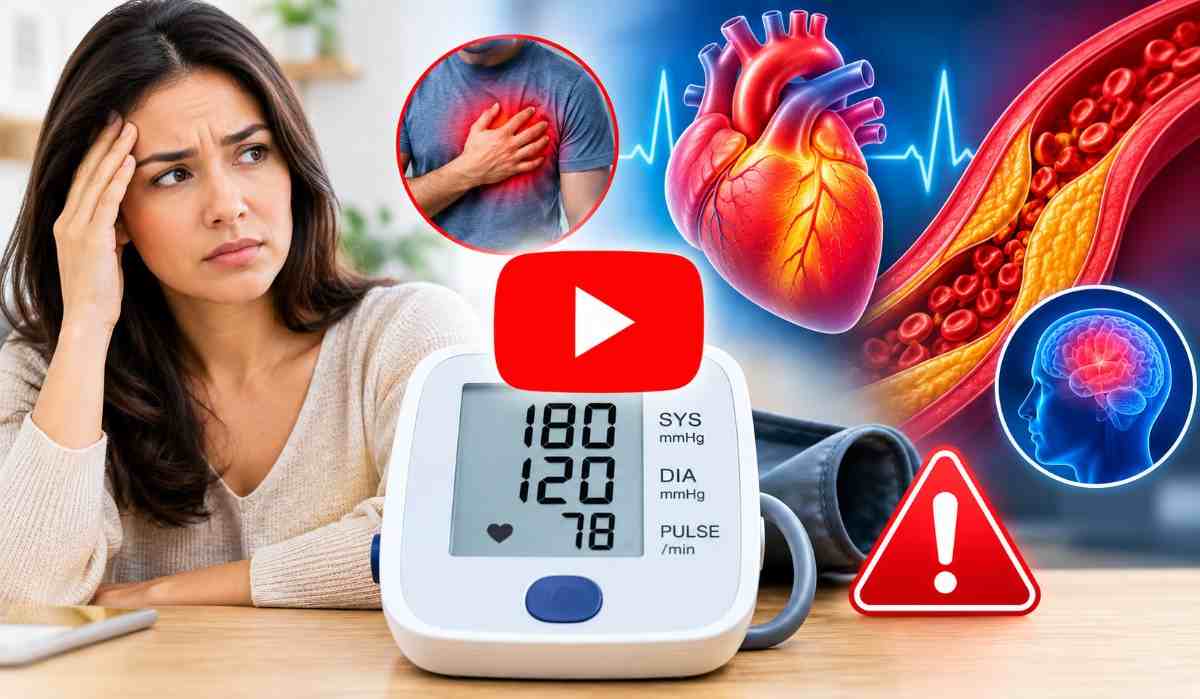
👉 DON’T TRY THIS “60-SECOND TRICK TO LOWER BLOOD PRESSURE” UNTIL YOU SEE THIS
In this guide, we explore how the 60-second breathing technique works, what science says about it, other ways to support cardiovascular health, and when high blood pressure requires medical attention.
What Is the 60-Second Trick to Lower Blood Pressure?
The 60-second trick generally refers to a short relaxation exercise designed to reduce tension and encourage slower breathing.
When someone feels stressed, the body activates its sympathetic nervous system, sometimes called the fight-or-flight response. This can increase heart rate and temporarily raise blood pressure.
Slow, controlled breathing encourages relaxation and may support the activity of the parasympathetic nervous system, which helps regulate heart rate and other automatic body functions.
A simple version involves:
- Sitting comfortably in a quiet place.
- Relaxing the shoulders and jaw.
- Breathing gently through the nose.
- Exhaling slowly without forcing the breath.
- Repeating for approximately 60 seconds.
This technique may help someone feel calmer, particularly when stress contributes to a temporarily elevated reading.
Important: A minute of breathing is a relaxation exercise, not a proven treatment for hypertension.
How to Lower Blood Pressure in 60 Seconds Naturally
If you want to try a quick relaxation technique, controlled breathing is a reasonable starting point.
1. Try Slow, Controlled Breathing
Slow breathing can help reduce physical tension and promote relaxation.
Try this gentle one-minute routine:
- Sit upright with your back supported.
- Place your feet flat on the floor.
- Relax your shoulders and hands.
- Breathe in gently through your nose.
- Exhale slowly and comfortably.
- Continue for about 60 seconds.
Avoid holding your breath, straining, or breathing excessively deeply. Stop if you feel dizzy or uncomfortable.
2. Relax Your Body and Mind
Stress can temporarily influence blood pressure. Relaxing your muscles may help reduce the physical effects of tension.
During your breathing exercise:
- Release tension in your shoulders.
- Unclench your jaw.
- Keep your hands relaxed.
- Avoid checking your blood pressure repeatedly.
- Focus on comfortable, natural breathing.
These steps may help you feel more relaxed, although they do not guarantee an immediate reduction in blood pressure.
3. Sit Quietly Before Measuring Blood Pressure
Sometimes, a reading appears higher because someone has recently walked, exercised, consumed caffeine, or experienced stress.
Before checking your blood pressure, sit quietly for at least five minutes.
Use a properly fitting upper-arm blood pressure monitor and follow its instructions. This helps produce a more reliable measurement.
👉 DON’T TRY THIS “60-SECOND TRICK TO LOWER BLOOD PRESSURE” UNTIL YOU SEE THIS
Understanding Blood Pressure and Why It Rises
Blood pressure measures the force of blood pushing against the walls of the arteries.
It is recorded using two numbers:
- Systolic pressure: The upper number, measuring pressure when the heart contracts and pumps blood.
- Diastolic pressure: The lower number, measuring pressure when the heart relaxes between beats.
For most adults, the American Heart Association classifies readings as follows:
| Blood pressure category | Reading (mmHg) |
| Normal | Below 120/80 |
| Elevated | 120–129 and below 80 |
| Stage 1 hypertension | 130–139 or 80–89 |
| Stage 2 hypertension | 140 or higher or 90 or higher |
| Severe hypertension | Higher than 180 and/or 120 |
These categories help identify potential concerns, but a healthcare professional should confirm a diagnosis using appropriate measurements.
Common Reasons Blood Pressure Increases
Blood pressure can change throughout the day. Some increases are temporary, while others may indicate ongoing hypertension.
Common contributing factors include:
- Emotional stress and anxiety.
- Excessive sodium consumption.
- Lack of physical activity.
- Smoking and nicotine use.
- Excessive alcohol consumption.
- Poor sleep quality.
- Certain medications.
- Kidney problems and other medical conditions.
- Family history and aging.
Understanding these factors can help people make more informed decisions about their cardiovascular health.
Does Deep Breathing Really Lower Blood Pressure?
Deep breathing and slow breathing exercises are commonly recommended as relaxation techniques.
When breathing becomes slower and more controlled, the body may experience changes in nervous system activity, heart rate, and stress responses.
This may contribute to temporary improvements in blood pressure for some people. However, the effects vary depending on the individual, the technique, and their underlying health.
How Slow Breathing Affects the Nervous System
The autonomic nervous system regulates involuntary activities such as heart rate, breathing, and blood vessel function.
It has two major components:
- Sympathetic nervous system: Helps prepare the body for stressful situations.
- Parasympathetic nervous system: Supports relaxation and recovery.
Stress can increase sympathetic activity, potentially raising heart rate and blood pressure.
Gentle, controlled breathing may encourage a relaxation response and help counter some of these effects.
Can One Minute of Breathing Make a Difference?
A 60-second breathing exercise can help someone relax, but it should not be confused with a clinically established blood pressure treatment.
Research into breathing-based relaxation techniques suggests potential benefits, particularly when practiced regularly. However, the evidence does not establish that one minute reliably lowers blood pressure to a healthy level.
People with diagnosed hypertension should continue their prescribed treatment.
Other Natural Ways to Support Healthy Blood Pressure
Although there is no guaranteed instant solution, several evidence-supported lifestyle habits can help manage blood pressure over time.
1. Follow a Heart-Healthy Diet
Diet plays an important role in cardiovascular health.
The DASH (Dietary Approaches to Stop Hypertension) eating pattern emphasizes nutritious foods that provide essential vitamins, minerals, and fiber.
Consider including:
- Leafy green vegetables.
- Fresh fruits and berries.
- Whole grains.
- Beans and lentils.
- Nuts and seeds.
- Low-fat dairy products.
- Fish and lean protein sources.
Reduce highly processed foods, excessive salt, and foods containing large amounts of saturated fat.

👉 DON’T TRY THIS “60-SECOND TRICK TO LOWER BLOOD PRESSURE” UNTIL YOU SEE THIS
2. Reduce Sodium Intake
Eating too much sodium can contribute to higher blood pressure, particularly in people who are salt-sensitive.
Many processed and packaged foods contain substantial amounts of sodium.
Practical ways to reduce intake include:
- Checking nutrition labels.
- Choosing low-sodium alternatives.
- Limiting processed meats.
- Reducing packaged snacks.
- Using herbs and spices instead of excess salt.
Avoid making extreme dietary changes without professional guidance, particularly if you have kidney or other medical conditions.
3. Exercise Regularly
Regular physical activity supports heart health and helps improve blood pressure control.
Walking, cycling, swimming, and other moderate-intensity activities can be useful options.
A common recommendation for adults is at least 150 minutes of moderate-intensity aerobic activity each week, alongside appropriate muscle-strengthening activities.
If you are currently inactive, begin gradually and increase activity according to your fitness level.
4. Maintain a Healthy Weight
Excess body weight can increase the workload on the heart and contribute to hypertension.
Maintaining a healthy weight through balanced nutrition and regular movement may improve cardiovascular health.
Rather than following extreme diets, focus on sustainable habits that support long-term health.
5. Improve Sleep Quality
Sleep is important for healthy blood pressure regulation.
Insufficient sleep and sleep disorders, including obstructive sleep apnea, can contribute to hypertension.
Helpful sleep habits include:
- Maintaining a consistent bedtime.
- Keeping your bedroom comfortable and dark.
- Limiting caffeine later in the day.
- Avoiding heavy meals close to bedtime.
- Discussing persistent snoring or breathing interruptions with a healthcare professional.
6. Manage Daily Stress
Long-term stress can affect cardiovascular health and make healthy routines more difficult to maintain.
Consider incorporating simple relaxation practices into your daily schedule:
- Meditation.
- Gentle yoga.
- Controlled breathing.
- Walking outdoors.
- Listening to calming music.
- Taking short breaks during stressful activities.
These practices can support general well-being, although they should not replace hypertension treatment.
What About Drinking Water to Lower Blood Pressure Quickly?
Staying hydrated is important for normal circulation and overall health. However, drinking a glass of water is not a proven 60-second blood pressure treatment.
Dehydration can affect circulation and may contribute to changes in blood pressure. Correcting dehydration can help restore normal fluid balance.
Nevertheless, drinking excessive amounts of water does not provide an immediate solution for hypertension.
People with heart failure, kidney disease, or prescribed fluid restrictions should follow their healthcare professional’s hydration recommendations.
Common Myths About the 60-Second Blood Pressure Trick
Online videos and social media posts often promote quick methods for reducing blood pressure. Some contain useful relaxation suggestions, while others exaggerate their effects.
Here are several misconceptions worth understanding.
Myth 1: One Minute of Deep Breathing Cures High Blood Pressure
Fact: Slow breathing may encourage relaxation and temporarily influence blood pressure, but it does not cure hypertension.
Persistent high blood pressure requires proper assessment and ongoing management.
Myth 2: Lemon Water Immediately Reduces Blood Pressure
Fact: Lemon water can be part of a healthy hydration routine, but there is no reliable evidence that it immediately normalizes high blood pressure.
Its nutritional value should not be confused with a medical treatment.
Myth 3: Garlic Can Replace Blood Pressure Medication
Fact: Some research suggests garlic preparations may have modest blood pressure effects in certain individuals.
However, garlic supplements are not substitutes for prescribed medication and may interact with medicines, including blood-thinning drugs.
Myth 4: You Can Ignore High Readings If You Feel Fine
Fact: High blood pressure frequently has no noticeable symptoms.
Feeling normal does not mean your blood pressure is healthy. Regular monitoring and appropriate medical assessment are important.
Myth 5: A Quick Trick Can Prevent Every Heart Problem
Fact: No single breathing exercise, food, or home remedy can eliminate cardiovascular risk.
Long-term prevention involves multiple lifestyle habits and medical care when needed.
👉 DON’T TRY THIS “60-SECOND TRICK TO LOWER BLOOD PRESSURE” UNTIL YOU SEE THIS
Common Mistakes to Avoid When Trying to Lower Blood Pressure
Even simple lifestyle changes can become ineffective or unsafe when approached incorrectly.
Avoid these common mistakes:
- Checking blood pressure immediately after exercise: Physical activity can temporarily change readings.
- Using an incorrectly sized cuff: An unsuitable cuff can produce inaccurate measurements.
- Holding your breath: Breath-holding or straining is not necessary during relaxation exercises.
- Stopping medication: Never discontinue prescribed blood pressure medication because a home technique appears helpful.
- Taking unverified supplements: Some products may interact with medications or cause unwanted effects.
- Expecting immediate results: Sustainable blood pressure management usually requires consistent lifestyle changes and, when necessary, medication.
When Is High Blood Pressure Dangerous?
High blood pressure can increase the risk of heart disease, stroke, kidney damage, and other complications.
One important warning sign is a blood pressure reading higher than 180/120 mmHg.
If you receive a reading in this range:
- Wait at least one minute.
- Measure your blood pressure again.
- If it remains above this level, contact a healthcare professional immediately.
If you also experience chest pain, shortness of breath, back pain, numbness, weakness, vision changes, or difficulty speaking, call emergency services immediately.
Do not wait for a breathing exercise or home remedy to work. These symptoms may indicate a hypertensive emergency requiring immediate medical attention.
How to Monitor Your Blood Pressure Correctly at Home
Home monitoring can help you understand your blood pressure patterns and determine whether your management plan is working.
Follow these basic steps:
- Avoid smoking, caffeine, and exercise for at least 30 minutes before measuring.
- Empty your bladder.
- Sit quietly for at least five minutes.
- Keep your back supported and feet flat on the floor.
- Rest your arm on a flat surface at heart level.
- Place the cuff directly against your bare upper arm.
- Take two readings approximately one minute apart.
- Record both measurements.
Use a validated upper-arm monitor with the correct cuff size.
Taking measurements consistently and sharing the results with your healthcare professional can provide a clearer picture of your cardiovascular health.
👉 DON’T TRY THIS “60-SECOND TRICK TO LOWER BLOOD PRESSURE” UNTIL YOU SEE THIS
Who Should Be Careful With Blood Pressure-Lowering Techniques?
Relaxation exercises are generally accessible to many adults, but individual health conditions matter.
Additional medical guidance may be necessary for people who:
- Have diagnosed hypertension.
- Take prescription blood pressure medication.
- Have heart or kidney disease.
- Experience frequent dizziness or fainting.
- Have a history of stroke or heart disease.
- Are pregnant or have pregnancy-related hypertension.
Some medications and health conditions require specific blood pressure targets.
Avoid trying to lower blood pressure rapidly without understanding why it is elevated. Sudden or excessive reductions can be harmful.
If you are already receiving treatment, continue following your prescribed plan unless your healthcare professional recommends a change.
Conclusion
The 60-second trick to lower blood pressure is best understood as a simple relaxation technique rather than an instant medical solution.
Slow, controlled breathing may help calm the nervous system, reduce stress, and temporarily influence blood pressure. It is an easy practice that can complement a heart-healthy lifestyle.
However, there is no scientifically established one-minute trick that reliably brings high blood pressure back to normal.
For better long-term results, prioritize a balanced diet, reduced sodium intake, regular physical activity, sufficient sleep, stress management, and consistent blood pressure monitoring.
Most importantly, people with hypertension should follow medical advice and take prescribed medications as directed.
👉 DON’T TRY THIS “60-SECOND TRICK TO LOWER BLOOD PRESSURE” UNTIL YOU SEE THIS
References
https://www.healthline.com/health/high-blood-pressure-hypertension/lower-it-fast
https://en.wikipedia.org/wiki/Blood_pressure
.
About Us
