
Mouth Taping Sleep Hack: Does It Really Improve Sleep?
The mouth taping sleep hack is a viral nighttime practice that involves keeping the lips closed during sleep to encourage nasal breathing.
Supporters claim it reduces snoring, prevents dry mouth, improves sleep quality, and promotes better morning energy.
However, scientific evidence remains limited, and mouth taping may introduce breathing risks for certain individuals.
Although nasal breathing offers natural respiratory benefits, restricting mouth breathing is not necessarily the safest way to achieve them.
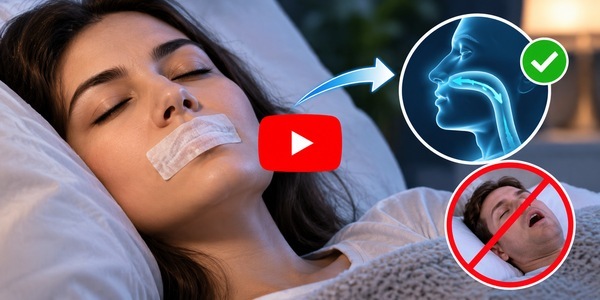
👉 DON’T TRY THIS “MOUTH TAPING SLEEP HACK” UNTIL YOU SEE THIS
Understanding the latest research, potential benefits, risks, and safer alternatives is essential before following this popular sleep trend.
What Is the Mouth Taping Sleep Hack?
Mouth taping is a bedtime wellness trend intended to encourage breathing through the nose instead of the mouth while sleeping.
The practice has become increasingly visible across social media platforms, where influencers promote it as a natural solution for nighttime breathing problems.
However, mouth breathing can indicate underlying nasal congestion, allergies, or sleep disorders. Restricting oral airflow without addressing these conditions may create additional health concerns.
Why Is Mouth Taping Going Viral in 2026?
The popularity of mouth taping is closely associated with sleepmaxxing, a wellness movement focused on improving nighttime recovery, relaxation, and sleep quality.
Trending claims surrounding mouth taping include:
- Improved morning energy
- Reduced facial puffiness
- Better oxygen circulation
- Enhanced jawline appearance
- Reduced nighttime snoring
- Improved deep sleep
- Prevention of morning dry mouth
A 2026 study examining mouth taping content on Instagram highlighted concerns about health misinformation and the promotion of benefits without sufficient scientific evidence.
How Does the Mouth Taping Sleep Hack Work?
Mouth taping attempts to encourage nasal breathing by limiting airflow through the mouth. Its proposed benefits are primarily associated with the natural functions of nasal breathing.
➢ Natural Air Filtration
The nose helps filter airborne particles while warming and humidifying inhaled air, supporting respiratory comfort.
➢ Nitric Oxide Production
The nasal passages produce nitric oxide, which participates in normal respiratory and vascular functions. However, mouth taping has not been proven to significantly increase oxygen delivery.
➢ Oral Moisture Retention
Nasal breathing may reduce moisture evaporation from oral tissues, potentially helping individuals experiencing nighttime mouth dryness.
👉 DON’T TRY THIS “MOUTH TAPING SLEEP HACK” UNTIL YOU SEE THIS
6 Potential Benefits of Mouth Taping During Sleep
Although research remains preliminary, several potential benefits explain the growing interest in this nighttime wellness trend.
1. May Reduce Morning Dry Mouth
Encouraging nasal breathing may reduce excessive moisture loss from the mouth, potentially supporting greater oral comfort upon waking.
2. May Reduce Mild Snoring
Limited studies suggest potential improvements in selected individuals. However, snoring associated with airway obstruction requires medical assessment.
3. Encourages Nasal Breathing Awareness
The trend encourages individuals to recognize their breathing patterns and investigate possible reasons for persistent nighttime mouth breathing.
4. May Reduce Morning Throat Dryness
Comfortable nasal breathing may help maintain throat moisture by reducing prolonged exposure to dry air through the mouth.
5. May Support Oral Comfort
Maintaining adequate oral moisture supports normal saliva function, which contributes to healthy teeth, gums, and oral tissues.
6. May Improve Perceived Sleep Comfort
Some individuals report improved nighttime comfort. However, personal experiences do not establish clinically measurable improvements in sleep quality.
What Does Scientific Research Say About Mouth Taping?
A 2025 systematic review examined ten studies involving 213 participants. Researchers found insufficient evidence supporting widespread mouth taping and identified potentially serious risks associated with nasal obstruction.
Research published in 2026 continued examining relationships between nasal airflow, mouth taping, and obstructive sleep apnea indicators.
Current evidence does not establish mouth taping as a universally effective sleep treatment.
Larger clinical studies are needed to evaluate long-term safety, effectiveness, and appropriate patient selection.
Viral Mouth Taping Claims: Facts and Myths
✅ Does Mouth Taping Improve Your Jawline?
There is insufficient scientific evidence that mouth taping reshapes adult facial bones, removes double chins, or produces noticeable jawline definition.
✅ Does Mouth Taping Increase Deep Sleep?
Improved sleep tracker scores reported online do not necessarily demonstrate measurable changes in deep sleep or restorative sleep cycles.
✅ Does Mouth Taping Help With Weight Loss?
No reliable clinical evidence demonstrates that mouth taping accelerates metabolism, increases fat burning, or produces meaningful weight loss.
✅ Does Mouth Taping Prevent Facial Puffiness?
Facial puffiness can result from allergies, fluid retention, and sleeping position. Mouth taping has no established effectiveness for reducing swelling.
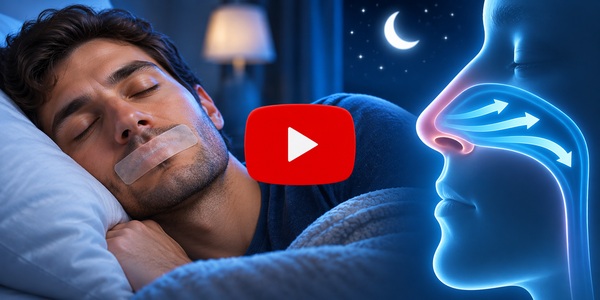
👉 DON’T TRY THIS “MOUTH TAPING SLEEP HACK” UNTIL YOU SEE THIS
Is Mouth Taping While Sleeping Dangerous?
Mouth taping can become dangerous when nasal airflow is restricted. Mouth breathing provides an alternative pathway when the nose cannot deliver sufficient airflow.
Potential side effects include:
- Breathing difficulties
- Lip and skin irritation
- Increased anxiety
- Interrupted sleep
- Adhesive reactions
- Potential oxygen deprivation
People experiencing nighttime breathing difficulties should prioritize medical evaluation rather than restricting their natural breathing pathways.
Who Should Avoid Mouth Taping?
Individuals with certain health conditions may face increased risks when attempting this viral sleep hack.
Mouth taping should be avoided without appropriate medical guidance by people with obstructive sleep apnea, chronic nasal congestion, respiratory conditions, severe allergies, or structural nasal abnormalities.
Children should not use mouth taping as a home remedy. Individuals taking sedating medications should also discuss nighttime breathing concerns with healthcare professionals.
7 Safer Alternatives to the Mouth Taping Sleep Hack
1. Practice Side Sleeping
Sleeping sideways may reduce positional snoring and support comfortable nighttime breathing in some individuals.
2. Use Saline Nasal Spray
Saline nasal sprays help moisturize nasal tissues and may relieve mild congestion without restricting airflow through the mouth.
3. Try Gentle Nasal Breathing Exercises
Practicing comfortable nasal breathing while awake may improve breathing awareness and encourage relaxation before bedtime.
4. Maintain Bedroom Humidity
A properly cleaned humidifier may reduce environmental dryness that contributes to nasal irritation and throat discomfort.
5. Consider External Nasal Strips
Nasal strips may improve nasal airflow in certain individuals without preventing mouth breathing when necessary.
6. Avoid Alcohol Before Bedtime
Reducing evening alcohol consumption may help prevent excessive airway relaxation and associated nighttime snoring.
7. Follow a Consistent Sleep Routine
Maintaining a regular bedtime and wake-up schedule supports circadian rhythm regulation and healthier sleep patterns.
👉 DON’T TRY THIS “MOUTH TAPING SLEEP HACK” UNTIL YOU SEE THIS
Common Mouth Taping Mistakes to Avoid
One common mistake is assuming all nighttime mouth breathing results from unhealthy breathing habits.
Other mistakes include ignoring nasal congestion, relying exclusively on influencer testimonials, using household adhesives, and overlooking persistent sleep apnea symptoms.
Never replace prescribed respiratory treatments with mouth tape. Addressing the underlying cause of breathing problems remains more important than following temporary wellness trends.
Can Mouth Taping Help With Sleep Apnea?
Mouth taping is not an established standalone treatment for obstructive sleep apnea.
Sleep apnea involves repeated breathing interruptions caused by airway obstruction or other physiological factors. Closing the mouth does not necessarily prevent these interruptions.
Evidence-based treatments include prescribed positive airway pressure therapy, professionally fitted oral appliances, and appropriate medical interventions.
When Should You Consult a Doctor?
Persistent snoring, morning headaches, nighttime choking, breathing interruptions, and excessive daytime fatigue may indicate an underlying sleep disorder.
A healthcare professional can investigate potential causes, including nasal obstruction, allergies, and obstructive sleep apnea.
Early assessment helps identify appropriate treatment options while reducing the risks associated with unproven sleep hacks.
Severe breathing difficulty requires immediate medical attention.
Conclusion
The mouth taping sleep hack remains a popular wellness trend, but its advertised benefits frequently exceed available scientific evidence.
Although nasal breathing supports respiratory comfort and oral moisture, restricting mouth breathing overnight may introduce unnecessary risks.
Prioritizing comfortable nasal airflow, consistent sleep habits, and appropriate medical evaluation provides a safer foundation for improving sleep quality.
Ultimately, effective sleep optimization should support natural, unrestricted breathing rather than depend on unproven social media trends.
👉 DON’T TRY THIS “MOUTH TAPING SLEEP HACK” UNTIL YOU SEE THIS
References
- Wikipedia – Mouth Taping
https://en.wikipedia.org/wiki/Mouth_taping
- Healthline – Mouth Taping: Does It Treat Snoring or Sleep Apnea?
https://www.healthline.com/health/taping-mouth
- PubMed – Mouth Taping Safety and Efficacy: Systematic Review (2025)
https://pubmed.ncbi.nlm.nih.gov/40397877/
About Us
