
Best Breathing Exercises Before Sleep: A Science-Based Guide
The best breathing exercises before sleep include diaphragmatic breathing, 4-7-8 breathing, physiological sighing, box breathing, and extended exhalation.
These techniques may reduce stress, calm racing thoughts, and help your body transition naturally into sleep.
If you struggle with bedtime anxiety, restlessness, or difficulty falling asleep, practicing gentle breathing exercises for five minutes may help you relax.
From traditional yogic breathing to popular nervous system regulation techniques, several approaches deserve attention.
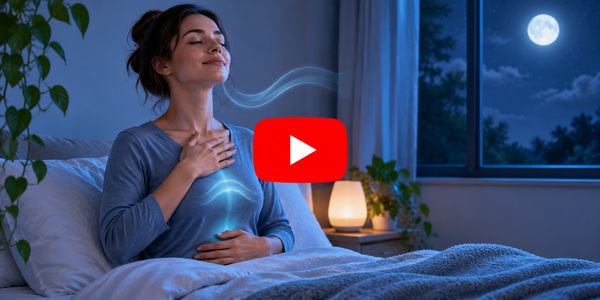
👉 DON’T TRY THIS “BEST BREATHING EXERCISES BEFORE SLEEP” UNTIL YOU SEE THIS
However, understanding the science behind these methods is essential because viral sleep hacks do not always deliver their promised results.
How Do Breathing Exercises Help You Sleep Better?
Controlled breathing influences the autonomic nervous system, which regulates heart rate, respiration, and stress responses.
When you experience anxiety, your breathing may become faster and shallower. This pattern can keep you physically alert, making relaxation more difficult.
Slow breathing may encourage parasympathetic nervous system activity, supporting the body’s natural relaxation response.
A 2026 systematic review examining bedtime breathing techniques found promising improvements in self-reported sleep quality and duration. However, findings from objective sleep measurements were less consistent.
Breathing exercises are therefore useful relaxation tools rather than guaranteed insomnia treatments.
10 Best Breathing Exercises Before Sleep
1. The 4-7-8 Breathing Technique for Sleep
The 4-7-8 breathing method remains a popular natural sleep technique for managing bedtime stress and mental restlessness.
- Inhale through your nose for four seconds.
- Pause for seven seconds.
- Exhale gently through your mouth for eight seconds.
- Complete four comfortable breathing cycles.
The extended exhalation encourages relaxation, while counting redirects attention away from stressful thoughts.
Beginners should shorten the timing whenever breath-holding feels uncomfortable. Falling asleep within sixty seconds is not scientifically guaranteed.
👉 DON’T TRY THIS “BEST BREATHING EXERCISES BEFORE SLEEP” UNTIL YOU SEE THIS
2. Diaphragmatic Breathing for Deep Relaxation
Diaphragmatic breathing, commonly called belly breathing, encourages natural movement of the primary respiratory muscle.
Lie comfortably on your back and place one hand over your abdomen. Breathe gently through your nose, allowing your abdomen to rise naturally.
Exhale slowly while relaxing your shoulders and abdominal muscles.
Practicing this exercise for five minutes may reduce physical tension and help establish a calmer breathing rhythm before bedtime.
3. Physiological Sighing for Racing Thoughts
The physiological sigh has attracted considerable attention through online wellness discussions about stress reduction.
Take a comfortable nasal inhalation, followed by a smaller second inhalation. Release the air slowly through your mouth.
Repeat several times without forcing your breathing.
Research published in 2023 found that structured cyclic sighing improved mood and reduced respiratory rate. However, its effectiveness as a direct treatment for insomnia remains uncertain.
4. Box Breathing for Nighttime Anxiety
Box breathing provides a structured rhythm that may help redirect attention away from anxious thoughts.
Inhale for four seconds, hold for four seconds, exhale for four seconds, and pause for another four seconds.
Repeat this sequence comfortably for several rounds.
People who experience discomfort during breath retention should choose continuous breathing instead. Relaxation matters more than maintaining perfectly timed breathing intervals.
5. The 4-6 Breathing Exercise Before Bed
The 4-6 breathing technique offers a simpler alternative to exercises involving breath retention.
Inhale gently through your nose for four seconds and exhale comfortably for six seconds.
Continue this rhythm for approximately five minutes.
This technique produces around six breaths per minute and may encourage autonomic regulation. Its straightforward pattern makes it particularly suitable for beginners experiencing bedtime restlessness.
6. Alternate Nostril Breathing
Alternate nostril breathing is a traditional yogic technique associated with mindful relaxation.
Gently close your right nostril and inhale through your left nostril. Switch sides and exhale through your right nostril.
Inhale through the right nostril before switching again.
Continue slowly without holding your breath. Although this practice may encourage relaxation, evidence demonstrating specific sleep benefits remains limited.
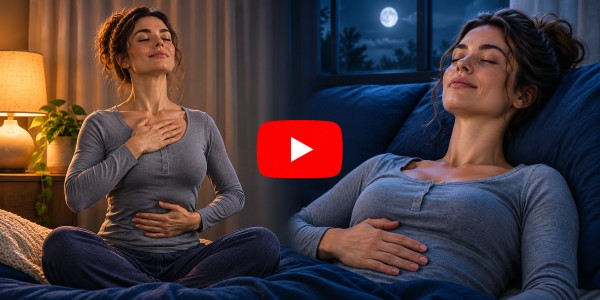
👉 DON’T TRY THIS “BEST BREATHING EXERCISES BEFORE SLEEP” UNTIL YOU SEE THIS
7. Humming Bee Breathing for Sleep
Humming bee breathing, also called Bhramari Pranayama, combines controlled breathing with gentle sound vibrations.
Inhale comfortably through your nose. During exhalation, produce a soft humming sound while keeping your jaw relaxed.
Repeat several times without creating uncomfortable pressure.
The humming provides a sensory focus that may distract attention from repetitive thoughts and encourage a peaceful bedtime environment.
8. Resonance Frequency Breathing
Resonance breathing involves maintaining a slow, comfortable respiratory rhythm, commonly around five or six breaths per minute.
Try inhaling for five seconds and exhaling for five seconds without unnecessarily deep breaths.
This technique is frequently associated with heart rate variability training and stress management.
Although wearable devices can provide breathing feedback, beginners can practice comfortably without specialized equipment.
9. Mindful Nasal Breathing
Mindful nasal breathing encourages awareness of natural respiration rather than strict breathing control.
Close your eyes and observe the sensation of air entering and leaving your nostrils.
When distracting thoughts arise, gently redirect your attention to your breathing.
This approach may benefit people who find counting exercises mentally demanding. Avoid forcing nasal breathing when experiencing significant congestion.
10. Progressive Muscle Relaxation With Breathing
Combining controlled breathing with progressive muscle relaxation may address physical tension and mental alertness at the same time.
Gently tighten and release individual muscle groups, starting with your feet and gradually moving upward.
Exhale comfortably whenever releasing tension.
Avoid tightening injured or painful muscles. This combination offers a practical relaxation strategy for people who experience physical restlessness before sleep.
Trending Breathing Hacks for Better Sleep in 2026
The Five-Minute Nervous System Reset
Social media frequently promotes breathing exercises as nervous system resets. While slow breathing may influence stress responses, it cannot literally reset neurological function.
Replace exaggerated expectations with comfortable, consistent practice.
The No-Phone Breathing Challenge
Replacing nighttime scrolling with five minutes of breathing may reduce mental stimulation while establishing healthier bedtime habits.
Dim lighting and a quiet environment can complement this simple approach.
Is Mouth Taping Safe for Sleep?
Mouth taping remains controversial because supporting evidence is limited. Restricting oral breathing may be dangerous for people with nasal obstruction or sleep apnea.
Gentle breathing exercises while awake offer a safer alternative.
👉 DON’T TRY THIS “BEST BREATHING EXERCISES BEFORE SLEEP” UNTIL YOU SEE THIS
Best Five-Minute Breathing Routine Before Bed
Follow this beginner-friendly nighttime breathing routine:
- First minute: Observe natural breathing.
- Second minute: Practice gentle belly breathing.
- Third minute: Introduce longer exhalations.
- Fourth minute: Continue comfortable slow breathing.
- Final minute: Release control of your breathing and relax.
Avoid repeatedly checking the clock. The goal is to create comfortable conditions for sleep rather than force unconsciousness.
Common Mistakes When Practicing Sleep Breathwork
Taking excessively deep breaths, holding your breath too long, and practicing forceful exhalations may cause discomfort.
Overbreathing can reduce carbon dioxide levels, which may trigger dizziness or tingling.
Another common mistake involves expecting immediate results. Monitoring your performance too closely may increase bedtime anxiety.
Choose comfortable breathing patterns and maintain realistic expectations about improvement.
Who Should Avoid Certain Breathing Exercises?
People with respiratory conditions, cardiovascular problems, or diagnosed sleep apnea should seek medical guidance before attempting unfamiliar breath retention techniques.
Stop immediately if breathing exercises cause dizziness, unusual breathlessness, or discomfort.
Persistent insomnia, nighttime gasping, loud snoring, and excessive daytime sleepiness require professional evaluation.
Cognitive behavioral therapy for insomnia remains an established treatment for chronic insomnia. Breathwork should complement appropriate treatment rather than replace it.
Conclusion
The best breathing exercises before sleep encourage relaxation through gentle, controlled respiration. Diaphragmatic breathing, extended exhalation, and mindful nasal breathing offer accessible starting points for beginners.
Popular techniques such as physiological sighing and 4-7-8 breathing may also support relaxation, although claims of instant sleep remain unproven.
Choose a comfortable technique, practice consistently, and combine breathing exercises with healthy sleeping habits. Sustainable relaxation is more valuable than chasing viral sleep shortcuts.
👉 DON’T TRY THIS “BEST BREATHING EXERCISES BEFORE SLEEP” UNTIL YOU SEE THIS
References
- Wikipedia – Diaphragmatic Breathing
https://en.wikipedia.org/wiki/Diaphragmatic_breathing
- Healthline – The 8 Best Breathing Techniques for Sleep
https://www.healthline.com/health/breathing-exercises-for-sleep
- PubMed – Slow Breathing Techniques Before Bedtime and the Effects on Sleep: 2026 Systematic Review
https://pubmed.ncbi.nlm.nih.gov/41886931/
About Us
