
10 Simple Steps to Your Healthiest Lungs: A Complete Guide
Your lungs play an essential role in keeping your body healthy by supplying oxygen to your bloodstream and removing carbon dioxide.
Every breath supports your heart, brain, muscles, and other vital organs. However, everyday exposure to air pollution, cigarette smoke, allergens, infections, and unhealthy lifestyle habits can affect respiratory health over time.
Protect your lungs by avoiding smoke, staying active, checking air quality, testing for radon, staying current on vaccines, and getting symptoms checked.
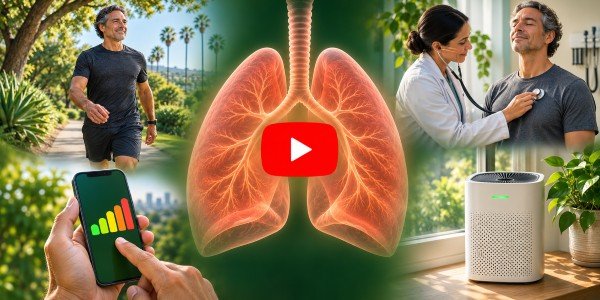
👉 DON’T TRY THIS “10 SIMPLE STEPS TO YOUR HEALTHIEST LUNGS” UNTIL YOU SEE THIS
The good news is that you can take practical steps to protect your lungs and support healthy breathing. You do not need an expensive routine or complicated equipment to get started.
Simple habits, including staying physically active, avoiding tobacco smoke, eating nutritious foods, and reducing indoor air pollution, can make a meaningful difference.
Whether you want to maintain healthy respiratory function, improve your exercise tolerance, or develop better everyday habits, understanding how to care for your lungs is an excellent starting point.
In this guide, we explore 10 simple steps to your healthiest lungs, explaining how each habit supports respiratory wellness and how you can incorporate it into your daily routine.
Why Is Lung Health Important?
Healthy lungs help your body receive the oxygen it needs to function properly. When you inhale, air travels through your nose or mouth, down your windpipe, and into smaller airways called bronchi and bronchioles.
Eventually, oxygen reaches tiny air sacs known as alveoli, where it enters the bloodstream. At the same time, carbon dioxide moves from the blood into the alveoli and leaves your body when you exhale.
This process, called gas exchange, is necessary for maintaining normal body functions.
Your lungs also help regulate blood acidity, support physical activity, and contribute to your body’s defense against airborne particles and microorganisms.
When lung health is compromised, you may experience symptoms such as coughing, wheezing, chest tightness, shortness of breath, or reduced exercise tolerance.
Taking care of your respiratory system can help maintain healthy lung function and reduce exposure to preventable respiratory risks.
10 Simple Steps to Your Healthiest Lungs
1. Avoid Smoking and Secondhand Smoke
Avoiding tobacco smoke is one of the most important steps toward healthier lungs.
Cigarette smoke contains thousands of chemicals, including substances that irritate and damage the respiratory system. Regular exposure can harm the airways, damage lung tissue, and interfere with the normal function of the tiny hair-like structures called cilia.
Cilia help move mucus, dust, and unwanted particles out of the respiratory tract. When smoking damages these structures, your lungs may have greater difficulty clearing irritants.
Smoking is also a major risk factor for several serious conditions, including chronic obstructive pulmonary disease (COPD) and lung cancer.
Secondhand smoke can be harmful even if you do not smoke yourself. Spending time in places where others smoke exposes your respiratory system to harmful chemicals.
Practical ways to protect your lungs:
- Avoid cigarettes, cigars, and other combustible tobacco products.
- Stay away from indoor smoking environments.
- Make your home and vehicle completely smoke-free.
- Seek professional support if you want to stop smoking.
- Avoid vaping aerosols because they can also expose your lungs to potentially harmful substances.
Quitting smoking can benefit your respiratory and overall health at any age. Although some damage may be permanent, stopping exposure can reduce further harm and improve health outcomes.
2. Exercise Regularly to Strengthen Your Respiratory Health
Regular physical activity is an excellent way to support healthy breathing and improve overall fitness.
When you exercise, your muscles require more oxygen. Your heart and lungs respond by increasing the delivery of oxygen throughout your body. Over time, regular exercise can improve cardiovascular fitness, muscular endurance, and your ability to perform everyday activities without becoming easily tired.
Exercise does not necessarily increase the physical size or capacity of your lungs. Instead, it helps your body use oxygen more efficiently.
Choose activities that match your fitness level and physical abilities.
Some beneficial activities include:
- Brisk walking for 20–30 minutes.
- Cycling at a comfortable pace.
- Swimming, if appropriate for your health.
- Dancing or low-impact aerobic exercises.
- Gentle jogging or hiking.
For most adults, health guidelines recommend at least 150 minutes of moderate-intensity aerobic activity each week, along with muscle-strengthening activities on two or more days.
If you have an existing respiratory condition, consult a healthcare professional before starting a new exercise program. Stop exercising and seek medical attention if you experience unusual chest pain, severe breathlessness, or dizziness.
3. Practice Deep Breathing Exercises
Deep breathing exercises can help you become more aware of your breathing patterns and develop better control over your breathing.
Many people develop shallow breathing habits, particularly during stressful situations. Gentle, controlled breathing can encourage relaxation and may make breathing feel more comfortable.
One useful technique is diaphragmatic breathing, also called belly breathing. It focuses on using the diaphragm, the primary muscle responsible for breathing.
How to practice diaphragmatic breathing:
- Sit comfortably or lie down with your shoulders relaxed.
- Place one hand on your chest and the other on your abdomen.
- Slowly inhale through your nose.
- Allow your abdomen to rise while keeping your upper chest relatively still.
- Gently exhale through relaxed lips.
- Repeat for several comfortable breaths.
Start with three to five minutes and gradually increase the duration if comfortable.
Another useful technique is pursed-lip breathing. Inhale gently through your nose and exhale slowly through lips held as though you are blowing out a candle.
These exercises can help some people manage breathlessness, particularly those with certain chronic respiratory conditions. However, they do not reverse lung damage or replace prescribed treatment.
If breathing exercises make you dizzy or uncomfortable, stop and return to normal breathing.
4. Eat a Balanced Diet Rich in Nutrients
Your daily diet plays an important role in supporting your overall health, including the respiratory system.
A balanced eating pattern provides vitamins, minerals, protein, fiber, and other nutrients that help maintain normal immune function and protect cells from everyday damage.
Although no single food can cleanse or detoxify your lungs, nutritious foods can support the body’s natural maintenance and repair processes.
Include these nutrient-rich foods in your meals:
- Leafy green vegetables: Spinach, kale, and broccoli provide vitamins and beneficial plant compounds.
- Citrus fruits: Oranges, lemons, and grapefruit contain vitamin C, which supports normal immune function.
- Berries: Blueberries and strawberries provide antioxidants and fiber.
- Nuts and seeds: Almonds, walnuts, and sunflower seeds contain healthy fats and essential nutrients.
- Whole grains: Oats, brown rice, and whole wheat provide fiber and sustained energy.
- Fatty fish: Salmon and sardines provide omega-3 fatty acids.
Try to eat a variety of colorful fruits and vegetables throughout the week.
It is also helpful to limit highly processed foods and excessive added sugars while maintaining a balanced approach to nutrition.
Remember that healthy eating supports general wellness but should not be presented as a treatment for asthma, COPD, or other lung diseases.
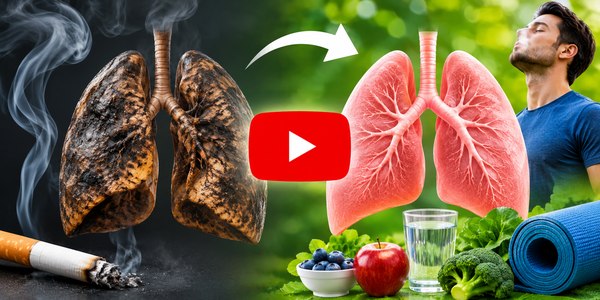
👉 DON’T TRY THIS “10 SIMPLE STEPS TO YOUR HEALTHIEST LUNGS” UNTIL YOU SEE THIS
5. Stay Hydrated Throughout the Day
Drinking enough water supports several important body functions, including normal respiratory health.
Your respiratory tract produces mucus that helps trap dust, microorganisms, and other airborne particles. Adequate hydration helps maintain normal mucus consistency, making it easier for the body’s natural clearance mechanisms to work.
When you become dehydrated, mucus may become thicker, which can make it less comfortable to clear.
Simple hydration habits include:
- Drink water regularly throughout the day.
- Keep a reusable water bottle nearby.
- Eat water-rich foods such as cucumbers, watermelon, and oranges.
- Increase fluid intake when exercising or spending time in hot weather.
- Pay attention to thirst and your individual hydration needs.
Water requirements vary depending on age, activity level, climate, and health conditions.
People with certain heart or kidney conditions may need specific fluid limits, so they should follow their healthcare professional’s recommendations.
Staying hydrated does not directly increase lung capacity, but it supports the body’s normal functions and helps maintain healthy airway secretions.
6. Improve Indoor Air Quality
You spend a significant amount of time indoors, whether at home, work, or school. Therefore, the quality of the air you breathe inside can influence your respiratory health.
Indoor air may contain dust, pet dander, mold spores, smoke, cleaning chemicals, and other airborne pollutants.
Long-term exposure to certain indoor pollutants can irritate the respiratory system and may worsen symptoms in people with asthma or allergies.
Improving indoor air quality does not have to be complicated.
Practical ways to maintain cleaner indoor air:
- Open windows when outdoor air quality is safe.
- Clean frequently used surfaces to reduce dust accumulation.
- Vacuum regularly using a well-maintained vacuum with appropriate filtration.
- Repair water leaks and address mold problems promptly.
- Avoid smoking inside your home.
- Use kitchen exhaust fans when cooking.
- Consider a properly sized HEPA air purifier when appropriate.
Also, avoid using strong fragrances, aerosol sprays, and harsh cleaning products excessively.
Ventilation is important, but opening windows may not be suitable during wildfire smoke events or periods of high outdoor pollution. Check local air quality conditions before increasing outdoor air circulation.
7. Protect Your Lungs From Outdoor Air Pollution
Outdoor air pollution is an important environmental risk factor for respiratory health.
Common pollutants include fine particulate matter, ground-level ozone, nitrogen dioxide, and smoke from wildfires. These pollutants can irritate the airways and may contribute to respiratory problems, especially among children, older adults, and people with existing lung or heart conditions.
Even healthy individuals may experience coughing, throat irritation, or breathing discomfort when pollution levels are high.
You can reduce unnecessary exposure by making a few practical changes.
Ways to protect yourself from outdoor pollution:
- Check the Air Quality Index (AQI) before outdoor activities.
- Reduce strenuous exercise when air quality is unhealthy.
- Avoid spending unnecessary time near heavy traffic.
- Keep windows closed during severe pollution or wildfire smoke events.
- Use an appropriate indoor air filtration system when needed.
- Follow local public health recommendations during poor air quality conditions.
When wildfire smoke is present, a well-fitted N95 respirator can help reduce exposure to fine particles when worn correctly. Ordinary cloth masks and surgical masks generally do not provide equivalent particle protection.
Protecting your lungs from environmental pollutants is especially important if you have asthma, COPD, or another respiratory condition.
8. Maintain a Healthy Body Weight
Maintaining a healthy body weight can support comfortable breathing and overall physical fitness.
Excess body weight, particularly around the abdomen, can place additional mechanical pressure on the diaphragm and chest wall. This may make it more difficult for some individuals to breathe comfortably, especially during physical activity or while lying down.
On the other hand, being significantly underweight can contribute to muscle weakness, including weakness of the muscles involved in breathing.
The goal is not to achieve a particular appearance but to support a healthy and sustainable body composition.
Healthy habits that can help include:
- Eat balanced meals with adequate protein and fiber.
- Include fruits and vegetables in your daily diet.
- Participate in regular physical activity.
- Maintain consistent sleep habits.
- Avoid crash diets and extreme weight-loss methods.
- Seek professional nutritional advice when necessary.
Gradual, sustainable lifestyle changes are generally more beneficial than restrictive diets.
If you have unexplained weight loss, persistent breathlessness, or unexpected changes in exercise tolerance, seek medical evaluation rather than assuming weight is the cause.
9. Get Enough Sleep and Manage Stress
Sleep and stress management are often overlooked aspects of respiratory wellness.
Quality sleep supports immune function, physical recovery, and general health. Adults generally need at least seven hours of sleep each night, although individual requirements can vary.
Poor sleep can affect energy levels, mood, and your ability to maintain healthy lifestyle habits.
Stress can also influence breathing patterns. During stressful situations, some people begin breathing rapidly or taking shallow breaths. This can create a sensation of breathlessness or chest tightness.
Developing a relaxing daily routine may help support better sleep and emotional well-being.
Try these healthy habits:
- Maintain a consistent bedtime and waking schedule.
- Keep your bedroom dark, quiet, and comfortable.
- Avoid excessive screen use immediately before bedtime.
- Practice gentle breathing exercises.
- Spend time outdoors during suitable air quality conditions.
- Try meditation, stretching, or other relaxing activities.
- Avoid heavy meals close to bedtime if they interfere with sleep.
Persistent nighttime coughing, loud snoring, gasping during sleep, or waking up short of breath should not be ignored. These symptoms may indicate an underlying condition that requires medical assessment.
👉 DON’T TRY THIS “10 SIMPLE STEPS TO YOUR HEALTHIEST LUNGS” UNTIL YOU SEE THIS
10. Schedule Regular Health Checkups and Protect Yourself From Respiratory Infections
Taking care of your lungs also means paying attention to changes in your respiratory health.
Regular healthcare visits can help identify potential problems early, particularly if you smoke, have a family history of lung disease, experience recurring respiratory infections, or live with a chronic condition.
Your healthcare professional may recommend lung function testing, such as spirometry, when appropriate.
Spirometry measures how much air you can breathe out and how quickly you can do it. It is commonly used to evaluate conditions such as asthma and COPD.
Preventing respiratory infections is another important part of lung protection.
Follow these preventive practices:
- Wash your hands regularly with soap and water.
- Avoid close contact with people who are sick when possible.
- Cover coughs and sneezes appropriately.
- Keep vaccinations up to date according to medical recommendations.
- Avoid touching your eyes, nose, and mouth with unwashed hands.
- Follow workplace respiratory safety recommendations when exposed to dust or chemicals.
Vaccinations against influenza, COVID-19, and pneumococcal disease may be recommended depending on your age, medical history, and risk factors.
Do not wait for a routine appointment if you experience persistent coughing, unexplained breathlessness, coughing up blood, or recurring chest infections.
How to Build a Daily Lung-Healthy Routine
Knowing how to protect your lungs is important, but consistency is what makes healthy habits sustainable.
You can start with a simple daily routine that combines movement, nutritious food, hydration, and cleaner air.
Here is an example of how to incorporate the 10 steps into your everyday life.
| Time of day | Healthy habit |
| Morning | Practice gentle diaphragmatic breathing for 5 minutes |
| Breakfast | Eat fruit, whole grains, and a balanced meal |
| Mid-morning | Drink water and take a short walking break |
| Afternoon | Check air quality before outdoor activities |
| Evening | Walk, cycle, or perform suitable physical activity |
| Before bed | Avoid smoke, reduce indoor pollutants, and relax |
| Night | Maintain a consistent sleep schedule |
You do not need to adopt every habit immediately. Start with two or three manageable changes and gradually build a routine that fits your lifestyle.
Common Habits That Can Harm Your Lung Health
While developing healthy habits, it is equally important to recognize everyday behaviors that may negatively affect your respiratory system.
Some common habits worth avoiding include:
- Smoking regularly: Tobacco smoke exposes your lungs to harmful chemicals and increases the risk of serious respiratory diseases.
- Ignoring indoor pollution: Dust, mold, smoke, and chemical fumes can affect indoor air quality.
- Avoiding physical activity: A sedentary lifestyle can reduce cardiovascular fitness and exercise tolerance.
- Ignoring persistent coughing: A cough that continues for several weeks may require medical evaluation.
- Using cleaning chemicals without ventilation: Certain products can release irritating fumes into indoor air.
- Ignoring respiratory infections: Delaying appropriate medical care can increase the risk of complications.
- Overusing scented products: Strong fragrances and aerosol sprays may trigger symptoms in sensitive individuals.
Making small changes to these habits can help reduce unnecessary respiratory exposure.
Can You Naturally Improve Your Lung Health?
Yes. Many everyday lifestyle choices can support healthy lung function and improve your body’s ability to use oxygen efficiently.
Regular physical activity, avoiding tobacco smoke, maintaining good indoor air quality, and eating a balanced diet are practical ways to support respiratory wellness.
However, it is important to understand the difference between supporting lung health and reversing lung damage.
Your lungs have natural defense and repair mechanisms, but certain conditions, including emphysema and advanced COPD, can cause permanent structural damage.
No particular food, drink, supplement, or breathing exercise can guarantee that damaged lungs will return to normal.
If you have an existing respiratory condition, a healthcare professional can recommend appropriate treatments, rehabilitation, and lifestyle adjustments based on your individual needs.

👉 DON’T TRY THIS “10 SIMPLE STEPS TO YOUR HEALTHIEST LUNGS” UNTIL YOU SEE THIS
Warning Signs That You Should Not Ignore
Recognizing changes in your breathing can help you seek medical attention at the right time. Some symptoms may indicate an underlying respiratory problem and should not be dismissed.
Watch for:
- A persistent cough that does not improve.
- Wheezing or unusual breathing sounds.
- Shortness of breath during routine activities.
- Repeated respiratory infections.
- Chest discomfort when breathing.
- Unexplained tiredness or reduced exercise tolerance.
- Coughing up blood.
Seek prompt medical evaluation for new, worsening, or unexplained respiratory symptoms.
(Emergency warning) Severe difficulty breathing, blue or gray lips, fainting, or persistent chest pain requires immediate emergency medical attention.
Early evaluation can help identify potential problems and ensure that you receive appropriate care.
Conclusion
Your lungs work continuously to provide the oxygen your body needs, making respiratory health an essential part of overall wellness. Although you cannot control every environmental factor, you can make everyday choices that help protect your lungs and support healthy breathing.
The 10 simple steps to your healthiest lungs begin with avoiding smoking, exercising regularly, practicing comfortable breathing techniques, eating nutritious foods, and staying hydrated.
Improving indoor air quality, limiting outdoor pollution exposure, maintaining a healthy weight, getting enough sleep, and attending regular health checkups are equally valuable habits.
Remember that healthy lungs are supported by consistent lifestyle choices rather than quick fixes.
You do not need to make dramatic changes overnight. Small improvements, repeated every day, can help create a healthier environment for your respiratory system.
Start with one positive change today. Whether it is taking a daily walk, improving the air quality in your home, or avoiding secondhand smoke, every sensible step contributes to better long-term health.
Take care of your lungs today so you can breathe easier and enjoy a healthier tomorrow.
👉 DON’T TRY THIS “10 SIMPLE STEPS TO YOUR HEALTHIEST LUNGS” UNTIL YOU SEE THIS
References
https://www.healthline.com/health/how-to-increase-lung-capacity
https://www.webmd.com/lung/ss/slideshow-ways-to-keep-lungs-healthy
https://en.wikipedia.org/wiki/Sleep_apnea
.
About Us
