
Can Breathing Exercises Improve Sleep? Techniques and Tips
Yes, breathing exercises can improve sleep for some people by calming the nervous system, reducing stress, and helping the body prepare for rest. Certain techniques, such as diaphragmatic breathing, slow breathing, and gentle paced breathing, may make it easier to relax before bedtime.
Breathing is closely connected to the body’s stress response. When someone feels anxious, overwhelmed, or tense, breathing may become faster and shallower. Slowing the breathing pattern can encourage relaxation and help create a more comfortable transition from wakefulness to sleep.
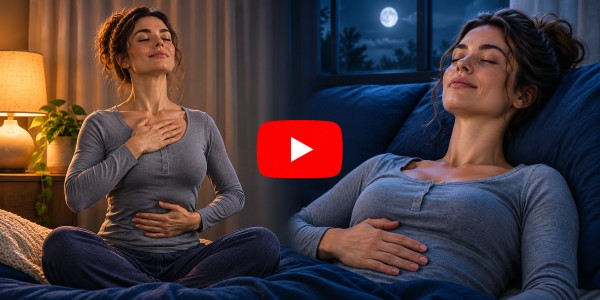
👉 DON’T TRY THIS “CAN BREATHING EXERCISES IMPROVE SLEEP” UNTIL YOU SEE THIS
Discover how breathing exercises may improve sleep, reduce stress, and promote relaxation. Explore effective techniques, benefits, safety tips, and more.
Although breathing exercises are not a guaranteed cure for insomnia, they are simple, inexpensive techniques that can complement healthy sleep habits. Understanding how they work, which methods are worth trying, and when to seek professional help can help you use them safely and effectively.
How Do Breathing Exercises Help You Sleep?
Breathing exercises may support better sleep by influencing the autonomic nervous system, which regulates automatic functions such as heart rate, breathing, and digestion.
When a person experiences stress, the sympathetic nervous system becomes more active. This is commonly associated with the body’s fight-or-flight response. As a result, heart rate and alertness may increase, making relaxation more difficult.
Slow, controlled breathing can encourage parasympathetic activity, which is associated with the body’s rest-and-digest response. This may help reduce physical tension and create a calmer state before bedtime.
Several potential benefits include:
- Reduced stress: Gentle breathing can help manage feelings of tension and worry.
- Improved relaxation: Slower breathing may help the body transition into a resting state.
- Better sleep preparation: A consistent breathing routine can become a calming bedtime habit.
- Reduced bedtime anxiety: Focusing on breathing may help redirect attention away from stressful thoughts.
- Improved relaxation awareness: Practicing regularly may help people recognize and release physical tension.
However, relaxation does not automatically mean improved sleep duration or fewer nighttime awakenings. Individual experiences can vary.
What Does Scientific Research Say About Breathing Exercises and Sleep?
Research suggests that slow breathing may improve certain aspects of sleep, particularly how people perceive their sleep quality.
A 2026 systematic review published in Sleep Medicine Reviews examined nine studies involving 457 participants. The studies investigated slow breathing techniques involving 10 or fewer breaths per minute before bedtime.
The researchers found improvements in self-reported sleep duration and sleep quality in several studies. However, findings from objective sleep measurements, including actigraphy and polysomnography, were inconclusive.
The review also highlighted the need for larger, higher-quality studies with longer intervention periods. This means breathing exercises are promising but should not be considered a proven standalone treatment for sleep disorders.
The National Center for Complementary and Integrative Health also recognizes relaxation techniques as potentially useful components of insomnia management, although evidence for relaxation techniques used alone remains limited.
The practical takeaway is that breathing exercises may help people relax before bedtime, but their effects should not be exaggerated.
5 Best Breathing Exercises to Improve Sleep
Different breathing techniques encourage relaxation in different ways. The best approach is usually the one that feels comfortable, natural, and easy to practice consistently.
Diaphragmatic Breathing
Diaphragmatic breathing, also called belly breathing, involves using the diaphragm rather than relying mainly on the muscles in the upper chest.
It encourages slower, more controlled breathing and may help reduce physical tension before sleep.
How to practice:
- Lie comfortably on your back or sit in a relaxed position.
- Place one hand on your chest and the other on your abdomen.
- Breathe gently through your nose.
- Allow your abdomen to rise while keeping your chest relatively still.
- Exhale slowly without forcing the air out.
- Repeat for three to five minutes.
Potential benefit: It can encourage relaxation and help establish a comfortable breathing rhythm.
4-7-8 Breathing Technique
The 4-7-8 breathing technique is a structured relaxation exercise involving inhaling, briefly holding the breath, and exhaling for a longer period.
It is commonly discussed online as a natural way to fall asleep faster. However, strong clinical evidence specifically supporting this technique as an insomnia treatment is lacking.
How to practice:
- Sit or lie in a comfortable position.
- Inhale gently through your nose for four counts.
- Hold your breath for seven counts.
- Exhale slowly through your mouth for eight counts.
- Repeat a few times if comfortable.
Potential benefit: The structured counting may help shift attention away from stressful thoughts.
Beginners can use shorter, comfortable counts instead of forcing the full pattern. Anyone who feels dizzy or uncomfortable should stop.
Slow Paced Breathing
Slow paced breathing involves reducing the breathing rate while maintaining gentle, regular breaths.
It is one of the techniques receiving scientific attention because research has explored its relationship with heart rate variability and autonomic nervous system activity.
How to practice:
- Relax your shoulders and jaw.
- Inhale gently through your nose for approximately four seconds.
- Exhale comfortably for approximately six seconds.
- Continue without forcing deep breaths.
- Practice for three to five minutes.
The suggested timing is a starting point, not a strict medical requirement.
Potential benefit: It may encourage relaxation and help reduce the feeling of being physically or mentally overstimulated.
👉 DON’T TRY THIS “CAN BREATHING EXERCISES IMPROVE SLEEP” UNTIL YOU SEE THIS
Box Breathing
Box breathing, sometimes called square breathing, uses four equal phases. It is often practiced to improve focus and manage stress.
How to practice:
- Inhale gently for four seconds.
- Hold your breath for four seconds.
- Exhale slowly for four seconds.
- Pause for four seconds before inhaling again.
- Repeat for a few comfortable cycles.
Potential benefit: The predictable pattern can provide a mental focus point when someone is experiencing racing thoughts.
Breath-holding is optional. People who find it uncomfortable can use gentle, continuous breathing instead.
Pursed-Lip Breathing
Pursed-lip breathing involves inhaling through the nose and exhaling slowly through gently tightened lips.
This technique is commonly used in respiratory care to help some people manage breathing difficulties. It is not primarily a sleep-induction method, but its controlled exhalation may feel relaxing.
How to practice:
- Relax your neck and shoulders.
- Inhale gently through your nose.
- Purse your lips as if preparing to whistle.
- Exhale slowly through your lips.
- Repeat without forcing the breath.
Potential benefit: It encourages controlled breathing and may help some individuals feel more comfortable.
People with persistent breathing difficulties should seek medical advice rather than relying on this exercise alone.
How Long Should You Practice Breathing Exercises Before Bed?
There is no universally established duration that guarantees better sleep. However, beginners can start with approximately three to five minutes of gentle breathing.
A simple routine might look like this:
| Practice duration | Suggested approach |
| 1 minute | Relax your body and settle into position |
| 2 minutes | Practice gentle diaphragmatic breathing |
| 2 minutes | Continue with slow paced breathing |
| 1 minute | Return to natural breathing and relax |
The goal is not to achieve a particular breathing score or force the body into sleep. Instead, focus on creating a comfortable and repeatable relaxation habit.
If you feel calmer after a few minutes, you do not need to continue longer.
Can Breathing Exercises Help With Insomnia?
Breathing exercises may help people whose sleep difficulties are associated with stress, anxiety, or difficulty relaxing at bedtime.
For example, someone who spends several minutes worrying about work or daily responsibilities may find it helpful to focus on slow, controlled breathing.
This can provide a structured way to redirect attention and reduce the pressure of trying to fall asleep immediately.
However, insomnia can have several underlying causes, including:
- Anxiety and chronic stress.
- Irregular sleeping schedules.
- Caffeine or nicotine consumption.
- Certain medications.
- Chronic pain or other medical conditions.
- Hormonal changes.
- Other sleep disorders.
Breathing exercises may address some stress-related factors, but they do not treat every underlying cause.
For persistent insomnia, cognitive behavioral therapy for insomnia (CBT-I) is a recommended first-line treatment. It addresses sleep-related thoughts, behaviors, and habits rather than relying on relaxation alone.
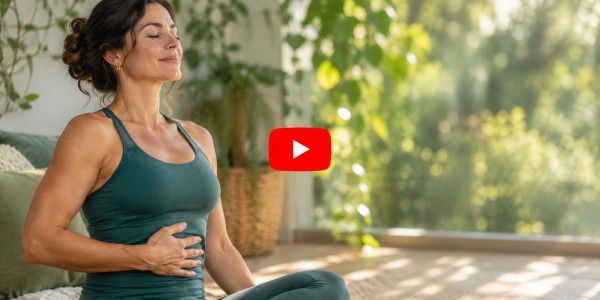
👉 DON’T TRY THIS “CAN BREATHING EXERCISES IMPROVE SLEEP” UNTIL YOU SEE THIS
Benefits of Practicing Breathing Exercises Every Night
Regular practice may offer benefits beyond bedtime relaxation.
Better stress management
Slow breathing can provide a simple way to manage everyday stress. Practicing regularly may help people become more aware of their breathing patterns during stressful situations.
Reduced physical tension
Gentle breathing combined with relaxed posture may help reduce tension in the shoulders, chest, and abdominal muscles.
Improved bedtime routine
Repeating the same calming activity every evening can help establish a consistent transition between daytime activities and bedtime.
Greater mental relaxation
Concentrating on breathing may help reduce attention to distracting thoughts, worries, and everyday concerns.
Increased relaxation awareness
Regular practice can help individuals recognize when they are breathing rapidly or holding unnecessary tension.
These benefits are possible outcomes, not guaranteed improvements in sleep quality or overall health.
What Are the Common Mistakes When Practicing Breathing Exercises?
Although breathing exercises are generally simple, certain mistakes can make them uncomfortable or less effective.
Here are some common mistakes to avoid:
- Breathing too deeply: Taking unusually large breaths can cause dizziness or discomfort. Keep each breath gentle and natural.
- Forcing breath-holding: Holding your breath for too long may create unnecessary tension.
- Expecting immediate results: Relaxation techniques may take consistent practice before they become a comfortable habit.
- Practicing inconsistently: Changing techniques every night can make it difficult to establish a routine.
- Trying too hard to fall asleep: Treating breathing exercises as a requirement for falling asleep may create additional pressure.
- Ignoring underlying problems: Persistent sleep difficulties may require professional assessment rather than relaxation techniques alone.
The most important principle is to breathe comfortably without forcing your body to follow a strict pattern.
Are Breathing Exercises Safe Before Bed?
For most healthy adults, gentle breathing exercises are generally considered safe when practiced comfortably.
However, some techniques involve breath-holding or deliberately changing breathing speed. These may cause dizziness, tingling, breathlessness, or discomfort in certain individuals.
Consider the following safety recommendations:
- Start with gentle breathing rather than intense breathing patterns.
- Avoid prolonged breath-holding if it feels uncomfortable.
- Stop immediately if you experience dizziness, chest discomfort, or unusual shortness of breath.
- Practice in a comfortable position where you can relax.
- Avoid forceful breathing exercises when feeling unwell.
People with respiratory or cardiovascular conditions, unexplained breathing difficulties, or other significant medical concerns should discuss unfamiliar breathing techniques with a healthcare professional.
Important: Never use breathing exercises as a replacement for prescribed respiratory treatments or medical care.
Can Breathing Exercises Help With Sleep Apnea?
Breathing exercises may support relaxation, but they should not be confused with treatments for obstructive sleep apnea.
Sleep apnea is a medical condition in which breathing repeatedly stops or becomes reduced during sleep. It can occur because the upper airway becomes partially or completely blocked.
Common warning signs include:
- Loud and frequent snoring.
- Pauses in breathing during sleep.
- Waking up gasping or choking.
- Morning headaches.
- Excessive daytime sleepiness.
- Difficulty concentrating.
Although certain specialized therapies, including orofacial exercises, may help some people with sleep apnea, ordinary bedtime breathing exercises cannot reliably prevent airway obstruction.
People experiencing these symptoms should seek medical evaluation. Appropriate treatment may include positive airway pressure therapy, oral appliances, or other interventions depending on the diagnosis.
Myths and Misconceptions About Breathing Exercises for Sleep
There is considerable online discussion about breathing techniques and their effects on sleep. However, not every popular claim is supported by strong scientific evidence.
Myth 1: Breathing exercises cure insomnia.
Fact: Breathing exercises may support relaxation, but they are not a guaranteed cure. Chronic insomnia often requires structured treatment such as CBT-I.
Myth 2: The 4-7-8 technique works for everyone.
Fact: Individual responses vary. Some people find it relaxing, while others may feel uncomfortable with prolonged breath-holding.
Myth 3: Deeper breathing always improves sleep.
Fact: Breathing harder or faster is not necessarily beneficial. Gentle, comfortable breathing is generally a better starting point.
Myth 4: Breathing exercises eliminate sleep apnea.
Fact: Sleep apnea involves physical or functional airway problems that require appropriate evaluation and treatment.
Myth 5: You must fall asleep during the exercise for it to work.
Fact: The primary purpose is relaxation. You do not need to fall asleep immediately to benefit from a calming breathing routine.

👉 DON’T TRY THIS “CAN BREATHING EXERCISES IMPROVE SLEEP” UNTIL YOU SEE THIS
How to Build a Simple Nighttime Breathing Routine
Consistency is more important than choosing a complicated technique. A short routine can be incorporated into your existing bedtime habits.
Consider following these steps:
Step 1: Prepare your sleeping environment.
Keep your bedroom cool, quiet, and dark. Reduce bright light and avoid unnecessary distractions.
Step 2: Find a comfortable position.
Lie on your back or side, whichever feels most comfortable. Relax your shoulders, jaw, and hands.
Step 3: Choose one breathing technique.
Start with diaphragmatic breathing or slow paced breathing. Avoid combining several demanding techniques in one session.
Step 4: Practice for five minutes.
Breathe gently and pay attention to the natural movement of your abdomen. Avoid forcing your breathing rhythm.
Step 5: Return to natural breathing.
Finish the exercise by allowing your breathing to return to its normal pattern. Let your body relax without putting pressure on yourself to fall asleep.
You can combine this routine with other healthy habits, such as maintaining a regular bedtime, limiting caffeine late in the day, and reducing screen exposure before sleep.
When Should You Seek Professional Help for Sleep Problems?
Occasional difficulty sleeping is common. However, regularly experiencing poor sleep can affect physical health, emotional well-being, concentration, and daily productivity.
Consider speaking with a healthcare professional if:
- You regularly struggle to fall asleep or stay asleep.
- Sleep problems interfere with your daily activities.
- You experience persistent daytime fatigue.
- You frequently wake up gasping or choking.
- Someone notices pauses in your breathing while you sleep.
- You experience ongoing insomnia despite improving your bedtime habits.
A healthcare professional can help identify possible causes and recommend appropriate treatment.
For chronic insomnia, CBT-I is generally recommended as the primary behavioral treatment. Relaxation exercises, including abdominal breathing, may be incorporated into a broader treatment plan.
Conclusion
Yes, breathing exercises can improve sleep for some people by encouraging relaxation, reducing stress, and helping the body transition into a calmer state before bedtime.
Techniques such as diaphragmatic breathing, slow paced breathing, 4-7-8 breathing, box breathing, and pursed-lip breathing offer simple ways to practice controlled breathing.
Scientific research suggests that slow breathing may improve self-reported sleep quality and duration, although evidence from objective sleep measurements remains inconclusive.
Therefore, these exercises should be viewed as supportive relaxation techniques rather than guaranteed treatments for insomnia.
For the best approach, start with five minutes of gentle breathing before bed and practice consistently without forcing your breathing pattern. Combine this habit with a regular sleep schedule and a comfortable sleeping environment.
👉 DON’T TRY THIS “CAN BREATHING EXERCISES IMPROVE SLEEP” UNTIL YOU SEE THIS
References
https://en.wikipedia.org/wiki/Sleep_apnea
https://www.healthline.com/health/breathing-exercises-for-sleep
https://www.webmd.com/sleep-disorders/breathing-techniques-sleep
.
About Us
