
Symptoms of Weak Lungs: 10 Warning Signs and Health Tips
The most common symptoms of weak lungs include shortness of breath, persistent coughing, wheezing, chest tightness, excessive mucus production, fatigue, and reduced exercise tolerance.
These symptoms may indicate declining lung function, airway inflammation, or difficulty supplying oxygen to the body.
Weak lungs can develop gradually, making early warning signs difficult to recognize.
Smoking, pollution, respiratory infections, aging, and chronic respiratory conditions may contribute to declining lung health.
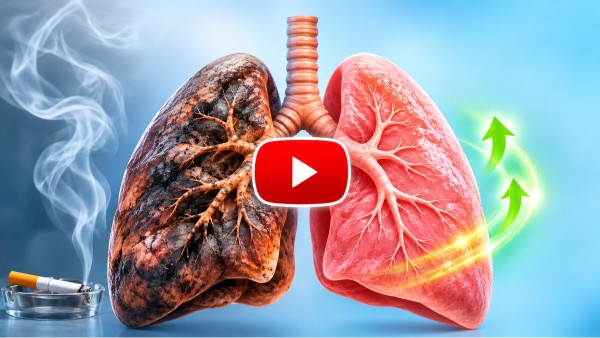
👉 DON’T TRY THIS “SYMPTOMS OF WEAK LUNGS” UNTIL YOU SEE THIS
With lung detox drinks, breathing challenges, and respiratory fitness hacks becoming popular online, understanding genuine warning signs and scientifically supported solutions is more important than ever.
What Are Weak Lungs?
Weak lungs is a general expression describing impaired respiratory function rather than a specific medical diagnosis.
Healthy lungs deliver oxygen into the bloodstream and remove carbon dioxide. When this process becomes less efficient, breathing may require additional effort.
Reduced lung capacity, narrowed airways, damaged lung tissue, or weakened respiratory muscles can contribute to breathing difficulties.
10 Early Symptoms of Weak Lungs
1. Shortness of Breath After Minimal Activity
Feeling breathless while walking, climbing stairs, or completing everyday tasks can indicate reduced respiratory efficiency.
If activities that previously felt comfortable suddenly become challenging, an underlying respiratory or cardiovascular condition may require investigation.
2. Persistent Dry or Wet Cough
A recurring cough lasting several weeks may indicate ongoing airway irritation, inflammation, or respiratory disease.
Persistent dry coughing can occur with asthma or pulmonary fibrosis, while coughing with mucus may accompany chronic bronchitis and respiratory infections.
3. Wheezing or Noisy Breathing
Wheezing occurs when air moves through narrowed or partially obstructed airways, producing a whistling sound.
Frequent wheezing may indicate asthma, COPD, allergies, or respiratory inflammation. Recurring episodes should not be dismissed as temporary discomfort.
4. Excessive Mucus and Phlegm
Persistent mucus production can indicate irritation within the respiratory tract.
Although mucus helps trap inhaled particles, excessive accumulation may interfere with comfortable breathing. Bloody mucus or increasing mucus accompanied by fever requires medical evaluation.
👉 DON’T TRY THIS “SYMPTOMS OF WEAK LUNGS” UNTIL YOU SEE THIS
5. Unexplained Tiredness and Weakness
Poor respiratory efficiency can make everyday activities more physically demanding.
Persistent tiredness alongside breathing difficulties may suggest underlying respiratory problems. However, anemia, cardiovascular disease, and sleep disorders can produce similar symptoms.
6. Chest Tightness and Pressure
Chest tightness may develop when inflamed or narrowed airways restrict normal airflow.
Asthma and other respiratory conditions can cause this sensation. Sudden chest pressure accompanied by sweating, nausea, or breathlessness requires emergency medical attention.
7. Frequent Respiratory Infections
Repeated episodes of bronchitis, pneumonia, or prolonged respiratory illnesses may indicate underlying respiratory problems.
Recurring infections deserve investigation, particularly when coughing, mucus production, or breathing difficulties continue between illnesses.
8. Reduced Physical Stamina
Declining exercise tolerance is another possible symptom of weak lungs.
Struggling to maintain your usual walking speed, needing frequent breaks, or experiencing unusual breathlessness during light exercise may indicate changing respiratory function.
9. Difficulty Breathing While Sleeping
Nighttime coughing, wheezing, or waking up gasping for air may indicate asthma, sleep apnea, or cardiovascular problems.
Breathlessness that worsens when lying flat should also receive prompt medical assessment.
10. Blue Lips or Fingernails
Bluish or gray discoloration around the lips and fingernails may indicate inadequate oxygen levels.
This symptom, known as cyanosis, can signal a serious medical emergency and requires immediate attention.

👉 DON’T TRY THIS “SYMPTOMS OF WEAK LUNGS” UNTIL YOU SEE THIS
What Causes Weak Lung Function?
Several environmental, lifestyle, and medical factors can contribute to poor lung health.
Common causes include:
- Smoking and secondhand smoke exposure.
- Long-term exposure to environmental pollution.
- Asthma and chronic obstructive pulmonary disease.
- Previous severe respiratory infections.
- Occupational exposure to chemicals and dust.
- Vaping and inhaled irritants.
- Pulmonary fibrosis and respiratory muscle disorders.
- Age-related changes in respiratory function.
Identifying the underlying cause helps healthcare professionals determine appropriate treatment and symptom management strategies.
How Can You Tell If Your Lungs Are Weak at Home?
Home monitoring cannot diagnose lung disease, but observing everyday breathing patterns can help identify concerning changes.
✅ Monitor Your Daily Walking Ability
Notice whether your usual walking route becomes increasingly difficult. Frequent stops or unusual breathlessness may indicate declining exercise tolerance.
✅ Check Blood Oxygen Levels
A pulse oximeter estimates blood oxygen saturation. Repeated unusually low readings require medical advice, although device accuracy can vary.
Normal oxygen readings do not necessarily exclude respiratory disease.
✅ Maintain a Breathing Symptom Diary
Record coughing frequency, breathlessness, nighttime symptoms, environmental triggers, and changes in physical endurance.
These observations can provide useful information during medical appointments.
👉 DON’T TRY THIS “SYMPTOMS OF WEAK LUNGS” UNTIL YOU SEE THIS
Trending Lung Health Hacks: Facts vs. Myths
➢ The Viral 30-Second Lung Test
Social media videos frequently claim that holding your breath for thirty seconds proves your lungs are healthy.
However, breath-holding ability depends on training, anxiety, physical conditioning, and carbon dioxide tolerance. It cannot reliably diagnose lung disease.
➢ Lung Detox Drinks and Herbal Remedies
Ginger, turmeric, honey, and herbal teas are popular ingredients in viral lung cleansing recipes.
These beverages may support hydration or soothe throat irritation, but they cannot reverse lung damage or remove accumulated pollutants from lung tissue.
➢ Mouth Taping for Better Breathing
Mouth taping is promoted online as a technique for improving nasal breathing and sleep quality.
A 2025 systematic review identified limited supporting evidence and potential safety concerns. People experiencing unexplained breathing difficulties should avoid this practice without medical guidance.
➢ Respiratory Muscle Training Devices
Breathing resistance devices are increasingly marketed for improving respiratory fitness.
Research published in 2026 suggests respiratory muscle training may reduce breathlessness in selected COPD patients. Evidence supporting broader improvements in lung function remains limited.
How to Improve Weak Lungs Naturally
➺ Practice Pursed-Lip Breathing
Breathe gently through your nose and exhale slowly through loosely pursed lips. This technique may help manage breathlessness in certain respiratory conditions.
👉 DON’T TRY THIS “SYMPTOMS OF WEAK LUNGS” UNTIL YOU SEE THIS
➺ Perform Regular Physical Activity
Walking and appropriate aerobic exercises can improve cardiovascular endurance and physical stamina. Seek medical guidance before exercising if you have unexplained respiratory symptoms.
➺ Improve Indoor Air Quality
Reduce exposure to tobacco smoke, airborne dust, chemical fumes, and strongly scented products. Appropriate ventilation and air filtration may reduce exposure to respiratory irritants.
➺ Eat Lung-Supporting Foods
Consume leafy vegetables, colorful fruits, whole grains, nuts, and adequate protein. Balanced nutrition supports normal immune function and respiratory muscle health.
➺ Avoid Smoking and Vaping
Stopping smoking reduces continued exposure to harmful substances and can help slow further respiratory deterioration.
How Do Doctors Check for Weak Lungs?
Healthcare professionals use medical history, physical examinations, and diagnostic testing to investigate respiratory symptoms.
Spirometry measures airflow and exhaled air volume, helping identify obstructive breathing disorders.
Additional investigations may include chest imaging, blood tests, oxygen measurements, and comprehensive pulmonary function testing.
When Are Weak Lung Symptoms Dangerous?
Seek emergency medical assistance if you experience:
- Sudden or severe breathing difficulties.
- Blue lips or significant oxygen deficiency.
- Chest pain accompanied by breathlessness.
- Significant coughing of blood.
- Confusion, fainting, or extreme weakness.
Persistent or progressively worsening respiratory symptoms also require professional evaluation.
Can Weak Lungs Become Strong Again?
Recovery depends on the underlying cause. Respiratory impairment following temporary infections may improve with appropriate treatment.
Although some chronic lung damage cannot be reversed, prescribed medications, pulmonary rehabilitation, smoking cessation, and healthy lifestyle habits may improve breathing comfort and functional ability.
Conclusion
Recognizing the symptoms of weak lungs early can help prevent avoidable respiratory complications.
Persistent coughing, breathlessness, wheezing, chest tightness, and declining stamina should never be routinely ignored.
Although viral lung detox remedies and breathing challenges attract attention, they cannot replace medical diagnosis.
Prioritizing healthy lifestyle habits, evidence-based breathing techniques, and timely professional assessment remains the most reliable approach to protecting long-term lung health.
👉 DON’T TRY THIS “SYMPTOMS OF WEAK LUNGS” UNTIL YOU SEE THIS
References
- Wikipedia – Spirometry
https://en.wikipedia.org/wiki/Spirometry
- Healthline – Early Symptoms of COPD
https://www.healthline.com/health/early-symptoms-copd
- PubMed – Chronic Dyspnea: Diagnosis and Evaluation
https://pubmed.ncbi.nlm.nih.gov/32352727/
About Us
