
What Is the Best Breathing Technique? A Guide for Beginners
The best breathing technique for most people depends on their individual needs, but diaphragmatic breathing (belly breathing) is one of the most effective ways for promote relaxation, build breathing awareness, and manage everyday stress. It encourages deeper, slower breaths by engaging the diaphragm rather than relying mainly on the chest and shoulder muscles.
Other techniques, including pursed-lip breathing, box breathing, and slow-paced breathing, can also be helpful for different situations. Some are designed to support people experiencing breathlessness, while others focus on relaxation and emotional control.
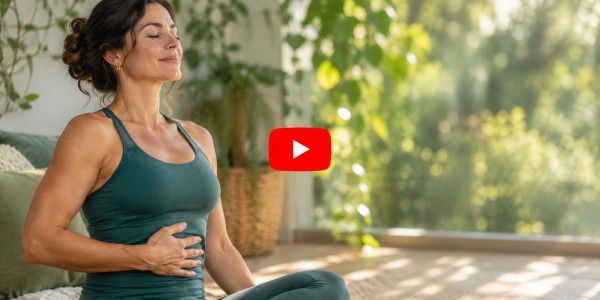
👉 DON’T TRY THIS “WHAT IS THE BEST BREATHING TECHNIQUE” UNTIL YOU SEE THIS
Find the best breathing technique for stress, sleep, or breathlessness. Learn how belly breathing, box breathing, and pursed-lip breathing work in daily life.
Breathing happens automatically, but the way we breathe can influence how comfortable and controlled it feels. Learning a few simple breathing exercises can help develop healthier breathing habits.
This guide explores the best breathing techniques, how they work, their potential benefits, the science behind them, common mistakes, and important safety considerations.
What Is the Best Breathing Technique?
No single breathing technique works best for everyone. However, diaphragmatic breathing is an excellent starting point for beginners because it encourages natural breathing patterns and reduces unnecessary upper-chest movement.
The best technique depends on what you want to achieve:
- For relaxation: Diaphragmatic breathing.
- For stress management: Slow-paced breathing.
- For breathlessness: Pursed-lip breathing.
- For focus: Box breathing.
- For mindfulness: Mindful breathing.
- For gentle breathing practice: Nasal breathing.
- For calming down before sleep: Comfortable, slow breathing.
The goal is not to force the lungs to take in as much air as possible. Instead, healthy breathing generally involves a comfortable, steady rhythm that meets the body’s oxygen needs without unnecessary effort.
7 Best Breathing Techniques to Try
Different breathing techniques offer different approaches to controlling your breathing pattern. Here are seven commonly used methods and how to practice them.
1. Diaphragmatic Breathing (Belly Breathing)
Diaphragmatic breathing is one of the most widely recommended breathing exercises for relaxation and awareness of your breathing.
The diaphragm is a dome-shaped muscle located beneath the lungs. When you inhale, it contracts and moves downward, allowing the lungs to expand. Your abdomen may gently rise as this happens.
How to practice:
- Lie down comfortably or sit with your back supported.
- Place one hand on your chest and the other on your abdomen.
- Breathe gently through your nose.
- Allow your abdomen to rise while keeping your upper chest relatively relaxed.
- Exhale slowly without forcing the air out.
- Continue for 3–5 minutes.
Potential benefits:
- Encourages more efficient breathing mechanics.
- Promotes relaxation.
- Improves awareness of breathing patterns.
- May reduce unnecessary tension in the upper chest and shoulders.
This technique is particularly useful for beginners who want to develop a more comfortable breathing pattern.
2. Pursed-Lip Breathing
Pursed-lip breathing is a simple technique often taught in pulmonary rehabilitation, particularly for people with certain chronic lung conditions.
It involves inhaling through the nose and exhaling slowly through lips held as if gently blowing out a candle.
The gentle resistance during exhalation can help keep the airways open longer, making it easier for some people to release trapped air in some people.
How to practice:
- Relax your neck and shoulders.
- Inhale gently through your nose for about two seconds.
- Pucker your lips as if preparing to whistle.
- Exhale slowly for approximately four seconds.
- Repeat without forcing your breathing.
Potential benefits:
- May help manage breathlessness.
- Encourages controlled exhalation.
- Can reduce the feeling of breathing effort in some people.
- Helps establish a steady breathing rhythm.
People with chronic obstructive pulmonary disease (COPD) may find this technique particularly useful when recommended by a healthcare professional.
3. Box Breathing (Four-Square Breathing)
Box breathing is a structured breathing exercise commonly used for relaxation, attention, and stress management.
It divides breathing into four equal stages, similar to the four sides of a square.
How to practice:
- Inhale gently for four seconds.
- Hold your breath for four seconds.
- Exhale slowly for four seconds.
- Pause for four seconds before inhaling again.
- Repeat for a few comfortable cycles.
Beginners can start with shorter intervals if four seconds feels uncomfortable.
Potential benefits:
- Encourages breathing awareness.
- Provides a structured relaxation exercise.
- May help reduce feelings of everyday stress.
- Can support concentration by directing attention toward a simple rhythm.
Important: Breath-holding is not necessary for relaxation. If it causes discomfort, dizziness, or anxiety, stop and return to normal breathing.
👉 DON’T TRY THIS “WHAT IS THE BEST BREATHING TECHNIQUE” UNTIL YOU SEE THIS
4. Slow-Paced Breathing
Slow-paced breathing involves gradually reducing your breathing rate while keeping each breath gentle and comfortable.
Research suggests that slow breathing can influence the autonomic nervous system, which helps regulate automatic body functions such as heart rate and blood pressure.
A commonly studied range is about five to six breaths per minute, although the ideal rate varies by individual.
How to practice:
- Sit comfortably in a quiet place.
- Relax your jaw, shoulders, and stomach.
- Inhale gently for around four to five seconds.
- Exhale comfortably for around five to six seconds.
- Continue for two to five minutes.
Potential benefits:
- May support relaxation.
- Can influence heart rate variability.
- May help manage everyday stress.
- Encourages greater control over breathing patterns.
Avoid taking unusually deep breaths. Comfortable breathing is more important than reaching a specific breathing rate.
5. Nasal Breathing
Nasal breathing means breathing in and out through the nose when comfortable and appropriate.
The nose helps filter, warm, and humidify incoming air before it reaches the lower respiratory system. Nasal breathing also contributes to normal airway function.
How to practice:
- Sit or stand with a relaxed posture.
- Keep your mouth gently closed if comfortable.
- Breathe naturally through your nose.
- Avoid deliberately taking large breaths.
- Maintain a comfortable rhythm during everyday activities.
Potential benefits:
- Helps filter larger airborne particles.
- Warms and humidifies inhaled air.
- Supports normal nasal airflow.
- Encourages awareness of breathing habits.
Nasal breathing may not be comfortable or possible for everyone, particularly people with nasal congestion, allergies, or structural nasal problems. Never force it when your nose is blocked.
6. Mindful Breathing
Mindful breathing involves paying attention to your natural breathing pattern without trying to control every breath.
It is commonly used in mindfulness practices and meditation to improve awareness of the present moment.
How to practice:
- Sit comfortably and close your eyes if you prefer.
- Notice the sensation of air entering your nose.
- Pay attention to the gentle movement of your chest or abdomen.
- Allow your breathing to remain natural.
- When your mind wanders, gently return your attention to your breath.
- Continue for three to five minutes.
Potential benefits:
- Encourages present-moment awareness.
- May help manage everyday stress.
- Supports relaxation practices.
- Can improve awareness of emotional and physical responses.
Mindful breathing does not require perfect concentration. It is normal for your thoughts to wander during the exercise.
7. 4-7-8 Breathing
The 4-7-8 breathing technique is a structured exercise involving a four-second inhalation, seven-second breath hold, and eight-second exhalation.
It is often promoted online as a method for relaxation and preparing for sleep. However, claims that it reliably makes everyone fall asleep quickly are not supported by strong clinical evidence.
How to practice:
- Sit or lie in a comfortable position.
- Inhale gently through your nose for four seconds.
- Hold your breath for seven seconds.
- Exhale slowly through your mouth for eight seconds.
- Repeat a few times if comfortable.
Beginners can use shorter intervals instead of following the exact timing.
Potential benefits:
- Provides a structured relaxation exercise.
- Encourages slower breathing.
- May help prepare the mind for rest.
- Supports breathing awareness.
People who feel uncomfortable holding their breath should choose a technique without breath-holding.
How Do Breathing Techniques Work?
Breathing techniques work by changing the rhythm, depth, and pattern of breathing.
Your respiratory system supplies oxygen to the body and removes carbon dioxide. The brainstem automatically regulates breathing based on the body’s needs, including changes in carbon dioxide levels.
When you intentionally slow your breathing or relax your breathing muscles, you may influence several connected body processes.
Here is how it works:
- Diaphragm movement: The diaphragm contracts during inhalation, helping expand the lungs.
- Carbon dioxide regulation: Breathing controls how much carbon dioxide leaves the body.
- Autonomic nervous system: Slow, comfortable breathing can influence the balance between sympathetic and parasympathetic activity.
- Heart-rate variability: Breathing patterns can influence natural variations in the time between heartbeats.
- Muscle relaxation: Relaxed breathing may reduce unnecessary tension in the neck, shoulders, and upper chest.
These effects help explain why certain breathing exercises are used in relaxation programs and respiratory rehabilitation.

👉 DON’T TRY THIS “WHAT IS THE BEST BREATHING TECHNIQUE” UNTIL YOU SEE THIS
What Are the Benefits of Practicing Breathing Exercises?
Regular breathing practice may offer several benefits, depending on the technique and individual circumstances.
1. Supports Stress Management
Slow breathing and mindful breathing can help some people feel calmer during stressful situations. Focusing on a steady breathing pattern may also reduce attention to distracting thoughts.
2. Encourages Better Breathing Awareness
Breathing exercises help people recognize whether they are breathing comfortably or unnecessarily tightening their chest, shoulders, and neck.
3. May Improve Breathlessness Management
Pursed-lip breathing and diaphragmatic breathing are used in certain respiratory rehabilitation programs to help people manage breathing difficulties.
4. Supports Relaxation Before Sleep
Gentle breathing exercises can become part of a calming bedtime routine. They may help reduce mental tension before sleep.
5. May Influence Heart-Rate Variability
Research has found that slow-paced breathing can influence heart-rate variability, a measure of changes in the intervals between heartbeats.
However, an improvement in this measurement does not automatically mean that someone has better overall heart health.
6. Encourages Mindfulness
Mindful breathing provides a simple way to focus attention on the present moment and develop awareness of physical sensations.
Which Breathing Technique Is Best for Different Situations?
Choosing the right technique depends on your personal goal and comfort level.
| Goal | Recommended technique |
| General relaxation | Diaphragmatic breathing |
| Everyday stress | Slow-paced breathing |
| Managing certain types of breathlessness | Pursed-lip breathing |
| Improving concentration | Box breathing |
| Developing mindfulness | Mindful breathing |
| Everyday breathing habits | Nasal breathing |
| Bedtime relaxation | Gentle slow breathing |
Remember that these methods are not interchangeable treatments. For example, someone experiencing respiratory symptoms may need medical evaluation rather than relying on relaxation exercises.
Common Breathing Mistakes to Avoid
Breathing exercises are generally simple, but practicing them incorrectly can create discomfort.
Here are some common mistakes to avoid:
- Taking excessively deep breaths: Large, repeated breaths can cause overbreathing and dizziness.
- Forcing a breathing rhythm: A technique should feel comfortable, not physically demanding.
- Holding your breath too long: Extended breath-holding can cause discomfort and lightheadedness.
- Lifting your shoulders: Unnecessary shoulder movement may indicate tension during breathing.
- Expecting immediate results: Breathing exercises are skills that may require consistent practice.
- Ignoring breathing difficulties: Persistent breathlessness should not be treated as a problem that breathing exercises alone can solve.
The most important principle is to breathe comfortably rather than trying to achieve a perfect breathing pattern.
Myths and Misconceptions About Breathing Techniques
Several breathing-related claims circulate online. Understanding the difference between established respiratory science and exaggerated claims is important.
Myth 1: Deep Breathing Is Always Better
Fact: Taking very deep breaths repeatedly can lead to overbreathing. Comfortable, controlled breathing is generally preferable.
Myth 2: Nasal Breathing Prevents All Respiratory Illnesses
Fact: The nose filters and conditions incoming air, but nasal breathing does not prevent all infections or respiratory diseases.
Myth 3: Box Breathing Instantly Eliminates Anxiety
Fact: Box breathing may help some people manage everyday stress, but it is not a guaranteed treatment for anxiety disorders.
Myth 4: Everyone Should Breathe at the Same Rate
Fact: Normal breathing rates vary depending on age, activity, health, and individual circumstances. A specific breathing rhythm is not suitable for everyone.
Myth 5: Breathing Exercises Can Cure Lung Diseases
Fact: Breathing exercises may support symptom management and rehabilitation, but they do not cure conditions such as asthma, COPD, or pulmonary fibrosis.
👉 DON’T TRY THIS “WHAT IS THE BEST BREATHING TECHNIQUE” UNTIL YOU SEE THIS
Are Breathing Exercises Safe? Risks and Precautions
Most gentle breathing exercises are safe for healthy adults when practiced comfortably. However, some techniques may cause unwanted symptoms if performed too forcefully.
Possible side effects include:
- Dizziness or lightheadedness.
- Tingling sensations.
- Shortness of breath or discomfort.
- Increased anxiety when focusing on breathing.
- Discomfort from prolonged breath-holding.
Follow these safety precautions:
- Practice in a comfortable seated or lying position.
- Begin with short sessions.
- Avoid forced inhalation and exhalation.
- Stop if you experience dizziness, chest discomfort, or worsening breathlessness.
- Avoid practicing breath-holding exercises in water or while driving.
- Ask a healthcare professional about appropriate exercises if you have a respiratory or cardiovascular condition.
If you experience sudden or severe breathing difficulty, chest pain, fainting, or blue or gray lips, seek emergency medical care. Do not delay treatment to try a breathing exercise.
How Often Should You Practice Breathing Exercises?
Consistency is generally more useful than long or intense sessions. For beginners, a practical approach is to start with three to five minutes of gentle breathing practice once daily. If comfortable, you can gradually increase the duration.
A simple daily routine:
- Morning: Practice diaphragmatic breathing for three minutes.
- During the day: Use natural, relaxed nasal breathing when comfortable.
- During stressful moments: Try slow-paced breathing for two minutes.
- Before bedtime: Practice mindful breathing for three to five minutes.
You do not need to practice every technique every day. Choose one or two methods that feel comfortable and fit your routine.

👉 DON’T TRY THIS “WHAT IS THE BEST BREATHING TECHNIQUE” UNTIL YOU SEE THIS
When Should You Seek Medical Advice About Your Breathing?
Breathing exercises can support relaxation and breathing awareness, but they should not replace medical care.
Consider speaking with a healthcare professional if you experience:
- Frequent shortness of breath.
- Wheezing or persistent coughing.
- Breathing difficulties during ordinary activities.
- Repeated nighttime breathing problems.
- Persistent nasal blockage.
- Unexplained changes in your normal breathing pattern.
These symptoms can have several causes, including asthma, allergies, respiratory infections, sleep-related breathing disorders, and heart or lung conditions.
A healthcare professional can assess the underlying cause and recommend appropriate treatment.
Conclusion
The best breathing technique depends on your individual needs, but diaphragmatic breathing is an excellent starting point for most beginners. It encourages comfortable breathing mechanics, improves awareness of your breathing, and may support relaxation.
Other methods also have specific uses. Pursed-lip breathing can help some people manage breathlessness, slow-paced breathing may support stress management, and mindful breathing can encourage greater awareness and relaxation.
The key is to choose a technique that feels natural, practice consistently, and avoid forcing your breathing. You do not need complicated exercises or long sessions to develop healthier breathing habits.
Ultimately, comfortable, controlled breathing matters more than following a particular breathing trend. Start with a few minutes of gentle diaphragmatic breathing each day, listen to your body, and seek professional guidance if you experience persistent breathing difficulties.
👉 DON’T TRY THIS “WHAT IS THE BEST BREATHING TECHNIQUE” UNTIL YOU SEE THIS
References
https://www.healthline.com/health/breathing-exercise
https://en.wikipedia.org/wiki/Diaphragmatic_breathing
https://www.mayoclinic.org/diseases-conditions/copd/symptoms-causes/syc-20353679
.
About Us
