
How Can I Find Out If I Have Liver Cirrhosis? Expert Guide
To find out if you have liver cirrhosis, schedule a medical evaluation that includes your health history, blood tests, and appropriate liver imaging.
Doctors may use a FibroScan, another elastography test, or, in some cases, a liver biopsy to assess scarring. Neither symptoms nor a single abnormal blood result can confirm cirrhosis on its own.
Early diagnosis matters because cirrhosis can develop silently. Identifying its cause and treating ongoing liver injury may help prevent serious complications.
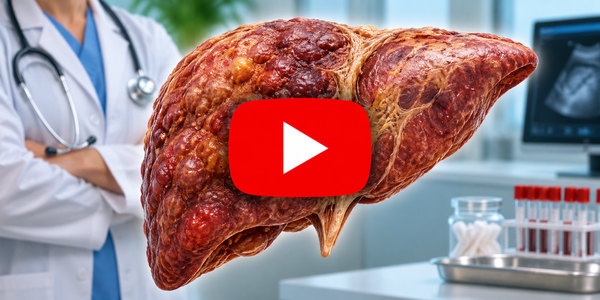
👉 DON’T TRY THIS “HOW CAN I FIND OUT IF I HAVE LIVER CIRRHOSIS” UNTIL YOU SEE THIS
Here is what to watch for, which tests to request, and how to interpret common results.
What Is Cirrhosis of the Liver?
Cirrhosis is advanced liver scarring caused by prolonged injury. Scar tissue disrupts normal liver structure and blood flow, affecting functions such as protein production, medication processing, and toxin removal.
Leading causes include chronic hepatitis B or C, prolonged heavy alcohol use, and metabolic dysfunction-associated steatotic liver disease, or MASLD. Autoimmune and inherited conditions are additional causes.
Doctors distinguish compensated cirrhosis, when major complications have not developed, from decompensated cirrhosis, when problems such as abdominal fluid, bleeding, or confusion appear.
What Are the Early Warning Signs of Liver Cirrhosis?
Early cirrhosis may produce no symptoms. When symptoms occur, they can overlap with many other illnesses. Common possibilities include:
- Persistent fatigue or weakness
- Reduced appetite and unexplained weight loss
- Nausea or discomfort in the upper abdomen
- Itchy skin or easy bruising
- Swelling around the ankles
- Yellow eyes or skin, called jaundice
- Increasing abdominal size from fluid accumulation
These changes deserve medical attention, especially if you have known liver disease. However, their presence does not establish a diagnosis.
Can You Have Cirrhosis and Feel Completely Fine?
Yes. Many people with compensated cirrhosis maintain normal routines for years. Some have normal liver enzymes despite significant scarring.
Feeling energetic, having no pain, or having normal skin color cannot rule out cirrhosis.
👉 DON’T TRY THIS “HOW CAN I FIND OUT IF I HAVE LIVER CIRRHOSIS” UNTIL YOU SEE THIS
What Blood Tests Show Liver Cirrhosis?
Clinicians typically order a liver panel, complete blood count, and clotting tests. They examine several results together rather than depending on one number.
- ALT and AST: enzymes that may rise with liver injury, although normal values do not rule out cirrhosis.
- Bilirubin: may increase when the liver cannot process it effectively.
- Albumin: a protein that may decrease with impaired liver production.
- INR: a clotting measurement that may increase when liver function declines.
- Platelet count: may fall when scarring contributes to portal hypertension and an enlarged spleen.
Additional tests can assess hepatitis viruses, iron overload, autoimmune disease, and other possible causes. Abnormal readings can also arise from conditions unrelated to cirrhosis.
Can Normal Liver Function Tests Rule Out Cirrhosis?
No. AST and ALT measure injury, not the amount of existing scar tissue. A person with longstanding liver disease can have advanced fibrosis despite results within the laboratory reference range.
If risk factors remain significant, ask whether fibrosis assessment is appropriate.
How Does the FIB-4 Score Help Detect Liver Fibrosis?
FIB-4 combines age, AST, ALT, and platelet count to estimate the likelihood of advanced fibrosis. It is commonly used as an initial risk assessment in people with MASLD or metabolic risk factors.
For many adults with MASLD, a result below 1.3 indicates lower risk; 1.3 or higher generally prompts further assessment.
Scores above 2.67 raise greater concern for advanced fibrosis. Different age groups and liver conditions require adjusted interpretation.
FIB-4 cannot diagnose cirrhosis alone. Acute illness, age, and other conditions can distort results, so your clinician may recommend elastography instead of relying on an online calculator.
Is FibroScan Accurate for Diagnosing Cirrhosis?
FibroScan measures liver stiffness using painless vibrations. Its results, expressed in kilopascals, help doctors identify advanced fibrosis without an invasive procedure.
The test usually takes only a short appointment. You may be instructed to avoid eating beforehand because meals can influence measurements.
Higher stiffness can indicate greater scarring, but inflammation, congestion, obesity, and liver disease type can affect accuracy. There is no universal FibroScan number that proves cirrhosis in everyone.
Magnetic resonance elastography may provide additional information when ultrasound-based results are uncertain. Specialists interpret findings alongside blood tests and medical history.
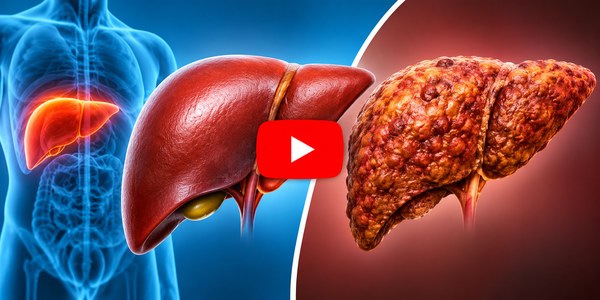
👉 DON’T TRY THIS “HOW CAN I FIND OUT IF I HAVE LIVER CIRRHOSIS” UNTIL YOU SEE THIS
Can an Ultrasound Detect Liver Cirrhosis?
A standard abdominal ultrasound can reveal an irregular liver surface, altered liver shape, an enlarged spleen, or abdominal fluid. These features may suggest advanced disease.
However, early scarring may go undetected. A normal ultrasound does not rule out cirrhosis. CT or MRI may help evaluate structural changes or suspected complications, but they are not always necessary for initial screening.
Do You Need a Liver Biopsy to Confirm Cirrhosis?
Not always. A biopsy examines a small liver tissue sample under a microscope. It can clarify an uncertain diagnosis or identify a specific cause when noninvasive testing is inconclusive.
Because bleeding and other complications are possible, doctors generally reserve biopsy for situations where its findings could change management.
Who Is Most at Risk of Developing Cirrhosis?
Higher risk groups include people with chronic viral hepatitis, significant alcohol exposure, obesity, type 2 diabetes, or a history of fatty liver disease.
Certain autoimmune diseases, inherited disorders, and long-term bile duct conditions also increase risk.
People with diabetes or MASLD should discuss fibrosis risk assessment even when routine blood tests appear reassuring. Screening decisions depend on individual history, not symptoms alone.
New Liver Cirrhosis Diagnosis Trends in 2026
A major clinical trend is stepwise, noninvasive screening. Clinicians may start with FIB-4, then follow with FibroScan or an enhanced liver fibrosis blood test when risk is elevated or unclear.
Research also supports magnetic resonance elastography and combinations of blood biomarkers with imaging.
Researchers are studying artificial intelligence systems to analyze scans and predict fibrosis, but these tools are not substitutes for clinical diagnosis.
The practical innovation is earlier risk identification in primary care, particularly among patients with metabolic conditions who might otherwise remain undiagnosed.
👉 DON’T TRY THIS “HOW CAN I FIND OUT IF I HAVE LIVER CIRRHOSIS” UNTIL YOU SEE THIS
Can Home Tests or Viral Liver Detox Hacks Detect Cirrhosis?
No reliable home trick confirms liver scarring. Social media claims about lemon water, castor oil packs, detox teas, tongue color, or abdominal self-checks are not validated cirrhosis tests.
Some online posts portray coffee as a liver cure. Research has associated coffee consumption with better liver outcomes in some populations, but drinking coffee cannot diagnose, erase, or reliably reverse established cirrhosis.
Direct-to-consumer blood tests may identify abnormal markers, yet interpreting them without clinical context risks false reassurance or unnecessary alarm. Never replace medical testing with a cleanse or supplement challenge.
What Happens After a Positive Cirrhosis Evaluation?
Your doctor will investigate the cause, assess whether liver function remains compensated, and check for complications. Treatment may involve stopping alcohol, treating hepatitis, managing metabolic conditions, or addressing autoimmune disease.
People with confirmed cirrhosis often need liver cancer surveillance approximately every six months and evaluation for portal hypertension. Individual plans vary with clinical findings.
Treating the underlying cause can slow progression and sometimes improve fibrosis, although full reversal of established cirrhosis is not guaranteed.
When Is Cirrhosis an Emergency?
Seek emergency care for vomiting blood, black stools, severe confusion, fainting, or rapidly increasing abdominal swelling with fever or pain. These symptoms may indicate internal bleeding, infection, or other dangerous complications.
Questions to Ask Your Doctor About Liver Cirrhosis
Ask whether your laboratory results suggest liver injury or reduced function, whether a FIB-4 calculation is useful, and whether you need elastography.
Discuss hepatitis screening, medication and supplement safety, alcohol exposure, and follow-up testing.
Bring older blood reports and imaging results so your clinician can compare trends.
A useful appointment checklist includes previous results, alcohol history, metabolic conditions, hepatitis risks, current medicines, supplements, and questions about appropriate follow-up testing.
Avoid stopping prescription medicines or starting liver detox products without medical guidance.
Conclusion: How Can You Know for Sure?
The most reliable way to find out if you have liver cirrhosis is a clinician-guided assessment combining risk factors, blood tests, and appropriate imaging.
FibroScan and related tools detect scarring more effectively than symptoms or routine enzymes alone, while biopsy helps selected patients with uncertain results.
Do not wait for yellow eyes, swelling, or pain before seeking advice. Early evaluation creates an opportunity to identify the cause, reduce ongoing damage, and plan effective monitoring.
Your next useful step is to discuss personalized liver fibrosis screening with a qualified healthcare professional.
👉 DON’T TRY THIS “HOW CAN I FIND OUT IF I HAVE LIVER CIRRHOSIS” UNTIL YOU SEE THIS
References
- Wikipedia – Liver Cirrhosis: Symptoms, Causes and Diagnosis
https://en.wikipedia.org/wiki/Cirrhosis
- Healthline – Cirrhosis: Early Signs, Symptoms and Tests
https://www.healthline.com/health/cirrhosis
- PubMed – Cirrhosis: Diagnosis and Management
https://pubmed.ncbi.nlm.nih.gov/31845776/
About Us
