
Is Toenail Fungus Treated by a Dermatologist or Podiatrist?
Is Toenail Fungus Treated by a Dermatologist or Podiatrist? Yes, both dermatologists and podiatrists treat toenail fungus.
A dermatologist is especially useful for uncertain diagnoses, unusual nail changes, or stubborn infections.
A podiatrist is often convenient when thick, painful toenails need trimming, thinning, and comprehensive foot care.
The best doctor depends on your symptoms, medical history, and treatment needs, not simply the specialist’s title.

👉 DON’T TRY THIS “WHO TREATS TOENAIL FUNGUS? DERMATOLOGIST OR PODIATRIST” UNTIL YOU SEE THIS
This guide explains who to see, which treatments work, expected recovery, and whether popular internet remedies deserve attention.
What Is Toenail Fungus, and What Causes It?
Toenail fungus, or onychomycosis, is an infection involving the nail plate or tissue beneath it. Dermatophytes cause many cases, although yeasts and other molds occasionally contribute.
Fungi spread more easily in warm, damp environments and may accompany athlete’s foot.
Common signs include yellow or white discoloration, thickening, crumbling edges, debris beneath the nail, and separation from the nail bed. Some patients notice pressure inside shoes or tenderness while walking.
However, psoriasis, repeated shoe trauma, and other disorders can resemble fungus. A changing dark streak needs assessment rather than automatic antifungal treatment.
Dermatologist vs. Podiatrist: Which Is Better for Toenail Fungus?
Both professionals can evaluate toenail disorders, but their everyday focus differs.
Neither specialty guarantees faster healing because treatment success depends mainly on the diagnosis, infection severity, medication suitability, and adherence.
Choose a Dermatologist When
- The diagnosis is uncertain, or several nail diseases seem possible.
- You have unusual pigmentation, changes in fingernails, or associated skin disease.
- Previous antifungal courses failed or repeated infections need investigation.
- You need specialist guidance about complex medication choices.
Dermatologists specialize in diseases of skin, hair, and nails. They may investigate psoriasis, nail trauma, inflammatory conditions, and uncommon infections before recommending treatment.
Choose a Podiatrist When
- Thick nails cause shoe pressure, pain, or difficulty walking.
- Toenails are hard to trim safely at home.
- You also have ingrown nails, calluses, or recurring athlete’s foot.
- Footwear assessment or professional nail debridement may help.
Podiatrists focus on foot and ankle health. Depending on local regulations and clinical qualifications, they may prescribe antifungals, obtain diagnostic samples, and thin affected nails. Confirm available services when booking.
👉 DON’T TRY THIS “WHO TREATS TOENAIL FUNGUS? DERMATOLOGIST OR PODIATRIST” UNTIL YOU SEE THIS
Can a General Doctor Treat Toenail Fungus?
Yes. Many cases can be managed in primary care.
The 2026 British Association of Dermatologists guideline specifically recognizes primary care as the usual starting point, with referral for selected complex cases.
This means you do not always need an expensive specialist appointment.
How Do Doctors Diagnose Toenail Fungus?
A clinician examines the nail, surrounding skin, and medical history. Because appearance alone can mislead, laboratory confirmation is especially valuable before oral antifungal treatment.
Common tests include potassium hydroxide microscopy, fungal culture, nail clipping examination, and sometimes polymerase chain reaction testing.
Each method has limitations; a negative result does not always settle a strongly suspected infection.
Testing helps distinguish dermatophytes from other organisms and prevents unnecessary medication when nail damage has another explanation.
What Is the Best Treatment for Toenail Fungus?
Treatment depends on how much nail is involved, which organism is present, medication risks, and patient preferences.
Three common approaches are prescription tablets, topical products, and professional nail care.
✅ Oral Antifungal Medicines
Terbinafine is commonly a first choice for confirmed dermatophyte toenail fungus when oral therapy is appropriate. Adult courses often last around twelve weeks, although some guidelines recommend twelve to sixteen weeks.
Clinicians review liver disease, other medicines, and monitoring needs before prescribing.
Possible adverse effects include stomach upset, altered taste, rashes, and uncommon serious liver problems. Itraconazole or other drugs may suit selected patients.
✅ Topical Antifungal Treatments
Prescription options include efinaconazole, ciclopirox, tavaborole, and amorolfine where available. These may help with superficial or limited infections, particularly when tablets are unsuitable.
Topical treatment typically requires consistent use for many months. Ordinary over-the-counter athlete’s foot creams usually cannot reach infection established deep inside a toenail.
✅ Nail Debridement and Removal
A podiatrist or appropriately trained clinician may reduce thickened nail material, improving comfort and sometimes helping antifungal medication reach affected areas.
Debridement supports treatment; it does not reliably eliminate the fungus on its own.
Nail removal is reserved for selected difficult or painful cases. Surgery is not the standard first step for most people.
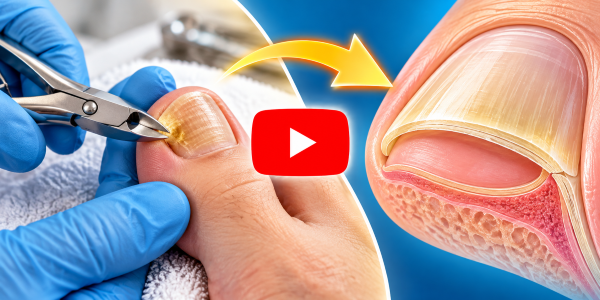
👉 DON’T TRY THIS “WHO TREATS TOENAIL FUNGUS? DERMATOLOGIST OR PODIATRIST” UNTIL YOU SEE THIS
How Long Does It Take for Toenail Fungus to Clear?
Medication can treat fungus before the damaged nail looks normal. Because toenails grow slowly, healthy regrowth may take twelve to eighteen months.
A clearer strip near the cuticle can signal improvement, but appearance alone cannot guarantee a cure.
Finishing the recommended course matters even when improvement seems slow. Persistent discoloration may reflect old damage rather than ongoing infection, so ask your clinician before repeating treatment.
Do Viral Toenail Fungus Hacks Actually Work?
Short videos advertise vinegar baths, tea tree oil, baking soda, garlic, menthol rubs, and hydrogen peroxide as quick cures.
Some remedies have preliminary laboratory or small-study findings, but convincing evidence for curing established onychomycosis is lacking.
Vinegar and essential oils can irritate skin; concentrated peroxide and raw garlic may cause chemical burns. Never use bleach, sharp scraping, or unverified chemical mixtures on infected nails.
A before-and-after photograph cannot show whether fungal organisms were eradicated. Filing, lighting, nail polish, and natural growth can change appearance without proving treatment success.
Are Laser Treatments Better Than Antifungal Pills?
Laser clinics sometimes promise painless, drug-free clearance. Research has explored laser devices, alone and combined with medication, but results vary, and studies use different definitions of success.
The 2026 dermatology guideline found insufficient evidence to recommend laser treatment alone.
Before paying for treatment, ask about realistic cure rates, repeat sessions, total costs, and whether medication remains necessary.
👉 DON’T TRY THIS “WHO TREATS TOENAIL FUNGUS? DERMATOLOGIST OR PODIATRIST” UNTIL YOU SEE THIS
How Much Does a Dermatologist or Podiatrist Cost?
Prices vary by country, insurance plan, clinic, testing, and treatment. A consultation may be the only expense, but lab tests, prescription medicines, follow-up visits, and nail procedures can add to the bill.
Ask whether diagnostic sampling, debridement, and follow-up visits are included. Comparing overall expected treatment costs is more useful than choosing solely by the advertised first-visit fee.
Can Toenail Fungus Spread or Become Dangerous?
Fungal infections may spread to nearby nails or skin and recur after treatment. Serious complications are uncommon in otherwise healthy people, but broken skin can increase vulnerability to bacterial infection.
People with diabetes, impaired circulation, reduced sensation, or immune suppression should seek timely care.
Redness spreading across the toe, swelling, drainage, fever, or significant pain needs prompt medical evaluation.
How Can You Prevent Toenail Fungus From Returning?
- Dry feet carefully, especially between toes.
- Change damp socks and rotate breathable shoes.
- Wear sandals in communal showers and pool areas.
- Avoid sharing nail clippers or footwear.
- Treat athlete’s foot and clean reusable grooming tools.
- Keep nails trimmed without cutting surrounding skin.
Prevention supports treatment but cannot replace it once infection becomes established inside the nail.
Conclusion: Which Doctor Should You Book?
Choose a dermatologist for complex nail diagnosis and a podiatrist for troublesome foot and nail care.
Either may provide appropriate antifungal management, while primary care often handles straightforward infections.
Confirm the diagnosis, discuss treatment risks, and expect gradual nail regrowth rather than instant transformation.
Evidence-based prescriptions, appropriate nail care, and recurrence prevention offer a more dependable approach than viral hacks or expensive promises.
If you have diabetes, spreading inflammation, or unexplained dark nail changes, prioritize medical assessment over home treatment.
👉 DON’T TRY THIS “WHO TREATS TOENAIL FUNGUS? DERMATOLOGIST OR PODIATRIST” UNTIL YOU SEE THIS
References
- PubMed — British Association of Dermatologists Guideline for Managing Fungal Nail Infection (2026)
https://pubmed.ncbi.nlm.nih.gov/42910426/
- Healthline — How to Choose the Right Medication for Toenail Fungus (October 2026)
https://www.healthline.com/health/drugs/best-medication-for-toenail-fungus
- Wikipedia — Onychomycosis
https://en.wikipedia.org/wiki/Onychomycosis
About Us
