
How Do Doctors Get Rid of Toenail Fungus? Best Treatments
How do doctors get rid of toenail fungus? Doctors treat toenail fungus using prescription antifungal tablets, medicated nail solutions, professional nail trimming, and occasionally nail removal.
Oral terbinafine is generally the most effective first-line treatment for suitable patients with confirmed dermatophyte infections.
Toenail fungus, medically called onychomycosis, causes yellow discoloration, thickened nails, brittleness, and sometimes pain.
Although treatments can eliminate fungal organisms, healthy toenails may take 12–18 months to grow back completely.

👉 DON’T TRY THIS “HOW DO DOCTORS GET RID OF TOENAIL FUNGUS?” UNTIL YOU SEE THIS
This guide explains proven options, emerging therapies, recovery timelines, and prevention strategies.
What Is Toenail Fungus and What Causes It?
Toenail fungus develops when fungi invade the nail plate or underlying nail bed. Dermatophytes, particularly Trichophyton species, cause most infections, although yeasts and environmental molds can also infect nails.
Common symptoms include:
- Yellow, white, or brown nail discoloration.
- Thick, brittle, or crumbling toenails.
- Debris collecting underneath infected nails.
- Nail separation from surrounding tissue.
- Discomfort when walking or wearing shoes.
Risk factors include sweaty footwear, athlete’s foot, diabetes, aging, nail injuries, and weakened immunity.
Recognizing these symptoms helps patients seek appropriate treatment before infections spread.
How Do Doctors Diagnose Toenail Fungus?
Doctors begin by examining nail appearance, thickness, surrounding skin, and infection severity.
Because psoriasis, trauma, and other nail disorders resemble fungal infections, visual examination alone cannot reliably establish the diagnosis.
Nail Clipping and Fungal Testing
Dermatologists or podiatrists may collect nail clippings or scrape debris beneath affected nails. Laboratory testing can identify fungal structures and sometimes determine the organism responsible.
Common diagnostic methods include microscopy, fungal culture, periodic acid-Schiff staining, and polymerase chain reaction testing.
Confirming infection is especially important before prescribing oral antifungal medication because these drugs can cause side effects and interact with other medications.
👉 DON’T TRY THIS “HOW DO DOCTORS GET RID OF TOENAIL FUNGUS?” UNTIL YOU SEE THIS
What Is the Best Treatment for Toenail Fungus?
➢ Oral Terbinafine: First-Line Prescription Treatment
Terbinafine tablets are frequently recommended for moderate or severe dermatophyte toenail infections. This medication interferes with fungal cell membrane production, helping eliminate organisms growing beneath the nail.
Adults commonly receive a 12-week treatment course, although doctors individualize prescriptions.
Before treatment, clinicians review liver health, existing medications, and possible interactions. Liver testing is generally recommended before starting oral terbinafine.
➢ Itraconazole for Alternative Treatment
Itraconazole is another prescription antifungal medication used when terbinafine is unsuitable or particular organisms require different management.
Doctors may prescribe continuous or intermittent treatment schedules. However, itraconazole can interact with numerous medications and is unsuitable for some patients with heart conditions.
➢ Prescription Antifungal Nail Solutions
Topical medications such as efinaconazole, tavaborole, and ciclopirox are options for selected mild infections.
These treatments are applied directly to affected nails, often for approximately 48 weeks.
Although topical solutions generally have lower complete cure rates than oral terbinafine, they can be useful when systemic medication is inappropriate.
How Do Podiatrists Remove Toenail Fungus?
✅ Professional Nail Debridement
Podiatrists use specialized instruments to trim and thin thickened toenails. This procedure removes damaged material, reduces pressure, and improves comfort.
Nail thinning may also help topical medications penetrate affected areas. However, debridement alone rarely eliminates established fungal infections.
✅ Surgical Toenail Removal
Doctors sometimes recommend partial or complete nail removal for severely damaged, painful, or treatment-resistant nails.
The procedure usually involves local anesthesia. Antifungal medication may still be necessary because removing the nail does not guarantee fungal eradication.
Can Laser Treatment Cure Toenail Fungus?
Laser treatment directs concentrated light energy toward infected nail tissue. Some clinics promote laser procedures as convenient alternatives to prescription medication.
However, clinical evidence remains inconsistent, and laser treatment alone has not demonstrated reliably high complete cure rates.
Patients should distinguish temporary cosmetic improvement from laboratory-confirmed fungal clearance.
Discuss treatment costs, expected outcomes, and available alternatives before choosing laser therapy.
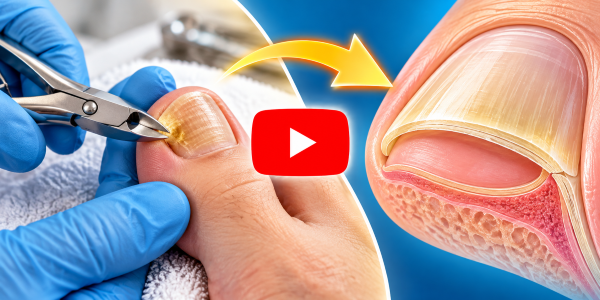
👉 DON’T TRY THIS “HOW DO DOCTORS GET RID OF TOENAIL FUNGUS?” UNTIL YOU SEE THIS
Viral Toenail Fungus Remedies: Do They Actually Work?
➺ Apple Cider Vinegar Foot Soaks
Vinegar soaks remain popular across social media because acidic environments may inhibit certain fungi.
However, laboratory antifungal activity does not prove that vinegar penetrates infected nails or cures onychomycosis.
Frequent soaking may irritate sensitive skin, particularly when concentrated vinegar is used.
➺ Vicks VapoRub for Toenail Fungus
Mentholated ointments appear frequently in online before-and-after demonstrations.
Small studies have reported possible improvement, but evidence remains insufficient to recommend these products as reliable replacements for prescription antifungals.
➺ Tea Tree Oil and Essential Oils
Tea tree oil contains compounds demonstrating antifungal activity under laboratory conditions.
However, clinical studies have produced mixed results. Essential oils can also cause contact dermatitis, irritation, and allergic reactions.
➺ Baking Soda and Hydrogen Peroxide
Baking soda pastes and hydrogen peroxide treatments are frequently described as inexpensive fungal cures.
Neither has convincing clinical evidence demonstrating dependable eradication of established toenail infections.
Concentrated peroxide may damage surrounding skin. Avoid applying irritating substances to broken or inflamed tissue.
👉 DON’T TRY THIS “HOW DO DOCTORS GET RID OF TOENAIL FUNGUS?” UNTIL YOU SEE THIS
New Toenail Fungus Treatments and Research Trends
✔ Improved Antifungal Drug Delivery
Researchers continue developing topical formulations designed to penetrate the nail plate more effectively.
Newer delivery technologies may improve how antifungal ingredients reach infected tissue, although promising laboratory results do not automatically establish clinical effectiveness.
✔ Topical Terbinafine Developments
New topical terbinafine formulations have emerged in some European markets, offering another approach to treating nail fungus.
Availability differs between countries, and regulatory authorization does not establish superiority over existing oral treatments.
✔ Combination Antifungal Therapy
Doctors may combine oral medication, topical treatment, and professional nail thinning for difficult infections.
Combination approaches can be useful in selected patients, but evidence varies. Treatment should reflect infection severity and individual medical circumstances.
✔ Antifungal Resistance Research
Researchers increasingly investigate dermatophyte resistance to commonly prescribed antifungal medications.
When treatment repeatedly fails, doctors may reconsider the diagnosis, review adherence, and request additional fungal identification or susceptibility testing.
How Long Does Toenail Fungus Take to Go Away?
Toenail fungus recovery depends on infection severity, medication effectiveness, and nail growth speed.
Oral treatment commonly lasts several weeks, while topical therapy may continue for almost one year.
Even after successful treatment, the damaged nail must grow out before the nail returns to a healthy appearance.
A clear band developing near the nail base may indicate improvement. Persistent discoloration alone does not necessarily mean treatment failed.
👉 DON’T TRY THIS “HOW DO DOCTORS GET RID OF TOENAIL FUNGUS?” UNTIL YOU SEE THIS
How to Prevent Toenail Fungus From Coming Back
Preventing reinfection is essential because fungal organisms thrive in warm, moist environments.
- Wash feet regularly and dry carefully between toes.
- Change damp socks and rotate footwear.
- Choose breathable shoes that reduce moisture buildup.
- Disinfect nail clippers and avoid sharing grooming tools.
- Treat athlete’s foot promptly with appropriate medication.
- Wear protective footwear in communal showers.
These habits support healthy nail growth and help reduce repeated fungal exposure.
When Should You See a Doctor for Toenail Fungus?
Seek medical evaluation when several nails become infected, discoloration spreads, or thickening causes discomfort.
People with diabetes, poor circulation, or weakened immunity should seek earlier assessment because foot infections may cause complications.
Seek urgent medical attention if redness spreads, swelling develops, pus appears, or pain becomes severe.
Common Mistakes That Delay Toenail Fungus Recovery
❌️ Stopping Antifungal Medication Early
Discontinuing treatment when nails begin looking healthier may leave fungal organisms behind.
Complete the prescribed course and attend recommended follow-up appointments.
❌️ Using Ordinary Antifungal Skin Creams
Over-the-counter antifungal creams can treat athlete’s foot but generally penetrate established nail infections poorly.
Nail-specific prescription medications provide more appropriate treatment for confirmed onychomycosis.
❌️ Ignoring Reinfected Footwear
Repeatedly wearing damp shoes may contribute to recurring infections. Cleaning footwear and controlling moisture are important preventive measures.
Conclusion
Doctors get rid of toenail fungus through accurate diagnosis, prescription antifungal medications, professional nail care, and personalized treatment strategies.
Oral terbinafine remains a leading treatment for suitable patients, while medicated nail solutions provide alternatives for selected infections.
Although viral remedies attract considerable attention, they lack the reliable clinical evidence supporting established antifungal medications.
The key takeaway: Successful toenail fungus treatment requires patience, consistent care, medical guidance, and preventive habits that reduce reinfection risks.
👉 DON’T TRY THIS “HOW DO DOCTORS GET RID OF TOENAIL FUNGUS?” UNTIL YOU SEE THIS
References
About Us
