
How Does Fluid Get Out of Lungs With Pneumonia? Explained
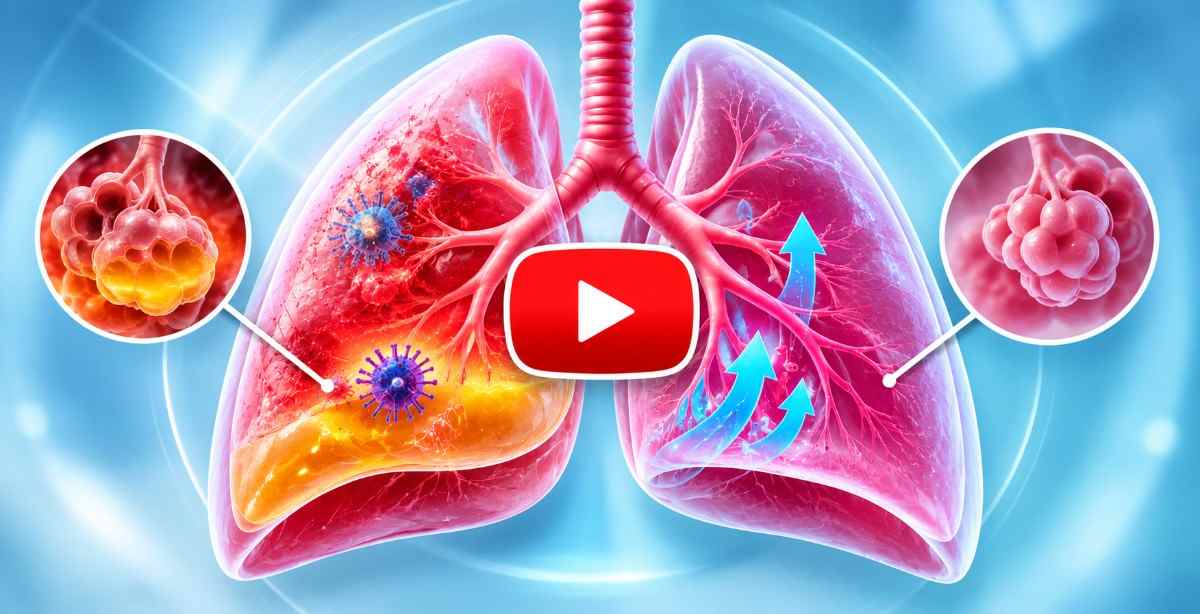
Pneumonia is a lung infection that causes inflammation and fluid buildup in the air sacs, making breathing difficult and reducing the body’s ability to absorb oxygen efficiently.
How does fluid get out of the lungs with pneumonia? The body naturally removes excess fluid as the infection improves, while medical treatment helps manage inflammation and support recovery.
During pneumonia recovery, the immune system clears infected material, the lungs gradually reabsorb excess fluid, and coughing helps remove mucus from the respiratory airways.
How Does Fluid Get Out of Lungs With Pneumonia? explains how the body naturally clears lung fluid, when medical drainage is necessary, and which treatments support breathing, recovery, and long-term lung health.
👉 DON’T TRY THIS “HOW DOES FLUID GET OUT OF LUNGS WITH PNEUMONIA? ” UNTIL YOU SEE THIS
Sometimes, fluid accumulates around the lungs in a condition called pleural effusion, which may require medical drainage if the fluid becomes infected or causes breathing difficulties.
Understanding how pneumonia-related fluid clears is essential for recognizing recovery signs, identifying possible complications, and knowing when additional medical treatment may be necessary.
This guide explains how doctors remove fluid from the lungs, how natural fluid clearance works, how long recovery takes, and which treatments support healthier breathing.
What Happens to Your Lungs When You Have Pneumonia?
Pneumonia develops when an infection causes inflammation in the lung tissue. Bacteria, viruses, and occasionally fungi can trigger the condition, leading to changes in the tiny air sacs known as alveoli.
Normally, these air sacs contain air and allow oxygen to enter the bloodstream while carbon dioxide leaves the body.
During pneumonia, inflammation makes small blood vessels more permeable, allowing fluid, proteins, and immune cells to enter the alveoli.
As these air sacs fill with inflammatory material, oxygen has difficulty moving into the blood. Patients may experience shortness of breath, rapid breathing, coughing, fever, and chest pain.
The lungs also produce mucus to trap microorganisms and debris. When mucus accumulates in the airways, coughing becomes an important mechanism for removing it.
With appropriate care, inflammation gradually decreases, fluid is cleared, and normal gas exchange begins to return.
👉 DON’T TRY THIS “HOW DOES FLUID GET OUT OF LUNGS WITH PNEUMONIA? ” UNTIL YOU SEE THIS
How Does Fluid Get Out of Lungs With Pneumonia?
The body uses several natural mechanisms to eliminate fluid and inflammatory material from the lungs. These processes begin as the infection is controlled and inflammation subsides.
1. Natural Fluid Reabsorption
The alveoli contain specialized cells that help move sodium and water out of the air spaces. This process allows excess fluid to return to surrounding tissues, where it can be removed through normal circulation and lymphatic drainage.
As inflammation improves, the air sacs gradually become less congested, allowing oxygen exchange to recover.
2. The Immune System Clears Inflammatory Debris
Immune cells called macrophages help remove microorganisms, damaged cells, and inflammatory debris from the lungs.
These cells play an important role in resolving pneumonia and restoring normal lung function. The clearing process may continue after fever and other major symptoms have improved.
3. Coughing Removes Mucus
Coughing helps expel mucus and trapped particles from the respiratory passages. When pneumonia produces thick secretions, an effective cough can help keep larger airways clear.
4. Lymphatic Drainage
The lymphatic system helps remove excess fluid and proteins from lung tissues and the space surrounding the lungs.
This drainage process contributes to recovery, although significant or infected fluid collections may exceed the body’s ability to clear them naturally.
5. Medical Treatment Supports Recovery
Treating the underlying infection allows inflammation to decrease and helps the lungs restore their normal fluid balance.
Antibiotics may be prescribed for bacterial pneumonia, while other treatments depend on the cause and severity of the illness. Oxygen support and hospital care may be necessary when breathing becomes difficult.
Fluid Inside the Lungs vs. Fluid Around the Lungs
Not all fluid associated with pneumonia accumulates in the same location. Doctors distinguish between fluid inside the alveoli and fluid in the pleural space surrounding the lungs.
| Condition | Where Fluid Collects | How It Is Removed |
|---|---|---|
| Pneumonia-related alveolar fluid | Inside the lung air sacs | Natural reabsorption as inflammation resolves |
| Airway mucus | Bronchial passages | Coughing and mucociliary clearance |
| Simple pleural effusion | Between the lung and chest wall | Natural absorption or medical drainage |
| Complicated pleural effusion | Pleural space, sometimes with infection | Drainage may be necessary |
| Empyema | Infected pus within the pleural space | Usually requires antibiotics and drainage |
This distinction explains why some pneumonia patients recover without invasive procedures while others require fluid removal.
👉 DON’T TRY THIS “HOW DOES FLUID GET OUT OF LUNGS WITH PNEUMONIA? ” UNTIL YOU SEE THIS
Can Fluid in the Lungs Clear on Its Own?
Yes. In many cases of uncomplicated pneumonia, the inflammatory fluid inside the air sacs clears naturally as the infection resolves.
The body gradually restores the normal balance between fluid entering and leaving the alveoli. Immune cells clear debris, and damaged lung tissue begins repairing itself.
The recovery process is not immediate. Even after a patient starts feeling better, inflammation and changes visible on chest imaging may persist for several weeks.
Older adults, smokers, people with chronic lung disease, and individuals with weakened immune systems may experience slower recovery.
Fluid around the lungs may also resolve without drainage when the collection is small, uncomplicated, and improving with appropriate treatment.
How Do Doctors Remove Fluid From Lungs With Pneumonia?
Doctors choose the appropriate approach based on the fluid’s location, amount, and whether infection or other complications are present.
1. Antibiotic Therapy
Antibiotics treat bacterial pneumonia and help control the infection responsible for lung inflammation. As bacteria are eliminated and inflammation decreases, the body can gradually reabsorb inflammatory fluid.
Antibiotics do not physically drain fluid, and they are not routinely useful for pneumonia caused solely by viruses.
2. Thoracentesis
Thoracentesis is a medical procedure used to remove fluid from the pleural space surrounding the lungs.
During the procedure, a healthcare professional inserts a needle through the chest wall, usually using ultrasound guidance.
The removed fluid may be tested to identify infection and determine whether further drainage is necessary. Removing a substantial fluid collection can also improve breathing.
3. Chest Tube Drainage
When pneumonia causes a complicated pleural effusion or empyema, doctors may insert a chest tube. The tube allows infected fluid or pus to drain continuously into a collection system.
Chest tubes are commonly used when fluid cannot be adequately managed through medication or a single needle-drainage procedure.
4. Bronchoscopy
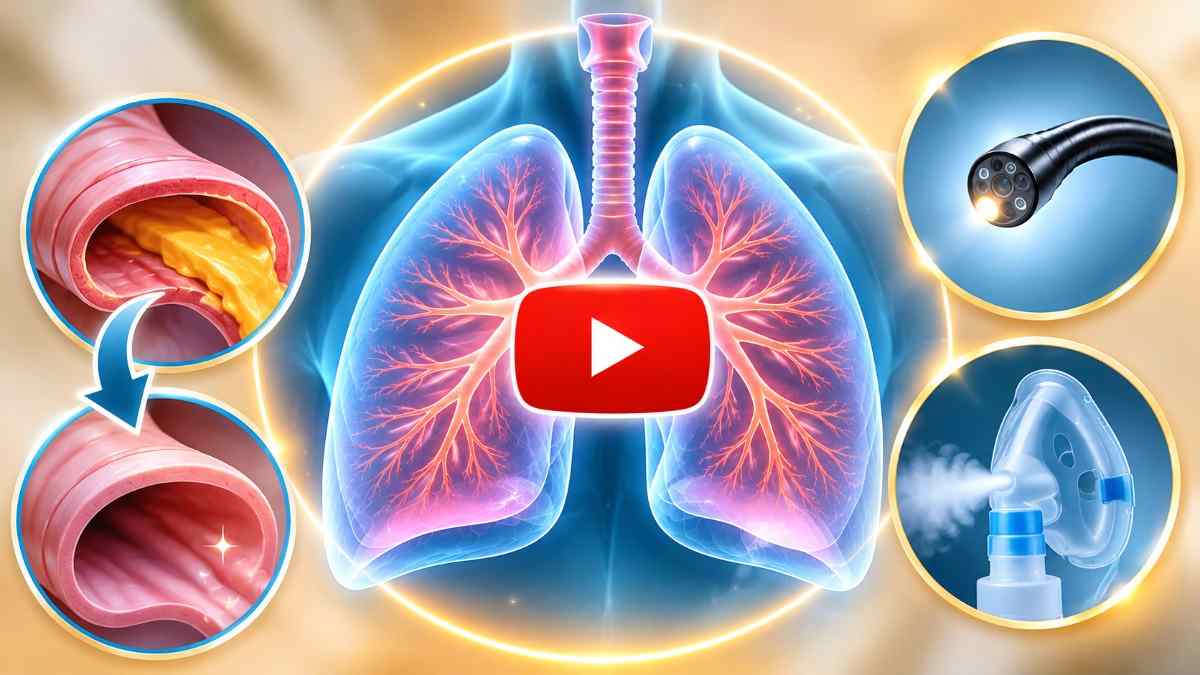
Bronchoscopy allows doctors to examine the airways using a thin, flexible instrument equipped with a camera.
In selected cases, the procedure helps remove obstructing mucus plugs or collect samples for testing.
Bronchoscopy is not a routine method for draining pneumonia-related fluid from the alveoli or pleural space.
5. Surgery for Complicated Infections
Some patients develop thick, organized infected fluid collections that cannot drain adequately through a chest tube.
In these situations, doctors may recommend video-assisted thoracoscopic surgery, commonly called VATS.
This procedure allows surgeons to remove infected material and, when necessary, release scar tissue restricting lung expansion.
How Long Does It Take for Fluid to Clear After Pneumonia?
The time required for lung fluid to clear varies depending on the severity of the infection, the patient’s age, and the presence of complications.
Mild pneumonia may begin improving within several days of effective treatment. However, mucus, inflammation, and changes in lung tissue can persist longer.
Many patients experience gradual improvement over two to six weeks, while complete recovery from severe pneumonia may take several months.
These are general recovery estimates rather than fixed deadlines. Fluid around the lungs, particularly infected fluid, may require additional treatment.
Patients whose symptoms worsen or fail to improve should contact their healthcare provider rather than waiting for a particular recovery milestone.
👉 DON’T TRY THIS “HOW DOES FLUID GET OUT OF LUNGS WITH PNEUMONIA? ” UNTIL YOU SEE THIS
What Helps Clear Fluid From the Lungs Naturally?
Several supportive measures can help patients recover from pneumonia. However, these approaches do not replace appropriate medical care or drain significant pleural fluid collections.
Stay Properly Hydrated
Water, soups, and other suitable beverages can support recovery. Patients with heart failure, kidney disease, or prescribed fluid restrictions should follow their doctor’s recommendations.
Get Adequate Rest
Patients should avoid strenuous activity while experiencing fever, significant fatigue, or breathing difficulty. Physical activity can gradually increase as symptoms improve.
Practice Gentle Breathing Exercises
Slow, controlled breathing may help improve ventilation and reduce shallow breathing during recovery.
Some hospitalized patients benefit from supervised breathing exercises or incentive spirometry. These techniques do not directly remove fluid from the pleural space.
Maintain Comfortable Air Quality
A clean, comfortably humidified environment may ease throat and airway discomfort. Humidifiers should be cleaned regularly to prevent microbial growth.
Follow Prescribed Medication Instructions
Taking prescribed medicines correctly is essential for controlling pneumonia and reducing complications.
Patients should not stop antibiotics early without consulting their clinician or begin diuretics, steroids, or cough medicines specifically to remove lung fluid without medical advice.
👉 DON’T TRY THIS “HOW DOES FLUID GET OUT OF LUNGS WITH PNEUMONIA? ” UNTIL YOU SEE THIS
How Do Doctors Know If Fluid Is Leaving the Lungs?
Doctors assess pneumonia recovery through symptoms, physical examinations, oxygen measurements, and imaging when appropriate.
A stethoscope helps identify changes in breathing sounds. Crackles, reduced airflow, or diminished breath sounds may suggest ongoing lung abnormalities.
Pulse oximetry measures oxygen saturation and helps determine whether the lungs are delivering sufficient oxygen to the bloodstream.
Chest X-rays can show pneumonia-related lung changes or fluid surrounding the lungs. Ultrasound is particularly useful for identifying and assessing pleural effusions.
CT scans may be recommended when doctors suspect complications or need a more detailed view of lung structures.
When Does Pneumonia Fluid Become Dangerous?
Fluid associated with pneumonia becomes particularly concerning when it significantly interferes with breathing or develops into an infected pleural collection.
A complicated parapneumonic effusion can contain bacteria and inflammatory material that prevent normal fluid clearance.
If pus accumulates in the pleural space, the condition is called empyema. This serious complication generally requires antibiotics and a drainage procedure.
Seek emergency medical care for severe breathing difficulty, blue or gray lips, new confusion, fainting, or rapidly worsening symptoms.
Persistent fever, increasing chest pain, worsening cough, or breathlessness despite treatment also requires prompt medical evaluation.
Early identification of complications helps doctors provide appropriate care before more serious lung problems develop.
👉 DON’T TRY THIS “HOW DOES FLUID GET OUT OF LUNGS WITH PNEUMONIA? ” UNTIL YOU SEE THIS
Can Pneumonia Cause Permanent Lung Damage?
Most people recover from pneumonia without permanent lung damage, particularly when the infection is recognized and managed appropriately.
Severe infections can occasionally cause complications such as lung abscesses, scarring, or prolonged impairment in breathing.
Complicated pleural infections may also lead to thickening and scarring around the lungs, making full expansion more difficult.
People with existing respiratory diseases or weakened immune systems may face a higher risk of prolonged recovery.
Following medical advice, attending recommended follow-up appointments, and avoiding smoking can support lung health after pneumonia.
How Can You Prevent Fluid Buildup From Pneumonia?
Preventing pneumonia and recognizing respiratory infections early can reduce the likelihood of serious complications.
Vaccinations against pneumococcal disease, influenza, and other relevant respiratory infections help protect eligible individuals.
Frequent handwashing, avoiding tobacco smoke, and managing underlying medical conditions also support respiratory health.
Maintaining adequate nutrition, regular physical activity, and sufficient sleep contributes to overall immune function.
If pneumonia develops, timely evaluation and appropriate treatment are important for preventing worsening inflammation and complicated pleural fluid collections.
Patients should seek medical advice when symptoms persist, breathing becomes difficult, or recovery does not progress as expected.
Final Thoughts
Understanding how fluid gets out of the lungs with pneumonia is essential for recognizing how the body naturally clears excess fluid, reduces inflammation, and restores healthy breathing during recovery.
As pneumonia improves, the lungs gradually reabsorb inflammatory fluid, while coughing helps remove mucus and appropriate medical treatment supports the healing process.
In more serious cases, procedures such as thoracentesis or chest tube drainage may be necessary to remove infected fluid surrounding the lungs and prevent further complications.
Early medical care, proper rest, adequate hydration, and following prescribed treatments can support recovery. With timely attention and appropriate follow-up, many patients regain healthy lung function.
👉 DON’T TRY THIS “HOW DOES FLUID GET OUT OF LUNGS WITH PNEUMONIA? ” UNTIL YOU SEE THIS
.
.
.
.
References
https://www.lung.org/lung-health-diseases/lung-disease-lookup/pneumonia/treatment-and-recovery
https://medlineplus.gov/ency/article/000139.htm
https://www.ncbi.nlm.nih.gov/books/NBK441866/
.
.
About Us
