
How to Reduce Fatty Liver Quickly: 12 Effective Tips
Fatty liver disease is a common health condition that develops when excess fat accumulates inside liver cells.
Many people wonder how to reduce fatty liver quickly, especially after receiving abnormal liver test results or discovering excess liver fat during an ultrasound examination.
The encouraging news is that fatty liver can often improve through consistent changes in eating habits, physical activity, weight management, and overall metabolic health.
The 7-Day Fatty Liver Diet Plan highlights healthy food choices, balanced meals, and nutritious ingredients that support better liver health and help reduce excess liver fat.
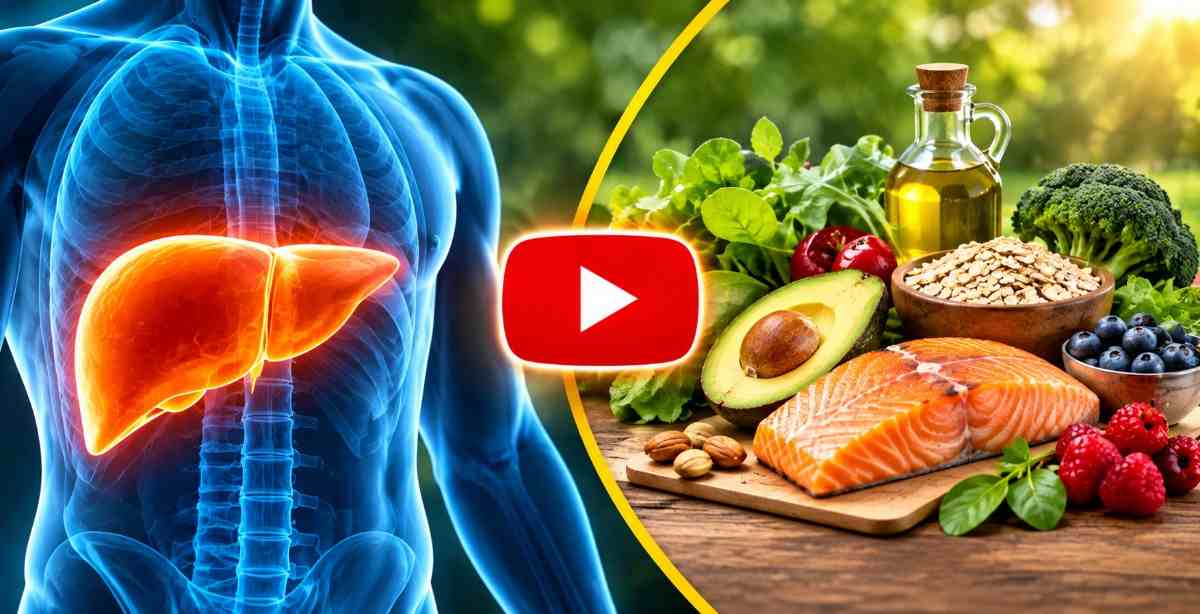
👉 DON’T TRY THIS “HOW TO REDUCE FATTY LIVER QUICKLY” UNTIL YOU SEE THIS
The liver needs time to respond to healthier habits, and the speed of improvement depends on individual health conditions and the severity of existing liver damage.
Simple adjustments, such as reducing sugary beverages, eating more fiber, increasing physical activity, and maintaining a healthy weight, can make a meaningful difference.
This guide explains practical ways to reduce fatty liver, foods that support liver health, habits to avoid, and what to expect during the recovery process.
What Is Fatty Liver Disease?
Fatty liver disease occurs when excess fat accumulates inside liver cells, affecting normal liver function and potentially increasing the risk of inflammation.
It commonly develops in people with obesity, insulin resistance, type 2 diabetes, high cholesterol, or other metabolic health conditions.
Fatty liver associated with metabolic dysfunction is now called metabolic dysfunction-associated steatotic liver disease (MASLD), previously known as NAFLD.
In some individuals, excess liver fat can lead to inflammation and liver cell damage, resulting in a more serious condition known as MASH.
If left unmanaged, fatty liver disease may progress to liver fibrosis, cirrhosis, and other complications that affect long-term liver health.
Fortunately, fatty liver can often improve through balanced nutrition, regular exercise, healthy weight management, and consistent lifestyle changes.
👉 DON’T TRY THIS “HOW TO REDUCE FATTY LIVER QUICKLY” UNTIL YOU SEE THIS
How Quickly Can You Reduce Fatty Liver?
The time required to reduce fatty liver depends on body weight, metabolic health, dietary habits, physical activity, and the extent of liver damage.
A reduction of approximately 3–5% of body weight can improve liver fat in people who are overweight.
Greater weight loss, often around 7–10% or more, may be needed to improve inflammation and other liver abnormalities.
People who already have significant liver scarring may require longer-term treatment and medical monitoring.
The most effective approach is not extreme dieting or rapid weight loss. Instead, gradual and sustainable improvements provide a safer foundation for liver recovery.
12 Effective Ways to Reduce Fatty Liver Quickly
1. Reduce Added Sugar Intake
Excessive sugar consumption, particularly from sweetened beverages, can contribute to increased liver fat.
Soft drinks, sweetened coffee, packaged fruit juices, energy drinks, and sugary desserts can supply substantial amounts of added sugar without providing lasting fullness.
Replacing these beverages with water, unsweetened tea, or plain coffee can help reduce unnecessary calorie intake.
Choose whole fruits instead of fruit juice whenever possible. Whole fruits contain fiber, which helps support fullness and healthier blood sugar regulation.
2. Maintain a Healthy Body Weight
Excess body fat, particularly around the abdomen, is strongly associated with fat accumulation in the liver.
Gradual weight reduction can improve insulin sensitivity, decrease liver fat, and support healthier metabolic function.
A realistic goal for many people who are overweight is losing approximately 0.5–1 kilogram per week, although individual recommendations may differ.
People with fatty liver who are not overweight can also benefit from improved diet quality and physical activity without necessarily pursuing weight loss.
3. Follow a Mediterranean-Style Diet
It emphasizes vegetables, fruits, whole grains, legumes, nuts, olive oil, and moderate portions of fish and other lean proteins.
These foods provide fiber, unsaturated fats, and nutrients that support healthier metabolic function. Try replacing processed meats and fried foods with beans, lentils, grilled fish, or skinless poultry.
Choose olive oil instead of butter or other fats high in saturated fat when practical. This eating pattern can help reduce liver fat even when weight loss is modest.
👉 DON’T TRY THIS “HOW TO REDUCE FATTY LIVER QUICKLY” UNTIL YOU SEE THIS
4. Exercise Regularly
Exercise helps improve insulin sensitivity, regulate blood sugar, support weight management, and reduce fat accumulation in the liver.
Aim for at least 150 minutes of moderate-intensity aerobic activity each week, such as brisk walking, cycling, or swimming.
Strength training two or more days per week can provide additional benefits by helping maintain muscle mass and metabolic health.
Beginners can start with short walks and gradually increase their activity level. Even without major weight loss, regular exercise can improve liver fat and overall metabolic function.
5. Avoid Alcohol
Alcohol can contribute to liver inflammation and injury, particularly when fatty liver disease is already present.
People with fatty liver should discuss alcohol use with their healthcare professional. Avoiding alcohol is generally the safest approach, especially when inflammation or fibrosis is present.
Replacing alcoholic beverages with water, sparkling water, or unsweetened alternatives can support healthier daily habits.
6. Choose Healthy Fats
Not all dietary fats affect the body in the same way. Foods rich in unsaturated fats, such as olive oil, avocados, nuts, seeds, and oily fish, can support heart and metabolic health.
Meanwhile, excessive consumption of saturated fats from processed meats, butter, and certain high-fat packaged foods may worsen metabolic health.
Choose grilled, steamed, or baked meals more frequently than deep-fried foods. Healthy fats still contain calories, so portion control remains important when weight reduction is a goal.
7. Increase Fiber-Rich Foods
Dietary fiber supports digestion, blood sugar regulation, and healthy cholesterol levels. Vegetables, legumes, oats, barley, whole grains, and fruits are useful sources of fiber.
Fiber-rich foods can also promote fullness, making it easier to manage overall calorie intake. Increase fiber gradually and drink adequate water to minimize digestive discomfort.
Consider adding beans to salads, eating oatmeal for breakfast, or replacing refined grains with whole-grain alternatives.

👉 DON’T TRY THIS “HOW TO REDUCE FATTY LIVER QUICKLY” UNTIL YOU SEE THIS
8. Manage Blood Sugar Levels
Insulin resistance and type 2 diabetes are closely associated with fatty liver disease. When the body becomes less responsive to insulin, fat accumulation in the liver can increase.
Managing blood sugar through balanced meals, regular exercise, appropriate medication, and medical monitoring is important.
Choose high-fiber carbohydrates and reduce frequent consumption of sugary snacks and refined starches.
People with diabetes should continue prescribed treatment and consult their healthcare professional before making major dietary changes.
9. Get Enough Quality Sleep
Poor sleep and irregular sleeping patterns can affect appetite regulation, insulin sensitivity, and metabolic health.
Most adults should aim for approximately seven to nine hours of sleep each night. Maintaining consistent sleeping and waking times can support healthier daily routines.
Limit caffeine late in the day, reduce screen exposure before bedtime, and keep the bedroom comfortable.
People who snore heavily or experience excessive daytime sleepiness should discuss possible obstructive sleep apnea with a healthcare professional.
10. Drink Water Instead of Sugary Beverages
Water supports normal bodily functions and helps maintain hydration. Drinking water does not directly remove fat from the liver; replacing sugary beverages with water can reduce added sugar and calorie intake.
Keep water available throughout the day and drink according to thirst, activity level, and individual health needs.
People with advanced liver disease or medical conditions requiring fluid restrictions should follow individualized medical advice.
11. Consider Unsweetened Coffee
Research has associated regular coffee consumption with favorable liver health outcomes, including a lower likelihood of advanced liver fibrosis in some populations.
Coffee contains naturally occurring compounds that may influence inflammation and metabolic processes.
For adults who tolerate caffeine, moderate consumption of plain coffee can fit into a liver-friendly eating pattern.
Avoid turning coffee into a high-sugar beverage by adding large amounts of syrup, cream, or sweetened toppings.
12. Monitor Liver Health Regularly
Healthcare professionals may recommend blood tests, metabolic assessments, and imaging depending on individual risk factors.
Common assessments include liver enzymes, blood glucose, cholesterol, platelet counts, and fibrosis risk evaluation.
Noninvasive tools such as FIB-4 and liver elastography can help identify people who may have significant liver scarring.
Monitoring allows treatment plans to be adjusted and helps determine whether lifestyle changes are producing meaningful improvements.
Best Foods to Eat for Fatty Liver Recovery
Choosing nutrient-rich foods can help improve liver health while supporting weight management and blood sugar regulation.
| Food Category | Recommended Foods | Main Benefits |
|---|---|---|
| Leafy vegetables | Spinach, kale, broccoli | Fiber and essential nutrients |
| Whole grains | Oats, brown rice, barley | Blood sugar and cholesterol support |
| Healthy fats | Olive oil, walnuts, avocado | Cardiovascular and metabolic health |
| Lean proteins | Fish, lentils, beans | Muscle maintenance and fullness |
| Fruits | Apples, berries, oranges | Fiber and antioxidants |
| Nuts and seeds | Almonds, chia, flaxseed | Unsaturated fats and fiber |
A balanced eating pattern matters more than any individual food. Include different food groups throughout the week rather than depending on one ingredient to reverse fatty liver.
👉 DON’T TRY THIS “HOW TO REDUCE FATTY LIVER QUICKLY” UNTIL YOU SEE THIS
Foods to Avoid With Fatty Liver
Certain foods and beverages can make weight management and metabolic health more difficult. Reducing these foods can help support healthier liver function.
-
Sugary drinks: Soft drinks, sweetened juices, and energy drinks provide large amounts of added sugar.
-
Refined carbohydrates: Excessive white bread, pastries, and sugary cereals can contribute to high calorie intake.
-
Deep-fried foods: Frequently eating fried foods may increase saturated fat and overall calorie consumption.
-
Processed meats: Bacon, sausages, and similar products often contain substantial saturated fat and sodium.
-
Alcohol: Alcohol can worsen existing liver damage and should be avoided when medically advised.
-
Highly processed snacks: Packaged desserts, chips, and sweets can make balanced eating more difficult.
The goal is not to eliminate every enjoyable food. Instead, make nutrient-dense meals your regular choice and limit foods that contribute excessive calories, sugar, and saturated fat.
7-Day Fatty Liver Diet Plan – Important Tips
1. Follow a Balanced Diet
Choose nutritious foods such as vegetables, fruits, whole grains, lean proteins, and healthy fats to support liver health and overall wellness.
2. Include Fiber-Rich Foods
Eat oats, lentils, beans, and fresh vegetables regularly to support digestion, improve fullness, and maintain healthy blood sugar levels.
3. Choose Healthy Protein Sources
Include fish, skinless chicken, eggs, tofu, and beans in your meals to provide essential nutrients while maintaining a balanced diet.
4. Limit Unhealthy Foods
Reduce fried foods, sugary drinks, processed snacks, refined carbohydrates, and foods high in saturated fats to support better liver health.
5. Maintain Healthy Eating Habits
Follow regular meal times, control portion sizes, drink enough water, and combine healthy eating with regular physical activity for long-term liver wellness.
What to Expect When Reducing Fatty Liver
Liver improvement usually occurs gradually. The following timeline describes possible changes rather than guaranteed results.
Weeks 1–2: Building Healthier Habits
During the first two weeks, focus on reducing sugary drinks, improving meal quality, and establishing a consistent exercise routine.
Some people may notice changes in energy or body weight, but these do not necessarily indicate that liver fat has decreased.
Weeks 3–4: Early Metabolic Improvements
Regular exercise and dietary improvements may begin supporting better blood sugar regulation, weight management, and metabolic health.
Some individuals may experience early reductions in liver fat, although testing is needed to assess actual changes.
Months 2–3: Measurable Liver Health Progress
With consistent habits, people who are overweight may achieve meaningful weight reduction and improvements in liver-related measurements.
Months 4–6: Continued Liver Health Support
Maintaining a healthy lifestyle over several months can support further reductions in liver fat and improve long-term metabolic health.
Medical follow-up helps determine whether the liver is improving or whether additional treatment is necessary.
👉 DON’T TRY THIS “HOW TO REDUCE FATTY LIVER QUICKLY” UNTIL YOU SEE THIS
Can Fatty Liver Be Reversed Completely?
Fatty liver can often be reversed, particularly when excess fat accumulation is identified before substantial liver scarring develops.
Recovery depends on the severity of the condition, underlying metabolic problems, and consistency of treatment.
Simple fatty liver may improve considerably with dietary changes, exercise, and sustainable weight management.
More advanced disease involving inflammation or fibrosis requires careful monitoring, and complete reversal is not always possible.
For selected patients with more serious MASH, prescription treatment may be appropriate alongside lifestyle changes.
Avoid unregulated liver detox products or herbal remedies marketed as quick cures. Some can cause additional liver injury.
👉 DON’T TRY THIS “HOW TO REDUCE FATTY LIVER QUICKLY” UNTIL YOU SEE THIS
When Should You See a Doctor?
Many people with fatty liver experience no obvious symptoms, making regular medical assessment important.
Schedule an appointment if you have persistently abnormal liver tests, known fatty liver, diabetes, or other significant metabolic risk factors.
Seek prompt medical attention for yellowing of the skin or eyes, abdominal swelling, unusual bleeding, or increasing weakness.
A healthcare professional can determine whether further testing, specialist referral, or prescription treatment is needed.
Final Thoughts
Reducing fatty liver requires consistent lifestyle changes, healthy food choices, and a better understanding of your body’s nutritional needs.
A balanced diet rich in vegetables, fruits, whole grains, lean proteins, and healthy fats can help support liver function and overall wellness.
Regular exercise, proper hydration, portion control, and limiting sugary drinks can contribute to healthier liver fat levels over time.
Remember that fatty liver improvement does not happen overnight, and gradual, sustainable changes are generally more beneficial than extreme diets or quick-fix solutions.
Start with small daily improvements, follow your healthcare professional’s advice, and maintain healthy habits to support long-term liver health.
👉 DON’T TRY THIS “HOW TO REDUCE FATTY LIVER QUICKLY” UNTIL YOU SEE THIS
.
.
.
.
References
https://www.niddk.nih.gov/health-information/liver-disease/nafld-nash/eating-diet-nutrition
https://www.niddk.nih.gov/health-information/liver-disease/nafld-nash/treatment
.
.
.
About Us
