
Does Tretinoin Help With Wrinkles? Results & Benefits
Yes, tretinoin helps reduce wrinkles, especially fine lines caused by sun damage, collagen loss, and premature skin aging.
This prescription retinoid encourages collagen production, improves skin cell turnover, and gradually smooths uneven texture.
Clinical research supports its effectiveness for photoaging, making it one of the most extensively studied topical anti-aging treatments.
However, tretinoin cannot completely eliminate deep wrinkles, reverse natural aging, or deliver overnight transformations.
Most people need several months of consistent treatment before noticing meaningful improvements.
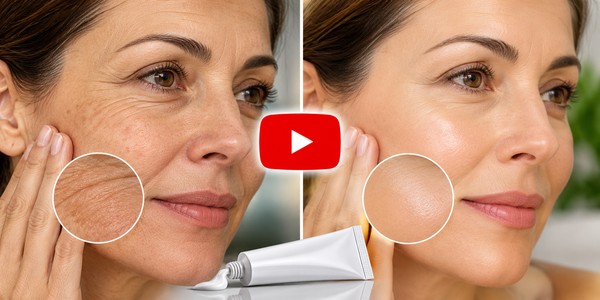
👉 DON’T TRY THIS “DOES TRETINOIN HELP WITH WRINKLES?” UNTIL YOU SEE THIS
In 2026, viral skincare trends involving tretinoin sandwiching, skin cycling, collagen-boosting routines, and prescription retinoid combinations continue attracting attention.
What Is Tretinoin, and How Does It Work for Wrinkles?
Tretinoin is a prescription vitamin A derivative, also called all-trans retinoic acid. Dermatologists use it to treat acne, sun-damaged skin, fine wrinkles, and certain pigmentation concerns.
Unlike moisturizers that temporarily plump dehydrated skin, tretinoin influences cellular processes involved in skin renewal and collagen maintenance.
How Tretinoin Helps Aging Skin
- Collagen stimulation: Supports collagen synthesis and helps reduce sun-damage-related collagen breakdown.
- Skin cell turnover: Encourages renewal of the outer skin layers.
- Fine wrinkle reduction: Gradually improves superficial lines.
- Skin texture improvement: Helps smooth rough, uneven skin.
- Pigmentation improvement: May reduce some sun-related discoloration.
These effects develop progressively. Consistency matters more than using excessive amounts.
Does Tretinoin Really Reduce Wrinkles? Scientific Evidence
Research consistently identifies topical tretinoin as an effective treatment for several visible signs of photoaging.
Clinical trials and systematic reviews report improvements in fine wrinkles, roughness, uneven pigmentation, and overall skin appearance.
Tretinoin works particularly well for wrinkles linked to UV exposure because it influences collagen-related pathways affected by chronic sun damage.
👉 DON’T TRY THIS “DOES TRETINOIN HELP WITH WRINKLES?” UNTIL YOU SEE THIS
Fine Lines vs. Deep Wrinkles
Fine lines around the forehead, cheeks, and mouth may become less noticeable with regular treatment.
Deep wrinkles caused by significant skin laxity, facial expressions, or volume loss usually respond less dramatically.
Therefore, tretinoin improves the appearance of wrinkles rather than permanently removing every visible crease.
Tretinoin Before and After Wrinkles: Realistic Results Timeline
One of the most common questions is how long tretinoin takes to work for wrinkles.
Although some users notice smoother texture earlier, visible anti-aging improvements generally require sustained application.
| Treatment duration | Expected changes |
| Weeks 1–2 | Possible dryness, redness, or peeling |
| Weeks 3–6 | Skin begins adjusting; texture may improve |
| Weeks 8–12 | Early improvements in superficial lines |
| Months 3–6 | More noticeable wrinkle and texture improvements |
| Months 6–12 | Continued improvement with consistent treatment |
These are approximate timelines, not guaranteed outcomes.
Why Tretinoin Results Take Time
Collagen remodeling occurs gradually. Skin needs repeated exposure to treatment before structural changes become clinically noticeable.
Before-and-after photographs should use identical lighting, angles, facial expressions, and camera settings.
Filtered images and dramatic overnight transformations are unreliable indicators of actual treatment effectiveness.
Best Tretinoin Strength for Wrinkles: 0.025%, 0.05%, or 0.1%?
Choosing the correct concentration is essential because stronger tretinoin does not always mean better results.
➢ Tretinoin 0.025% for Beginners
This lower concentration is commonly considered for people beginning prescription retinoid treatment.
It may provide anti-aging benefits while offering better tolerability for some users.
➢ Tretinoin 0.05% for Wrinkles
This concentration is frequently studied for improving fine wrinkles, skin texture, and photoaging.
However, suitability depends on sensitivity, formulation, and previous retinoid experience.
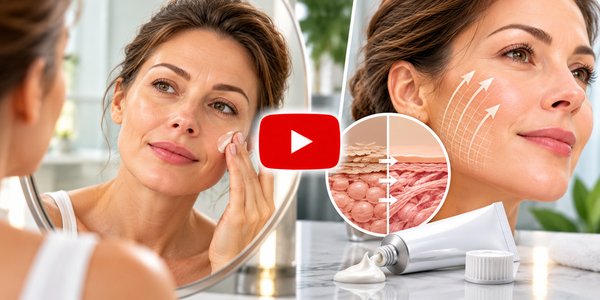
👉 DON’T TRY THIS “DOES TRETINOIN HELP WITH WRINKLES?” UNTIL YOU SEE THIS
➢ Tretinoin 0.1% for Experienced Users
Higher concentrations may produce greater irritation, peeling, and redness.
Increasing strength without professional guidance is not recommended because long-term benefits do not necessarily increase proportionally.
How to Use Tretinoin for Wrinkles Correctly
Proper application supports consistent treatment while reducing avoidable irritation.
- Cleanse gently: Wash your face with a mild cleanser and let your skin dry completely.
- Apply a small amount: Use about a pea-sized amount for the entire face, avoiding the eyelids, lips, and sensitive corners.
- Moisturize regularly: Apply a fragrance-free moisturizer to support the skin barrier.
- Use sunscreen: Apply broad-spectrum SPF 30 or higher every morning.
Beginners may start with two or three applications weekly and gradually increase frequency based on their dermatologist’s instructions.
Applying more tretinoin does not accelerate wrinkle reduction.
Viral Tretinoin Hacks in 2026: What Actually Works?
Social media continues popularizing unconventional tretinoin routines. Some techniques may improve comfort, but others increase irritation without delivering additional benefits.
✅ Tretinoin Sandwich Method
The sandwich method involves applying moisturizer, then tretinoin, followed by another layer of moisturizer.
This approach may help sensitive skin tolerate treatment. However, research directly comparing this technique with standard application remains limited.
✅ Skin Cycling With Tretinoin
Skin cycling alternates nights of retinoid application with recovery-focused skincare.
It may help beginners stay consistent, although no universal cycling schedule has shown superior wrinkle reduction.
✅ Tretinoin With Hyaluronic Acid
Hyaluronic acid moisturizers help maintain hydration and may improve comfort during tretinoin treatment.
Hydration can temporarily soften fine lines, but don’t confuse this with collagen remodeling.
👉 DON’T TRY THIS “DOES TRETINOIN HELP WITH WRINKLES?” UNTIL YOU SEE THIS
✅ Tretinoin Slugging Hack
Slugging involves applying a thick occlusive layer, commonly petroleum jelly, over skincare products.
Applying heavy occlusion directly over tretinoin may increase irritation for some individuals. Dermatologist guidance is advisable.
✅ Tretinoin With Peptides
Peptide serums are frequently promoted as collagen-boosting companions to tretinoin.
However, clinical evidence supporting specific peptide combinations remains less established than evidence for prescription tretinoin itself.
Tretinoin vs. Retinol: Which Is Better for Wrinkles?
Tretinoin and retinol both belong to the retinoid family, but they differ in strength, availability, and tolerability.
| Feature | Tretinoin | Retinol |
| Availability | Prescription | Over the counter |
| Wrinkle evidence | Stronger clinical evidence | More variable evidence |
| Skin irritation | Often higher | Often lower |
| Best suited for | Established photoaging | Beginners and milder concerns |
| Results | Gradual | Gradual |
Tretinoin is generally better studied for wrinkles, while retinol may suit individuals who cannot tolerate prescription treatment.
Does Tretinoin Help Forehead Wrinkles and Crow’s Feet?
Tretinoin may improve superficial forehead wrinkles caused by sun damage and aging.
However, deeper expression lines often require additional treatments, including procedures administered by a dermatologist.
Crow’s feet require particular caution because the surrounding skin is delicate.
Avoid applying ordinary facial tretinoin directly onto eyelids or too close to the eyes unless specifically instructed.
👉 DON’T TRY THIS “DOES TRETINOIN HELP WITH WRINKLES?” UNTIL YOU SEE THIS
Tretinoin Side Effects and Common Mistakes
Common side effects include dryness, redness, peeling, burning, and temporary skin sensitivity.
Excessive irritation can make wrinkles appear more noticeable because dehydrated skin emphasizes surface lines.
Common mistakes include using too much product, combining strong exfoliants, skipping sunscreen, and increasing concentration too soon.
Tretinoin should be avoided during pregnancy and when planning pregnancy. Individuals with eczema, rosacea, or compromised skin barriers should seek personalized medical advice.
Conclusion: Does Tretinoin Help With Wrinkles?
Yes, tretinoin can visibly improve fine wrinkles, skin texture, and sun-related aging when used consistently and appropriately.
Its effectiveness is supported by clinical research examining collagen remodeling and photoaging improvements.
However, results require patience, the right concentration, moisturization, and daily sun protection. Viral skincare hacks cannot replace evidence-based treatment.
For individuals seeking scientifically supported wrinkle care, dermatologist-guided tretinoin remains a valuable option for improving aging skin.
👉 DON’T TRY THIS “DOES TRETINOIN HELP WITH WRINKLES?” UNTIL YOU SEE THIS
References
- Wikipedia – Tretinoin: Uses, Benefits, and Mechanism
https://en.wikipedia.org/wiki/Tretinoin
- Healthline – Tretinoin: Skin Benefits, Wrinkles, and Side Effects
https://www.healthline.com/health/skin/tretinoin
- PubMed – Topical Tretinoin for Treating Photoaging: Systematic Review (2022)
https://pubmed.ncbi.nlm.nih.gov/35620028/
About Us
