
7 Natural Ways to Lower Blood Pressure: Expert Tips
7 natural ways to lower blood pressure include reducing sodium, eating potassium-rich foods, following the DASH diet, exercising regularly, maintaining a healthy weight, improving sleep, and managing stress.
These science-backed lifestyle changes can help control hypertension, improve circulation, and protect long-term heart health.
High blood pressure affects millions of adults and often develops without noticeable symptoms. Untreated hypertension increases the risk of heart disease, stroke, kidney damage, and other cardiovascular complications.
Recent wellness trends highlight beetroot juice, garlic water, breathing exercises, and short walks after meals. Although certain methods have scientific support, others remain unproven.
Understanding which natural blood pressure remedies actually work helps people make safer, more informed decisions.
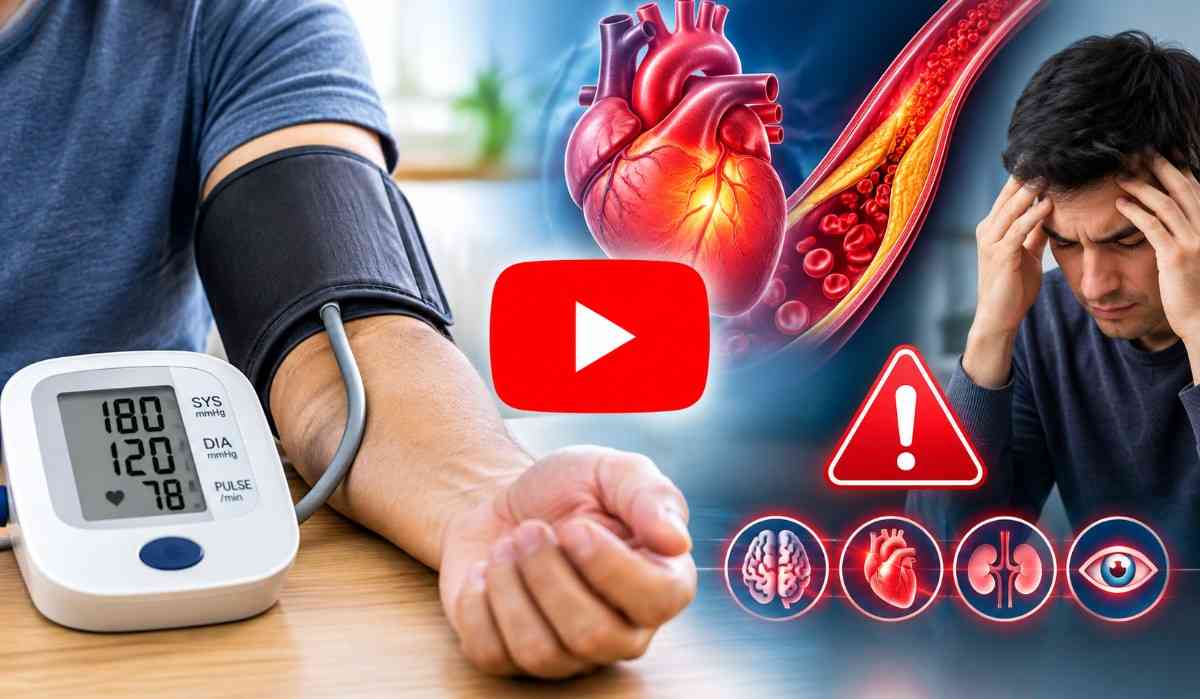
👉 DON’T TRY THIS “7 NATURAL WAYS TO LOWER BLOOD PRESSURE” UNTIL YOU SEE THIS
This guide explores seven natural ways to lower blood pressure, including heart-healthy foods, effective exercises, herbal remedies, scientific evidence, common mistakes, and essential safety precautions.
What Is High Blood Pressure and Why Does It Matter?
Blood pressure measures the force circulating blood exerts on artery walls. The systolic number represents pressure during heartbeats, while the diastolic number measures pressure between beats.
Persistent hypertension places additional strain on blood vessels and vital organs.
Under current American Heart Association classifications, blood pressure categories include:
| Category | Blood pressure |
| Normal | Below 120/80 mmHg |
| Elevated | 120–129 and below 80 |
| Stage 1 hypertension | 130–139 or 80–89 |
| Stage 2 hypertension | 140 or higher, or 90 or higher |
| Severely elevated | Above 180 and/or 120 |
A single elevated reading does not automatically establish hypertension. Diagnosis generally requires repeated, properly obtained measurements.
7 Natural Ways to Lower Blood Pressure at Home
1. Reduce Sodium to Lower Blood Pressure Naturally
Excess sodium encourages fluid retention, increasing blood volume and arterial pressure.
Reducing sodium is among the most effective dietary approaches for managing hypertension.
The American Heart Association recommends limiting sodium to 2,300 milligrams daily, with an ideal goal of 1,500 milligrams for many adults.
Practical tips include:
- Choose fresh vegetables instead of salty canned alternatives.
- Avoid processed meats and packaged snacks.
- Compare sodium amounts on nutrition labels.
- Season meals with herbs, garlic, and lemon.
Cutting back on restaurant meals and ultra-processed foods can substantially reduce daily sodium intake.
👉 DON’T TRY THIS “7 NATURAL WAYS TO LOWER BLOOD PRESSURE” UNTIL YOU SEE THIS
2. Eat Potassium-Rich Foods and Follow the DASH Diet
Potassium supports sodium regulation and helps blood vessels function normally.
The DASH diet (Dietary Approaches to Stop Hypertension) emphasizes fruits, vegetables, whole grains, legumes, nuts, and low-fat dairy.
Recommended foods include:
- Bananas, avocados, and oranges
- Spinach and leafy vegetables
- Beans, lentils, and sweet potatoes
- Oats, berries, and unsalted nuts
Research consistently supports DASH-style eating for lowering blood pressure.
Heart and Stroke Foundation of Canada+1
People with kidney disease or taking potassium-affecting medications should seek medical guidance before substantially increasing potassium intake.
3. Walk Daily and Practice Heart-Healthy Exercises
Regular physical activity strengthens the heart, improves circulation, and reduces vascular resistance.
Walking is one of the simplest exercises for naturally lowering blood pressure.
Aim for about 150 minutes of moderate aerobic activity each week.
Helpful activities include brisk walking, cycling, swimming, dancing, and appropriate resistance training.
Short walks after meals are gaining popularity because they make physical activity easier to incorporate into everyday routines.
However, exercise benefits develop through consistency rather than one intense workout.
4. Maintain a Healthy Weight Without Crash Dieting
Excess body fat can increase cardiovascular workload, inflammation, and insulin resistance.
Losing excess weight may reduce blood pressure and improve metabolic health.
Even modest, sustainable weight loss can provide meaningful benefits.
Focus on balanced meals, reasonable portions, regular movement, and consistent sleep schedules.
Avoid extreme fasting, detox teas, and unregulated weight-loss supplements promising immediate blood pressure reductions.
These approaches lack reliable evidence and may cause dehydration or dangerous medication interactions.
👉 DON’T TRY THIS “7 NATURAL WAYS TO LOWER BLOOD PRESSURE” UNTIL YOU SEE THIS
5. Improve Sleep Quality and Prevent Sleep Apnea
Poor sleep can increase sympathetic nervous system activity and interfere with healthy overnight blood pressure regulation.
Most adults should aim for seven to nine hours of sleep.
Maintain consistent bedtimes, reduce evening caffeine, and create a comfortable sleeping environment.
Obstructive sleep apnea is particularly important because repeated breathing interruptions contribute to hypertension.
Symptoms include loud snoring, nighttime gasping, and excessive daytime sleepiness.
Anyone experiencing these symptoms should consider professional sleep evaluation.
6. Practice Deep Breathing and Reduce Daily Stress
Stress triggers hormonal and nervous-system responses that temporarily increase heart rate and blood pressure.
Slow breathing, meditation, and mindfulness may support modest improvements in cardiovascular regulation.
Try a five-minute breathing routine:
- Sit comfortably with relaxed shoulders.
- Inhale slowly through the nose.
- Exhale gently without straining.
- Repeat at a comfortable rhythm.
Yoga, spending time outdoors, and maintaining social connections can also support stress management.
Breathing exercises cannot reliably replace prescribed hypertension treatment.
7. Limit Alcohol, Quit Smoking, and Manage Caffeine
Excessive alcohol consumption contributes to elevated blood pressure and cardiovascular disease.
Reducing alcohol intake may improve blood pressure, particularly among frequent drinkers.
Smoking damages blood vessels and increases cardiovascular risk. Quitting offers substantial long-term protection.
Caffeine may temporarily raise blood pressure in sensitive individuals.
Energy drinks and stimulant-containing supplements deserve particular caution because they may produce stronger cardiovascular effects.
👉 DON’T TRY THIS “7 NATURAL WAYS TO LOWER BLOOD PRESSURE” UNTIL YOU SEE THIS
Trending Natural Blood Pressure Remedies: Do They Really Work?
✔ Beetroot Juice for High Blood Pressure
Beetroot contains dietary nitrates that the body converts to nitric oxide, which helps relax blood vessels.
A 2024 systematic review found that beetroot juice may modestly reduce systolic blood pressure in people with hypertension, although evidence certainty was low.
PubMed
Beetroot juice is therefore a potential dietary addition, not a substitute for medical treatment.
✔ Garlic Water and Lemon Water
Garlic contains biologically active compounds that may influence vascular function.
Some clinical studies suggest garlic supplements could modestly reduce blood pressure, but preparation and dosage vary.
Lemon water supports hydration but has not shown reliable effects for treating hypertension.
Neither drink offers a scientifically established instant cure.
✔ Apple Cider Vinegar and Cold Shower Hacks
Apple cider vinegar frequently appears in viral hypertension remedies, yet convincing clinical evidence remains insufficient.
Cold showers may actually increase blood pressure temporarily through sudden blood vessel constriction.
People with uncontrolled hypertension should avoid treating these trends as medically proven solutions.
👉 DON’T TRY THIS “7 NATURAL WAYS TO LOWER BLOOD PRESSURE” UNTIL YOU SEE THIS
How to Lower Blood Pressure Naturally and Quickly
People searching for immediate blood pressure relief should understand that natural methods cannot reliably or safely correct dangerously elevated readings.
For mildly elevated readings, resting quietly, avoiding stimulants, and measuring correctly may help identify temporary increases.
Longer-term improvements require consistent dietary and lifestyle changes.
Never double medication doses or attempt aggressive home remedies without medical advice.
How Long Does It Take to Lower Blood Pressure Naturally?
Results depend on baseline blood pressure, lifestyle consistency, medications, and underlying conditions.
Some people see improvements within weeks of adopting the DASH diet or cutting sodium.
Exercise and weight management may require several weeks or months.
Regular home monitoring helps evaluate meaningful progress rather than temporary fluctuations.
Common Mistakes When Managing High Blood Pressure
Many people rely on isolated remedies while overlooking established cardiovascular recommendations.
Common mistakes include stopping medication on your own, taking excessive potassium supplements, ignoring hidden sodium, and using inaccurate monitoring devices.
Another misconception is that hypertension always produces headaches or dizziness.
High blood pressure often causes no symptoms, making routine measurements essential.
When Should You Seek Medical Attention?
Persistent readings of 130/80 mmHg or higher warrant discussion with a healthcare professional.
If blood pressure exceeds 180 systolic or 120 diastolic, repeat the measurement after one minute and seek prompt medical advice if it remains severely elevated.
Chest pain, breathlessness, weakness, vision changes, or difficulty speaking require emergency assistance.
Natural remedies should never delay urgent treatment.
Conclusion
The seven natural ways to lower blood pressure provide a practical foundation for healthier cardiovascular function.
Reducing sodium, eating nutritious foods, exercising, managing weight, sleeping well, reducing stress, and avoiding harmful substances offer established benefits.
Trending remedies such as beetroot juice may provide additional support, but no single drink or exercise guarantees normal blood pressure.
Consistent lifestyle improvements, accurate home monitoring, and appropriate medical care remain the most reliable strategies for long-term hypertension management.
👉 DON’T TRY THIS “7 NATURAL WAYS TO LOWER BLOOD PRESSURE” UNTIL YOU SEE THIS
References
- Wikipedia – Hypertension: https://en.wikipedia.org/wiki/Hypertension
- Healthline – 15 Natural Ways to Lower Blood Pressure: https://www.healthline.com/nutrition/15-ways-to-lower-blood-pressure
- PubMed – Effects of Beetroot Juice on Blood Pressure in Hypertension (2024): https://pubmed.ncbi.nlm.nih.gov/39069465/
About Us
