
Tretinoin Before and After Aging: Does It Work?
Tretinoin before-and-after aging results show that consistent use can improve fine lines, wrinkles, uneven skin tone, and sun-damaged skin.
This prescription vitamin A derivative is among the most extensively researched topical treatments for photoaging, with clinical evidence supporting improvements in skin texture and pigmentation.
However, tretinoin does not reverse aging overnight. Noticeable improvements often require three to six months, while continued treatment may deliver additional benefits over a year.
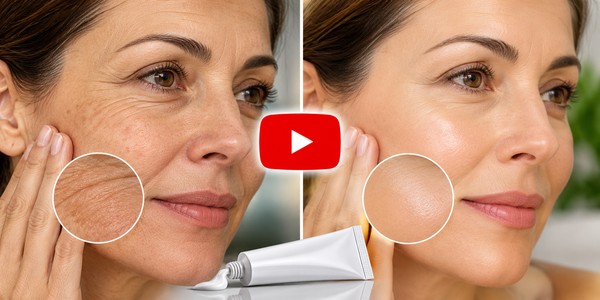
👉 DON’T TRY THIS “TRETINOIN BEFORE AND AFTER AGING” UNTIL YOU SEE THIS
Understanding how tretinoin works, realistic transformation timelines, viral skincare trends, and dermatologist-recommended application methods helps users achieve better results without unnecessary irritation.
What Is Tretinoin for Aging Skin?
Tretinoin, also called all-trans retinoic acid, is a prescription retinoid used to treat acne and certain visible signs of photoaging.
Unlike ordinary anti-aging moisturizers, tretinoin directly interacts with receptors in skin cells, influencing cellular renewal and collagen-related processes.
Aging skin naturally experiences slower renewal, collagen degradation, and accumulated ultraviolet damage. These changes contribute to wrinkles, discoloration, and rough texture.
Tretinoin helps improve these concerns by supporting epidermal renewal and collagen remodeling. Clinical research demonstrates improvements in fine wrinkles, mottled pigmentation, and photoaged skin.
Nevertheless, individual results depend on treatment strength, skin sensitivity, age, and sun exposure.
Tretinoin Before and After Aging: What Changes?
Before tretinoin treatment, aging skin may display fine wrinkles, forehead lines, dark spots, rough patches, and uneven pigmentation.
After several months of consistent use, some people notice smoother texture, fewer fine lines, and a more even complexion.
Five Realistic Anti-Aging Benefits
- Fine wrinkle improvement: Tretinoin may reduce the appearance of superficial facial wrinkles.
- Collagen support: Long-term treatment can improve collagen-related changes associated with photoaging.
- Smoother texture: Skin renewal may gradually reduce roughness.
- Reduced discoloration: Certain sun-related dark spots may become less noticeable.
- More even complexion: Consistent treatment can improve visible pigmentation irregularities.
Deep wrinkles, significant sagging, and facial volume loss generally respond less effectively to topical treatments.
👉 DON’T TRY THIS “TRETINOIN BEFORE AND AFTER AGING” UNTIL YOU SEE THIS
Tretinoin Before and After 1, 3, 6, and 12 Months
Realistic anti-aging results timeline
- Month 1 — Skin Adjustment
Dryness, peeling, redness, and temporary irritation may occur. Major wrinkle improvements are unlikely.
- Month 3 — Early Visible Results
Some users notice smoother skin, improved texture, and subtle reductions in fine lines.
- Month 6 — More Noticeable Changes
Fine wrinkles, uneven pigmentation, and roughness may improve more clearly.
- Month 12 — Long-Term Improvement
Continued use may support further improvements in photoaged skin, depending on tolerance and consistency.
These timelines are estimates, not guaranteed outcomes. Research suggests improvements can begin earlier in some patients and continue during extended treatment.
Does Tretinoin Really Reduce Wrinkles?
Yes. Clinical studies support topical tretinoin for reducing certain visible signs of photoaging, especially fine wrinkles and uneven pigmentation.
Tretinoin influences collagen metabolism and epidermal renewal, helping improve the skin’s appearance over time.
However, it can’t eliminate deep expression lines or replace procedures for substantial facial volume loss.
Its greatest advantage is gradual, evidence-supported improvement rather than dramatic overnight transformation.
Best Tretinoin Strength for Anti-Aging
Tretinoin commonly comes in concentrations such as 0.025%, 0.05%, and 0.1%.
| Strength | Typical consideration |
| 0.025% | Often considered when introducing treatment |
| 0.05% | May suit established users with adequate tolerance |
| 0.1% | Greater irritation potential; not automatically more effective |
A clinical comparison found similar photoaging improvements with 0.025% and 0.1% tretinoin, despite the higher concentration causing more irritation.
Choosing the right strength with a dermatologist matters more than picking the strongest available formula.
👉 DON’T TRY THIS “TRETINOIN BEFORE AND AFTER AGING” UNTIL YOU SEE THIS
Trending Tretinoin Anti-Aging Hacks: Do They Work?
Social media skincare trends increasingly focus on maximizing tretinoin results while minimizing irritation. However, popularity doesn’t prove scientific effectiveness.
1. Tretinoin Sandwich Method
The moisturizer sandwich technique involves applying moisturizer before and after tretinoin.
This approach may improve comfort for sensitive skin, although evidence demonstrating superior wrinkle reduction remains limited.
2. Skin Cycling With Tretinoin
Skin cycling alternates nights of tretinoin application with recovery nights.
It may help beginners tolerate treatment, but no specific viral schedule has been proven superior for reversing photoaging.
3. Tretinoin and Hyaluronic Acid
Hyaluronic acid moisturizers can help reduce dryness and improve skin hydration.
They complement tretinoin’s effects on aging skin without replacing its established anti-aging activity.
4. Tretinoin Slugging Hack
Slugging involves covering skincare products with an occlusive moisturizer.
Applying heavy occlusives directly over tretinoin may increase irritation. Consult your dermatologist before combining these techniques.
How to Use Tretinoin for Maximum Anti-Aging Benefits
A gentle routine supports consistent treatment and minimizes unnecessary irritation.
- Cleanse: Wash your face with a gentle cleanser and allow your skin to dry completely.
- Apply tretinoin: Use about a pea-sized amount for the entire face, following your prescription instructions.
- Moisturize: Apply a fragrance-free moisturizer to support skin hydration.
Beginners may benefit from applying less frequently at first, then gradually increasing frequency based on professional guidance.
Daily broad-spectrum SPF 30 or higher is essential because ultraviolet exposure contributes significantly to premature skin aging.
👉 DON’T TRY THIS “TRETINOIN BEFORE AND AFTER AGING” UNTIL YOU SEE THIS
Tretinoin for Aging Skin Over 40, 50, and 60
Tretinoin can improve visible photoaging across different adult age groups.
People in their forties may seek improvements in early wrinkles, discoloration, and rough texture.
Individuals over fifty may notice benefits in fine lines and sun-related pigmentation, although deeper wrinkles and skin laxity generally require additional approaches.
Older adults should prioritize gentle formulations, appropriate moisturizing, and personalized treatment schedules.
Age alone does not determine whether tretinoin will be effective.
Tretinoin Versus Retinol: Which Is Better for Aging?
Tretinoin is an active retinoic acid medication, whereas retinol requires conversion within the skin.
Both may improve visible aging, but tretinoin has extensive clinical research supporting its effectiveness for photoaging.
Retinol is generally available without a prescription and may offer a gentler starting option.
The best choice depends on your skin sensitivity, treatment goals, and your professional’s recommendations.
Common Mistakes That Can Ruin Tretinoin Results
Avoiding common mistakes helps keep your skin comfortable and your treatment consistent.
- Using too much to speed up wrinkle reduction.
- Using strong exfoliating acids immediately.
- Skipping sunscreen during daytime activities.
- Applying tretinoin to irritated or damaged skin.
- Increasing concentration without medical guidance.
- Expecting visible transformation within days.
- Ignoring persistent burning, swelling, or peeling.
Consistent, tolerable application generally matters more than aggressive skincare routines.
Tretinoin Side Effects and Important Safety Information
Common side effects include dryness, redness, peeling, irritation, and increased skin sensitivity.
These reactions often improve as skin adjusts, but persistent or severe symptoms require professional evaluation.
Avoid tretinoin during pregnancy or when planning pregnancy. Breastfeeding individuals should consult their healthcare professional.
People with eczema, rosacea, or compromised skin barriers should seek dermatological advice before starting treatment.
Conclusion: Are Tretinoin Before-and-After Aging Results Worth It?
Tretinoin before-and-after aging results show that this prescription retinoid can improve fine wrinkles, uneven pigmentation, and rough skin texture.
Meaningful improvements typically take several months, and continued treatment may offer additional benefits.
However, higher concentrations and viral skincare hacks do not guarantee faster results.
The best approach combines appropriate tretinoin use, gentle moisturizing, daily sunscreen, realistic expectations, and dermatologist guidance.
👉 DON’T TRY THIS “TRETINOIN BEFORE AND AFTER AGING” UNTIL YOU SEE THIS
References
- Wikipedia – Tretinoin: Overview of tretinoin, medical applications, pharmacology, and precautions.
https://en.wikipedia.org/wiki/Tretinoin
- Healthline – Tretinoin Cream: Benefits, Uses, and Side Effects: Explains how tretinoin affects wrinkles, sun damage, and skin health.
https://www.healthline.com/health/skin/tretinoin
- PubMed – Topical Tretinoin for Treating Photoaging: A Systematic Review: Reviews randomized clinical evidence concerning photoaged skin.
https://pubmed.ncbi.nlm.nih.gov/35620028/
About Us
