
Mucus in Lungs Won’t Go Away? Causes & How to Clear It
If mucus in your lungs won’t go away, possible causes include lingering respiratory infections, chronic bronchitis, asthma, COPD, bronchiectasis, or irritation from smoking and air pollution.
Persistent chest congestion may also result from conditions that increase mucus production or make it difficult for the lungs to clear secretions naturally.
Mucus plays an essential role in respiratory health by trapping dust, bacteria, and airborne particles. However, excessive or unusually thick mucus can cause a persistent wet cough, chest congestion, wheezing, and breathing discomfort.
Many people search for ways to clear mucus from the lungs naturally, especially when coughing up phlegm continues for several weeks.
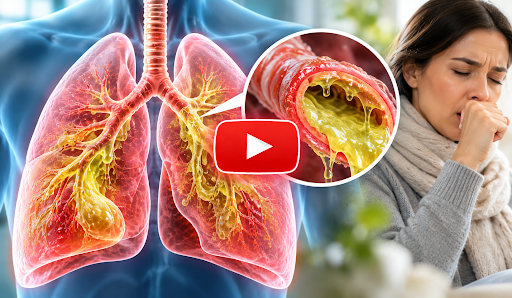
👉 DON’T TRY THIS “MUCUS IN LUNGS WONT’GO AWAY” UNTIL YOU SEE THIS
Understanding why mucus in the lungs won’t go away, common causes, symptoms, natural remedies, medical treatments, scientific evidence, and safety precautions is essential for better respiratory health.
What Does It Mean When Mucus in Your Lungs Won’t Go Away?
Persistent mucus in the lungs happens when the respiratory system produces more secretions than usual or can’t remove them effectively.
The airways naturally produce mucus to protect delicate lung tissue. Tiny hair-like structures called cilia move mucus upward, allowing the body to cough it out or swallow it.
When inflammation, infection, or chronic respiratory disease disrupts this process, mucus can build up and become hard to clear.
Common symptoms include:
-
Persistent coughing with mucus or phlegm
-
Thick mucus that feels stuck in the chest
-
Frequent throat clearing
-
Wheezing or noisy breathing
-
Chest tightness or congestion
-
Shortness of breath during activity
-
Increased coughing after waking up
Occasional mucus production is normal. However, coughing up phlegm daily for several weeks deserves attention, particularly when symptoms are worsening.
Why Does Mucus Stay in the Lungs? 8 Common Causes
Understanding the underlying cause is important because different respiratory conditions require different treatments.
1. Lingering Respiratory Infections
Respiratory infections such as colds, influenza, and acute bronchitis can temporarily increase mucus production.
Even after the infection improves, airway inflammation may continue, causing coughing and phlegm for several weeks.
2. Chronic Bronchitis
Chronic bronchitis causes long-term airway inflammation and excessive mucus production.
People may experience a productive cough, morning phlegm, wheezing, and recurring chest congestion.
3. Chronic Obstructive Pulmonary Disease (COPD)
COPD is a long-term respiratory condition that restricts airflow and can make mucus clearance difficult.
Common symptoms include:
-
Daily mucus production
-
Persistent cough
-
Wheezing
-
Shortness of breath
-
Frequent respiratory infections
COPD-related mucus often requires a combination of medical treatment, smoking cessation, and individualized airway clearance strategies.
4. Asthma and Airway Inflammation
Asthma can cause inflamed, sensitive airways that produce excess mucus. Exposure to allergens, cold air, exercise, or respiratory infections may trigger coughing and chest tightness.
Some people experience cough-predominant asthma without obvious wheezing. Appropriate asthma treatment can reduce inflammation and improve symptoms.
👉 DON’T TRY THIS “MUCUS IN LUNGS WONT’GO AWAY” UNTIL YOU SEE THIS
5. Bronchiectasis
Bronchiectasis involves permanent widening and damage to certain airways, making it harder to clear mucus.
People with bronchiectasis may benefit from specialized airway clearance techniques and treatment directed at underlying infections.
6. Smoking and Vaping
Cigarette smoke damages airway cilia and stimulates mucus production. As mucus clearance becomes less effective, thick secretions may accumulate and cause a chronic productive cough.
Vaping aerosols can also irritate respiratory tissues. Avoiding smoke and inhaled irritants is an important step toward improving respiratory health.
7. Allergies and Postnasal Drip
Allergies can increase mucus production in the nose and sinuses. When mucus drains down the back of the throat, it may create the sensation of phlegm being stuck in the chest.
However, postnasal drip does not necessarily mean mucus is accumulating inside the lungs. Treating nasal allergies or sinus inflammation may reduce coughing and throat clearing.
8. Acid Reflux and GERD
Gastroesophageal reflux disease can contribute to chronic coughing and throat irritation. Some people experience reflux-related cough without typical heartburn.
Although reflux does not always increase lung mucus directly, it can cause symptoms that resemble persistent chest congestion.
How to Get Rid of Mucus in the Lungs Naturally
Several supportive approaches can help loosen mucus and make coughing more productive. However, home remedies cannot cure every underlying respiratory condition.
1. Drink Enough Water
Adequate hydration helps maintain normal mucus consistency and supports respiratory function. Water, warm beverages, and broth can contribute to daily fluid intake.
2. Use a Clean Humidifier
Dry indoor air may irritate the respiratory tract and make coughing uncomfortable. Aim for approximately 30–50% indoor humidity and clean the device according to manufacturer instructions.
3. Practice Controlled Coughing
Controlled coughing can help move mucus from the airways without repeated forceful coughing.
Try these steps:
-
Sit upright and relax your shoulders.
-
Take a slow, comfortable breath.
-
Hold briefly without straining.
-
Exhale firmly through an open mouth, making a gentle “huff” sound.
-
Cough when mucus moves toward the upper airways.
Stop if the technique causes dizziness, chest pain, or significant breathlessness.
4. Try Gentle Physical Activity
Light walking may help some people mobilize airway secretions and improve breathing efficiency. Regular physical activity also supports cardiovascular and respiratory fitness.
5. Avoid Cigarette Smoke and Pollutants
Smoke, dust, chemical fumes, and strong fragrances can irritate the airways. Reducing exposure may help prevent additional mucus production.
6. Consider Saline Nasal Rinsing
When throat mucus originates from postnasal drip, saline nasal irrigation may provide relief. Use distilled, sterile, or previously boiled and cooled water for nasal rinsing.
7. Ask About Airway Clearance Therapy
People with chronic respiratory conditions may benefit from professional airway clearance instruction. A respiratory therapist can teach breathing exercises, huff coughing, and techniques using specialized devices.

👉 DON’T TRY THIS “MUCUS IN LUNGS WONT’GO AWAY” UNTIL YOU SEE THIS
What Does the Color of Lung Mucus Mean?
Mucus appearance may provide useful clues, but color alone cannot reliably identify an infection or determine whether antibiotics are needed.
| Mucus color | Possible explanation |
|---|---|
| Clear | Normal secretions, allergies, or viral irritation |
| White | Thickened mucus or airway inflammation |
| Yellow | Immune response during inflammation or infection |
| Green | Inflammatory cells and enzymes; not necessarily bacterial infection |
| Brown | Inhaled particles, smoke exposure, or old blood |
| Pink or red | Possible blood; requires medical assessment |
Persistent bloody mucus should not be ignored. Coughing up significant blood, particularly with breathing difficulty or chest pain, requires emergency care.
Why Is Thick Mucus So Hard to Cough Up?
Thick, sticky mucus can be difficult to remove because its consistency interferes with normal airway clearance.
Inflammation, dehydration, impaired cilia, and chronic respiratory diseases may contribute to mucus retention.
Repeated forceful coughing can irritate the throat and exhaust respiratory muscles without effectively removing deeper secretions.
The best approach depends on whether the problem involves excessive mucus production, impaired clearance, or an underlying infection.
Medical Treatments for Persistent Mucus in the Lungs
If home measures are ineffective, a healthcare professional may recommend treatment based on the underlying diagnosis.
Expectorants and Mucus-Thinning Medicines
- Guaifenesin is an over-the-counter expectorant that may help loosen mucus associated with chest congestion.
- Certain prescription mucus-modifying treatments may be appropriate for specific respiratory diseases.
Bronchodilators
- Bronchodilators help open narrowed airways in conditions such as asthma and COPD.
- They may improve airflow and make breathing easier, although they do not directly eliminate the underlying cause of excessive mucus.
Antibiotics
- Antibiotics may be necessary when a bacterial infection is diagnosed or strongly suspected. However, yellow or green mucus alone does not prove that antibiotics are needed.
- Most uncomplicated acute bronchitis cases are viral and do not benefit from routine antibiotic treatment.
Pulmonary Rehabilitation
- Pulmonary rehabilitation combines supervised exercise, breathing education, and symptom management.
- It may improve daily functioning and quality of life for people with chronic lung conditions.
How Long Does It Take for Mucus to Clear From the Lungs?
The recovery timeline depends on the cause.
| Condition | Possible duration |
|---|---|
| Common cold | Often improves within 1–2 weeks |
| Acute bronchitis | Cough may continue for around 3 weeks |
| Postinfectious cough | May last 3–8 weeks |
| Asthma | Symptoms may recur without adequate control |
| Chronic bronchitis | Can persist for months or longer |
| Bronchiectasis | Often requires ongoing mucus management |
Symptoms lasting eight weeks or longer in adults are generally considered chronic coughing and warrant further investigation.
👉 DON’T TRY THIS “MUCUS IN LUNGS WONT’GO AWAY” UNTIL YOU SEE THIS
When Should You See a Doctor for Persistent Lung Mucus?
Persistent mucus should not be ignored when accompanied by symptoms suggesting infection, airway obstruction, or another respiratory condition.
Seek medical assessment if you experience:
-
A productive cough lasting more than three weeks
-
Repeated episodes of chest congestion
-
Persistent wheezing or breathlessness
-
Fever that persists or returns
-
Unexplained weight loss or night sweats
-
Blood-streaked phlegm
-
Symptoms that worsen despite appropriate care
A healthcare professional may recommend spirometry, chest imaging, sputum testing, or other investigations depending on the symptoms.
Common Myths About Clearing Mucus From the Lungs
Myth: Green Mucus Always Means a Bacterial Infection
Green mucus can occur with viral infections and inflammatory conditions. Color alone cannot establish the cause.
Myth: Steam Instantly Removes Deep Lung Mucus
Warm, humid air may temporarily soothe irritated airways, but inhaling steam does not reliably clear deep lung secretions.
Myth: Herbal Drinks Can Completely Clean the Lungs
Some warm drinks may soothe the throat and support hydration. However, there is insufficient evidence that herbal mixtures, detox teas, or viral lung-cleansing recipes remove chronic mucus or repair damaged lung tissue.
Myth: Persistent Mucus Is Always Harmless
Long-lasting phlegm can occasionally indicate chronic lung disease, recurrent infection, or another condition requiring medical care.
Conclusion
When mucus in the lungs won’t go away, identifying the underlying cause is more important than simply trying to suppress coughing.
Persistent chest congestion may develop after respiratory infections or result from asthma, chronic bronchitis, COPD, bronchiectasis, smoking, or environmental irritation.
Supportive measures such as proper hydration, avoiding smoke, maintaining comfortable indoor humidity, and using appropriate airway clearance techniques may help manage thick phlegm.
If mucus production continues for more than three weeks, becomes progressively worse, or occurs with breathing difficulties, consult a healthcare professional.
Early diagnosis and appropriate treatment can help protect respiratory health and improve long-term symptom control.
👉 DON’T TRY THIS “MUCUS IN LUNGS WONT’GO AWAY” UNTIL YOU SEE THIS
References
https://en.wikipedia.org/wiki/Mucus
https://www.healthline.com/health/coughing-up-phlegm
https://pubmed.ncbi.nlm.nih.gov/41836031/
About Us
