
Foods Rich in B12: Best Sources, Benefits & Daily Intake
Vitamin B12 is an essential nutrient that supports red blood cell production, nerve health, brain function, and DNA synthesis. Eating foods rich in B12 is one of the most effective ways to maintain healthy vitamin levels and support overall well-being.
Some of the best vitamin B12 food sources include clams, beef liver, salmon, sardines, tuna, beef, eggs, milk, yogurt, and fortified breakfast cereals.
These foods provide different amounts of vitamin B12, making it possible to meet daily nutritional requirements through a balanced diet.
However, not all foods contain vitamin B12 naturally. Individuals following vegetarian or vegan diets, older adults, and people with certain digestive conditions may need additional attention to their B12 intake.
👉 DON’T TRY THIS “FOOD RICH IN B12?” UNTIL YOU SEE THIS
This guide explores the best foods rich in B12, their nutritional benefits, recommended daily intake, signs of deficiency, and practical ways to maintain healthy vitamin B12 levels through a balanced diet.
What Is Vitamin B12, and Why Does Your Body Need It?
Vitamin B12, also called cobalamin, is a water-soluble vitamin essential for several biological functions.
Unlike certain nutrients that the body can produce, vitamin B12 must come from dietary sources or supplements.
The body stores substantial amounts of vitamin B12, primarily in the liver. However, consistently inadequate intake or poor absorption can eventually lead to deficiency.
Vitamin B12 supports several important functions:
-
Red blood cell formation: Helps produce healthy red blood cells and prevent megaloblastic anemia.
-
Nervous system health: Supports the maintenance of myelin, the protective covering surrounding nerves.
-
Brain function: Contributes to normal neurological functioning and cognitive health.
-
DNA synthesis: Plays an essential role in producing genetic material.
-
Energy metabolism: Helps the body process nutrients involved in energy production.
-
Cellular health: Supports normal cell growth and division.
Adequate vitamin B12 intake helps maintain these essential processes throughout life.
👉 DON’T TRY THIS “FOOD RICH IN B12?” UNTIL YOU SEE THIS
Top 15 Foods Rich in Vitamin B12
Vitamin B12 occurs naturally in animal-derived foods, while certain plant-based products contain added B12 through fortification.
The following foods are among the most useful dietary sources.
1. Beef Liver
Beef liver is one of the most concentrated natural sources of vitamin B12. A 3-ounce serving can provide approximately 70 micrograms of B12, substantially exceeding the recommended daily intake for adults.
It also contains iron, copper, protein, and vitamin A. Because liver is extremely high in preformed vitamin A, it should be eaten in moderation, particularly during pregnancy.
2. Clams
Clams are exceptionally rich in vitamin B12. Three ounces of cooked clams can provide around 84 micrograms, depending on the species and preparation method.
They also contain protein, iron, and selenium. Clams can be enjoyed steamed, in seafood soups, or with whole-grain pasta.
3. Salmon
Salmon is an excellent source of vitamin B12 and omega-3 fatty acids. A 3-ounce cooked serving typically provides approximately 2.6 micrograms of B12.
Its omega-3 fatty acids also contribute to cardiovascular health. Baked or grilled salmon makes a nutritious addition to balanced meals.
4. Sardines
Sardines provide vitamin B12, protein, and omega-3 fatty acids. A 3-ounce serving can supply approximately 7.6 micrograms of vitamin B12.
Canned sardines are convenient and can be added to salads, sandwiches, and whole-grain toast. Sardines containing edible bones also provide calcium.
5. Tuna
Tuna is another valuable vitamin B12 food source. Three ounces of cooked tuna may provide around 2.5 micrograms or more, depending on the variety.
It also supplies lean protein and selenium. Choosing lower-mercury tuna varieties, such as canned light tuna, is especially important for pregnant individuals.
6. Beef
Beef naturally contains vitamin B12, iron, zinc, and high-quality protein. A 3-ounce serving of cooked ground beef may provide approximately 2.4 micrograms of B12.
Lean beef cuts can be incorporated into meals alongside vegetables, legumes, and whole grains.
7. Milk
Milk is an accessible source of vitamin B12 for people who consume dairy products. One cup generally provides approximately 1.3 micrograms.
Milk also contains calcium, protein, and other essential nutrients. It can be consumed directly or added to oatmeal and breakfast cereals.
8. Yogurt
Plain yogurt provides vitamin B12, protein, and calcium. The amount varies by product, with many varieties supplying around 1 microgram per cup.
Yogurt can be paired with berries, nuts, and seeds for a nutrient-dense breakfast or snack.
9. Eggs
Eggs provide vitamin B12, primarily in the yolk. One large cooked egg contains approximately 0.5 micrograms.
Eggs also supply choline, protein, and several essential vitamins. Boiled eggs, omelets, and scrambled eggs are convenient options.
10. Cheese
Certain cheeses, including Swiss cheese, contain useful amounts of vitamin B12. One ounce of Swiss cheese may provide approximately 0.9 micrograms.
Cheese also supplies calcium and protein, although sodium and saturated fat content vary considerably.
11. Trout
Rainbow trout is rich in vitamin B12 and beneficial fatty acids. A 3-ounce cooked serving can provide approximately 5.4 micrograms.
Trout is a nutritious alternative to salmon and can be prepared by baking, grilling, or steaming.
👉 DON’T TRY THIS “FOOD RICH IN B12?” UNTIL YOU SEE THIS
12. Chicken
Chicken contains smaller amounts of vitamin B12 compared with fish, beef, and organ meats.
Nevertheless, it provides protein and contributes to overall nutrient intake. Combining chicken with dairy products or fortified foods can help improve daily B12 consumption.
13. Turkey
Turkey provides vitamin B12, lean protein, and several B vitamins. Its B12 content varies by cut and preparation.
Roasted turkey breast is a practical option for sandwiches, salads, and protein-rich meals.
14. Fortified Breakfast Cereals
Fortified cereals are especially useful for vegetarians and vegans because vitamin B12 is added during manufacturing.
Some cereals provide 100% or more of the adult daily value per serving. Always check the nutrition label because fortification levels differ between brands.
15. Fortified Nutritional Yeast
Fortified nutritional yeast offers a plant-based way to obtain vitamin B12.
Depending on the brand, a small serving may provide several micrograms of B12. It has a savory, cheese-like flavor and can be sprinkled over pasta, vegetables, and soups.
Vitamin B12 Foods Chart: Nutritional Comparison
The following table compares common foods rich in vitamin B12 and their approximate nutritional values.
| Food | Serving Size | Vitamin B12 |
|---|---|---|
| Clams | 3 oz cooked | 84.1 mcg |
| Beef liver | 3 oz cooked | 70.7 mcg |
| Sardines | 3 oz | 7.6 mcg |
| Rainbow trout | 3 oz cooked | 5.4 mcg |
| Salmon | 3 oz cooked | 2.6 mcg |
| Tuna | 3 oz | 2.5 mcg |
| Ground beef | 3 oz cooked | 2.4 mcg |
| Milk | 1 cup | 1.3 mcg |
| Yogurt | 1 cup | Approximately 1 mcg |
| Swiss cheese | 1 oz | 0.9 mcg |
| Egg | 1 large | 0.5–0.6 mcg |
| Chicken breast | 3 oz cooked | 0.3 mcg |
Values are approximate and vary by species, brand, preparation, and serving size. Fortified products are excluded because their B12 content varies widely.
Best Vitamin B12 Foods for Vegetarians and Vegans
People following vegetarian or vegan diets may find it challenging to obtain sufficient vitamin B12 because naturally occurring B12 is concentrated in animal-derived foods.
Vegetarians who consume dairy and eggs can obtain B12 from milk, yogurt, cheese, and eggs. However, these foods may not always provide enough B12 without careful meal planning.
For vegans, reliable dietary sources include:
-
Fortified plant-based milk: Certain soy, almond, and oat milks contain added vitamin B12.
-
Fortified nutritional yeast: Provides B12 when specifically enriched.
-
Fortified breakfast cereals: Convenient options with clearly labeled B12 content.
-
Fortified meat alternatives: Some plant-based burgers and meat substitutes contain added B12.
Spinach, bananas, almonds, and other ordinary plant foods are not reliable natural sources of vitamin B12. Vegans should regularly consume adequate fortified foods or use an appropriate B12 supplement.
How Much Vitamin B12 Do You Need Daily?
The recommended daily allowance of vitamin B12 depends on age and physiological needs.
| Age Group | Daily Vitamin B12 Requirement |
|---|---|
| Infants, 0–6 months | 0.4 mcg |
| Infants, 7–12 months | 0.5 mcg |
| Children, 1–3 years | 0.9 mcg |
| Children, 4–8 years | 1.2 mcg |
| Children, 9–13 years | 1.8 mcg |
| Teenagers, 14–18 years | 2.4 mcg |
| Adults, 19+ years | 2.4 mcg |
| Pregnant adults | 2.6 mcg |
| Breastfeeding adults | 2.8 mcg |
Most healthy adults can meet their daily vitamin B12 requirements through balanced meals containing animal products or fortified foods.
Adults over 50 may benefit from obtaining much of their B12 through fortified foods or supplements because age-related changes can reduce absorption of naturally occurring food-bound B12.
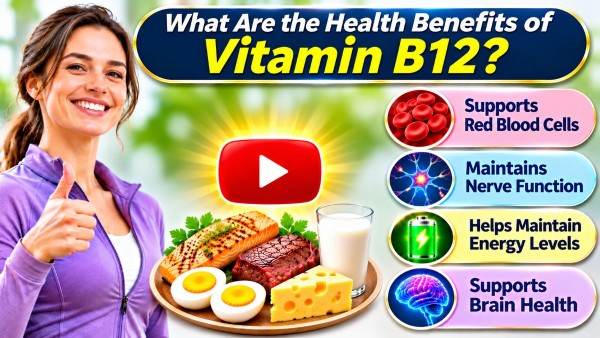
👉 DON’T TRY THIS “FOOD RICH IN B12?” UNTIL YOU SEE THIS
What Are the Health Benefits of Vitamin B12-Rich Foods?
Supports Healthy Red Blood Cells
Vitamin B12 is essential for normal red blood cell formation. Inadequate B12 can cause megaloblastic anemia, in which red blood cells become abnormally large and function inefficiently.
Maintains Nerve Function
B12 contributes to healthy nerve tissue and the maintenance of myelin. Prolonged deficiency may lead to tingling, numbness, balance difficulties, and other neurological symptoms.
Helps Maintain Normal Energy Metabolism
Vitamin B12 participates in processes that help the body use nutrients for energy. Correcting a deficiency may improve fatigue associated with low B12 levels, although extra B12 does not necessarily boost energy in people with adequate levels.
Supports Brain and Cognitive Health
Adequate vitamin B12 is important for neurological functioning. Severe deficiency may contribute to memory difficulties, confusion, and cognitive changes.
Signs and Symptoms of Vitamin B12 Deficiency
Vitamin B12 deficiency can develop gradually, and early symptoms may be difficult to recognize.
Common warning signs include:
-
Persistent tiredness or weakness
-
Pale skin
-
Tingling or numbness in the hands and feet
-
Difficulty concentrating
-
Memory problems
-
Balance difficulties
-
Sore or inflamed tongue
-
Shortness of breath associated with anemia
-
Mood changes
These symptoms can also occur with other medical conditions. A healthcare professional may recommend blood tests to assess vitamin B12 status and identify the underlying cause.
Neurological damage can sometimes become permanent if a significant deficiency remains untreated.
Who Is at Higher Risk of Vitamin B12 Deficiency?
Certain individuals require particular attention to vitamin B12 intake and absorption.
Older adults: Reduced stomach acid and other digestive changes may interfere with the release of vitamin B12 from food.
Vegans and some vegetarians: Limited consumption of animal-derived foods increases the risk of inadequate intake.
People with pernicious anemia: This autoimmune condition interferes with intrinsic factor, a protein necessary for normal B12 absorption.
People with digestive disorders: Crohn’s disease, celiac disease, and certain gastrointestinal surgeries can affect nutrient absorption.
People taking certain medications: Long-term use of metformin or acid-reducing medications may contribute to low vitamin B12 levels.
For these groups, eating B12-rich foods may not always be sufficient. Medical evaluation can help determine whether supplementation or injections are appropriate.
👉 DON’T TRY THIS “FOOD RICH IN B12?” UNTIL YOU SEE THIS
How to Add More Vitamin B12 to Your Daily Diet
Maintaining adequate vitamin B12 intake does not require complicated meal planning. Small dietary adjustments can help improve overall nutritional balance.
For breakfast, consider eggs with whole-grain toast, yogurt with fruit, or fortified breakfast cereal served with milk.
Lunch options include tuna sandwiches, salmon salads, or meals containing fortified plant-based protein products.
For dinner, choose baked trout, lean beef, sardines, or other vitamin B12-rich protein sources alongside vegetables and whole grains.
People avoiding animal products should check nutrition labels regularly and ensure that their fortified foods provide consistent amounts of vitamin B12.
Can You Get Too Much Vitamin B12 From Food?
Vitamin B12 has low toxicity, and no tolerable upper intake level has been established for healthy individuals.
Consuming foods naturally rich in B12 generally does not cause vitamin B12 toxicity. However, extremely high-dose supplements are not necessary for everyone.
Additionally, foods containing B12 may have other nutritional considerations. For example, liver contains large amounts of preformed vitamin A, while some seafood varieties contain mercury.
A varied diet is preferable to relying excessively on a single food.
Conclusion
Eating foods rich in B12 is an important part of maintaining healthy red blood cells, supporting nerve function, and meeting essential nutritional requirements.
Clams, beef liver, salmon, sardines, trout, tuna, dairy products, and eggs are valuable natural sources of vitamin B12. Fortified cereals, plant-based milks, and nutritional yeast provide important alternatives for individuals following vegetarian or vegan diets.
Most adults require approximately 2.4 micrograms of vitamin B12 daily, although requirements increase during pregnancy and breastfeeding.
Choosing a varied diet, understanding food labels, and recognizing possible deficiency symptoms can help support long-term nutritional health. Individuals at risk of poor absorption should seek professional guidance because dietary changes alone may not fully correct a deficiency.
👉 DON’T TRY THIS “FOOD RICH IN B12?” UNTIL YOU SEE THIS
References
https://en.wikipedia.org/wiki/Vitamin_B12
https://www.healthline.com/nutrition/vitamin-b12-foods
https://www.webmd.com/diet/foods-high-in-vitamin-b12
.
About Us
