
Can Prostate Issues Cause ED? Facts and Treatment
Prostate issues can contribute to erectile dysfunction (ED), but the relationship depends on the underlying condition, its severity, and the treatment involved.
Prostate enlargement, inflammation, prostate cancer, and certain prostate treatments may affect sexual function in different ways.
However, not every man with a prostate problem develops ED, and erectile difficulties do not automatically indicate prostate disease.
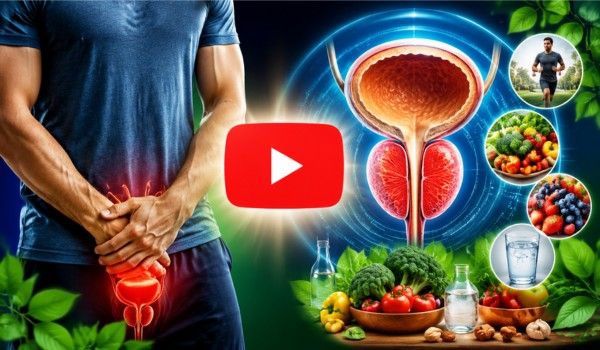

Understanding the connection between prostate health and erections can help men identify possible causes, avoid misleading online remedies, and seek appropriate treatment.
The good news is that many causes of ED are treatable, especially when the underlying problem is identified early.
How Are Prostate Problems and Erectile Dysfunction Connected?
The prostate is a small gland below the bladder that surrounds part of the urethra, the tube that carries urine out of the body. It produces fluid that contributes to semen.
An erection involves the brain, nerves, blood vessels, hormones, and psychological factors.
The prostate is not responsible for producing an erection directly, but certain prostate conditions and their treatments can affect the systems involved in sexual function.
There are several possible connections:
- Inflammation: Prostate inflammation may cause pelvic discomfort, painful ejaculation, and reduced sexual confidence.
- Urinary symptoms: Frequent urination, urgency, and nighttime bathroom trips can disrupt sleep and affect sexual well-being.
- Nerve or blood vessel effects: Certain prostate surgeries and underlying health conditions can affect the nerves or circulation needed for erections.
- Psychological stress: Worry about urinary symptoms, sexual performance, or a prostate diagnosis may contribute to ED.
- Medication effects: Some medicines used for prostate symptoms or other health conditions can affect sexual function.
The important distinction is that prostate problems and ED can occur together without one necessarily being the direct cause of the other.
 DON’T TRY THIS “PROSTATE ISSUES CAUSE ED” UNTIL YOU SEE THIS
Which Prostate Problems Can Cause Erectile Dysfunction?
1. Benign Prostatic Hyperplasia (BPH)
Benign prostatic hyperplasia, or BPH, is a noncancerous enlargement of the prostate that becomes more common with age. It can press against the urethra and interfere with normal urination.
Common symptoms include:
- A weak or interrupted urine stream
- Difficulty starting urination
- Frequent urination, particularly at night
- A feeling that the bladder has not emptied completely
- Urgent or frequent bathroom visits
Can an enlarged prostate cause ED?
BPH and ED frequently occur in the same age groups. Research has found an association between lower urinary tract symptoms and erectile difficulties, but an enlarged prostate does not necessarily cause ED directly.
Age, diabetes, high blood pressure, obesity, vascular disease, sleep problems, and medication use may contribute to both conditions. Severe urinary symptoms can also affect sleep, comfort, and sexual confidence.
Treating BPH may improve urinary symptoms and overall quality of life, but it does not guarantee improved erections.
2. Prostatitis (Prostate Inflammation)
Prostatitis refers to inflammation or a group of conditions involving the prostate. Some cases are caused by bacterial infection, while chronic prostatitis or chronic pelvic pain syndrome may occur without an identifiable bacterial infection.
Possible symptoms include:
- Pain in the pelvis, lower abdomen, groin, or perineum
- Pain during or after ejaculation
- Discomfort while urinating
- Urinary urgency or frequency
- Sexual difficulties, including ED in some men
How does prostatitis affect erections?
Pain and inflammation can interfere with sexual activity and reduce sexual desire. Pelvic floor muscle tension, anxiety, and persistent discomfort may also contribute to erectile difficulties.
Not all prostatitis causes ED, and not all cases require antibiotics. Antibiotics are appropriate for bacterial infections when indicated, but they are not a universal treatment for chronic pelvic pain syndrome.
A healthcare professional can determine whether infection, pelvic floor dysfunction, or another condition may be responsible.
3. Prostate Cancer
Prostate cancer does not always cause noticeable symptoms in its early stages. When symptoms occur, they may overlap with those of other prostate conditions.
The relationship between prostate cancer and ED is complex. Cancer itself, other health conditions, emotional stress, and especially some cancer treatments can affect sexual function.
Treatments that may contribute to ED include:
- Radical prostatectomy: Surgery to remove the prostate can affect nearby nerves and blood vessels involved in erections.
- Radiation therapy: Erectile function may decline during recovery or over time after treatment.
- Hormone therapy: Treatments that reduce testosterone can lower sexual desire and may contribute to erectile difficulties.
The extent of sexual changes depends on factors such as age, erectile function before treatment, cancer characteristics, treatment type, and nerve preservation.
ED alone is not a reliable sign of prostate cancer. Men with persistent erectile difficulties should receive an appropriate assessment rather than assume they have cancer.

Can an Enlarged Prostate Cause ED Without Other Symptoms?
It is possible to experience ED without obvious urinary symptoms, but this does not establish that BPH is the cause.
An enlarged prostate may be discovered during an examination even when a man has few urinary complaints. Conversely, a man may experience ED despite having a normal-sized prostate.
Common alternative explanations include:
- Reduced blood flow due to cardiovascular disease
- Diabetes-related nerve or blood vessel damage
- Low testosterone in some men
- Smoking and excessive alcohol consumption
- Stress, anxiety, or depression
- Side effects from prescription medications
Because these conditions can overlap, a proper evaluation is more useful than trying to diagnose prostate enlargement based on erectile symptoms alone.
Does Treating Prostate Problems Improve Erectile Function?
Treatment can improve sexual function in some men, particularly when pain, medication effects, or another reversible factor contributes to ED. However, results vary according to the underlying cause.
✅ Treating BPH
Treatment may include lifestyle changes, prescription medications, minimally invasive procedures, or surgery when appropriate.
Some BPH medicines can affect sexual function. For example, alpha-blockers may cause ejaculation-related side effects, while 5-alpha-reductase inhibitors can cause reduced libido or erectile difficulties in some men.
Other treatments have different sexual side-effect profiles. Men should discuss these differences with their clinicians before starting, stopping, or changing medication.
✅ Treating Prostatitis
Bacterial prostatitis may require antibiotics prescribed by a healthcare professional. Chronic pelvic pain syndrome may be managed with approaches such as pain management, selected medications, pelvic floor physical therapy, and other individualized treatments.
When pain and inflammation-related discomfort improve, sexual activity may become more comfortable. However, ED may persist if additional factors are involved.
✅ Managing Prostate Cancer Treatment Side Effects
After prostate cancer treatment, erectile rehabilitation may be discussed with the treating team.
Options can include prescription ED medicines, vacuum erection devices, injections, and other treatments depending on the person’s medical circumstances.
Recovery can take time, and some men experience persistent ED. An early discussion with a urologist can help set realistic expectations and identify suitable options.
DON’T TRY THIS “PROSTATE ISSUES CAUSE ED” UNTIL YOU SEE THIS
Can Prostate Medications Cause Erectile Dysfunction?
Yes. Some medications used to manage prostate conditions can affect erections, sexual desire, or ejaculation, although the risk varies by medicine and individual.
Examples include:
- Finasteride and dutasteride: These medicines reduce the production of dihydrotestosterone and can cause sexual side effects in some men.
- Alpha-blockers: Medicines such as tamsulosin may cause ejaculation changes, including reduced or absent ejaculation.
- Hormone therapy for prostate cancer: Testosterone-lowering treatments can reduce libido and contribute to ED.
It is important to distinguish erectile dysfunction from ejaculation problems. A man may maintain an erection but experience a change in semen release.
If sexual symptoms begin after starting a medication, discuss the timing and possible alternatives with the prescribing clinician. Do not stop prescribed prostate or cancer medication without medical advice.
How Can You Tell Whether ED Is Related to Prostate Problems?
There is no single symptom that reliably identifies prostate-related ED. The pattern of symptoms, medical history, medication use, and examination findings help guide the assessment.
Prostate involvement may be more likely to warrant investigation when ED occurs alongside:
- Pain during ejaculation
- Pelvic or perineal discomfort
- New or worsening urinary symptoms
- A history of prostate surgery or radiation
- A recent diagnosis of prostatitis or another prostate condition
However, ED without urinary or pelvic symptoms can still require medical evaluation. Diabetes, cardiovascular disease, and medication effects remain important possibilities.
What Tests Might a Doctor Recommend?
Depending on the symptoms, a healthcare professional may recommend:
- Medical and sexual history: To understand when ED began, whether erections occur during sleep or masturbation, and whether urinary symptoms are present.
- Physical examination: Including a genital examination and, when appropriate, a prostate examination.
- Blood tests: Such as glucose or HbA1c, cholesterol, and morning testosterone when clinically indicated.
- Urine tests: If infection or urinary symptoms are suspected.
- PSA testing: When appropriate after discussing its potential benefits, limitations, and risks.
Not every man needs every test. The assessment should be tailored to the person’s age, symptoms, risk factors, and treatment history.
How to Improve Erectile Function While Supporting Prostate Health
Lifestyle changes can support general health and may improve erectile function, particularly when circulation, diabetes, weight, or cardiovascular risk factors contribute to ED.
They do not replace treatment for a diagnosed prostate condition.
1. Improve Cardiovascular Health
Erections depend on adequate blood flow. Regular physical activity, a balanced diet, healthy weight management, and control of blood pressure, cholesterol, and blood glucose can support vascular health.
Persistent ED can sometimes be an early sign of cardiovascular problems, so it should not automatically be dismissed as a normal part of aging.
2. Reduce Smoking and Excessive Alcohol Use
Smoking damages blood vessels and can contribute to erectile difficulties. Excessive alcohol consumption may interfere with erections, sexual desire, and sleep.
Reducing or avoiding these exposures may support sexual health over time.
3. Address Sleep and Stress
Frequent nighttime urination may interrupt sleep, while anxiety about sexual performance can make erections more difficult to achieve or maintain.
Improving sleep habits and seeking help for persistent anxiety or depression may be useful alongside medical treatment.
DON’T TRY THIS “PROSTATE ISSUES CAUSE ED” UNTIL YOU SEE THIS
4. Review Medications With a Clinician
Some prescription medicines can contribute to ED. A clinician can review whether a medication is a likely factor and whether a suitable alternative or adjustment is possible.
Never discontinue a prescribed medicine simply because it is suspected of affecting sexual performance.
5. Consider Evidence-Based ED Treatment
Depending on the cause and medical history, treatment may include prescription medicines such as sildenafil or tadalafil, counseling, vacuum erection devices, or other options.
These medicines are not appropriate for everyone. In particular, PDE5 inhibitors must not be combined with nitrate medicines because the combination can cause a dangerous drop in blood pressure.
Tadalafil may help both ED and urinary symptoms associated with BPH in selected patients, but it does not treat prostate cancer or cure prostatitis.
Do Natural Remedies or Viral Prostate Hacks Help ED?
Online claims about prostate massage, herbal supplements, special drinks, and so-called prostate-cleansing routines often promise better erections or a smaller prostate. These claims should be evaluated carefully.
There is no reliable evidence that a particular drink, supplement, or viral home remedy can cure prostate-related ED or reverse prostate enlargement.
Keep these points in mind:
- Herbal supplements: Evidence for treating ED or prostate conditions varies, and products may interact with prescription medicines.
- Prostate massage: It is not a proven general treatment for ED and should not be attempted as a substitute for medical care. Prostate massage should be avoided in suspected acute bacterial prostatitis because of the risk of complications.
- Special diets: A balanced diet may support cardiovascular and metabolic health, but no single food has been proven for cure ED.
- Testosterone boosters: These products should not be used to treat ED without assessing whether testosterone deficiency is present. Testosterone treatment can be inappropriate in some men, including certain patients with prostate cancer.
Be cautious of products that promise immediate results, guaranteed erections, or a permanent cure without clinical evidence.
When Should You See a Doctor?
Arrange a medical appointment if ED persists, repeatedly occurs, or affects your relationships or quality of life.
Seek evaluation sooner if erectile difficulties occur alongside new urinary symptoms, pelvic pain, blood in the urine or semen, or unexplained changes in sexual function.
Seek urgent medical attention for an inability to urinate, fever or chills with significant urinary or pelvic pain, or severe illness suggesting a possible infection.
Sudden severe testicular pain also requires emergency assessment.
Early evaluation can help identify treatable causes and prevent an underlying condition from being overlooked.
DON’T TRY THIS “PROSTATE ISSUES CAUSE ED” UNTIL YOU SEE THIS
Conclusion: Can Prostate Issues Cause ED?
Yes, prostate issues can contribute to erectile dysfunction, particularly through inflammation, pelvic pain, medication side effects, and the effects of prostate cancer treatments.
However, an enlarged prostate does not automatically cause ED, and erectile difficulties can also result from diabetes, cardiovascular disease, hormonal changes, stress, and other factors.
The most effective approach is to identify the underlying cause rather than rely on viral remedies or assume that every erection problem is prostate-related.
With an appropriate medical assessment and individualized treatment, many men can improve their sexual function and overall quality of life.
References
- Wikipedia – Erectile Dysfunction: https://en.wikipedia.org/wiki/Erectile_dysfunction
- WebMD – Enlarged Prostate (BPH): https://www.webmd.com/men/prostate-enlargement-bph
- Healthline – Prostatitis: https://www.healthline.com/health/prostatitis
About Us
