
How High Can Blood Pressure Go? Safe vs. Dangerous Levels
Blood pressure can rise to 180/120 mm Hg or higher, a level considered severe hypertension and potentially a hypertensive emergency when it occurs with symptoms of organ damage.
However, no single “maximum” blood pressure number is safe. A reading above 180 systolic or 120 diastolic deserves immediate attention.
If it is accompanied by chest pain, difficulty breathing, weakness, numbness, vision changes, severe confusion, or trouble speaking, it can be life-threatening and requires emergency medical care.
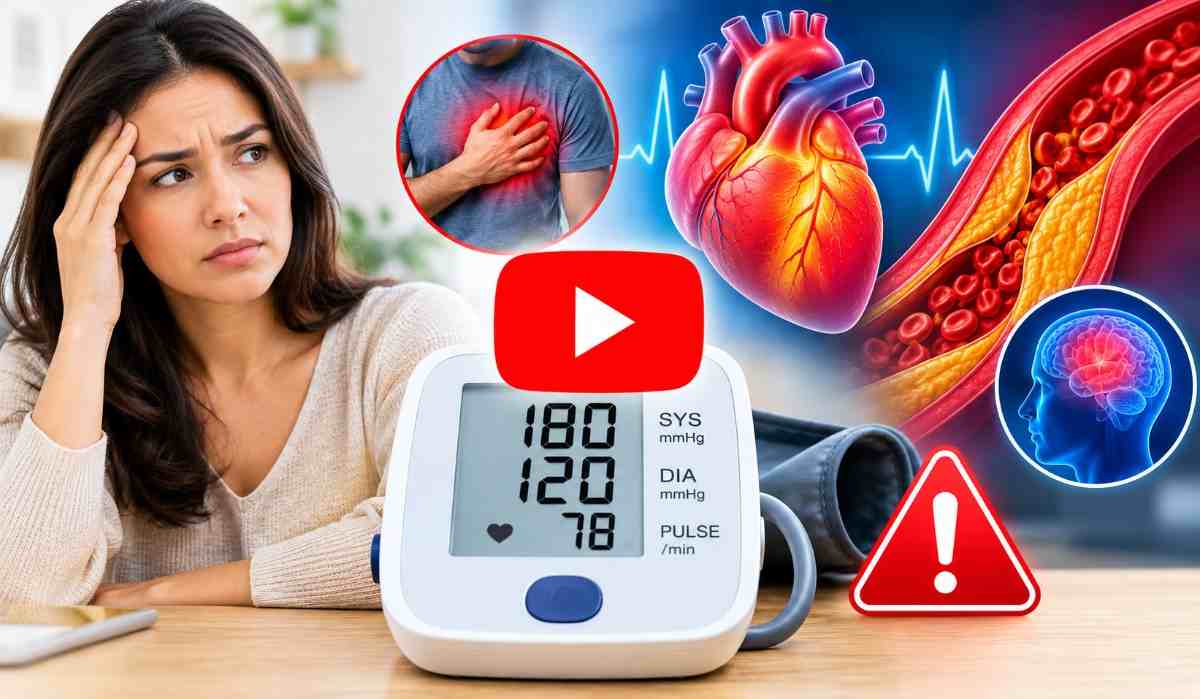

The key point is that blood pressure does not need to reach 180/120 to become harmful. Repeated readings of 130/80 or higher can indicate hypertension and increase long-term cardiovascular risk.
What Is Considered High Blood Pressure?
Blood pressure measures the force of blood pushing against the walls of the arteries. It is recorded using two numbers.
The systolic pressure is the top number and represents pressure when the heart contracts. The diastolic pressure is the bottom number and represents pressure while the heart relaxes.
For adults, commonly used categories include:
- Normal: Below 120/80 mm Hg
- Elevated: 120–129 systolic and below 80 diastolic
- Stage 1 hypertension: 130–139 systolic or 80–89 diastolic
- Stage 2 hypertension: 140 or higher systolic or 90 or higher diastolic
- Severe hypertension: Above 180 systolic and/or above 120 diastolic
The American Heart Association emphasizes that healthcare professionals should confirm a diagnosis rather than rely on a single home reading.
How High Can Blood Pressure Go Before It Is Dangerous?
There is no precise upper limit at which the body suddenly stops functioning. Blood pressure can become extremely high, but the danger depends on how high it is, how quickly it increased, how long it remains elevated, and whether organs are being affected.
A particularly important threshold is 180/120 mm Hg.
When blood pressure reaches this range, it is considered severe hypertension. If the reading remains that high after a repeat measurement, medical attention is needed.
When very high blood pressure is accompanied by symptoms suggesting damage to the brain, heart, lungs, kidneys, or major blood vessels, it becomes a hypertensive emergency.
Is 200/100 Blood Pressure Dangerous?
Yes. A reading such as 200/100 mm Hg is dangerously high, even though the diastolic number is below 120.
The systolic pressure is above the severe-hypertension threshold. A repeat reading should be taken correctly, and medical advice should be obtained promptly.
If symptoms such as chest pain, shortness of breath, weakness, numbness, vision problems, or difficulty speaking are present, seek emergency medical care.
Is 180/120 an Emergency?
180/120 mm Hg or higher is a medical warning threshold.
If you obtain a reading this high, sit quietly and repeat the measurement after at least one minute. If it remains severely elevated, contact a healthcare professional immediately.
If the high reading is accompanied by concerning symptoms, do not wait for the number to fall naturally. Call 911 or your local emergency service.
What Happens When Blood Pressure Gets Extremely High?
Very high pressure places additional mechanical stress on blood vessels and organs.
The heart has to work against greater resistance, while blood vessels are exposed to unusually high pressure. When the elevation is severe or prolonged, it can affect important organs.
Potential complications include:
- Stroke
- Heart attack
- Heart failure
- Kidney injury
- Eye damage
- Aortic dissection
- Fluid buildup in the lungs
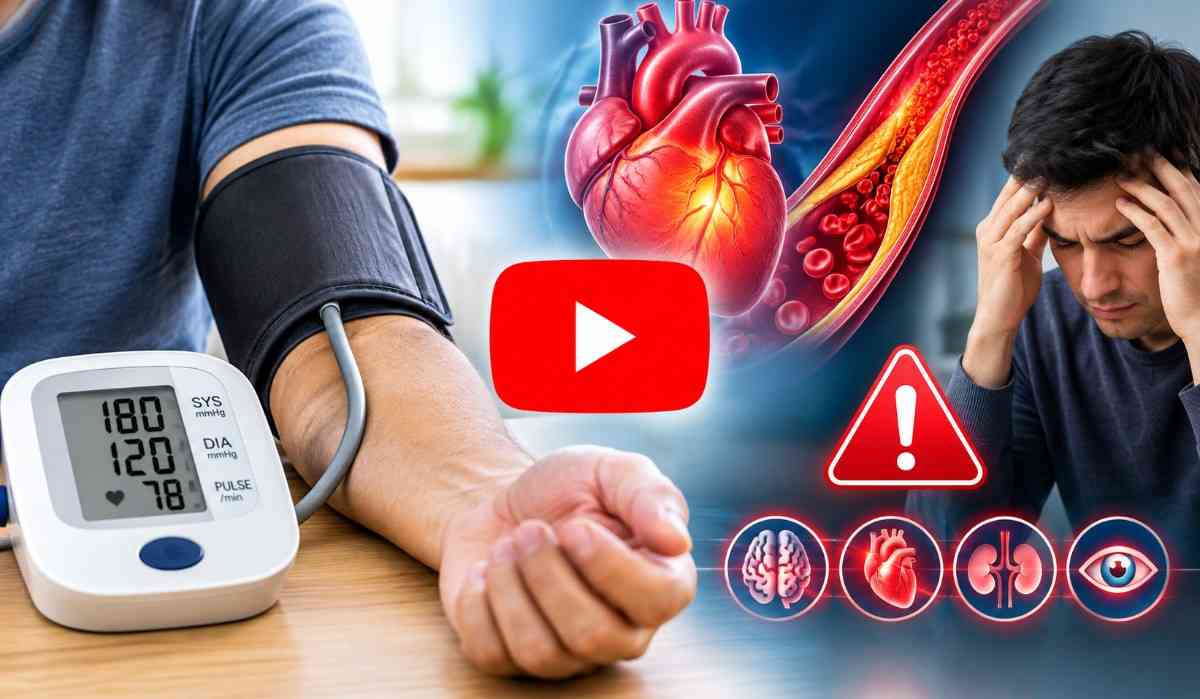
That’s why you shouldn’t treat extremely high blood pressure as just a number on a home monitor. The clinical question is also whether the brain, heart, kidneys, eyes, or blood vessels are being damaged.
What Are the Symptoms of Extremely High Blood Pressure?
One of the most confusing aspects of hypertension is that a person can have very high blood pressure without obvious symptoms.
That is why waiting for a headache or another warning sign is unreliable.
When severe high blood pressure is causing an emergency, possible warning symptoms include:
- Chest pain or pressure
- Shortness of breath
- Severe or unusual headache
- Confusion
- Weakness or numbness
- Difficulty speaking
- Sudden vision changes
- Severe back pain
- Seizures or loss of consciousness
These symptoms can indicate serious complications rather than simply “high blood pressure.”
What Should You Do If Your Blood Pressure Is 180/120?
If you see a reading above 180/120, do not immediately assume the machine is correct or incorrect.
Follow these steps:
- Stop what you are doing and sit quietly.
- Keep your back supported and your feet flat on the floor.
- Keep your arm supported around heart level.
- Wait at least one minute and take another reading.
- If it remains above 180/120, contact a healthcare professional immediately.
- If you have emergency symptoms, call 911 rather than waiting for the pressure to decrease.
A single abnormal measurement can sometimes be affected by stress, movement, talking, caffeine, or incorrect cuff placement. However, an extremely high repeat reading should never simply be ignored.
Can Stress Cause Blood Pressure to Spike?
Yes. Stress and anxiety can temporarily raise blood pressure because the body’s stress response increases heart rate and changes blood-vessel activity.
This does not mean that every extremely high reading is “just anxiety.”
If a person repeatedly blames high readings on stress without checking them properly, an important medical problem could be missed. Stress management can support cardiovascular health, but it should not replace appropriate evaluation.
Can Exercise Temporarily Raise Blood Pressure?
Yes. Blood pressure normally changes during physical activity.
The heart pumps harder during exercise, so systolic pressure can rise temporarily. After exercise, blood pressure generally begins moving toward its resting level.
For this reason, checking blood pressure immediately after vigorous exercise does not provide the same information as a properly performed resting measurement.
If someone develops chest pain, severe shortness of breath, fainting, or neurological symptoms during exercise, that situation should be evaluated urgently rather than attributed automatically to a normal blood-pressure response.
Why Can Blood Pressure Suddenly Become Very High?
Several factors can contribute to sudden or severe elevations.
Common possibilities include:
✅ Missed Blood Pressure Medication
Skipping prescribed medication can allow blood pressure to rise, particularly in people whose hypertension requires ongoing treatment.
Suddenly stopping certain medications can also cause problems, so prescribed medicines should not be discontinued without medical guidance.
✅ Pain, Anxiety, or Severe Stress
Pain and acute emotional stress can temporarily raise blood pressure.
However, persistent or extreme readings still require proper assessment.
✅ Medication and Substance Effects
Some over-the-counter medicines and substances can affect blood pressure.
Examples may include certain decongestants, stimulants, and other medications. Drug interactions can also contribute to severe elevations.
✅ Kidney or Hormonal Conditions
Certain kidney diseases and hormonal disorders can contribute to difficult-to-control or secondary hypertension.
This is one reason unusually severe or resistant hypertension may require investigation for an underlying cause.
Can High Blood Pressure Be Dangerous Without Symptoms?
Absolutely.
High blood pressure is often called a “silent” condition because many people feel nothing unusual even when their readings are elevated.
A person may feel completely normal while hypertension is gradually increasing the risk of cardiovascular and kidney complications.
This is why blood pressure screening and properly performed home monitoring are important. Symptoms alone cannot tell you whether your blood pressure is healthy.
What Is the Difference Between High Blood Pressure and a Hypertensive Emergency?
These terms are not interchangeable.
High blood pressure generally refers to blood pressure that is repeatedly above the recommended range.
Severe hypertension refers to a very high reading, particularly above 180/120.
A hypertensive emergency involves severely elevated blood pressure together with signs or symptoms of acute organ damage.
This distinction matters because the number alone doesn’t tell the full clinical story. A person with a very high reading and neurological symptoms requires a different level of response than someone with a high reading but no concerning symptoms.
Viral Blood Pressure Hacks: What Actually Works?
Searches for “how to lower blood pressure instantly” have become common online, with social media posts promoting breathing techniques, special drinks, cold showers, supplements, or specific foods.
Some lifestyle techniques may help support healthier blood pressure over time. Slow breathing and relaxation can also influence stress-related blood pressure changes.
But there is an important difference between supporting blood pressure control and treating a hypertensive emergency.
Don’t rely on any kitchen ingredient, viral drink, or five-minute trick to treat blood pressure above 180/120 when emergency symptoms are present.
Trying to delay medical care with a home remedy can be dangerous.
Does Drinking Water Quickly Lower High Blood Pressure?
Staying adequately hydrated is important for normal body function, but drinking water should not be considered an emergency treatment for dangerously high blood pressure.
If a person has a reading of 180/120 or higher, the priority is correct measurement and appropriate medical evaluation—not trying multiple internet remedies to force the number down.
This is especially important when symptoms such as chest pain, breathing difficulty, weakness, confusion, or vision changes are present.
Common Mistakes When Checking Blood Pressure at Home
Home monitoring can be useful, but technique matters.
Common mistakes include:
- Measuring immediately after exercise
- Talking while taking the measurement
- Crossing the legs
- Supporting the arm incorrectly
- Using the wrong cuff size
- Taking measurements over clothing
- Taking only one reading
- Checking immediately after caffeine or smoking
- Becoming anxious and repeatedly measuring every few seconds
For a more reliable reading, sit quietly with your back supported, keep your feet flat, support your arm, and remain still during the measurement.
When Should You Worry About Your Blood Pressure?
The most useful approach is to look at patterns and severity, not one isolated number.
Repeated readings of 130/80 or higher deserve discussion with a healthcare professional, particularly when other cardiovascular risk factors are present.
Readings of 140/90 or higher fall into Stage 2 hypertension and generally warrant medical evaluation.
A reading above 180/120 requires immediate attention. If it is accompanied by chest pain, shortness of breath, neurological symptoms, vision changes, or other new concerning symptoms, seek emergency care immediately.
Can Lifestyle Changes Lower Blood Pressure?
Yes. Lifestyle changes can play an important role in blood-pressure management, although some people also need medication.
Helpful long-term strategies can include:
- Eating a heart-healthy diet
- Limiting excessive sodium intake
- Maintaining a healthy weight
- Being physically active
- Limiting alcohol
- Avoiding tobacco
- Getting adequate sleep
- Managing chronic stress
- Taking prescribed medication consistently
The goal is not to chase a perfect number through a single food or supplement. Sustainable habits and appropriate medical treatment are more reliable approaches to controlling hypertension.
Final Takeaway: How High Can Blood Pressure Go?
Blood pressure can rise far above the healthy range, but 180/120 mm Hg is the critical threshold readers should remember.
A reading above 180 systolic or 120 diastolic is considered severe hypertension. Repeat the measurement correctly and contact a healthcare professional promptly if it remains that high.
If the reading is accompanied by chest pain, shortness of breath, weakness, numbness, difficulty speaking, sudden vision changes, severe confusion, or other signs of a serious problem, call 911 immediately.
Most importantly, do not rely on symptoms, viral hacks, special drinks, or a single blood-pressure reading to determine whether you are safe.
Regular monitoring, correct measurement, professional evaluation, and appropriate treatment are the safest ways to manage high blood pressure.
References
About Us
