Parkinson’s disease has a long and complex history that reflects centuries of medical observation, scientific discovery, and ongoing research.
Understanding this history helps explain how knowledge about movement disorders has developed and how modern approaches continue to evolve.
The journey of Parkinson’s disease began with early descriptions of unusual movement symptoms and progressed through major breakthroughs in neurology, medication development, and advanced research.
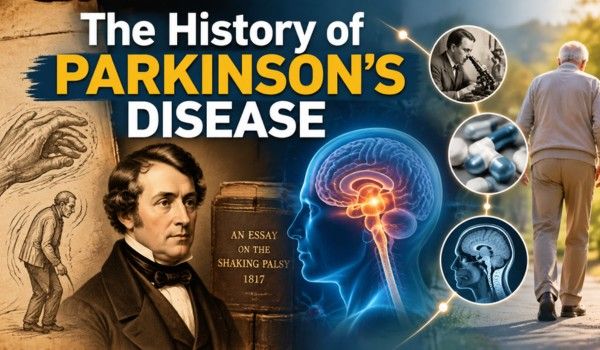
Early Recognition of Parkinson’s Disease Symptoms
Long before Parkinson’s disease received its official name, physicians documented symptoms that resemble the condition seen today.
Ancient medical writings described individuals experiencing shaking movements, weakness, and difficulty controlling body actions.
Historical records from different civilizations suggest that people recognized movement-related symptoms thousands of years ago, though they did not understand their causes.
- Early records described tremors
- Ancient doctors observed movement problems
- Symptoms lacked medical explanations
- Treatment options were extremely limited
Many early physicians viewed these symptoms as part of aging or other health conditions. Without advanced neurological knowledge, identifying specific diseases affecting the brain remained challenging.
Over time, medical observations became more detailed, allowing researchers to distinguish different movement disorders and recognize patterns in certain symptoms.
Early Medical Observations Before Modern Neurology
Before Parkinson’s disease was formally identified, several medical traditions described symptoms similar to tremors, slowed movement, and muscle stiffness.
Ancient Indian and Chinese medical systems included descriptions of disorders involving shaking and reduced mobility. These historical observations provided early examples of humans recognizing neurological changes.
- Traditional medicine noted body tremors
- Ancient texts discussed movement changes
- Symptoms were linked to aging
- Causes remained uncertain
During the 17th and 18th centuries, European physicians began creating more organized medical descriptions of neurological symptoms.
The development of anatomy and scientific medicine allowed researchers to study the human nervous system more closely.
 DON’T TRY THIS “THE HISTORY OF PARKINSON’S DISEASE” UNTIL YOU SEE THIS
James Parkinson and the First Detailed Description
The most important milestone in Parkinson’s disease history occurred in 1817 when English physician James Parkinson published his famous essay describing a condition he called “the shaking palsy.”
James Parkinson carefully documented patients experiencing tremors, walking difficulties, and changes in posture. His observations created the foundation for future Parkinson’s disease research.
His work described several key symptoms:
- Resting tremors
- Slower body movements
- Walking difficulties
- Posture changes
Although James Parkinson did not understand the biological cause of the condition, his detailed clinical observations helped establish Parkinson’s disease as a distinct medical disorder. The condition was later named Parkinson’s disease in recognition of his important contribution to medicine.
Timeline of Parkinson’s Disease Discovery
| Year | Important Development |
|---|---|
| 1817 | James Parkinson described shaking palsy |
| Late 1800s | Neurologists studied movement symptoms |
| 1910s | Brain changes became better understood |
| 1950s | Dopamine connection was discovered |
| 1960s | Levodopa treatment became available |
| 2000s | Advanced therapies and research expanded |
Growth of Neurology in the 19th Century
After James Parkinson’s publication, neurologists continued studying movement disorders to understand how the brain controlled muscles.
During the 19th century, researchers improved their understanding of the nervous system through laboratory studies and clinical observations.
Doctors began recognizing that Parkinson’s disease involved specific neurological changes rather than simply being a condition related to aging.
- Neurology became a medical specialty
- Brain research expanded rapidly
- Movement disorders gained attention
- Clinical diagnosis improved
French neurologist Jean-Martin Charcot played an important role in expanding knowledge about Parkinson’s disease during the late 1800s.
Charcot studied patients with movement disorders and helped define many features associated with Parkinson’s disease, including rigidity and changes in movement. He also helped distinguish Parkinson’s disease from other neurological conditions.
Discovering the Brain Changes Behind Parkinson’s Disease
For many years, doctors understood Parkinson’s symptoms but did not know what happened inside the brain. Scientific advances in brain anatomy eventually revealed important changes in specific brain regions.
Researchers discovered that Parkinson’s disease involved damage to nerve cells located in an area called the substantia nigra. These brain cells normally produce dopamine, a chemical messenger involved in controlling movement.
- Brain cells gradually become damaged
- Dopamine production decreases
- Movement control becomes affected
- Symptoms become more noticeable
This discovery transformed Parkinson’s disease research because scientists finally understood the connection between brain chemistry and movement symptoms.
The Discovery of Dopamine’s Role
One of the greatest breakthroughs in Parkinson’s disease history was identifying dopamine deficiency as a major factor in the condition.
During the 1950s, researchers studying the brain discovered that dopamine levels were significantly reduced in people with Parkinson’s disease.
This discovery changed how scientists viewed the disorder. Before this breakthrough, treatments mainly focused on managing symptoms. Understanding dopamine allowed researchers to develop therapies targeting the underlying chemical changes.

Development of Levodopa Treatment
The introduction of levodopa became one of the most significant events in Parkinson’s disease treatment history. During the 1960s, scientists discovered that levodopa could increase dopamine levels in the brain and improve movement symptoms.
Levodopa remains one of the most widely used treatments for managing Parkinson’s disease symptoms.
- Improved movement control
- Reduced stiffness symptoms
- Helped with daily activities
- Changed treatment approaches
Although levodopa does not cure Parkinson’s disease, it significantly improves quality of life for many people living with the condition.
Evolution of Parkinson’s Disease Diagnosis
Diagnosis methods have changed significantly throughout history. Early physicians relied mainly on observing symptoms such as tremors and walking difficulties. Modern diagnosis combines clinical evaluation with advanced medical knowledge.
Doctors now consider:
- Movement patterns
- Medical history
- Neurological examination
- Imaging technologies
Although there is still no single test that completely confirms Parkinson’s disease, improved diagnostic methods help healthcare professionals identify symptoms earlier.
Advances in Parkinson’s Disease Research
Research into Parkinson’s disease has expanded dramatically over the past several decades. Scientists now study genetics, brain cells, inflammation, environmental factors, and possible disease-modifying treatments.
Modern research focuses on understanding why dopamine-producing cells become damaged.
- Genetic research expanded
- Brain imaging improved
- Clinical trials increased
- New therapies developed
Researchers continue exploring ways to slow progression and improve treatment options.
Important Milestones in Parkinson’s Disease History
| Period | Medical Progress |
|---|---|
| Ancient Era | Early movement symptoms recorded |
| 1817 | James Parkinson documented the disorder |
| 1860s–1880s | Neurological classification improved |
| 1950s | Dopamine connection discovered |
| 1960s | Levodopa transformed treatment |
| Modern Era | Research focuses on new therapies |
The Role of Genetics in Parkinson’s Research
For many years, scientists believed Parkinson’s disease was mainly caused by aging or environmental factors. Later research showed that genetics can also influence the likelihood of developing the condition.
Scientists identified several genes associated with Parkinson’s disease, helping researchers understand how changes inside cells may contribute to nerve damage.
- Genetic studies improved knowledge
- Family cases gained attention
- Cellular pathways were studied
- Research became more targeted
Genetic discoveries continue helping scientists develop more personalized approaches to Parkinson’s disease research.
Understanding Environmental Influences
Along with genetics, researchers have explored how environmental factors may influence Parkinson’s disease risk. Studies have investigated possible connections between certain exposures and changes in brain health.
However, Parkinson’s disease is considered complex, and researchers continue studying how multiple factors interact.
- Environmental research continues
- Risk factors remain complex
- Multiple causes are studied
- Prevention research continues
Modern Technologies in Parkinson’s Disease Care
Technology has become an important part of modern Parkinson’s disease management. Digital health tools, wearable devices, and advanced medical equipment help doctors track symptoms and support personalized care.
Modern approaches include:
- Movement tracking devices
- Digital health monitoring
- Advanced imaging tools
- Rehabilitation technology
These innovations allow healthcare providers to better understand symptom changes and improve supportive care strategies.
Deep Brain Stimulation and Surgical Progress
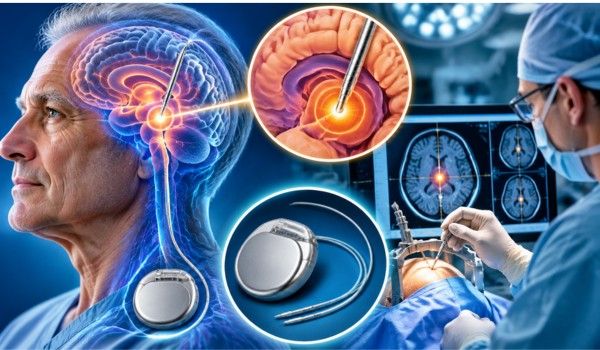
Deep brain stimulation (DBS) became an important development in Parkinson’s disease treatment history. This procedure uses implanted electrodes to send controlled electrical signals to specific brain areas involved in movement.
DBS does not cure Parkinson’s disease, but it may help manage certain symptoms for carefully selected individuals.
- Helps control movement symptoms
- Uses implanted technology
- Requires specialist evaluation
- Supports advanced treatment plans
The development of DBS represents the continued progress of neurological medicine.
Modern Research and Future Directions in Parkinson’s Disease
The history of Parkinson’s disease continues into the modern era with major advances in neuroscience, genetics, technology, and treatment development. Researchers around the world are working to understand disease mechanisms and improve care options.
Modern Parkinson’s research focuses not only on symptom management but also on identifying ways to detect changes earlier and develop therapies that may support long-term brain health.
- Research explores disease progression
- Scientists study brain protection
- New therapies are investigated
- Early detection methods improve
Advances in Understanding Parkinson’s Disease Progression
Earlier research mainly focused on treating visible symptoms such as tremors and movement difficulties. Today, scientists study how Parkinson’s disease develops inside the brain over time.
Researchers investigate changes in nerve cells, proteins, inflammation, and communication pathways between brain regions. Understanding these processes may help scientists identify new approaches for future treatments.
- Brain cell changes are studied
- Protein behavior is researched
- Inflammation is investigated
- Disease patterns are analyzed
Modern studies also focus on recognizing early signs that may appear before traditional movement symptoms develop.
The Role of Alpha-Synuclein Research
One important area of Parkinson’s disease research involves a protein called alpha-synuclein. Scientists have found that abnormal accumulation of this protein is associated with changes in brain cells affected by Parkinson’s disease.
Research continues to understand how alpha-synuclein changes occur and whether targeting these processes could support future treatments.
- Protein changes are examined
- Cell damage pathways are studied
- Research continues worldwide
- Future therapies are explored
Although scientists have learned more about this protein, many questions remain about its exact role in disease development.
Improvements in Early Detection
Historically, Parkinson’s disease was usually identified after noticeable movement symptoms appeared. Modern research is exploring ways to recognize biological changes earlier.
Earlier detection could allow healthcare professionals to provide support and treatment planning sooner.
- Biomarkers are being studied
- Imaging techniques are improving
- Symptoms are monitored closely
- Research tools are expanding
Scientists continue searching for reliable methods that may identify Parkinson’s disease before major symptoms develop.
DON’T TRY THIS “THE HISTORY OF PARKINSON’S DISEASE” UNTIL YOU SEE THIS
The Growth of Personalized Parkinson’s Care
Parkinson’s disease affects individuals differently, and modern healthcare increasingly recognizes the importance of personalized care.
Treatment plans are now often adjusted based on symptoms, lifestyle needs, disease stage, and individual responses.
- Care plans vary by person
- Symptoms are monitored regularly
- Treatment goals are personalized
- Support needs are considered
This approach represents a major shift from earlier periods when treatment options were more limited.
Rehabilitation and Lifestyle Support in Parkinson’s Care
Throughout Parkinson’s disease history, treatment has expanded beyond medication. Rehabilitation programs now play an important role in helping individuals maintain mobility, independence, and daily function.
Healthcare teams may include physical therapists, occupational therapists, and speech specialists.
- Exercise supports mobility
- Therapy improves daily function
- Speech support helps communication
- Balance training reduces challenges
These supportive approaches are considered important parts of comprehensive Parkinson’s disease management.
The Impact of Technology on Parkinson’s Monitoring
Technology has changed how Parkinson’s symptoms can be observed and tracked. Wearable devices and digital tools let researchers and healthcare providers collect data on movement patterns and daily activities.
These technologies may help create a clearer picture of symptom changes.
- Wearable monitoring improves tracking
- Digital tools collect health data
- Movement patterns are analyzed
- Remote care options expand
Technology continues creating new opportunities for Parkinson’s disease research and patient support.
Current Research Areas in Parkinson’s Disease
Modern scientists are investigating multiple areas to better understand Parkinson’s disease and improve future care. Research includes brain biology, genetics, medications, and advanced medical technologies.
Major research areas include:
- Gene-based research
- Cell replacement studies
- New medication development
- Brain protection strategies
These efforts represent decades of progress built upon earlier discoveries.
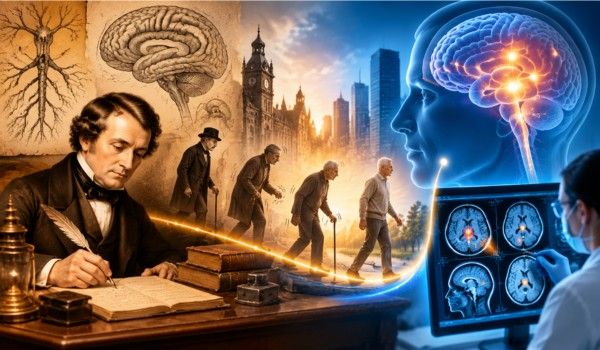
The Development of New Treatment Approaches
Since the introduction of levodopa, researchers have continued searching for additional treatment options. New approaches aim to address different aspects of Parkinson’s disease, including movement symptoms and underlying biological processes.
Scientists are studying therapies involving:
- New medications
- Advanced procedures
- Genetic approaches
- Cellular treatments
While research continues, each discovery deepens understanding of Parkinson’s disease.
The Importance of Clinical Trials
Clinical trials play a major role in advancing Parkinson’s disease research. These studies help researchers evaluate new treatments, technologies, and approaches under carefully controlled conditions.
Clinical trials have contributed to many important medical improvements throughout Parkinson’s disease history.
- Treatments are tested carefully
- Safety is evaluated
- Benefits are measured
- Research knowledge expands
Participation in research studies has helped scientists continue making progress.
Parkinson’s Disease Awareness and Advocacy
Public awareness has become an important part of Parkinson’s disease history. Organizations, researchers, healthcare professionals, and communities have worked together to increase understanding and support.
Greater awareness has encouraged more research funding and improved access to educational resources.
- Awareness programs expanded
- Research support increased
- Communities became involved
- Education improved
The growing recognition of Parkinson’s disease has helped bring attention to the experiences of millions of people worldwide.
How Parkinson’s Disease Understanding Has Changed Over Time
The understanding of Parkinson’s disease has changed dramatically from early symptom descriptions to advanced scientific research.
Early physicians could identify movement problems but lacked knowledge about brain chemistry and neurological causes.
Today, researchers understand many biological processes involved in Parkinson’s disease while still exploring unanswered questions.
| Historical Period | Main Understanding |
|---|---|
| Early History | Symptoms were observed |
| 1817 | Disease was formally described |
| 1900s | Brain changes were studied |
| Modern Era | Advanced research continues |
This progression shows how medical knowledge develops through observation, research, and innovation.
DON’T TRY THIS “THE HISTORY OF PARKINSON’S DISEASE” UNTIL YOU SEE THIS
The Future of Parkinson’s Disease Research
The future of Parkinson’s disease research continues to focus on improving diagnosis, treatment, and quality of life. Scientists are exploring new possibilities that may change how Parkinson’s disease is managed in the coming years.
Future research areas include:
- Earlier disease identification
- Improved treatment options
- Better symptom monitoring
- Advanced medical technology
Although challenges remain, decades of research have created a stronger foundation for future discoveries.
The Continuing Legacy of Parkinson’s Disease Research
The history of Parkinson’s disease represents the dedication of physicians, scientists, patients, and families who contributed to medical progress.
From James Parkinson’s early observations to modern neuroscience discoveries, each stage has helped expand understanding of this neurological condition.
The ongoing journey demonstrates how scientific research can transform medical knowledge and improve supportive care.
Conclusion
The history of Parkinson’s disease is a story of continuous discovery, from early descriptions of movement problems to advanced research exploring brain function, genetics, and future therapies.
Over the past two centuries, medical science has made significant progress in understanding Parkinson’s disease and developing approaches that support people living with the condition.
Although researchers continue working toward better solutions, the discoveries made throughout history have created a stronger foundation for future advancements.
Understanding this history helps highlight the importance of scientific research, medical innovation, and continued efforts to improve Parkinson’s disease care.

.
References
https://en.wikipedia.org/wiki/Parkinson%27s_disease
https://www.webmd.com/parkinsons-disease/default.htm
https://www.healthline.com/health/parkinsons-disease
https://www.mayoclinic.org/diseases-conditions/parkinsons-disease/
About Us