
Pelvic nerve pain is a type of discomfort that occurs when nerves inside the pelvic region become irritated, compressed, injured, or inflamed.
Unlike typical muscle pain, nerve-related pain often feels sharp, burning, tingling, or like an electric shock.
Many people experience pelvic nerve pain without immediately knowing the cause because the symptoms can resemble problems related to muscles, urinary conditions, digestive issues, or reproductive health.
Identifying the source is an important step toward proper evaluation and management.


In this guide, we will explore what causes pelvic nerve pain, how nerve irritation develops, common symptoms, and when you may need medical evaluation.
What Is Pelvic Nerve Pain?
Pelvic nerve pain occurs when one or more nerves that supply sensation and function to the pelvic area become affected.
These nerves help control feeling, movement, and communication between the brain and structures such as the bladder, bowel, pelvic floor muscles, and genital region.
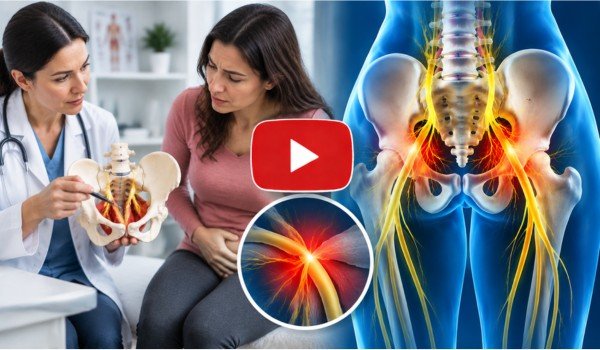
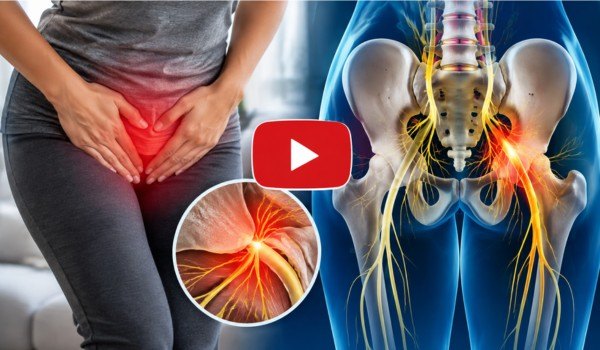
One of the most commonly discussed causes of pelvic nerve pain is pudendal neuralgia, which involves irritation or damage to the pudendal nerve.
This nerve travels through the pelvis and provides sensation to areas including the perineum, anus, and external genital region.
Because pelvic nerves have several important functions, irritation can lead to different symptoms depending on which nerve is affected.
Common sensations associated with pelvic nerve pain include:
- Burning or stinging discomfort
- Sharp or stabbing pain
- Tingling or numbness
- Pressure or fullness in the pelvic area
- Increased sensitivity to touch
- Pain that worsens with sitting
Some people experience symptoms only occasionally, while others develop persistent discomfort that affects daily activities.
Main Causes of Pelvic Nerve Pain
Pelvic nerve pain does not have one single cause. It may develop from physical pressure, injuries, medical procedures, muscle problems, or underlying health conditions.
1. Nerve Compression or Entrapment
One of the most common reasons for pelvic nerve pain is pressure placed on a nerve pathway.
When a nerve becomes compressed, it cannot send signals normally. This may cause abnormal sensations such as pain, tingling, or numbness.
The pudendal nerve is especially vulnerable because it passes through narrow spaces within the pelvis. Pressure in these areas may irritate the nerve and create chronic discomfort.
Possible reasons for nerve compression include:
- Tight pelvic muscles pressing against nerves
- Thickened or irritated surrounding tissues
- Scar tissue formation
- Anatomical changes within the pelvic region
- Repeated pressure from certain activities
2. Prolonged Sitting and Repetitive Pressure
Long periods of sitting can place continuous pressure on pelvic structures.
People who spend many hours sitting for work or activities may develop irritation around pelvic nerves, especially if pressure is repeatedly applied to the same area.
Activities linked with increased pelvic pressure may include:
- Long-distance cycling
- Horse riding
- Office work with extended sitting periods
- Driving for many hours
- Certain athletic activities
Repeated pressure does not always cause immediate symptoms. In some cases, nerve irritation develops gradually.
3. Pelvic Injuries and Trauma
Direct injury to the pelvic area can affect nearby nerves.
Trauma may stretch, compress, or damage nerve tissues, leading to ongoing nerve-related pain.
Possible causes include:
- Falls affecting the pelvic region
- Sports injuries
- Accidents involving pelvic impact
- Fractures around pelvic bones
- Injuries affecting surrounding muscles and tissues
Even after the original injury heals, some individuals may continue in experience nerve sensitivity.
4. Surgery-Related Nerve Irritation
Pelvic surgeries may sometimes affect nearby nerves.
During surgery, nerves can become irritated due to:
- Direct injury
- Tissue inflammation
- Scar formation during healing
- Changes in surrounding structures
Procedures involving the lower abdomen, reproductive organs, bladder, prostate, or pelvic floor may carry a possibility of nerve-related discomfort afterward.
Discuss persistent pain after surgery with a healthcare professional to determine the underlying cause.
Pelvic Floor Muscle Problems and Nerve Pain
The pelvic floor is a group of muscles that support organs such as the bladder, bowel, and reproductive structures.
When these muscles become overly tight or develop spasms, they may irritate nerves.
Pelvic floor dysfunction can create pressure around nerves and may result in symptoms that overlap with pelvic nerve pain.
Signs that pelvic floor involvement may be present include:
- Pelvic pressure or heaviness
- Pain during certain movements
- Difficulty relaxing pelvic muscles
- Pain during bowel movements
- Discomfort during sexual activity
A healthcare provider may evaluate both nerves and muscles because both systems often influence pelvic pain patterns.
Childbirth and Pelvic Nerve Pain
Pregnancy and childbirth create significant physical changes in the pelvic region.
During delivery, stretching and pressure on pelvic tissues may affect nearby nerves. Some individuals experience temporary nerve irritation, while others may develop longer-lasting symptoms.
Factors that may increase nerve stress during childbirth include:
- Significant stretching of pelvic tissues
- Difficult or prolonged labor
- Pressure on pelvic structures
- Pelvic muscle injury
Postpartum pelvic pain that continues or worsens should be evaluated to identify whether nerves, muscles, or other structures are involved.
Medical Conditions That May Affect Pelvic Nerves
Certain health conditions may increase the risk of nerve irritation or nerve damage.
Examples include:
➺ Diabetes
High blood sugar over time can affect nerves throughout the body, including nerves in the pelvic region.
Diabetic nerve damage may contribute to changes in sensation, discomfort, or altered nerve function.
➺ Infections
Some infections may irritate nerves or surrounding tissues.
Examples may include:
- Viral infections affecting nerve pathways
- Infections causing pelvic inflammation
➺ Inflammatory Conditions
Inflammation within pelvic tissues may increase pressure around nerves and contribute to pain signals.
➺ Spinal or Lower Back Nerve Problems
Nerves supplying the pelvis originate partly from areas of the lower spine.
Problems affecting spinal nerves may sometimes create symptoms that are felt in the pelvic region.
How Pelvic Nerve Pain Usually Feels
Pelvic nerve pain is often different from regular soreness or muscle discomfort.
Many people describe nerve pain as:
- A burning sensation
- Electrical shock-like feelings
- Sharp stabbing pain
- Crawling or tingling sensations
- Numbness
- Increased sensitivity
The location can vary depending on the affected nerve.
Pain may occur in areas such as:
- Perineum
- Buttocks
- Genital region
- Lower pelvic area
- Around the anus
Some individuals notice symptoms becoming worse throughout the day, especially after activities that increase pressure on the pelvic area.
Other Possible Causes of Pelvic Nerve Pain
While nerve compression and physical pressure are common contributors, pelvic nerve pain can also develop from several other conditions that affect nerve function or surrounding tissues.
Understanding these possible causes helps healthcare providers identify the right approach instead of treating only the pain symptoms.
1. Chronic Inflammation Around Pelvic Nerves
Inflammation can irritate nearby nerves and increase sensitivity in the pelvic region.
When tissues surrounding a nerve become inflamed, normal movements or pressure may trigger abnormal pain signals.
Possible sources of inflammation include:
- Chronic pelvic muscle tension
- Inflammatory conditions affecting pelvic organs
- Repeated irritation from physical activity
- Previous injuries that did not fully resolve
Inflammation doesn’t always cause visible swelling, but it can still affect how nerves communicate with the brain.
2. Scar Tissue Formation
Scar tissue can develop after injuries, infections, or surgical procedures.
In some cases, scar tissue may restrict normal nerve movement or place pressure on nearby nerve pathways.
Common situations where scar tissue may contribute include:
- Abdominal or pelvic surgeries
- Procedures involving reproductive organs
- Previous trauma to pelvic tissues
- Multiple surgical interventions
When nerves become surrounded by tight or restrictive tissue, symptoms may include pulling sensations, burning pain, or sensitivity.
3. Spinal Nerve Problems
The nerves supplying the pelvic region connect with areas of the lower spine.
Problems affecting spinal nerves may sometimes cause pain felt in the pelvis rather than the back.
Potential causes include:
- Herniated discs
- Nerve root irritation
- Spinal narrowing
- Lower back injuries
Because pelvic symptoms can sometimes originate in the spine, doctors may evaluate both the pelvic region and the lower back.
4. Chronic Constipation and Straining
Long-term constipation can increase pressure within the pelvic area.
Repeated straining during bowel movements may place stress on pelvic muscles and nearby nerves.
This may contribute to:
- Increased pelvic pressure
- Muscle tension
- Irritation of sensitive nerve pathways
Maintaining healthy bowel habits can help reduce unnecessary pressure on pelvic structures.
Symptoms Associated With Pelvic Nerve Pain
The symptoms of pelvic nerve pain can vary depending on the affected nerve and the severity of irritation.
Some people experience mild discomfort, while others develop persistent pain that affects sitting, movement, sleep, and daily activities.
Common symptoms include:
- Burning or shooting pelvic pain
- Tingling or pins-and-needles sensations
- Numbness in the pelvic region
- Pain that increases while sitting
- Feeling of pressure or fullness
- Sensitivity around the genital area
- Pain during sexual activity
- Changes in bladder or bowel comfort
Pudendal nerve-related pain often becomes worse with prolonged sitting because pressure increases around the nerve pathway.
When Should You Seek Medical Attention?
Pelvic nerve pain should not be ignored when it continues, becomes severe, or interferes with normal activities.
Medical evaluation may be helpful if you experience:
- Pelvic pain lasting several weeks
- Burning or electric-like sensations
- Numbness in the genital or pelvic area
- Difficulty controlling bladder or bowel function
- Pain that affects sleep or mobility
- Symptoms that worsen over time
Early evaluation may help identify whether the problem involves nerves, muscles, organs, or another underlying condition.
How Doctors Diagnose Pelvic Nerve Pain
Diagnosing pelvic nerve pain can be challenging because many conditions produce similar symptoms.
Healthcare professionals usually combine medical history, physical examination, and targeted tests.
➺ Medical History Evaluation
A doctor may ask about:
- Location and type of pain
- Activities that increase symptoms
- Previous injuries or surgeries
- Changes in bladder or bowel function
- Sexual discomfort
- Duration of symptoms
Understanding the pattern of pain often provides important clues.
➺ Physical Examination
A physical examination may help identify areas of nerve sensitivity or muscle tension.
Doctors may evaluate:
- Pelvic floor muscles
- Areas where nerves travel
- Sensation changes
- Signs of inflammation or pressure
A nerve-related pain pattern can sometimes be identified by examining how symptoms respond to certain movements or pressure points.
➺ Imaging Tests
Imaging may be used to look for structural causes of pelvic nerve irritation.
Possible tests include:
- MRI scans
- Ultrasound examinations
- CT scans in selected cases
These tests may help identify abnormalities affecting nerves, muscles, or surrounding tissues
➺ Nerve Testing
In some situations, doctors may use nerve-related tests to understand how signals are traveling.
Examples include:
- Electromyography (EMG)
- Nerve conduction studies
- Diagnostic nerve blocks
A pudendal nerve block may sometimes be used both as a diagnostic tool and as part of treatment planning.
Treatment Options for Pelvic Nerve Pain
Treatment depends on the cause, severity, and duration of symptoms.
A healthcare provider may recommend a combination of approaches rather than a single treatment.
1. Lifestyle Adjustments
Small daily changes may help reduce pressure on irritated nerves.
Helpful strategies may include:
- Avoiding long periods of sitting
- Taking regular movement breaks
- Using supportive cushions when needed
- Modifying activities that trigger pain
- Maintaining healthy bowel habits
Reducing repeated pressure on the pelvic area may help prevent worsening irritation.
2. Physical Therapy
Pelvic floor physical therapy is commonly considered for people whose symptoms involve muscle tension or dysfunction.
A trained therapist may focus on:
- Relaxing tight pelvic muscles
- Improving movement patterns
- Reducing pressure around nerves
- Supporting better pelvic coordination
Physical therapy is often personalized because pelvic nerve pain can have different underlying causes.
3. Medications
Doctors may recommend medications that target nerve-related pain signals.
Depending on individual needs, options may include:
- Nerve pain medications
- Anti-inflammatory medications
- Muscle relaxants in selected cases
Always make medication decisions with guidance from a healthcare professional.
4. Nerve Blocks and Advanced Treatments
For some individuals, targeted procedures may be considered when conservative approaches do not provide enough relief.
Options may include:
- Pudendal nerve blocks
- Injection-based treatments
- Neuromodulation techniques
- Surgical decompression in selected cases
These treatments are generally considered after careful evaluation of the underlying cause
Ways to Support Pelvic Nerve Health
Although not all causes of pelvic nerve pain can be prevented, certain habits may support overall pelvic health.
Helpful practices include:
- Maintaining good posture during sitting
- Avoiding excessive pressure on the pelvic area
- Staying physically active with appropriate exercises
- Managing constipation through healthy habits
- Seeking medical advice after pelvic injuries
Listening to early symptoms may help prevent minor irritation from developing into persistent discomfort.
Living With Pelvic Nerve Pain
Chronic pelvic nerve pain can affect physical comfort, emotional well-being, and daily routines.
Many people experience frustration because symptoms may not always have an obvious cause.
A proper diagnosis can help create a more targeted management plan.
Working with healthcare professionals such as physicians, neurologists, pain specialists, or pelvic floor therapists may provide a more complete approach.
The goal of treatment is usually to reduce symptoms, improve function, and help individuals return to normal activities.
Conclusion
Pelvic nerve pain can develop from many different causes, including nerve compression, injuries, surgeries, pelvic muscle problems, inflammation, and certain medical conditions.
Because the symptoms can overlap with other pelvic disorders, identifying the exact source is an important part of effective management.
Common warning signs include burning pain, tingling, numbness, discomfort while sitting, and changes affecting bladder, bowel, or sexual function. Evaluate these symptoms if they persist or interfere with daily life.
With proper assessment, many people can find strategies that reduce discomfort and improve quality of life.
A combination of lifestyle adjustments, physical therapy, medical treatments, and targeted interventions may help address the underlying cause of pelvic nerve pain.
References
https://en.wikipedia.org/wiki/Pudendal_nerve
https://www.healthline.com/health/pelvic-pain
https://pubmed.ncbi.nlm.nih.gov/?term=pudendal+neuralgia+diagnosis+treatment
About Us
