
Topical Treatments for Toenail Fungus – Best Options
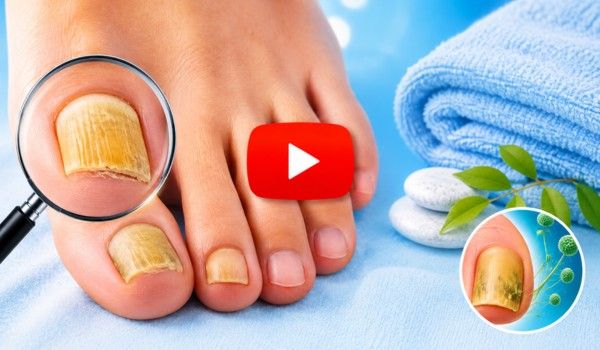
Toenail fungus can be surprisingly stubborn. What may begin as a small white or yellow-brown spot near the edge of a toenail can gradually lead to thickening, discoloration, brittleness, crumbling, and separation of the nail from the nail bed.
The medical term for a fungal nail infection is onychomycosis, and toenails are affected more often than fingernails.
For people who want to avoid oral antifungal medication—or whose infection is still relatively mild—topical treatment options for toenail fungus can be an important part of treatment. These medications and nail solutions are placed directly on the affected nail rather than taken by mouth.
Topical toenail fungus treatments include antifungal lacquers, solutions, and creams that may help clear mild infections with consistent use.


However, topical toenail fungus treatment requires patience. The nail plate is made of dense keratin, creating a physical barrier between medication and the fungi living within or underneath the nail.
Successful treatment therefore depends not only on choosing an appropriate antifungal but also on applying it correctly and consistently for many months.
Prescription topical medications such as efinaconazole, tavaborole, and ciclopirox have been studied specifically for fungal nail infections.
Nonprescription creams, nail products, filing, thinning, and careful foot hygiene may also play supportive roles, depending on the type and severity of the infection.
This guide explains the major topical treatments available for toenail fungus, how they work, who may benefit from them, how long treatment typically takes, and why some infections require a different approach.
What Is Toenail Fungus?
Toenail fungus develops when fungi infect part of the nail unit. Dermatophytes are responsible for many cases, although yeasts and nondermatophyte molds can sometimes be involved. The infection often starts near the tip or side of the toenail and gradually progresses deeper into the nail.
🔷 Common signs can include:
- Yellow, white, brown, or otherwise discolored nails
- Increasing nail thickness
- Brittle or crumbly edges
- Debris underneath the toenail
- Distortion of the nail shape
- Separation of the nail from its bed
- An unpleasant odor in some cases
- Discomfort when wearing shoes if the nail becomes very thick
Not every abnormal-looking nail is caused by fungus. Nail trauma, psoriasis, dermatitis, bacterial infections, and other conditions may produce similar changes. For this reason, a healthcare professional may examine the nail and collect nail clippings or debris for testing before recommending prolonged antifungal treatment.
Why Is Toenail Fungus So Difficult to Treat Topically?
Fungi affecting ordinary skin are usually easier to reach with creams because the medication can directly contact the infected surface. Toenail fungus presents a different challenge.
The fungus may live underneath the nail plate or within deeper layers of the nail. A topical medicine must penetrate the nail sufficiently to reach those organisms. Thickened or damaged nails can make this process even more difficult.
Toenails also grow slowly. Even after antifungal treatment successfully prevents fungal growth, the damaged portion does not instantly return to normal. Instead, healthy nail gradually grows forward from the base while the damaged section is trimmed away.
Complete toenail regrowth can take up to 18 months, meaning the appearance can continue to improve long after treatment begins.
This is one of the biggest reasons people abandon topical treatment too early. Seeing little visual improvement after several weeks does not necessarily mean the treatment has failed.
Who Is a Good Candidate for Topical Toenail Fungus Treatment?
Topical antifungals are generally most appropriate when the fungal infection is relatively limited.
Evidence-based guidance indicates that topical therapy may be considered for superficial onychomycosis or early distal-lateral infection involving less than approximately half of the nail surface without involvement of the nail matrix. It may also be particularly reasonable when three or fewer nails are affected.
🔷 Topical treatment may therefore be attractive for someone who:
- Has an early or mild infection
- Has only one to three infected toenails
- Has infection mainly toward the tip of the nail
- Does not appear to have infection extending to the nail matrix
- Cannot safely use an oral antifungal
- Takes medicines that could interact with systemic antifungals
- Prefers to start with a topical approach
- Wants to minimize systemic medication exposure
Topical treatment becomes less likely to succeed on its own when most of the nail is diseased, many nails are infected, the infection has reached the nail matrix, or the nail has become severely thickened or destroyed.
Prescription Topical Treatments for Toenail Fungus
Several prescription medications have been developed specifically to penetrate infected toenails. The three major topical options used in the United States are efinaconazole 10%, tavaborole 5%, and ciclopirox 8%.
1. Efinaconazole 10% Topical Solution
Efinaconazole is a prescription azole antifungal solution commonly known by the brand name Jublia. It is indicated for certain fungal infections of the toenails caused by organisms including Trichophyton rubrum and Trichophyton mentagrophytes.
The medication interferes with processes fungi need to maintain their cell membranes, helping stop fungal growth.
Efinaconazole is generally applied once each day for 48 weeks. Application involves covering the affected toenail as well as areas around and underneath the nail that can be reached according to the medication instructions.
Clinical studies summarized by the American Academy of Family Physicians reported complete cure rates of approximately 15.2% to 17.8% after treatment, compared with lower rates among people using the vehicle solution without the active medication.
It is important to understand what “complete cure” means in clinical research: the target nail must appear completely clear, and laboratory testing must also show that the fungus has been eliminated.
That standard is stricter than simply seeing noticeable improvement.
Local reactions such as redness, irritation, or discomfort around the application site can occur. Anyone experiencing significant or persistent irritation should contact the healthcare professional who prescribed the treatment.
2. Tavaborole 5% Topical Solution
Tavaborole, commonly known by the brand name Kerydin, is another prescription topical treatment specifically developed for fungal toenail infections.
It belongs to a different antifungal class than efinaconazole and works by interfering with fungal protein synthesis. The medication inhibits an enzyme fungi require to produce proteins necessary for survival and growth.
Tavaborole is typically applied to the entire surface of the affected toenail and, when accessible, under the nail tip. The recommended course is generally once daily for 48 weeks.
In major clinical trials, complete cure rates were approximately 6.5% to 9.1%, depending on the study. Although the percentages may appear modest, complete cure is a demanding endpoint requiring both a normal-looking nail and negative fungal testing.
Possible side effects are generally concentrated near the treated area and may include redness, peeling, itching, or irritation.
3. Ciclopirox 8% Nail Lacquer
Ciclopirox differs somewhat from the previous treatments because it is available as a medicated nail lacquer. One commonly recognized brand is Penlac.
The lacquer is painted over the infected toenail and surrounding areas according to prescription directions. With traditional ciclopirox lacquer regimens, accumulated layers are periodically removed before application continues.
For toenail infection, treatment may be required daily for approximately 48 weeks.
Ciclopirox is generally used for mild to moderate fungal nail infections. Clinical trials summarized by the AAFP reported complete cure rates of approximately 5.5% to 8.5% in individual studies.
Ciclopirox has been available considerably longer than efinaconazole or tavaborole and may remain a useful choice depending on infection severity, accessibility, treatment cost, and the recommendation of the prescribing healthcare professional.

What About Amorolfine Nail Lacquer?
Amorolfine is another topical antifungal nail lacquer used in some countries. It may be recommended for mild infections that have not significantly involved the nail matrix.
However, amorolfine is not available as an FDA-approved toenail fungus treatment in the United States, so availability depends on the country in which a person lives.
Patients should not purchase prescription-strength medications from questionable websites simply because a particular treatment is available internationally. Using a properly regulated product under professional guidance is safer.
Which Prescription Topical Treatment Works Best?
Directly calling one topical medicine “best” is difficult because outcomes depend heavily on the severity and location of infection, the organism involved, nail thickness, adherence to treatment, and other individual factors.
Based on clinical trial results summarized in evidence reviews, efinaconazole has demonstrated higher complete cure percentages than ciclopirox or tavaborole in their respective pivotal trials.
However, those percentages come from different studies and should not automatically be interpreted as a direct head-to-head comparison.
🔷 A healthcare professional may consider factors including:
- How much of the nail is involved
- How many toenails are infected
- Whether the nail matrix appears involved
- Previous treatments
- Nail thickness
- Cost and insurance coverage
- Ease of application
- Other medical conditions
- Medication interactions
- Patient preference
The treatment someone can apply correctly every day for the required duration may ultimately be more useful than one they regularly forget or discontinue.
Over-the-Counter Topical Antifungal Treatments
Pharmacy shelves contain many antifungal creams, liquids, sprays, and ointments containing ingredients such as terbinafine, clotrimazole, miconazole, or tolnaftate.
These products can be highly useful for fungal infections of the skin, particularly athlete’s foot. Treating athlete’s foot is important because a fungal infection of the surrounding skin can serve as a reservoir that contributes to recurrent nail infection.
However, an ordinary antifungal skin cream should not automatically be considered equivalent to a prescription nail solution. Penetrating a thick toenail is significantly more difficult than treating exposed skin.
Mayo Clinic notes that nonprescription antifungal nail creams or ointments may be tried in some situations, especially after filing superficial white areas and appropriately preparing the nail. Nevertheless, recurrence is common.
If an OTC treatment has been used consistently without clear progress, having the nail properly diagnosed may be more useful than repeatedly switching between different products.
Should You File or Thin the Nail Before Applying Treatment?
Properly trimming and thinning thickened nails can help topical medication reach deeper layers of the nail more effectively. Nail debridement—professional removal of excessive diseased nail material—may also improve the response to antifungal treatment when used alongside medication.
The objective is not to aggressively grind away the entire nail. Over-filing can injure the nail bed and surrounding skin, potentially causing further problems.
For an otherwise healthy adult with a mildly thickened nail, careful trimming and gentle filing may be appropriate.
People with diabetes, peripheral circulation problems, reduced sensation, or other conditions affecting foot healing should not aggressively trim or thin abnormal toenails themselves. Professional foot care is safer in these circumstances.
Urea for Thick Fungal Toenails
Urea-containing preparations are sometimes used to soften thickened nails. Urea is not primarily an antifungal medication in this context. Instead, higher-strength preparations can soften keratin and make a very thick nail easier to trim, thin, or debride.
Mayo Clinic specifically notes that urea-containing creams may be used to soften thick nails before trimming or filing. By reducing excess nail thickness, topical antifungal medication may be more effective of reaching the infected tissue.
A healthcare provider or podiatrist can advise whether this approach is appropriate, especially when nails are extremely thick.
Can Tea Tree Oil Treat Toenail Fungus?
Tea tree oil is one of the most frequently discussed natural topical treatments for fungal nails. Laboratory research supports antifungal properties, and small human studies have investigated its use.
However, evidence is not strong enough to place tea tree oil on the same level as prescription antifungal medicines. Evidence reviews conclude that stronger clinical studies are still required for essential oils and similar natural treatments.
Tea tree oil may also cause skin irritation or allergic reactions in some people.
Anyone choosing to experiment with an alternative topical remedy should avoid placing concentrated essential oils on broken or inflamed skin and should discontinue use if significant irritation occurs.
Does Vicks VapoRub Work for Toenail Fungus?
Mentholated ointments such as Vicks VapoRub have become popular home remedies because ingredients such as camphor, menthol, and eucalyptus-derived compounds have demonstrated antimicrobial activity.
Small studies and case reports have reported improvements in some participants, but the evidence base remains limited compared with that for prescription antifungal treatments.
For someone with a confirmed fungal nail infection who wants the treatment option with the strongest supporting clinical trial evidence, a prescription therapy should generally be discussed rather than assuming that a household ointment will cure the infection.
What About Vinegar Soaks?
Vinegar creates an acidic environment and is commonly recommended online as a natural foot soak. Laboratory antimicrobial effects are one reason for its popularity.
Unfortunately, demonstrating that a substance inhibits fungi in a laboratory does not necessarily prove that soaking an infected toenail in it can deliver enough active substance through the nail to eliminate onychomycosis.
Current evidence for vinegar as a stand-alone treatment for toenail fungus remains limited.
A dilute vinegar soak may be tolerated by some people, but it should be viewed as an unproven supportive home approach rather than a replacement for evidence-based antifungal therapy.
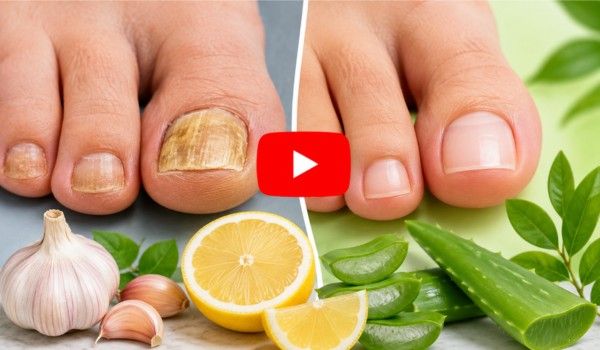
Do Hydrogen Peroxide or Baking Soda Cure Toenail Fungus?
Hydrogen peroxide and baking soda are also frequently suggested in home-remedy discussions.
There is no strong clinical evidence showing that either can reliably eliminate an established fungal infection living underneath a toenail. Hydrogen peroxide may also irritate surrounding tissue, particularly when applied repeatedly at inappropriate concentrations.
The key issue is penetration. A substance can have antimicrobial properties and still fail as a nail treatment if it cannot reach the organisms within the nail unit in an effective concentration.
For persistent toenail fungus, proper diagnosis and proven antifungal treatment provide a more reliable approach.
How to Apply Topical Toenail Fungus Treatment Correctly
Instructions vary between products, so the directions supplied with a prescription should always take priority.
🔷 In general, a useful routine looks something like this:
🔷 Step 1: Clean the Feet
Wash the feet and remove visible dirt or debris around the toenails.
🔷 Step 2: Dry Completely
Dry the nail and the skin between the toes thoroughly. Constant moisture favors fungal growth.
🔷 Step 3: Trim When Needed
Keep the nail reasonably short without cutting deeply into the corners or surrounding skin.
🔷 Step 4: Thin Thick Nail Carefully
If recommended by a healthcare provider, gently file excessive thickness or have professional debridement performed.
🔷 Step 5: Apply the Medication Exactly as Directed
Some nail solutions must cover the entire nail, the nail folds, the tip, and the accessible area beneath the nail. Others have specific lacquer instructions.
🔷 Step 6: Allow the Product to Dry
Avoid immediately covering a wet medication with socks or shoes unless the product instructions say otherwise.
🔷 Step 7: Repeat Consistently
Missing frequent applications may reduce the likelihood of successful treatment. For prescription topical medications for toenail fungus, treatment often continues for many months.
How Long Does Topical Toenail Fungus Treatment Take?
This is one of the most important expectations to establish before beginning.
For prescription efinaconazole and tavaborole, treatment is generally applied daily for 48 weeks. Ciclopirox treatment for toenails may similarly continue for approximately 48 weeks.
Yet 48 weeks of medication does not mean the toenail suddenly looks perfect on the last day.
A healthier-looking area typically becomes visible near the base of the nail and gradually moves forward as the toenail grows. Completely replacing a damaged toenail can take up to roughly 18 months.
Progress should therefore be judged by healthy new growth at the base, not simply by whether the old damaged tip still appears discolored.
Taking a clear photograph every four to six weeks under similar lighting can make gradual improvement easier to recognize.
Can Nail Polish Be Used During Treatment?
This depends on the medication being used.
Cosmetic nail polish, artificial nails, nail wraps, and other products can interfere with the application or penetration of certain prescription topical treatments. Product-specific directions should therefore be followed.
Do not assume that a prescription “nail lacquer” works like ordinary cosmetic nail polish. Ciclopirox lacquer is medication, and its application and removal schedule is part of the treatment.
Ask a pharmacist or prescribing healthcare professional whether cosmetic nail products should be avoided with your specific medicine.
What If You Also Have Athlete’s Foot?
Treating athlete’s foot at the same time as toenail fungus can be important.
Fungal infection between the toes or on the soles of the feet may provide a reservoir from which fungi can spread back toward the toenails. Evidence-based prevention guidance therefore recommends recognizing and treating tinea pedis when present.
Unlike nail fungus, athlete’s foot often responds well to ordinary nonprescription topical antifungal creams or sprays.
Keep the skin between the toes dry and follow the product directions for the full recommended treatment period rather than stopping as soon as itching disappears.
Preventing Reinfection During Topical Treatment
Medication alone may not be enough if the feet are repeatedly exposed to conditions that encourage reinfection.
🔷 Keep Feet Dry
Fungi thrive in warm, damp environments. Dry between the toes carefully after bathing.
🔷 Change Socks Regularly
Replace sweaty or damp socks rather than leaving the feet moist for long periods.
🔷 Rotate Shoes
Allow footwear time to dry between uses whenever possible.
🔷 Wear Protective Footwear in Communal Areas
Sandals or shower shoes can reduce direct contact with damp public floors in locker rooms, pools, and communal showers.
🔷 Do Not Share Nail Tools
Avoid sharing nail clippers, files, or pedicure tools.
🔷 Clean Nail Equipment
Clean personal nail tools after use rather than repeatedly introducing contaminated debris to healthy nails.
🔷 Treat Athlete’s Foot Promptly
Fungal infection of the surrounding skin can contribute to recurrent nail problems.
Preventive measures, including keeping feet dry, disinfecting shoes and socks, avoiding exposure to barefoot surfaces in public areas, and managing athlete’s foot, may reduce the risk of recurrence.

When Is Topical Treatment Not Enough?
Topical antifungals have an important role, but they are generally less effective than oral antifungal therapy.
🔷 A clinician may consider oral treatment when:
- Half or more of the nail is involved
- The nail matrix is affected
- More than three toenails are infected
- The infection is severely thickened or dystrophic
- A fungal mass called a dermatophytoma is present
- Topical treatment has not produced an adequate response
- The infection repeatedly returns
Evidence reviews consistently find that oral antifungals, particularly terbinafine when medically appropriate, are more effective than topical therapy for established onychomycosis.
Oral antifungals are not appropriate for everyone, however. They can have systemic side effects and drug interactions, which is why treatment should be individualized by a healthcare professional.
Why Confirming the Diagnosis Matters
Buying several antifungal products will accomplish very little if fungus is not actually causing the abnormal nail.
Only about half of nail dystrophies are associated with fungal infection, according to evidence summarized by the AAFP. Psoriasis, repeated shoe trauma, dermatitis, inflammatory nail disease, and bacterial conditions can produce similar-looking changes.
🔷 A healthcare professional may use:
- Potassium hydroxide microscopy
- Fungal culture
- Nail clipping with special staining
- Polymerase chain reaction testing
The specific test used depends on availability and the clinical situation.
Confirming fungus becomes especially valuable before committing to months of medication or considering oral antifungal therapy.
When Should You See a Doctor for Toenail Fungus?
Professional evaluation is advisable if the nail continues worsening despite appropriate home treatment or if the diagnosis is uncertain.
🔷 Seek medical care sooner when:
- The toenail becomes painful
- Redness or swelling develops around it
- Pus or drainage appears
- Several nails become infected
- The nail becomes extremely thick
- The infection extends toward the base of the nail
- Walking becomes uncomfortable
- Treatment repeatedly fails
- You have diabetes
- You have poor circulation
- You have reduced sensation in your feet
- Your immune system is weakened
People with diabetes or impaired circulation should be especially cautious with self-treatment, aggressive filing, and cutting thick nails because small injuries can become more difficult to heal.
Can Toenail Fungus Come Back After Successful Treatment?
Yes. Reinfection and recurrence are well-recognized problems.
Even when medication successfully clears the original infection, exposure to the fungus can recur through infected skin, footwear, shared facilities, or other sources. Evidence reviews estimate that a meaningful proportion of successfully treated infections recur.
This is why prevention should continue after the toenail looks normal.
Keeping feet dry, quickly managing athlete’s foot, maintaining clean nail tools, avoiding walking barefoot in communal wet environments, and allowing shoes to dry thoroughly can all be part of a long-term prevention strategy.
Are Laser Treatments Better Than Topical Antifungals?
Laser devices are frequently promoted as an alternative for toenail fungus, but their role remains less established than standard antifungal medication.
Some laser technologies have regulatory clearance related to temporary improvement in the appearance of fungal nails, and research continues into laser, photodynamic, and other device-based treatments. Evidence reviews have concluded that larger and stronger randomized studies are still needed to determine how reliably these approaches eradicate fungal infection.
Therefore, laser therapy should not automatically be viewed as a guaranteed substitute for proven antifungal treatment.
Topical Toenail Fungus Treatment: Realistic Expectations
The most successful treatment plan begins with realistic expectations.
Topical medication does not bleach an infected nail back to normal overnight. Instead, treatment aims to suppress or eradicate the fungal organisms so a healthier nail can gradually replace the diseased portion.
You may need to apply medication every day for close to a year. The toenail itself can then require additional months to grow out completely.
Prescription topical therapies also do not produce a complete cure in every patient. Clinical cure rates demonstrate why choosing the right candidates for topical treatment matters. Mild infections have a much better rationale for topical therapy than severely thickened infections involving most of several nails.
Consistency, nail care, treatment of accompanying athlete’s foot, and prevention of reinfection can all influence the overall result.
Frequently Asked Questions About Topical Treatments for Toenail Fungus
What is the strongest topical treatment for toenail fungus?
Prescription efinaconazole, tavaborole, and ciclopirox are established topical options for fungal nail infections. Across separate clinical trials summarized by the AAFP, efinaconazole produced higher complete cure percentages than the other two, although treatment selection should not be based on percentages alone.
Can toenail fungus be cured without pills?
Some mild or early cases can respond to topical treatment, particularly when only a small portion of the nail is affected and the infection has not reached the matrix. More extensive infections often respond better to systemic treatment.
How long should I use topical antifungal treatment?
Several prescription topical therapies for toenail onychomycosis are used daily for approximately 48 weeks. Always follow the duration prescribed for the specific medication.
Why does my toenail still look bad after the fungus is treated?
The damaged part of the toenail does not repair itself. It must grow forward and be replaced by a healthy new nail, which may take many months.
Can athlete’s foot cream cure toenail fungus?
Ordinary antifungal skin creams can be useful for athlete’s foot and may sometimes be tried for superficial fungal nail problems, but they generally have greater difficulty penetrating an established infected nail than medications specifically formulated for onychomycosis.
Should I remove the infected toenail?
Routine nail removal is not necessary for most mild infections. Temporary nail removal or other debridement approaches may occasionally be considered when infection is severe or medical therapy fails.
Can I stop treatment when the nail starts looking better?
Do not stop a prescription antifungal simply because early improvement becomes visible. Completing the recommended treatment period is important unless the prescribing clinician advises otherwise.
Final Thoughts
Topical treatments can be a practical option for people with mild or early toenail fungus, particularly when only a small number of nails are affected, and the infection has not reached the nail matrix.
Among prescription choices, efinaconazole 10%, tavaborole 5%, and ciclopirox 8% nail lacquer are established options. Each requires long-term consistency rather than occasional application.
Efinaconazole and tavaborole are generally applied daily for 48 weeks, while ciclopirox toenail treatment may also continue for roughly the same period.
The greatest challenge is patience. Even successful antifungal therapy cannot instantly replace damaged nail. Healthy nail must slowly grow from the base toward the tip, and complete toenail regrowth can take well over a year.
Careful trimming, professional debridement when necessary, treatment of athlete’s foot, dry footwear, clean nail tools, and consistent application can support a treatment plan.
Home remedies such as tea tree oil, vinegar, and mentholated ointments have received attention, but the evidence for them remains considerably less convincing than that for established prescription therapies.
Most importantly, do not assume every yellow or thick nail is fungal. If symptoms are persistent, widespread, painful, or difficult to identify, professional diagnosis can prevent months of unnecessary treatment and help determine whether topical therapy, oral medication, or another strategy is most appropriate.
Reference
https://www.mayoclinic.org/diseases-conditions/nail-fungus/symptoms-causes/syc-20353294
https://www.webmd.com/skin-problems-and-treatments/treat-toenail-fungus
https://www.healthline.com/health/home-remedies-for-toenail-fungus
https://en.wikipedia.org/wiki/Onychomycosis
About Us
