Canaan Honey Trick for Eyes & Memory Support: Explained
The Canaan Honey Trick for Eyes and Memory Support has become an increasingly searched wellness topic among people looking for simple, natural ways to support clearer thinking, healthy aging, and long-term eye health.
Honey has been valued as both a food and a traditional wellness ingredient for thousands of years, so it is understandable that modern wellness trends continue to link it to everything from energy and immunity to brain and vision support.
However, there is an important distinction to make from the beginning. The term “Canaan Honey Trick” is not the name of an established medical treatment or standardized clinical protocol.
The Canaan Honey Trick is a honey-based wellness routine promoted for eye and memory support, but evidence is limited and it is not a proven treatment.

It is primarily an online wellness phrase associated with honey-based routines and products promoted for vision, circulation, focus, and memory support.
That does not mean honey has no nutritional value. Natural honey contains carbohydrates along with varying amounts of phenolic compounds, flavonoids, and other antioxidants.
Researchers have investigated these compounds for their possible effects on oxidative stress, inflammation, neurological health, and healthy aging.
But honey should be viewed as a food that may complement an overall healthy lifestyle—not as a cure for dementia, cataracts, glaucoma, macular degeneration, memory loss, or other medical conditions.
This guide explains what people generally mean by the Canaan Honey Trick for eyes and memory, how a safer version of the routine can be used, what researchers know about honey and cognitive health, and which lifestyle habits matter most for maintaining healthy vision and memory.
What Is the Canaan Honey Trick?
The phrase “Canaan Honey Trick” generally refers to a wellness routine that involves regularly consuming a small amount of honey, often in the morning or alongside another beverage or nutritious food.
There is no single scientifically established Canaan Honey Trick recipe.
Different versions circulating online may combine honey with warm water, herbal tea, spices, or other natural ingredients. Other versions use the term to market dietary supplements positioned for memory, circulation, brain function, or vision support.
The word “Canaan” may also evoke the historical or biblical association between the ancient land of Canaan and the famous expression “land of milk and honey.” However, modern claims surrounding a Canaan Honey Trick should not be confused with historical evidence of a specific medical remedy.
For health purposes, the safest way to think about the trend is simply as a honey-based dietary ritual.
Rather than expecting one spoonful of honey to restore eyesight or dramatically improve memory, it makes more sense to use honey moderately within a broader diet rich in vegetables, berries, nuts, fish, whole grains, and other nutrient-dense foods.
What Is the Canaan Honey Trick for Eyes and Memory Support?
A practical version of the Canaan Honey Trick for Eyes and Memory Support involves consuming a modest portion of honey rather than applying honey directly to the eyes.
A simple version could be:
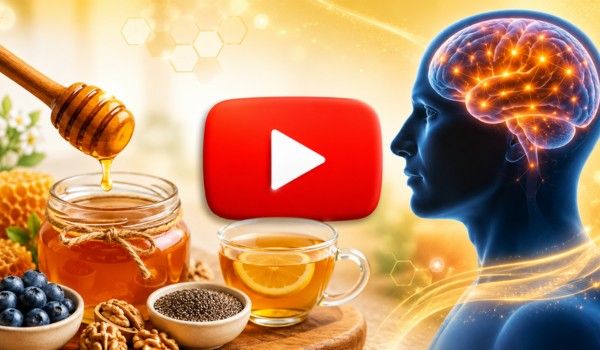
- 1 teaspoon of honey
- 6–8 ounces of warm water or unsweetened tea
- Optional serving of berries, walnuts, or another nutrient-rich food alongside it
- Consume as part of breakfast or another balanced meal
The purpose of this routine is not to provide an instant medical effect.
Instead, honey provides a small amount of naturally occurring antioxidant compounds while the rest of the meal can supply nutrients associated with brain, cardiovascular, and eye health.
It is also important to keep portions small because honey remains a concentrated source of sugar.
Why Has the Canaan Honey Trick Become Popular?
Natural health “tricks” spread quickly online because they are usually simple, inexpensive, and easy to understand.
Honey is particularly appealing because it has been used as a food and traditional remedy across many cultures for centuries. Three ideas appear to drive much of the interest in the Canaan Honey Trick.
First is honey’s antioxidant content. Oxidative stress is involved in normal aging and has been extensively studied in connection with both neurological and eye health.
Second is the brain’s dependence on glucose for energy. Because honey contains sugars, some people interpret the temporary energy supplied by honey as evidence of a memory-enhancing effect. However, providing glucose to the body is different from treating cognitive impairment.
Third is the growing interest in plant compounds such as polyphenols and flavonoids. Honey contains varying concentrations of these compounds depending on floral source, geography, processing, and storage.
These factors provide legitimate areas for research, but they do not prove the dramatic claims sometimes attached to viral honey remedies.
How Does the Canaan Honey Trick Work?
The proposed benefits of the Canaan Honey Trick usually center around three mechanisms: antioxidant activity, energy availability, and overall dietary quality.
1. Antioxidant Support
Honey naturally contains compounds with antioxidant activity, including different phenolic acids and flavonoids.
Antioxidants help the body manage reactive molecules commonly referred to as free radicals. Excessive oxidative stress can damage cellular structures over time, which is one reason antioxidant-rich dietary patterns are studied in relation to healthy aging.
Researchers have specifically explored whether honey’s antioxidant compounds may have neuroprotective properties.
Most importantly, however, antioxidant activity observed in laboratory or animal research does not automatically mean eating honey will prevent memory loss in humans.
Honey should therefore be considered one small potential source of dietary antioxidants rather than a treatment.
2. Energy for the Brain
The human brain requires a steady energy supply.
Honey primarily contains simple carbohydrates, including glucose and fructose. Consuming honey can therefore provide readily available dietary energy.
This may help explain why someone occasionally feels more alert after eating something containing carbohydrates, particularly when they have not eaten for several hours.
But this effect should not be confused with the reversal of neurological disease.
Long-term brain health depends on many factors, including cardiovascular health, physical activity, sleep, blood pressure management, social engagement, nutrition, and treatment of underlying medical conditions.
3. Supporting a Nutrient-Rich Routine
The greatest value of a honey ritual may come from how it is incorporated into the rest of a person’s diet.
For example, one teaspoon of honey added to unsweetened oatmeal topped with blueberries and walnuts creates a very different nutritional pattern from adding several tablespoons of honey to a sugary breakfast.
Likewise, honey added sparingly to plain yogurt or unsweetened tea may help someone replace a heavily refined dessert or sugar-sweetened beverage.
The overall dietary pattern matters substantially more than the honey alone.

Can Honey Really Support Memory?
Honey and brain health have received scientific attention.
Reviews of existing research have discussed possible neuroprotective, antioxidant, anti-inflammatory, and memory-related properties of honey and its naturally occurring compounds.
Some experimental studies have reported encouraging findings related to learning, memory, oxidative stress, and neurological function.
However, much of the research remains preliminary.
Laboratory experiments and animal studies cannot establish that honey will prevent dementia or significantly improve memory in humans. Human trials are much more important for determining whether a treatment produces meaningful clinical benefits.
Researchers continue to study honey and other polyphenol-rich foods, but current evidence is not sufficient to recommend honey as a treatment for Alzheimer’s disease or other forms of cognitive impairment.
Honey and Cognitive Aging
Normal memory changes can occur with age, but serious or rapidly progressing memory problems should not simply be attributed to aging.
Healthy cognitive aging is influenced by many interconnected factors.
According to aging research organizations, maintaining cardiovascular health, remaining physically active, eating a nutritious diet, getting adequate sleep, staying socially engaged, and managing chronic conditions may all contribute to maintaining cognitive health.
Dietary patterns such as the Mediterranean and MIND diets receive considerably more scientific attention for healthy cognitive aging than any single honey-based remedy.
These eating patterns emphasize foods such as:
- Green leafy vegetables
- Other vegetables
- Berries
- Nuts
- Whole grains
- Beans
- Fish
- Olive oil
Honey can fit into such a diet in small quantities, but it should not displace these more nutrient-dense foods.
Does the Canaan Honey Trick Help Eyesight?
There is currently no reliable evidence showing that eating honey can restore lost eyesight.
Honey’s antioxidants make it scientifically interesting, but normal visual function depends on numerous nutrients, biological structures, and health conditions.
Age-related eye health is influenced by factors including genetics, smoking, cardiovascular health, diabetes, diet, ultraviolet exposure, and specific eye diseases.
Nutrients with established importance to eye physiology include vitamins and carotenoids such as lutein and zeaxanthin.
Lutein and zeaxanthin are particularly interesting because they accumulate in the retina. They are naturally found in foods such as spinach, kale, collard greens, broccoli, peas, and eggs.
Therefore, someone interested in protecting their eyesight should focus more on overall nutritional quality and regular eye examinations than on relying on honey.
The Connection Between Eye Health and Brain Health
Eye and brain health are more closely connected than many people realize. The retina is neural tissue, and visual information travels from the eyes to the brain through complex neurological pathways.
Many of the lifestyle factors associated with cardiovascular and neurological health are also relevant to eye health.
For example, maintaining healthy blood pressure, controlling diabetes, avoiding smoking, remaining physically active, and eating a nutritious diet can have benefits that extend far beyond a single organ.
This is one reason the Canaan Honey Trick makes more sense when viewed as part of an overall wellness routine rather than an isolated remedy.
A Safer Canaan Honey Trick Recipe
People searching for a Canaan Honey Trick recipe for memory and eyesight may want a simple routine they can actually follow.
Here is a conservative food-based version.
Ingredients
- 1 teaspoon natural honey
- 1 cup warm water or unsweetened herbal tea
- Optional squeeze of fresh lemon for flavor
- A nutrient-dense breakfast
Directions
Add approximately one teaspoon of honey to warm—not necessarily boiling—water or tea. Stir until dissolved. Drink it alongside a balanced breakfast containing protein, fiber, healthy fats, vegetables, fruit, or whole grains.
A breakfast might include oatmeal with berries and walnuts, plain yogurt with fruit, eggs with leafy greens, or whole-grain toast with avocado.
The nutritional value of the entire meal is more important than the teaspoon of honey.
Should You Put Honey Directly in Your Eyes?
No ordinary kitchen honey should be placed directly into the eyes. This is one of the most important safety points surrounding online honey-eye trends.
Research has investigated specially prepared, medically formulated honey products for certain ophthalmic applications. That does not mean ordinary raw, organic, Manuka, or grocery-store honey is safe to use as homemade eye drops.
Products intended for the eye require appropriate manufacturing and sterility standards. Putting non-sterile substances into the eyes may result in irritation, pain, contamination, or potentially more serious complications.
Therefore, the Canaan Honey Trick described in this article refers to dietary consumption only—not putting honey in the eyes.
Anyone experiencing eye redness, severe pain, flashing lights, sudden floaters, sudden blurry vision, double vision, or loss of vision should seek appropriate medical evaluation instead of experimenting with homemade eye remedies.

What Does Research Say About Honey and Brain Health?
Scientific reviews have examined studies involving honey and neurological health. Researchers have proposed several possible mechanisms, including:
Antioxidant Activity
Polyphenols found in honey may influence pathways involved in oxidative stress.
Neuroinflammation
Some experimental research suggests honey-derived compounds may affect inflammatory pathways relevant to neurological health.
Cellular Protection
Researchers have investigated whether antioxidant compounds found in honey could help protect cells from certain types of oxidative damage.
Learning and Memory
Animal and preliminary human research has generated interest in honey’s potential role in learning and memory.
These findings justify continued scientific investigation. They do not establish honey as a clinically proven memory enhancer, a dementia-prevention therapy, or an Alzheimer’s treatment.
What the Canaan Honey Trick Cannot Do
The biggest problem with natural-health trends is often not the food itself but the exaggerated expectations surrounding it.
The Canaan Honey Trick should not be expected to:
- Cure Alzheimer’s disease
- Reverse dementia
- Restore damaged eyesight
- Cure glaucoma
- Remove cataracts
- Eliminate macular degeneration
- Permanently correct blurry vision
- Replace prescription medication
- Replace an eye examination
- Replace evaluation for memory problems
Any advertisement that suggests guaranteed results in these areas warrants significant skepticism.
Best Foods to Combine With the Canaan Honey Trick for Eye Support
If eye health is the main goal, combining a small amount of honey with an overall nutrient-rich diet is more sensible than increasing honey consumption.
1. Dark Leafy Greens
Spinach, kale, collard greens, and similar vegetables provide lutein and zeaxanthin. These carotenoids are associated with retinal physiology and have been extensively investigated in age-related eye research.
2. Eggs
Egg yolks provide lutein and zeaxanthin along with protein and other nutrients.
3. Colorful Fruits and Vegetables
Foods such as oranges, peppers, berries, carrots, sweet potatoes, tomatoes, and broccoli contribute different vitamins, carotenoids, and antioxidants.
4. Fish
Fatty fish such as salmon, sardines, trout, and mackerel provide omega-3 fatty acids and high-quality protein.
5. Nuts and Seeds
Walnuts, almonds, chia seeds, and flaxseed can contribute healthy fats and other nutrients to a balanced diet.
Best Foods to Combine With Honey for Memory Support
The same principle applies to cognitive health. Rather than consuming large quantities of honey, use a small serving alongside foods commonly included in brain-healthy dietary patterns.
Berries
Blueberries, strawberries, raspberries, and blackberries contain numerous plant compounds and are commonly emphasized in MIND-style eating patterns.
Walnuts
Walnuts provide unsaturated fats, fiber, protein, and plant compounds.
Leafy Vegetables
Leafy greens provide folate, carotenoids, vitamin K, and numerous other nutrients.
Whole Grains
Whole-grain oats, brown rice, barley, and similar foods provide fiber and can help create balanced meals.
Fish
Fish provides protein and, depending on the type, omega-3 fatty acids.
Beans
Beans offer fiber, plant protein, minerals, and slowly digested carbohydrates.
How Much Honey Should You Use?
More honey does not necessarily mean greater health benefits. Honey is still a concentrated source of sugar and calories.
For someone following this wellness routine, approximately one teaspoon is a reasonable culinary amount unless a healthcare professional has advised otherwise.
There is no scientifically established dose of honey that has been shown to improve memory or eyesight.
People who have diabetes, insulin resistance, problems controlling blood glucose, or medically prescribed carbohydrate restrictions should consider the sugar content of honey carefully.
Honey should be treated nutritionally as a sweetener—not as a free food simply because it is natural.
When Is the Best Time to Take the Canaan Honey Trick?
There is no scientifically proven “best” time. Many versions recommend consuming honey in the morning because it fits naturally into breakfast. Others prefer adding a small amount to evening tea.
From a practical perspective, consistency in an overall healthy lifestyle is more important than whether honey is consumed at 7:00 a.m., noon, or later in the day.
A useful approach is to consume it with a balanced meal rather than eating honey on its own throughout the day.
Canaan Honey Trick Morning Routine
A balanced morning routine might look like this:
Step 1: Drink water after waking.
Step 2: Prepare unsweetened tea or warm water.
Step 3: Add approximately one teaspoon of honey.
Step 4: Eat a nutritious breakfast containing protein and fiber.
Step 5: Include berries or leafy greens when practical.
Step 6: Take a short walk or engage in another appropriate form of physical activity.
This broader routine offers significantly more potential value for long-term health than focusing exclusively on honey.
Additional Habits That Support Healthy Memory
If maintaining memory is the goal, several lifestyle practices deserve greater attention than any single food.
Stay Physically Active
Regular physical activity supports cardiovascular health and is consistently investigated for its relationship with healthy brain aging.
Walking, cycling, swimming, strength training, and other appropriate activities can all contribute to an active lifestyle.
Protect Your Sleep
Poor sleep can make concentration and recall noticeably more difficult. Consistent sleep habits are therefore important for both daily cognitive performance and general health.
Maintain Social Connections
Conversation, relationships, hobbies, community activities, and social engagement provide ongoing cognitive stimulation.
Challenge Your Brain
Reading, learning new skills, solving problems, playing music, writing, and other mentally engaging activities can help keep the brain active.
Manage Cardiovascular Risk Factors
Blood pressure, cholesterol, diabetes, physical inactivity, and smoking are important health issues worth addressing with appropriate medical guidance.
Additional Habits That Support Healthy Eyes
Eye health also depends on more than nutrition.
Get Routine Eye Exams
Some eye diseases can develop before a person notices obvious symptoms. Regular comprehensive eye examinations become increasingly important with age or when risk factors are present.
Control Blood Sugar
Long-term uncontrolled diabetes can damage structures in the eyes. People with diabetes should follow recommended screening schedules and work with healthcare professionals to manage blood glucose.
Stop Smoking
Smoking is associated with numerous diseases, including serious eye conditions.
Wear UV-Protective Sunglasses
Proper sunglasses can reduce exposure to ultraviolet radiation.
Follow the 20-20-20 Approach for Screens
People spending long periods using computers may find regular visual breaks useful for reducing digital eye strain.
Who Should Be Careful With Honey?
- Although honey is a common food, it is not appropriate for everyone in every situation.
- People with diabetes or difficulty regulating blood glucose may need to monitor portion sizes carefully.
- Anyone with an allergy to honey or related bee products should avoid it.
- Most importantly, honey should never be given to children younger than 12 months because of the risk of infant botulism.
- People following medically prescribed diets should also consider honey’s carbohydrate and sugar content.
Canaan Honey Trick: Myth vs. Reality
| Claim | What We Know |
| Honey instantly restores eyesight | Not supported by reliable clinical evidence |
| Honey cures cataracts | Not established |
| Honey cures glaucoma | Not established |
| Honey reverses Alzheimer’s disease | Not established |
| Honey contains antioxidant compounds | Supported |
| Honey has been studied for neurological effects | Yes, but research remains limited |
| Diet can influence overall brain and eye health | Supported by broader research |
| Putting kitchen honey directly into the eye is safe | Not recommended |
| Honey can be part of a healthy diet | Yes, when consumed moderately |

Is the Canaan Honey Trick Worth Trying?
For most adults who can safely consume honey, using a teaspoon as part of a nutritious diet is relatively straightforward. The problem arises when the Canaan Honey Trick is marketed as something it is not.
It should not be purchased or followed with the expectation that it will restore lost vision, reverse dementia, eliminate cataracts, or replace medical treatment.
A more reasonable expectation is that honey can provide flavor, carbohydrates, and small amounts of naturally occurring antioxidant compounds while fitting into a broader healthy eating pattern.
That may sound less dramatic than viral social-media promises, but it is a much more realistic way to approach nutrition.
Frequently Asked Questions
What is the Canaan Honey Trick for eyes?
The term generally describes an online honey-based wellness trend associated with vision support. There is no medically recognized Canaan Honey Trick proven to improve eyesight, and ordinary honey should not be placed directly into the eyes.
What is the Canaan Honey Trick for memory?
It usually refers to consuming a small amount of honey as part of a wellness routine intended to support brain health. Honey contains antioxidant compounds that researchers have studied, but it has not been proven to cure or reverse memory disorders.
Can honey improve memory?
Preliminary research has explored honey’s possible antioxidant and neuroprotective effects. More high-quality human clinical research is necessary before honey can be considered a proven memory-enhancing intervention.
Can honey improve eyesight?
There is no strong evidence that eating honey restores eyesight. Maintaining healthy vision depends on nutrition, cardiovascular health, blood sugar management, smoking status, genetics, eye examinations, and many other factors.
Can I put honey directly into my eyes?
Ordinary kitchen honey should not be used as homemade eye drops. Research involving specially manufactured medical honey preparations does not establish the safety of putting grocery-store or raw honey directly into the eye.
What is the safest Canaan Honey Trick recipe?
A conservative version is approximately one teaspoon of honey stirred into warm water or unsweetened tea and consumed as part of a balanced meal.
Should I use raw honey or regular honey?
Different honey varieties contain different concentrations of naturally occurring compounds. There is currently no convincing evidence showing that one ordinary culinary honey will dramatically improve memory or eyesight compared with another.
How often can I use the Canaan Honey Trick?
A small amount can fit into many people’s diets, but honey counts toward overall sugar consumption. Individuals with diabetes or other metabolic concerns should discuss appropriate carbohydrate intake with their healthcare provider.
Does honey prevent dementia?
Honey should not be considered a proven dementia-prevention treatment. Broader lifestyle factors such as physical activity, cardiovascular health, nutritious eating, good sleep, and social engagement have substantially more evidence behind them.
Does the Canaan Honey Trick work immediately?
There is no evidence showing that a honey ritual produces an immediate restoration of eyesight or memory. Claims promising dramatic results within minutes or days should be approached cautiously.
Final Thoughts on the Canaan Honey Trick for Eyes and Memory Support
The Canaan Honey Trick for Eyes and Memory Support is an interesting example of how traditional foods can become modern wellness trends.
Honey is more than simple table sugar in the sense that it contains a variety of naturally occurring compounds, including phenolics and flavonoids. Researchers continue to investigate honey’s antioxidant, anti-inflammatory, neurological, and other biological properties.
However, this emerging research should not be stretched into claims that honey can cure dementia, restore damaged eyesight, eliminate cataracts, or treat serious eye disease.
The safest version of the Canaan Honey Trick is remarkably simple: use a modest amount of honey as food, maintain a nutrient-rich diet, stay physically active, protect your cardiovascular health, get sufficient sleep, and schedule regular medical and eye examinations.
For eye health, prioritize vegetables rich in lutein- and zeaxanthin-rich vegetables, colorful fruits and vegetables, fish, nuts, and other nutrient-dense foods.
For memory support, emphasize an overall Mediterranean- or MIND-style dietary pattern alongside exercise, sleep, cognitive activity, and management of cardiovascular risk factors.
Most importantly, do not place ordinary honey directly into your eyes.
Natural foods can play a valuable supporting role in a healthy lifestyle, but responsible wellness advice requires separating plausible nutritional benefits from exaggerated treatment claims.
That distinction is ultimately what makes the Canaan Honey Trick most useful: not as a miracle remedy, but as a reminder that small, sustainable nutritional habits work best when they are part of a much larger approach to lifelong brain and eye health.
References
https://en.wikipedia.org/wiki/Honey
https://www.webmd.com/diet/honey-health-benefits
https://www.healthline.com/nutrition/benefits-of-honey
https://www.mayoclinic.org/drugs-supplements-honey/art-20363819
About Us