Top 10 Hair Growth Tips From a Trichologist: 2026 Guide
Hair growth is influenced by many factors, including genetics, nutrition, scalp health, lifestyle habits, hormones, and daily hair care practices.
Many people search for quick solutions when they notice thinning, excessive shedding, or slow-growing hair.
However, healthy hair growth usually requires understanding the root causes and following consistent strategies that support the natural hair cycle.
A trichologist is a specialist who focuses on scalp and hair health. These professionals study conditions that affect hair growth, including hair thinning, breakage, scalp irritation, and excessive shedding.
Their approach often focuses on improving the scalp environment, maintaining proper nutrition, and identifying habits that may interfere with healthy hair development.
Hair does not grow overnight. Each strand follows a natural growth cycle that includes active growth, transition, resting, and shedding phases. Supporting this cycle requires patience and a complete approach rather than relying on a single solution.
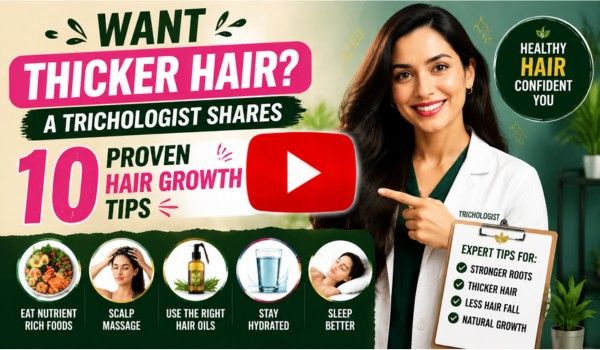

Below are the top 10 hair growth tips recommended by trichologists to help maintain stronger, healthier-looking hair.
1. Maintain a Healthy Scalp Environment
A healthy scalp is the foundation of healthy hair growth. Hair follicles are located beneath the scalp surface, and their condition directly affects how well hair can develop.
Many people focus only on the visible part of their hair while ignoring scalp care. However, excess oil, product buildup, dryness, and irritation can create an unhealthy environment around the follicles.
Regular scalp cleansing helps remove sweat, oil, dead skin cells, and styling product residue. A clean scalp allows follicles to function properly and supports normal hair growth conditions.
Trichologists often recommend choosing a shampoo based on scalp needs rather than only hair type.
For example, individuals with oily scalps may need more frequent cleansing, while those with dry scalps may benefit from gentle, moisturizing formulas.
Scalp massage is another simple technique that may support circulation. Gentle massage movements can help increase blood flow around the scalp area, providing follicles with better access to oxygen and nutrients.
Avoid aggressive scratching or harsh brushing because it can irritate the scalp and contribute to unnecessary hair stress.
2. Focus on Proper Nutrition for Hair Growth
Hair growth depends heavily on nutritional support. Hair follicles require a steady supply of essential nutrients to produce strong strands.
A diet lacking important nutrients may contribute to increased shedding, weaker hair texture, and slower growth.
Trichologists often emphasize the importance of consuming a balanced diet containing adequate protein, vitamins, minerals, and healthy fats.
Hair strands are primarily made of keratin, a protein structure. Therefore, insufficient protein intake can affect hair strength and overall appearance.
Foods that support hair health include:
- Eggs for protein and important nutrients
- Fish containing healthy fatty acids
- Nuts and seeds with minerals and beneficial fats
- Leafy greens containing vitamins and minerals
- Fruits providing antioxidants
- Legumes offering plant-based protein
Iron, zinc, vitamin D, and certain B vitamins are commonly discussed in relation to hair health. Low levels of these nutrients may affect normal hair growth cycles in some individuals.
Instead of focusing on one specific food, aim for dietary variety. A nutrient-rich eating pattern provides the building blocks needed for maintaining healthy hair.
3. Avoid Excessive Heat Styling
Frequent heat styling is one of the most common causes of hair damage. Flat irons, curling tools, and high-temperature blow dryers can weaken the hair structure over time.
Heat does not usually affect the follicle beneath the scalp, but it can damage the hair shaft. This may lead to dryness, split ends, breakage, and the appearance of thinner hair.
Trichologists recommend reducing unnecessary heat exposure and using protective measures when styling.
Helpful practices include:
- Using lower heat settings
- Applying heat protectant products
- Allowing hair to partially air dry before blow drying
- Avoiding repeated passes with styling tools
Healthy hair growth requires protecting existing strands. Even when new hair is growing from the follicles, excessive damage can prevent hair from maintaining length.
Reducing heat-related stress allows hair to appear fuller, smoother, and stronger.
4. Choose Gentle Hair Care Practices
Daily hair habits can have a major impact on hair strength. Rough handling can weaken strands and increase breakage.
Many people unintentionally damage their hair through aggressive towel drying, tight hairstyles, or harsh brushing.
Trichologists recommend treating hair gently, especially when it is wet. Wet hair absorbs more water and becomes more vulnerable to stretching and breakage.
Better hair care habits include:
- Using a soft towel or microfiber towel
- Detangling slowly from the ends upward
- Choosing brushes suitable for your hair texture
- Avoiding excessive pulling during styling
Tight hairstyles, including very tight ponytails or buns, may place repeated tension on hair follicles. Over time, this stress can contribute to thinning around areas where tension occurs.
Keeping hairstyles comfortable and reducing mechanical stress can help protect hair density.
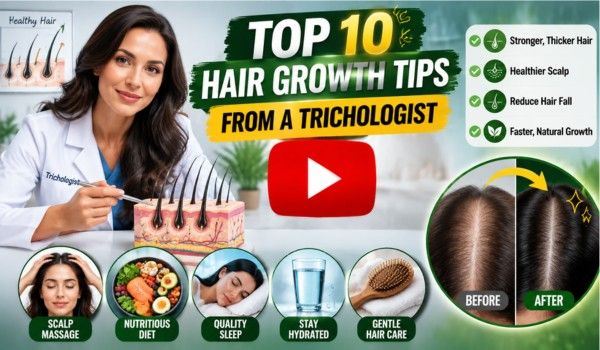
5. Manage Stress Levels Effectively
Stress is an often-overlooked factor connected with hair shedding. The body responds to prolonged stress in different ways, and hair growth can sometimes be affected.
A common stress-related concern is increased shedding. Some individuals notice more hair falling several weeks or months after experiencing significant physical or emotional stress.
This happens because stress can influence the normal hair growth cycle, causing more hairs to enter the resting phase before shedding.
Managing stress does not guarantee immediate hair growth, but it supports overall wellness and may help maintain healthier hair patterns.
Helpful stress management practices include:
- Regular physical activity
- Quality sleep routines
- Relaxation techniques
- Meditation or breathing exercises
- Spending time on enjoyable activities
Sleep is especially important because the body performs many repair processes during rest. Poor sleep patterns may negatively affect overall health, including hair quality.
6. Protect Your Hair From Chemical Damage
Hair coloring, bleaching, relaxing treatments, and chemical processing can change the structure of hair strands.
When performed too frequently or incorrectly, chemical treatments may weaken hair and increase breakage.
Trichologists suggest spacing out chemical procedures and choosing professional application whenever possible.
Signs of chemical damage may include:
- Increased dryness
- Rough texture
- Frequent breakage
- Loss of shine
- Difficulty managing hair
If chemical treatments are part of your routine, proper aftercare becomes important. Moisturizing treatments, gentle cleansing, and reduced heat exposure can help maintain hair condition.
Healthy hair growth is not only about producing new strands. Protecting existing hair helps maintain thickness and length over time.
7. Avoid Overwashing or Underwashing Hair
Finding the right washing routine depends on individual scalp conditions.
Some people wash too frequently, which may remove natural oils and contribute to dryness. Others avoid washing often enough, allowing oil and buildup to accumulate.
A trichologist typically evaluates scalp type when recommending cleansing frequency.
People with oily scalps may require more frequent washing, while those with dry scalps may benefit from longer intervals between washes.
The goal is maintaining scalp balance.
A balanced washing routine helps:
- Remove buildup
- Support scalp comfort
- Maintain natural moisture
- Keep follicles clean
Using the right cleansing approach can improve the overall scalp environment where hair growth begins.
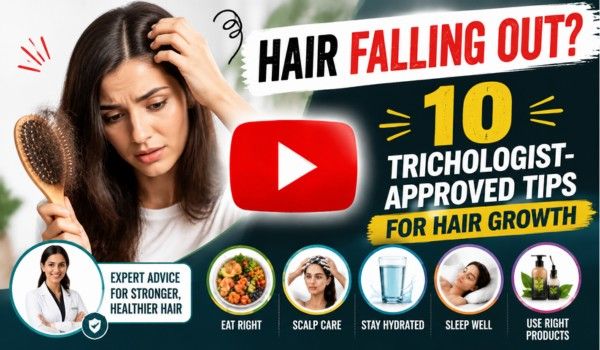
8. Use Hair Growth Products Based on Your Specific Needs
One of the biggest mistakes people make is choosing hair growth products without understanding their actual hair concerns.
Hair thinning, breakage, scalp dryness, excessive shedding, and slow growth can have different causes.
A trichologist usually begins by identifying the condition of the scalp, hair follicles, and overall hair pattern before suggesting a suitable approach.
Some people may experience temporary shedding due to stress, nutritional changes, illness, or lifestyle factors.
Others may have gradual thinning influenced by genetics or hormonal changes. Each situation requires a different strategy.
When selecting hair care products, consider ingredients and formulas designed to support:
- Scalp health
- Hair strength
- Moisture balance
- Follicle support
- Reduced breakage
Scalp-focused products may help maintain a healthier environment around the follicles. Hair-strengthening products can help protect the visible hair shaft from damage.
It is important to understand that most topical hair products require consistency. Hair growth follows a slow biological process, and noticeable changes often take several months.
Avoid switching between multiple products too quickly. Constantly changing routines makes it difficult to determine what works for your hair.
A simple, consistent routine with suitable products is usually more beneficial than using many different treatments at the same time.
9. Get Regular Trims to Protect Hair Length
Although trimming does not directly make hair grow faster from the scalp, it plays an important role in maintaining healthier-looking hair.
Hair growth begins inside the follicle, but the ends of the hair strand are exposed to daily stress from brushing, styling, weather conditions, and environmental factors.
When split ends develop, they can travel upward along the hair shaft and cause more breakage. This can make hair appear thinner and prevent people from achieving longer lengths.
Regular trims help remove damaged ends and maintain stronger-looking hair.
Trichologists often recommend trimming based on individual hair condition rather than following a strict schedule. People who frequently use heat styling or chemical treatments may need trims more often.
Benefits of regular trimming include:
- Reduced appearance of split ends
- Improved hair texture
- Easier styling
- Less breakage
- Healthier-looking length
A good hair growth routine focuses on both new growth and protecting existing strands. Maintaining the hair you already have is an important part of achieving fuller-looking hair.
10. Identify and Address Underlying Hair Loss Causes
One of the most important recommendations from trichologists is understanding why hair changes are happening.
Hair shedding can occur for many reasons. Some causes may be temporary, while others may require professional evaluation.
Common factors associated with hair changes include:
- Nutritional deficiencies
- Hormonal fluctuations
- Stress-related shedding
- Genetics
- Certain medications
- Scalp conditions
- Lifestyle changes
Many people try random treatments without identifying the underlying issue. This approach may delay finding an effective solution.
A trichologist can evaluate patterns of shedding, scalp condition, and hair quality to better understand possible contributing factors.
Professional evaluation may be helpful if you notice:
- Sudden excessive hair shedding
- Visible scalp areas
- Rapid thinning
- Persistent scalp irritation
- Changes in hair texture
Early attention can help identify potential causes and support better management.
Hair loss is not always preventable, but understanding the reason behind it is an important step toward improving hair health.
Common Hair Growth Mistakes That May Damage Hair Health
Many people unknowingly follow habits that can interfere with healthy hair maintenance. Avoiding these mistakes can help protect hair strength and scalp condition.
➢ Ignoring Scalp Care
The scalp is where every hair strand begins. Focusing only on styling products while ignoring scalp cleanliness may create problems over time.
A healthy scalp routine should include regular cleansing, gentle care, and attention to changes such as dryness, irritation, or excessive oiliness.
➢ Expecting Instant Results
Hair growth takes time. Many products and routines require consistent use before changes become noticeable.
The average hair growth cycle is gradual, and visible improvements depend on factors such as genetics, health status, nutrition, and daily habits.
Patience and consistency are essential parts of any hair care strategy.
➢ Using Too Many Products
Applying multiple products at once can overload the scalp and make it difficult to understand what is helping or causing irritation.
A simple routine with carefully selected products is often easier to maintain.
➢ Neglecting Overall Health
Hair health reflects many aspects of the body. Poor nutrition, inadequate sleep, chronic stress, and unhealthy lifestyle habits may influence hair quality.
Supporting overall wellness can create better conditions for maintaining healthy hair.
Lifestyle Habits That Support Healthy Hair Growth
Hair growth is closely connected with daily habits. Small improvements made consistently can support long-term hair health.
📌 Prioritize Quality Sleep
Sleep allows the body to repair and restore itself. Poor sleep patterns may affect overall wellness and contribute to increased stress levels.
Creating a regular sleep schedule can support better health, which may also benefit hair quality.
📌 Stay Hydrated
Water supports many body functions, including maintaining healthy skin and scalp conditions.
While drinking more water alone will not create faster hair growth, proper hydration supports overall body balance.
📌Exercise Regularly
Physical activity supports circulation and overall health. Good circulation helps deliver oxygen and nutrients throughout the body.
Regular movement can also support stress management, which is important because stress can influence hair shedding patterns.
When Should You Consult a Trichologist?
While normal shedding is part of the hair cycle, certain changes may require professional attention.
Consider consulting a trichologist if you experience:
- Sudden increase in hair loss
- Thinning areas on the scalp
- Persistent itching or irritation
- Pain or discomfort on the scalp
- Noticeable changes in hair density
- Hair shedding lasting several months
A professional assessment can help identify possible causes and create a personalized approach.
Many hair concerns improve when addressed early with appropriate care and lifestyle adjustments.
Final Thoughts: Building a Better Hair Growth Routine
Healthy hair growth requires a combination of proper scalp care, balanced nutrition, gentle styling habits, and consistent maintenance.
There is no single approach that works for everyone because hair health depends on many individual factors.
The top hair growth tips from a trichologist focus on creating the right conditions for stronger, healthier hair.
Maintaining a clean scalp, protecting hair from damage, managing stress, supporting nutrition, and identifying underlying causes are key steps.
Successful hair care is not about quick fixes. It is about understanding your hair needs and following habits that support long-term results.
Whether your goal is reducing breakage, improving hair strength, or supporting thicker-looking hair, small daily choices can make a meaningful difference.
A consistent routine combined with professional guidance when needed can help you maintain healthier hair and a balanced scalp environment.
References
https://www.ncbi.nlm.nih.gov/books/NBK470295/
https://my.clevelandclinic.org/health/diseases/16921-hair-loss
https://pubmed.ncbi.nlm.nih.gov/?term=hair+growth+and+hair+loss
About Us