Essential Oils for Nail Fungus – Best Natural Treatment Guide
Nail fungus is a common condition that affects millions of people worldwide. It often begins as a small white or yellow spot beneath the tip of the nail and can gradually spread deeper into the nail bed.
As the infection progresses, nails may become thick, brittle, discolored, and difficult to trim. While prescription medications and over-the-counter antifungal products are available, many people are turning to essential oils for nail fungus as a natural way to support healthy nails.
Essential oils have been used for centuries in traditional wellness practices because of their natural cleansing, soothing, and antimicrobial properties.
Some oils contain plant compounds that may help create an environment that is less favorable for fungal growth while supporting healthier-looking nails.
Discover the best essential oils for nail fungus, how to use them safely, their benefits, and tips to support healthier, stronger nails naturally.


Although essential oils should not replace professional medical treatment for severe infections, they can be part of a comprehensive nail care routine.
In this guide, you’ll learn how essential oils may help with nail fungus, which oils are considered the most effective, how to apply them safely, and what additional habits can support healthy nail growth.
What Is Nail Fungus?
Nail fungus, medically known as onychomycosis, is a fungal infection that affects either the fingernails or toenails. Toenails are affected much more frequently because they often remain in warm, moist environments inside shoes, creating favorable conditions for fungi to grow.
The infection usually starts at the edge of the nail and slowly spreads inward. Over time, the nail may become thicker, rougher, and more difficult to cut. In some cases, the nail separates from the nail bed or develops an unpleasant odor.
Although nail fungus is generally not life-threatening, it can become persistent if left untreated. Early care often helps prevent the infection from worsening and may improve the appearance of the nail over time.
What Causes Nail Fungus?
Several different fungi can cause nail infections, but dermatophytes are the most common. Yeasts and molds may also contribute to certain infections, especially in people with weakened immune systems.
Common causes include:
- Walking barefoot in public pools or locker rooms
- Wearing tight, sweaty shoes for long periods
- Poor foot hygiene
- Nail injuries
- Sharing nail clippers or footwear
- Athlete’s foot that spreads to the nails
- Aging, which slows nail growth
- Diabetes or reduced circulation
- Weakened immune function
Fungi thrive in warm, damp conditions. Once they enter through tiny cracks in the nail or surrounding skin, they can multiply and gradually damage the nail structure.
Common Symptoms of Nail Fungus
Recognizing nail fungus early may improve treatment outcomes. Common symptoms include:
- Yellow, white, or brown nail discoloration
- Thickened nails
- Brittle or crumbly edges
- Distorted nail shape
- Rough nail surface
- White patches beneath the nail
- Nail lifting from the nail bed
- Foul odor in advanced cases
- Difficulty trimming the nail
- Mild discomfort while wearing shoes
If the infection spreads to multiple nails or becomes painful, it’s important to consult a healthcare provider.
Can Essential Oils Help Nail Fungus?
Many essential oils contain naturally occurring compounds that have demonstrated antifungal activity in laboratory studies. These compounds may help reduce fungal growth on the surface of the nail while supporting healthier skin around the affected area.
Some essential oils also provide cleansing, soothing, and anti-inflammatory benefits that may improve the overall condition of damaged nails.
However, it is important to understand that nail fungus can be stubborn because fungi often live beneath the nail plate, where topical treatments have difficulty penetrating. Essential oils may work best when:
- The infection is mild
- Treatment begins early
- Oils are used consistently
- Nails are properly cleaned and trimmed
- Good foot hygiene is maintained
People with severe or long-standing fungal infections should seek medical advice, as prescription antifungal medications may be necessary.
How Essential Oils May Support Healthy Nails
Essential oils may support nail health in several different ways.
🔷 May Help Reduce Fungal Growth
Certain plant compounds found in essential oils have demonstrated antifungal properties in laboratory research. These natural compounds may help discourage fungal growth on the nail surface when applied consistently.
🔷 Helps Keep Nails Clean
Many essential oils possess natural cleansing properties that may help maintain a cleaner environment around infected nails, reducing the buildup of debris and microorganisms.
🔷 Supports Healthy Skin Around the Nail
Healthy skin surrounding the nail creates a stronger barrier against infection. Essential oils with soothing properties may help maintain skin comfort and hydration.
🔷 Promotes Better Nail Care
Using essential oils often encourages a consistent nail care routine that includes trimming, cleaning, moisturizing, and monitoring nail health.

Best Essential Oils for Nail Fungus
1. Tea Tree Oil
Tea tree oil is one of the most widely researched essential oils for nail fungus. Extracted from the leaves of the Australian tea tree, it has long been used in natural skincare and foot care products.
Laboratory studies suggest that tea tree oil contains compounds such as terpinen-4-ol, which exhibit antifungal and antimicrobial activity. These properties may help reduce the growth of fungi responsible for common nail infections.
Many people apply diluted tea tree oil directly to affected nails once or twice daily after thoroughly washing and drying their feet. Consistent use over several months is often necessary because nails grow slowly.
2. Oregano Oil
Oregano essential oil is another popular natural remedy for fungal infections. It contains powerful plant compounds including carvacrol and thymol, which have shown antifungal activity in laboratory studies.
Because oregano oil is highly concentrated, it should always be diluted with a carrier oil before application. Applying it directly without dilution may irritate the skin.
When combined with proper hygiene and regular nail trimming, oregano oil may support healthier-looking nails over time.
3. Lavender Oil
Lavender oil is best known for its calming aroma, but it also contains natural compounds that may help support skin and nail health.
Its soothing properties may help comfort irritated skin around infected nails while providing mild antimicrobial benefits. Lavender oil is generally considered gentler than stronger oils like oregano or cinnamon, making it a good option for individuals with sensitive skin when properly diluted.
Some people combine lavender oil with tea tree oil to create a balanced blend for routine nail care.
4. Clove Oil
Clove essential oil contains eugenol, a natural compound recognized for its antimicrobial properties. Laboratory studies suggest that clove oil may inhibit the growth of certain fungi under controlled conditions.
Because clove oil is potent, it should always be diluted with a carrier oil before use. Applying a small amount to the affected nail after cleaning may help support a healthier nail environment.
Clove oil may also provide a warming sensation, so users should discontinue use if irritation occurs.
5. Thyme Oil
Thyme essential oil is another popular option among natural remedies for nail fungus. It contains thymol, a plant compound that has demonstrated antimicrobial and antifungal activity in laboratory research. While more clinical studies in humans are needed, thyme oil is widely used in natural foot care routines.
When properly diluted with a carrier oil, thyme oil may help create a cleaner environment around the affected nail. Consistent application, combined with good hygiene, may support healthier-looking nails as they grow out.
Because thyme oil is highly concentrated, always perform a patch test before applying it to larger areas. Avoid using it on broken skin or open wounds around the nail.
6. Eucalyptus Oil
Eucalyptus oil is known for its refreshing scent and natural cleansing properties. It contains eucalyptol (cineole), which has been studied for its antimicrobial effects against various microorganisms.
Many people include eucalyptus oil in homemade foot soaks or diluted nail treatments to help keep the nail area clean and fresh. Although it is not considered a cure for nail fungus, it may support overall nail hygiene when used consistently.
For best results, apply diluted eucalyptus oil after washing and completely drying your feet. Keeping the nails dry is just as important as applying topical remedies.
7. Lemongrass Oil
Lemongrass essential oil contains citral, a naturally occurring compound that has shown antifungal activity in several laboratory studies. Its fresh citrus aroma also makes it a favorite ingredient in natural skincare and foot care products.
Applying diluted lemongrass oil to affected nails may help maintain a healthier nail surface while supporting normal nail care routines. Some people combine it with tea tree oil for a broader blend of plant compounds.
Since lemongrass oil can irritate sensitive skin when applied directly, always dilute it with a carrier oil such as coconut, jojoba, or sweet almond oil.
8. Cinnamon Oil
Cinnamon essential oil is extracted from the bark or leaves of the cinnamon tree. It contains cinnamaldehyde, which has demonstrated antimicrobial and antifungal properties in laboratory research.
Due to its potency, cinnamon oil should always be heavily diluted before applying it to the skin. Even diluted, some individuals may experience irritation or a warming sensation.
When used safely, cinnamon oil may be part of a natural nail care routine focused on keeping the affected nail clean while supporting healthy nail growth.
9. Peppermint Oil
Peppermint oil is widely recognized for its cooling sensation and refreshing fragrance. Although it is not as extensively researched for nail fungus as tea tree or oregano oil, it possesses natural antimicrobial properties that may support foot hygiene.
Its cooling effect can also make feet feel more comfortable after long periods of wearing shoes. Many individuals enjoy combining peppermint oil with tea tree oil for a refreshing nail care blend.
Peppermint oil should be diluted before use and kept away from the eyes and other sensitive areas.
10. Geranium Oil
Geranium essential oil is valued for supporting healthy skin and maintaining moisture balance. While research specifically involving nail fungus is limited, its natural antimicrobial properties have made it a popular ingredient in natural skincare formulations.
Using diluted geranium oil around affected nails may help support healthy surrounding skin while complementing a regular nail care routine.
It blends well with lavender, tea tree, and eucalyptus oils for those who enjoy creating personalized essential oil mixtures.
11. Frankincense Oil
Frankincense essential oil has been used for centuries in traditional wellness practices. It is appreciated for its soothing properties and its ability to support healthy-looking skin.
Although research directly linking frankincense oil to nail fungus treatment is limited, it may help maintain the condition of the skin surrounding damaged nails. Many people combine it with stronger antifungal oils such as tea tree or oregano for a more balanced blend.
Regular nail care, patience, and consistent application are essential since nails grow slowly.

12. Neem Oil
Although technically considered a botanical oil rather than a traditional essential oil, neem oil is frequently included in natural nail fungus remedies because of its well-known antimicrobial properties.
Neem has been used in traditional Ayurvedic practices for centuries to support healthy skin and nails. It may help maintain a cleaner environment around the affected nail while also moisturizing dry surrounding skin.
Many people apply a small amount of diluted neem oil directly to the nail once or twice daily as part of their overall nail care routine.
Carrier Oils to Mix with Essential Oils
Essential oils should rarely be applied directly to the skin because they are highly concentrated. Mixing them with a carrier oil helps reduce the risk of irritation while allowing smoother application.
Some excellent carrier oils include:
- Coconut oil
- Jojoba oil
- Sweet almond oil
- Olive oil
- Grapeseed oil
- Avocado oil
- Fractionated coconut oil
Carrier oils also help keep the surrounding skin moisturized, which is beneficial for cracked or dry cuticles.
How to Use Essential Oils for Nail Fungus
1. Clean the Nail
Wash the affected nail thoroughly with warm water and mild soap. Dry it completely before applying any oil because moisture encourages fungal growth.
2. Trim the Nail
Carefully trim away loose or thickened portions of the infected nail using sanitized nail clippers. This allows topical treatments to reach the nail surface more effectively.
3. Dilute the Essential Oil
Mix approximately 2–3 drops of essential oil with one teaspoon of carrier oil before application. This helps minimize irritation while maintaining effectiveness.
4. Apply Directly
Using a clean cotton swab or dropper, gently apply the diluted oil to the nail, underneath the nail edge if possible, and around the surrounding skin.
5. Allow It to Absorb
Leave the oil on the nail without rinsing. Wearing open-toed footwear or allowing the feet to air dry can help maximize absorption.
6. Repeat Daily
Consistency is important. Apply the diluted oil once or twice daily for several months, as healthy toenails grow slowly and visible improvement may take time.
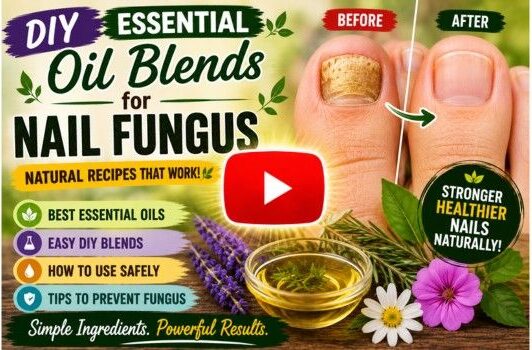
DIY Essential Oil Blends for Nail Fungus
🔷 Tea Tree and Lavender Blend
Ingredients:
- 3 drops tea tree oil
- 2 drops lavender oil
- 1 teaspoon coconut oil
Mix well and apply daily to clean, dry nails.
🔷 Oregano and Coconut Oil Blend
Ingredients:
- 2 drops oregano oil
- 1 teaspoon coconut oil
Apply carefully to the affected nail once daily.
🔷 Tea Tree and Lemongrass Blend
Ingredients:
- 2 drops tea tree oil
- 2 drops lemongrass oil
- 1 teaspoon jojoba oil
This blend combines two popular essential oils while remaining gentle enough for regular use when properly diluted.
🔷 Foot Soak Using Essential Oils
A relaxing foot soak may help soften thick nails before applying topical oils.
Ingredients
- Warm water
- 1 tablespoon Epsom salt
- 3 drops tea tree oil
- 2 drops eucalyptus oil
- 1 tablespoon carrier oil
Soak your feet for 15–20 minutes, dry them thoroughly, then apply your preferred diluted essential oil blend.
Essential Oils vs Over-the-Counter Antifungal Treatments
Both essential oils and over-the-counter (OTC) antifungal products are commonly used for managing mild nail fungus. However, they differ in ingredients, strength, and the amount of clinical evidence supporting their use.
| Feature | Essential Oils | OTC Antifungal Products |
| Source | Plant-derived | Medicated ingredients |
| Purpose | Natural nail care support | Designed to treat fungal infections |
| Availability | Health stores and online | Pharmacies and online |
| Application | Usually diluted before use | Ready to apply |
| Evidence | Limited human studies | More clinical evidence available |
| Best For | Mild cases and supportive care | Mild to moderate fungal infections |
For severe, painful, or persistent nail fungus, consult a healthcare professional, as prescription medications may be necessary.
Benefits of Using Essential Oils for Nail Fungus
Many people choose essential oils because they offer several potential advantages when used appropriately.
- May Support Natural Nail Care – Essential oils can be part of a daily nail care routine focused on maintaining clean, healthy-looking nails.
- Contains Plant-Based Compounds – Many essential oils contain naturally occurring compounds that have shown antimicrobial activity in laboratory research.
- Easy to Apply – Most essential oils can be diluted with a carrier oil and applied directly to affected nails at home.
- Pleasant Aroma – Unlike some medicated products, many essential oils have refreshing natural scents that leave feet feeling fresh.
- Can Be Combined with Healthy Habits – Essential oils work best when paired with good hygiene, clean footwear, and proper nail trimming.
- Are Essential Oils Safe? – Essential oils are generally safe when used correctly, but they are highly concentrated and require careful handling.
Follow these safety recommendations:
- Always dilute essential oils before applying them to the skin.
- Perform a patch test before first use.
- Do not apply oils to broken or bleeding skin.
- Avoid contact with the eyes and mouth.
- Keep essential oils away from children and pets.
- Store bottles in a cool, dark place.
- Stop use if irritation, redness, or burning develops.
- Consult your healthcare provider if you are pregnant, breastfeeding, or have chronic skin conditions.
Possible Side Effects
Although many people tolerate essential oils well, some individuals may experience side effects.
Possible side effects include:
- Skin irritation
- Redness
- Burning sensation
- Allergic reactions
- Dry skin
- Contact dermatitis
Proper dilution significantly reduces the risk of irritation.
Tips to Prevent Nail Fungus
Preventing nail fungus is often easier than treating it. These simple habits can help protect your nails.
🔷 Keep Feet Clean
Wash your feet daily using soap and water, paying close attention to the areas between your toes.
🔷 Dry Feet Thoroughly
Fungi thrive in moisture. Dry your feet completely before putting on socks or shoes.
🔷 Wear Breathable Shoes
Choose footwear made from breathable materials that allow air circulation.
🔷 Change Socks Daily
Clean, moisture-wicking socks help reduce sweat buildup around the feet.
🔷 Trim Nails Properly
Keep nails short and straight across to reduce the risk of injury and fungal buildup.
🔷 Disinfect Nail Tools
Clean nail clippers, files, and scissors after every use to avoid spreading infection.
🔷 Avoid Walking Barefoot in Public Areas
Wear sandals or flip-flops in locker rooms, public showers, and around swimming pools.
🔷 Rotate Your Shoes
Allow shoes to dry completely between uses to minimize moisture.
🔷 Treat Athlete’s Foot Early
Prompt treatment of athlete’s foot may help prevent the infection from spreading to the nails.
🔷 Support Overall Health
A balanced diet, regular exercise, and the management of conditions such as diabetes can contribute to healthier nails and immune function.

Lifestyle Habits That Support Healthy Nails
Healthy nails depend on more than topical treatments.
Helpful habits include:
- Eat a balanced diet rich in protein, vitamins, and minerals.
- Stay hydrated throughout the day.
- Avoid smoking, which may reduce circulation.
- Wear properly fitting shoes.
- Moisturize cuticles regularly.
- Avoid picking or tearing damaged nails.
- Give nails time to grow naturally.
- Follow a consistent nail care routine.
When Should You See a Doctor?
Natural remedies may be appropriate for mild cases, but professional evaluation is important if:
- The infection affects multiple nails.
- The nail becomes painful.
- There is swelling or pus around the nail.
- The nail separates significantly from the nail bed.
- Home treatments show no improvement after several months.
- You have diabetes, poor circulation, or a weakened immune system.
Early diagnosis can help prevent complications and improve treatment outcomes.
Frequently Asked Questions
Which essential oil is considered the best for nail fungus?
Tea tree oil is one of the most commonly recommended essential oils due to its well-studied antimicrobial properties. Oregano oil is another popular choice, but both should always be diluted before use.
Can essential oils completely cure nail fungus?
Essential oils may help support nail health and manage mild infections, but they are not guaranteed to cure nail fungus. Persistent or severe infections often require medical treatment.
How long does it take to see results?
Toenails grow slowly, so visible improvement may take several months. Consistent application and good foot hygiene are important.
Can I mix different essential oils together?
Yes. Many people combine oils such as tea tree, lavender, eucalyptus, or lemongrass with a carrier oil. Perform a patch test before using any new blend.
Should essential oils be applied directly?
No. Most essential oils are highly concentrated and should be diluted with a carrier oil before being applied to the skin or nails.
Can I use essential oils every day?
Yes, when properly diluted and well tolerated, they can generally be used once or twice daily as part of a regular nail care routine.
Are essential oils safe for children?
Consult a healthcare professional before using essential oils on children, as some oils are not recommended for younger age groups.
Can fingernail fungus also be treated with essential oils?
The same application methods may be used for fingernails, but medical advice is recommended if the infection worsens or spreads.
Which carrier oil is best?
Coconut oil, jojoba oil, sweet almond oil, and olive oil are among the most popular carrier oils for diluting essential oils.
Can I wear nail polish during treatment?
It is generally best to avoid nail polish until the infection improves, as polish may trap moisture and make it harder to monitor nail health.
Conclusion
Essential oils for nail fungus have become increasingly popular among people seeking natural ways to support healthy nails.
Oils such as tea tree, oregano, thyme, lavender, clove, eucalyptus, and lemongrass contain plant-based compounds that have demonstrated antimicrobial or antifungal activity in laboratory studies.
While research in humans is still limited, these oils may help maintain a cleaner nail environment and complement an overall nail care routine.
It’s important to remember that nail fungus often requires patience. Because nails grow slowly, noticeable improvement may take several months of consistent care.
Combining diluted essential oils with proper hygiene, regular nail trimming, breathable footwear, and moisture control can provide the best chance of supporting healthier-looking nails.
Essential oils should not be viewed as a guaranteed cure, particularly for severe or long-standing infections. If symptoms worsen, involve multiple nails, or fail to improve with home care, consult a healthcare professional for an accurate diagnosis and appropriate treatment.
With realistic expectations, safe application, and consistent nail care habits, essential oils can be a valuable addition to your routine for maintaining healthier nails and supporting overall foot wellness.
References
https://en.wikipedia.org/wiki/Onychomycosis
https://www.healthline.com/health/nail-fungus
https://www.webmd.com/skin-problems-and-treatments/guide/fungal-nail-infections
About Us