A yeast infection can be uncomfortable, irritating, and difficult to ignore. Many people experience symptoms like itching, burning, redness, and unusual discharge and immediately search for ways to get rid of a yeast infection at home.
The good news is that mild yeast infections can often be managed with proper home care and commonly available treatments.
Understanding what causes yeast overgrowth and choosing safe approaches can help reduce discomfort and support recovery.
A yeast infection occurs when Candida, a type of yeast naturally found in the body, grows too much.
Normally, the body maintains a healthy balance between yeast and beneficial bacteria. When that balance changes, Candida can multiply and irritate.
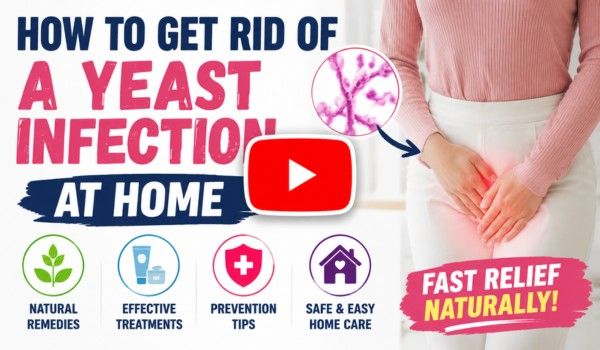

This guide explains how to get rid of a yeast infection at home, what treatments may help, which habits support healing, and how to reduce the chances of future infections.
What Is a Yeast Infection?
A yeast infection is a fungal infection caused by an overgrowth of Candida yeast. While Candida naturally exists in areas such as the skin, mouth, digestive system, and vaginal area, problems occur when the normal balance is disrupted.
Vaginal yeast infections are among the most common forms of yeast infections. They can affect people of different ages and may happen because of changes in hormones, medications, lifestyle habits, or the body’s natural environment.
Common symptoms include:
- Intense itching or irritation around the vaginal area
• Burning sensations
• Redness or swelling
• Thick white vaginal discharge
• Discomfort during sexual activity
• Sensitivity or soreness
Some people may experience only mild irritation, while others may have more noticeable symptoms that affect daily comfort.
It is important to understand that not all vaginal discomfort is caused by yeast.
Similar symptoms can occur with other infections or conditions. Identifying the correct cause helps ensure the right treatment approach.
Why Do Yeast Infections Happen?
The body naturally keeps Candida levels under control. However, certain changes can disturb this balance and allow yeast to grow excessively.
➢ Antibiotic Use
Antibiotics help fight harmful bacteria, but they can also reduce beneficial bacteria that support a healthy environment.
When protective bacteria levels decrease, Candida may have more opportunity to multiply.
➢ Hormonal Changes
Hormonal fluctuations can affect the body’s natural balance. Changes during pregnancy, menstrual cycles, or hormone-related treatments may increase the likelihood of yeast overgrowth.
➢ Increased Moisture
Candida thrives in warm and moist environments. Wearing tight clothing, staying in wet clothes for long periods, or excessive sweating may create conditions where yeast grows more easily.
➢ Blood Sugar Levels
Higher blood sugar levels may contribute to repeated yeast infections. This is why people with uncontrolled diabetes may experience more frequent episodes.
➢ Immune System Changes
The immune system helps maintain balance inside the body. Certain medications or health conditions that affect immunity may increase the risk of yeast overgrowth.
How to Get Rid of a Yeast Infection at Home
When people search for how to get rid of a yeast infection at home, they usually want fast relief from uncomfortable symptoms.
Several approaches may help. The most effective option depends on the severity of symptoms and whether the infection is truly caused by yeast.
1. Try Over-the-Counter Antifungal Treatments
Over-the-counter antifungal treatments are commonly used for mild yeast infections.
These products are designed to target Candida growth and are available in different forms, including:
- Vaginal creams
• Suppositories
• Internal antifungal treatments
Many products are available in one-day, three-day, or seven-day treatment options.
Following the instructions carefully is important. Completing the recommended treatment period can help improve effectiveness and reduce the chance of symptoms returning.
If symptoms continue after treatment, it may mean the infection requires a different approach or that another condition is causing the irritation.

2. Keep the Area Clean and Dry
Maintaining a comfortable environment can help reduce irritation and support recovery.
Helpful habits include:
- Wearing breathable cotton underwear
• Changing out of sweaty clothing quickly
• Avoiding tight-fitting pants for long periods
• Keeping the area dry after bathing
• Avoiding unnecessary moisture buildup
Good hygiene does not mean using harsh products. The vaginal area naturally maintains its own balance, and strong soaps or scented products may cause additional irritation.
3. Avoid Irritating Products
Many personal care products contain fragrances or chemicals that may irritate sensitive skin.
During a yeast infection, consider avoiding:
- Scented soaps
• Fragranced sprays
• Bubble baths
• Harsh cleansing products
• Perfumed feminine hygiene products
Using gentle, unscented products can help prevent additional discomfort.
4. Choose Breathable Clothing
Clothing choices can influence moisture levels around the body.
Tight synthetic fabrics may trap heat and moisture, creating a more favorable environment for yeast growth.
Consider:
- Cotton underwear
• Loose-fitting clothing
• Changing damp clothes quickly
• Sleeping in comfortable, breathable clothing
These simple changes may support a healthier environment and reduce irritation.
5. Support Healthy Bacteria Balance
Beneficial bacteria play an important role in maintaining balance in the body.
Some people use probiotic foods or supplements to support healthy bacteria levels. Foods that naturally contain probiotics include:
- Yogurt with live cultures
• Kefir
• Fermented foods
While probiotics may support overall balance, they should not replace proven antifungal treatments when an active infection is present.
6. Reduce Sugar Intake
Diet does not directly cause every yeast infection, but maintaining balanced nutrition supports overall health.
Some people choose to reduce excess added sugar because Candida growth may be influenced by blood sugar levels.
Helpful dietary habits include:
- Eating more vegetables
• Choosing high-fiber foods
• Including adequate protein
• Drinking enough water
• Limiting highly processed foods
A balanced diet supports immune function and general wellness.
7. Avoid Scratching the Irritated Area
Yeast infections can cause intense itching, but scratching may worsen irritation.
Scratching can:
- Damage sensitive skin
• Increase redness
• Cause additional discomfort
• Slow healing
Instead, focus on reducing irritation through gentle care and appropriate treatment.
8. Use Warm Water Comfort Measures
Some people find temporary comfort from simple soothing methods.
A warm bath without added fragrances may help relax irritated skin. However, avoid extremely hot water because it may increase dryness and irritation.
Avoid adding ingredients such as harsh chemicals, perfumes, or unnecessary substances that may disturb the natural balance.
How Long Does It Take to Get Rid of a Yeast Infection?
The recovery time depends on the severity of the infection and the treatment approach used.
Many mild yeast infections improve within several days when treated properly. However, some infections may take longer, especially if symptoms are severe or recurring.
Factors that may affect recovery include:
- Overall health
• Immune function
• Treatment consistency
• Severity of symptoms
• Whether the condition is correctly identified
If symptoms do not improve after treatment, additional evaluation may be needed.
Common Mistakes That May Make Yeast Infections Worse
While trying to get relief at home, some habits may accidentally increase irritation.
Avoid these common mistakes:
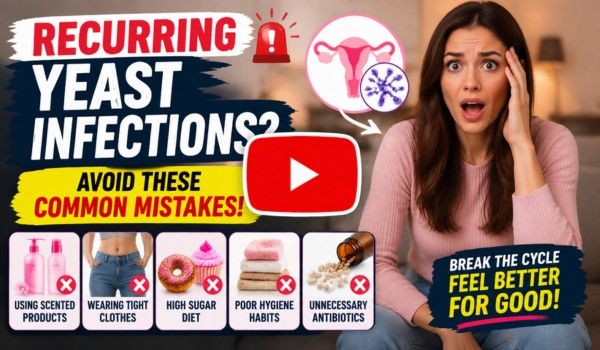
👉 Using Harsh Cleansers
Strong soaps and scented products may disturb the natural balance and increase sensitivity.
👉 Self-Treating Every Episode
Repeatedly assuming every irritation is a yeast infection may delay proper treatment if another condition is present.
👉 Stopping Treatment Too Early
Even if symptoms improve quickly, following the recommended treatment instructions is important.
👉 Wearing Tight Clothing Constantly
Tight clothing may increase heat and moisture, which can contribute to discomfort.
When Home Treatment May Not Be Enough
Home care can help many mild cases, but certain situations require professional guidance.
Consider contacting a healthcare provider if:
- Symptoms do not improve after treatment
• Yeast infections happen frequently
• Symptoms are severe
• There is unusual discharge or odor
• You are pregnant
• You have concerns about another possible infection
Recurring infections may require additional evaluation to understand the underlying cause.
Natural Ways to Support Yeast Infection Recovery
Many people search for natural ways to get rid of a yeast infection at home because they want gentle methods that can support comfort and healing.
While natural approaches may help support a healthy environment, they are not always a replacement for proven antifungal treatments. The best approach usually combines proper treatment with healthy daily habits.
Here are some supportive steps that may help.
Maintain Proper Hygiene Without Overwashing
Keeping the area clean is important, but excessive washing can sometimes cause more irritation.
The vaginal area has a natural balance of bacteria and yeast. Using strong soaps, frequent washing, or harsh cleansing products may disturb this balance.
Helpful hygiene habits include:
- Washing gently with water and mild products
• Avoiding internal cleansing methods
• Drying the area carefully after bathing
• Changing underwear regularly
• Avoiding fragranced personal care products
The goal is to support the body’s natural balance without causing unnecessary irritation.
Choose Foods That Support Overall Wellness
Diet does not directly eliminate a yeast infection, but healthy nutrition supports the immune system and overall body function.
A balanced eating pattern may include:
- Fresh vegetables
• Fruits
• Lean proteins
• Whole grains
• Healthy fats
• Fermented foods with beneficial bacteria
Maintaining steady blood sugar levels may also be helpful because repeated blood sugar spikes can affect the body’s ability to maintain microbial balance.
📌 Stay Hydrated
Drinking enough water supports many important body functions, including healthy skin and normal immune activity.
Proper hydration may help the body function efficiently and support overall wellness during recovery.
Water is also a better choice than frequently consuming high-sugar beverages, which may contribute to unhealthy dietary patterns.
📌 Manage Stress Levels
Stress affects many systems in the body, including immune function.
Long periods of stress may make it harder for the body to maintain normal balance.
Helpful stress management habits include:
- Regular physical activity
• Meditation or relaxation practices
• Spending time outdoors
• Maintaining social connections
• Getting enough rest
Supporting overall health may help reduce factors that contribute to recurring discomfort.
📌 Improve Sleep Quality
Sleep plays an important role in immune health and recovery.
Poor sleep may affect the body’s ability to respond to challenges and maintain normal balance.
Healthy sleep habits include:
- Following a consistent bedtime routine
• Limiting screen use before sleeping
• Creating a comfortable sleep environment
• Avoiding excessive caffeine late in the day
Quality rest supports general wellness and may help the body recover more effectively.
Can Home Remedies Quickly Cure a Yeast Infection?
Many home remedies are promoted online as quick solutions for yeast infections. However, not every popular remedy has strong scientific support.
Some commonly discussed options include:
- Coconut oil
• Apple cider vinegar
• Garlic
• Baking soda baths
• Essential oils
Although these ingredients are often discussed online, applying untested substances directly to sensitive areas may cause irritation or discomfort.
The safest approach is choosing methods that support comfort without damaging the natural balance of the body.
Why Some Yeast Infections Keep Coming Back
Recurring yeast infections can be frustrating. Some people experience repeated episodes even after treatment.
Several factors may contribute to recurring infections:
- Incomplete Treatment: Stopping treatment too early may allow remaining yeast to continue growing.
- Frequent Antibiotic Use: Repeated antibiotic use may affect beneficial bacteria levels and increase susceptibility.
- Hormonal Factors: Changes in hormones may influence the environment where yeast grows.
- Health Conditions: Certain conditions, including blood sugar problems, may increase the likelihood of repeated infections.
- Incorrect Diagnosis: Sometimes symptoms that appear similar to yeast infections may have another cause.
If infections happen repeatedly, identifying the underlying reason can help create a better prevention plan.
How to Prevent Future Yeast Infections
Preventing yeast infections often involves maintaining a healthy balance and avoiding common triggers.
👉 Wear Breathable Underwear
Cotton underwear allows better airflow and may reduce moisture buildup.
Try to avoid wearing tight synthetic materials for long periods, especially in warm conditions.
👉 Change Out of Wet Clothes Quickly
Wet swimsuits, workout clothes, and damp clothing can trap moisture.
Changing into dry clothing helps create a less favorable environment for yeast growth.
👉 Avoid Unnecessary Antibiotics
Antibiotics should only be used when recommended by a healthcare professional.
If antibiotics are needed, discuss ways to support healthy bacteria balance with your healthcare provider.
👉 Maintain Healthy Blood Sugar Levels
People with diabetes or blood sugar concerns may have a higher risk of recurring yeast infections.
Healthy lifestyle habits that support balanced blood sugar include:
- Regular movement
• Balanced meals
• Limiting excess added sugar
• Following medical guidance when needed
👉 Avoid Douching
Douching can disturb the natural balance of bacteria and yeast.
The body naturally maintains the vaginal environment, and unnecessary cleansing practices may increase irritation.
Practice Safe Personal Care Habits
Simple daily habits can make a difference:
- Use gentle personal care products
• Avoid sharing personal towels
• Change underwear daily
• Keep workout clothing clean
• Avoid prolonged moisture exposure
Yeast Infection Myths You Should Know
Many myths about yeast infections circulate online. Understanding the facts can help people make safer choices.
Myth: Poor Hygiene Causes Yeast Infections
A yeast infection is not a sign of being unclean.
It usually happens because of changes in the natural balance of microorganisms in the body.
Myth: Every Itching Problem Is a Yeast Infection
Itching can happen for many reasons.
Other conditions may create similar symptoms, so proper identification is important.
Myth: More Cleaning Means Faster Recovery
Overcleaning may increase irritation.
Gentle care is usually better than aggressive cleansing.
Myth: Home Remedies Always Work
Some home approaches may provide comfort, but they do not always eliminate an active yeast infection.
Choosing reliable treatments is important for better outcomes.
Can Men Get Yeast Infections?
Although vaginal yeast infections are more commonly discussed, men can also experience Candida-related infections.
A yeast infection in men may affect areas such as the skin around the penis and may cause:
- Redness
• Itching
• Irritation
• Burning sensations
Men with symptoms should consider medical guidance, especially if symptoms continue.
How to Know If It Is a Yeast Infection
Common signs may include itching, irritation, redness, and thick white discharge.
However, symptoms alone cannot always confirm the cause.
A healthcare provider may consider:
- Symptoms
• Medical history
• Previous infections
• Physical examination
• Testing when needed
Getting the correct diagnosis helps avoid unnecessary treatments.
Final Thoughts: How to Get Rid of a Yeast Infection at Home
A yeast infection can be uncomfortable, but many mild cases can improve with proper care and appropriate treatment.
The best way to get rid of a yeast infection at home is to focus on proven antifungal options, gentle hygiene habits, breathable clothing, balanced nutrition, and lifestyle choices that support overall health.
Avoid harsh products and unverified remedies that may increase irritation. If symptoms continue, return frequently, or feel unusual, professional medical advice can help identify the cause and provide the right solution.
Maintaining a healthy balance in the body is the key to reducing discomfort and preventing future yeast infections.
References
https://en.wikipedia.org/wiki/Candidiasis
https://www.healthline.com/health/vaginal-yeast-infection
https://www.webmd.com/women/guide/yeast-infections
About Us